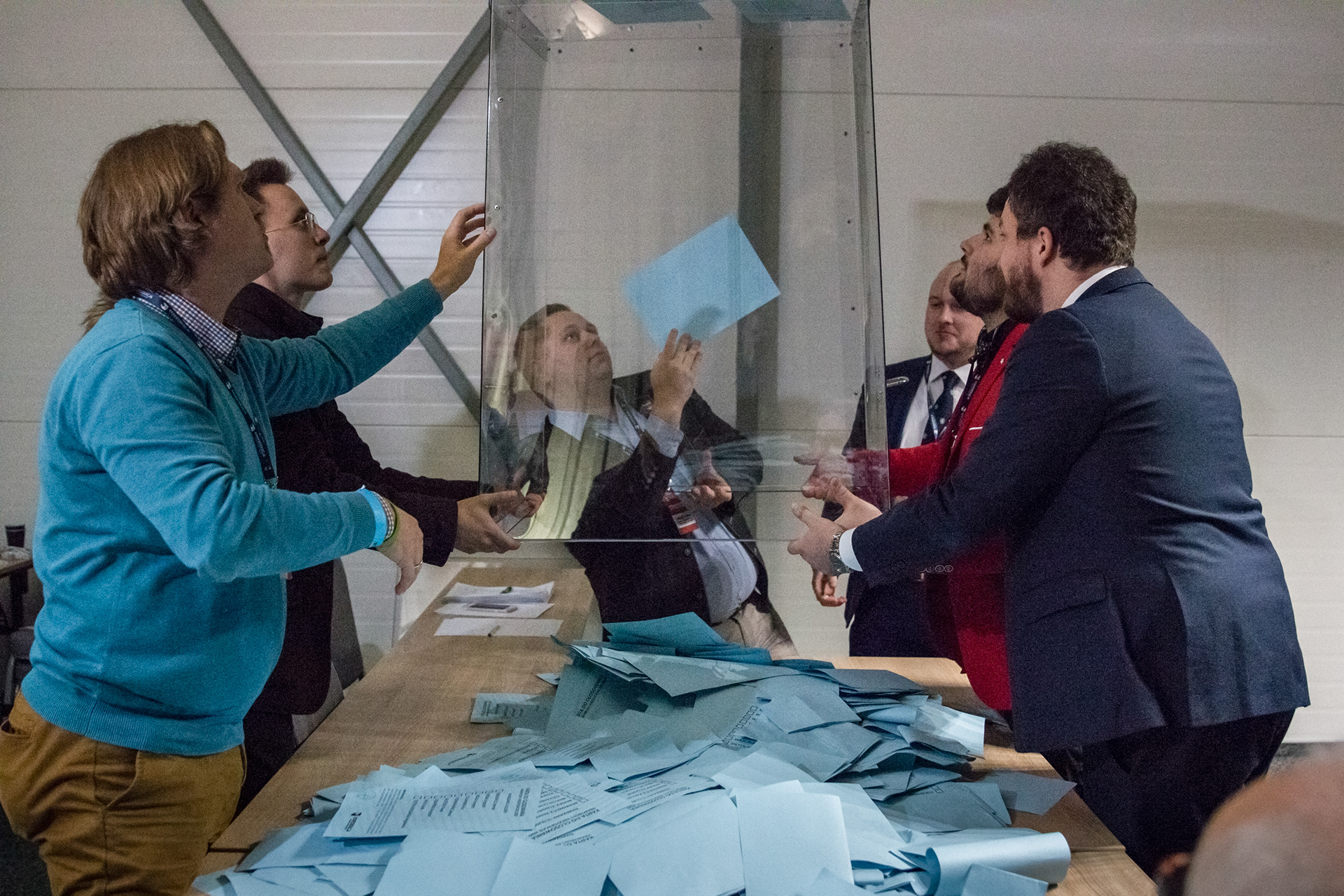
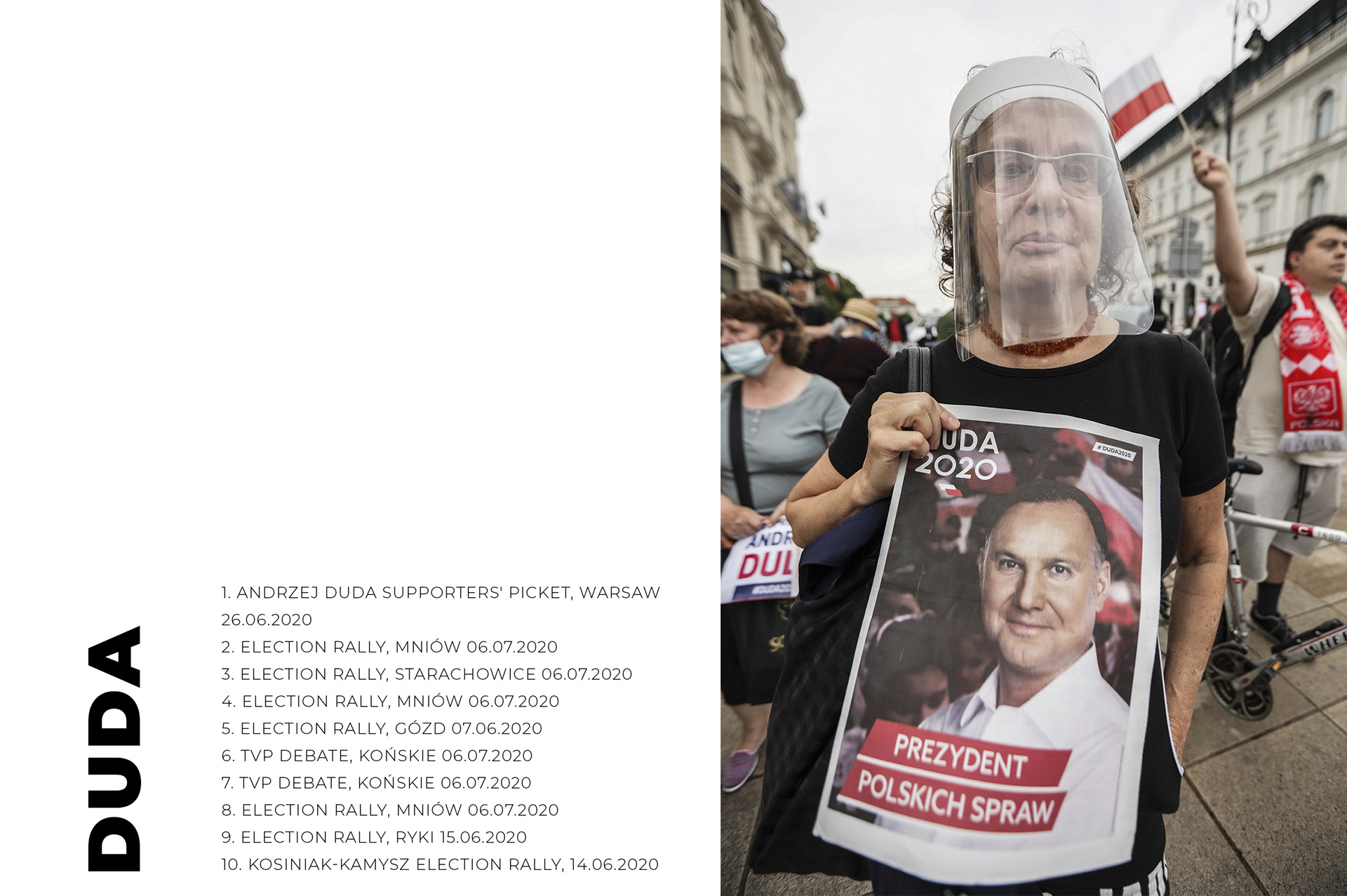
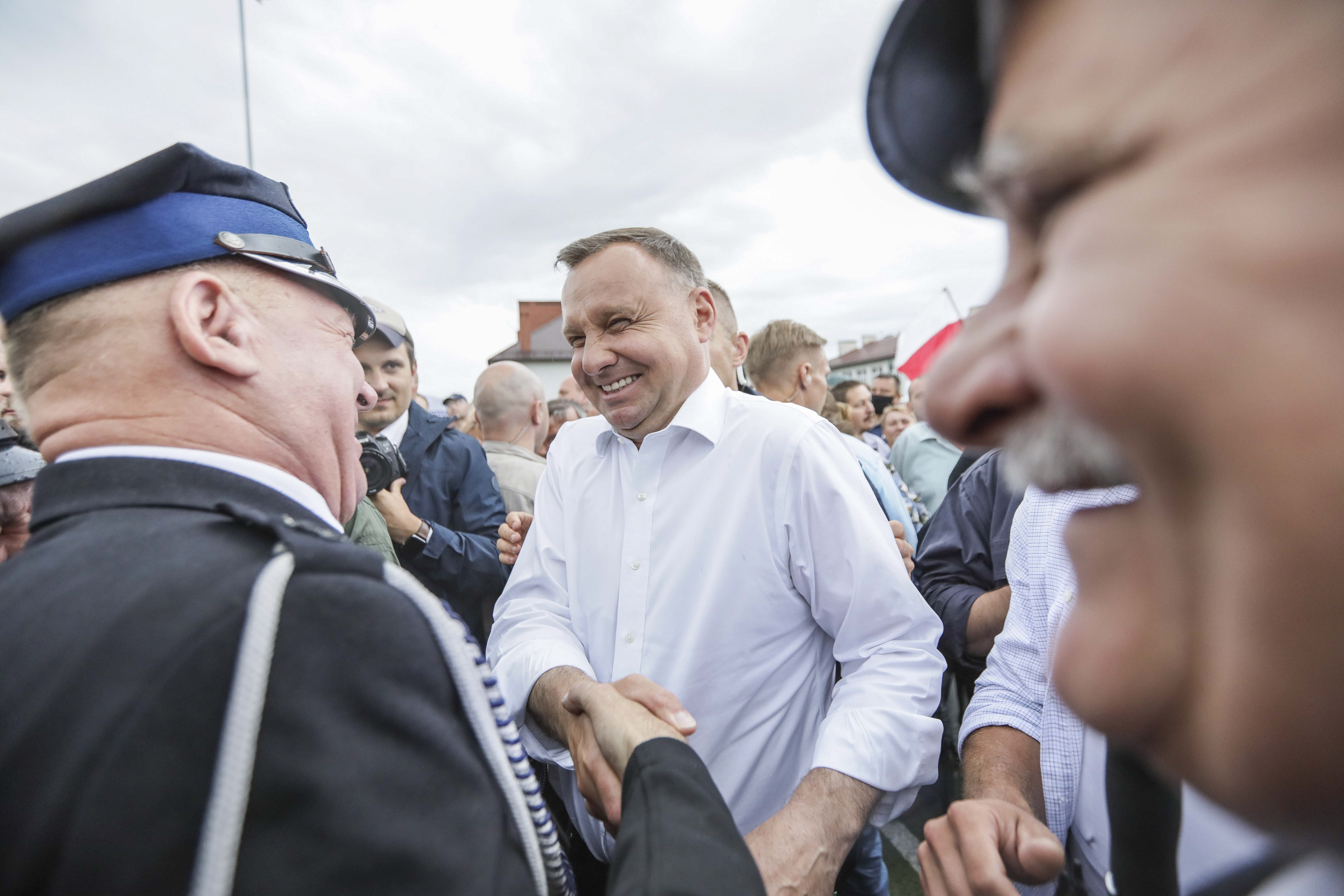
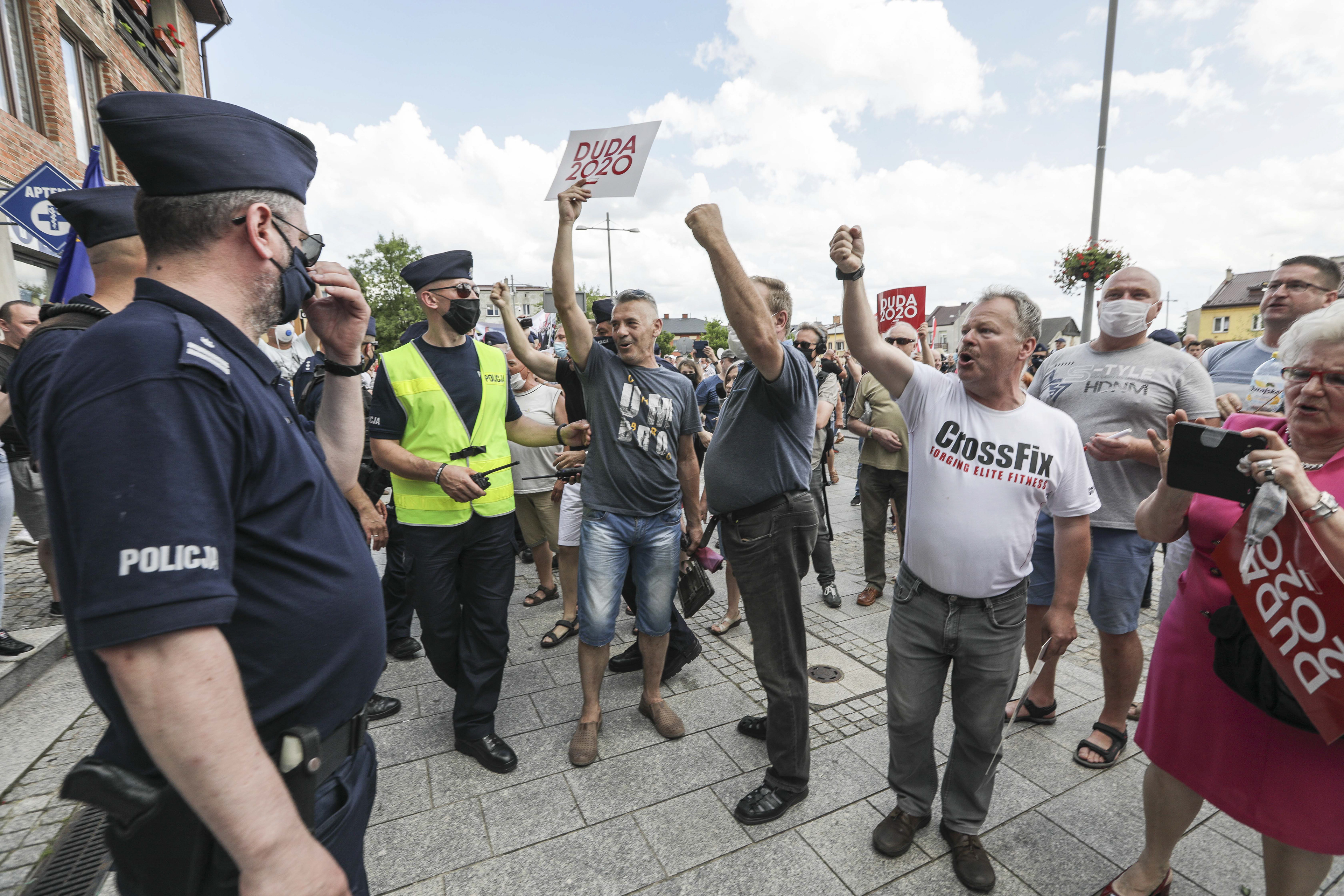
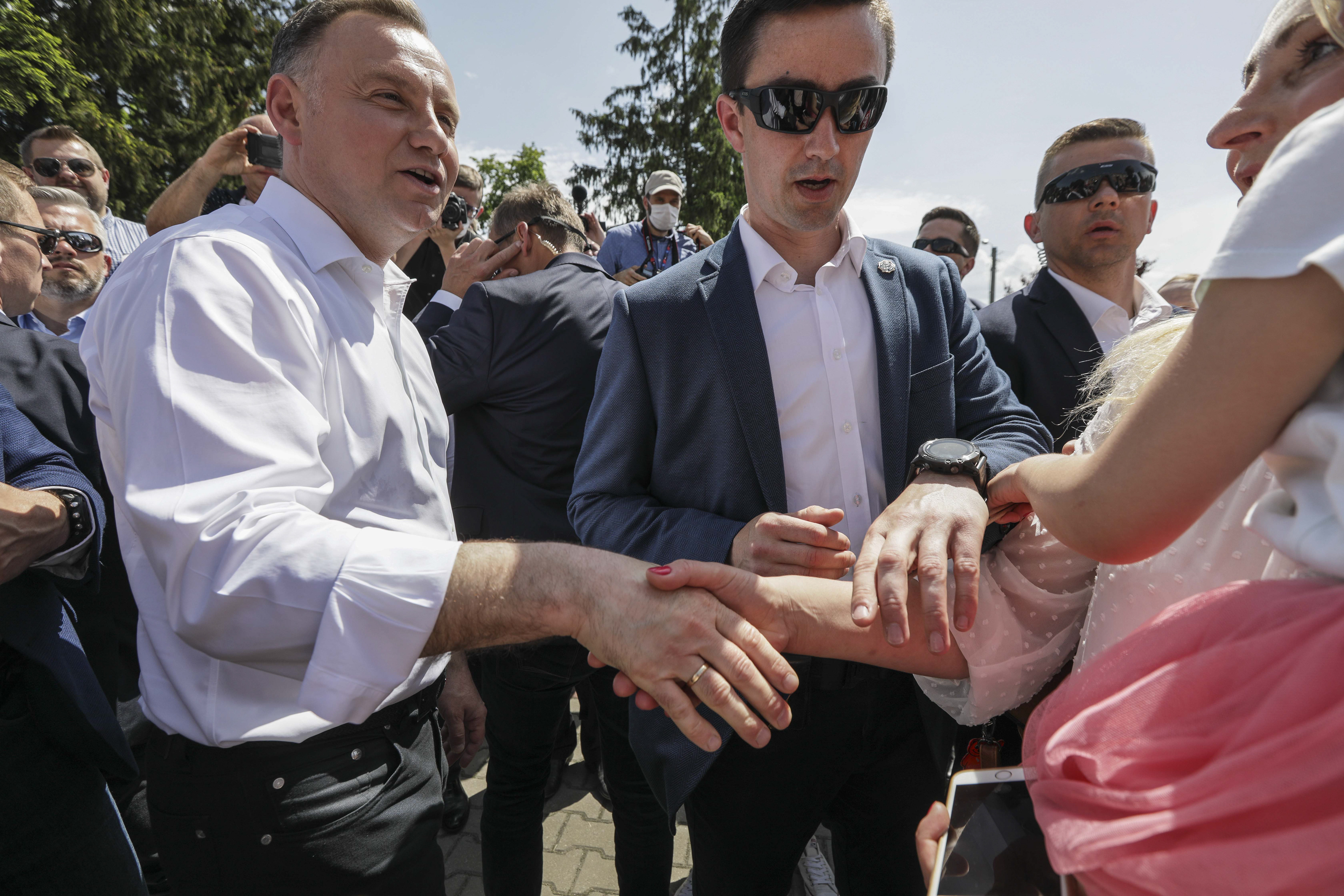
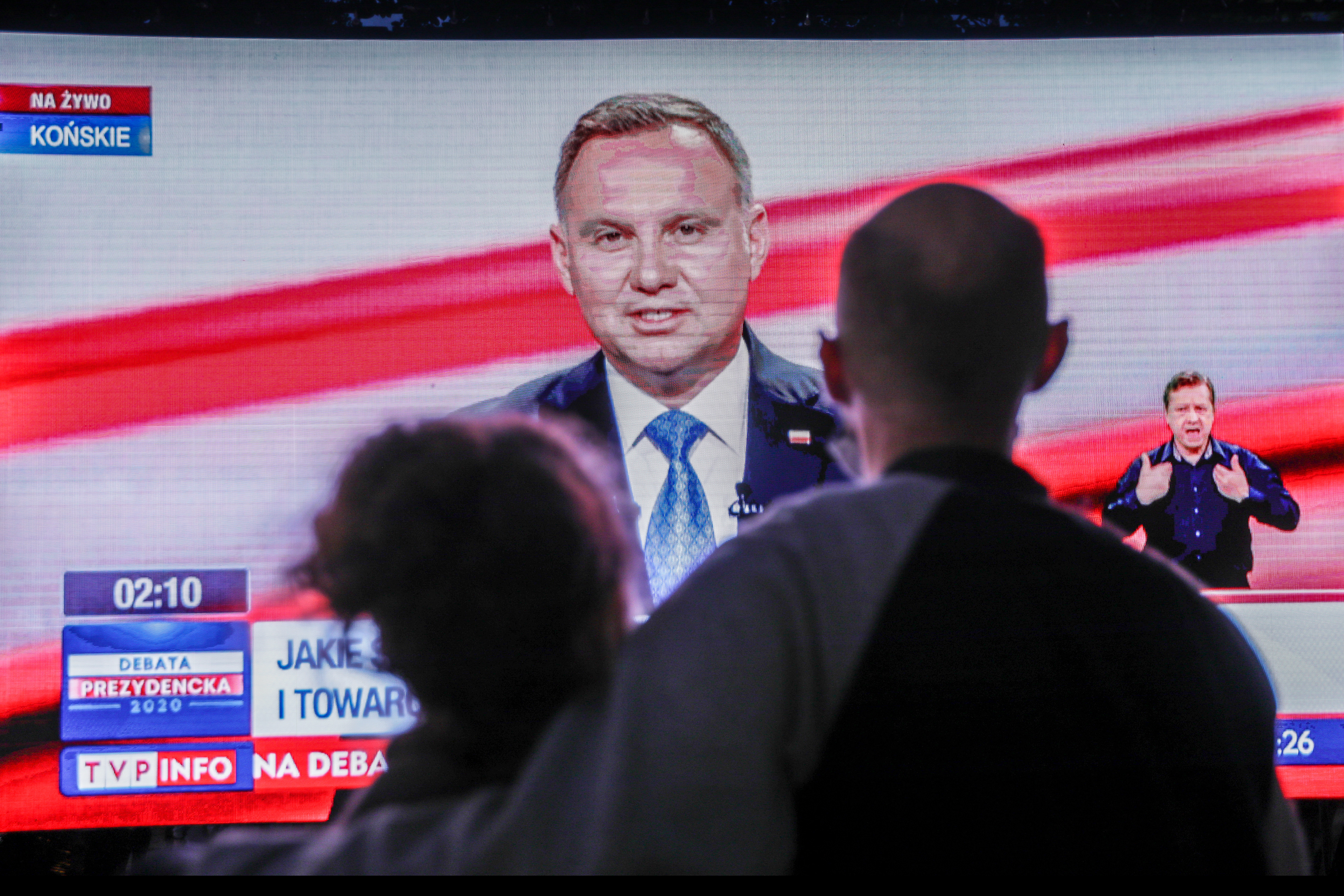
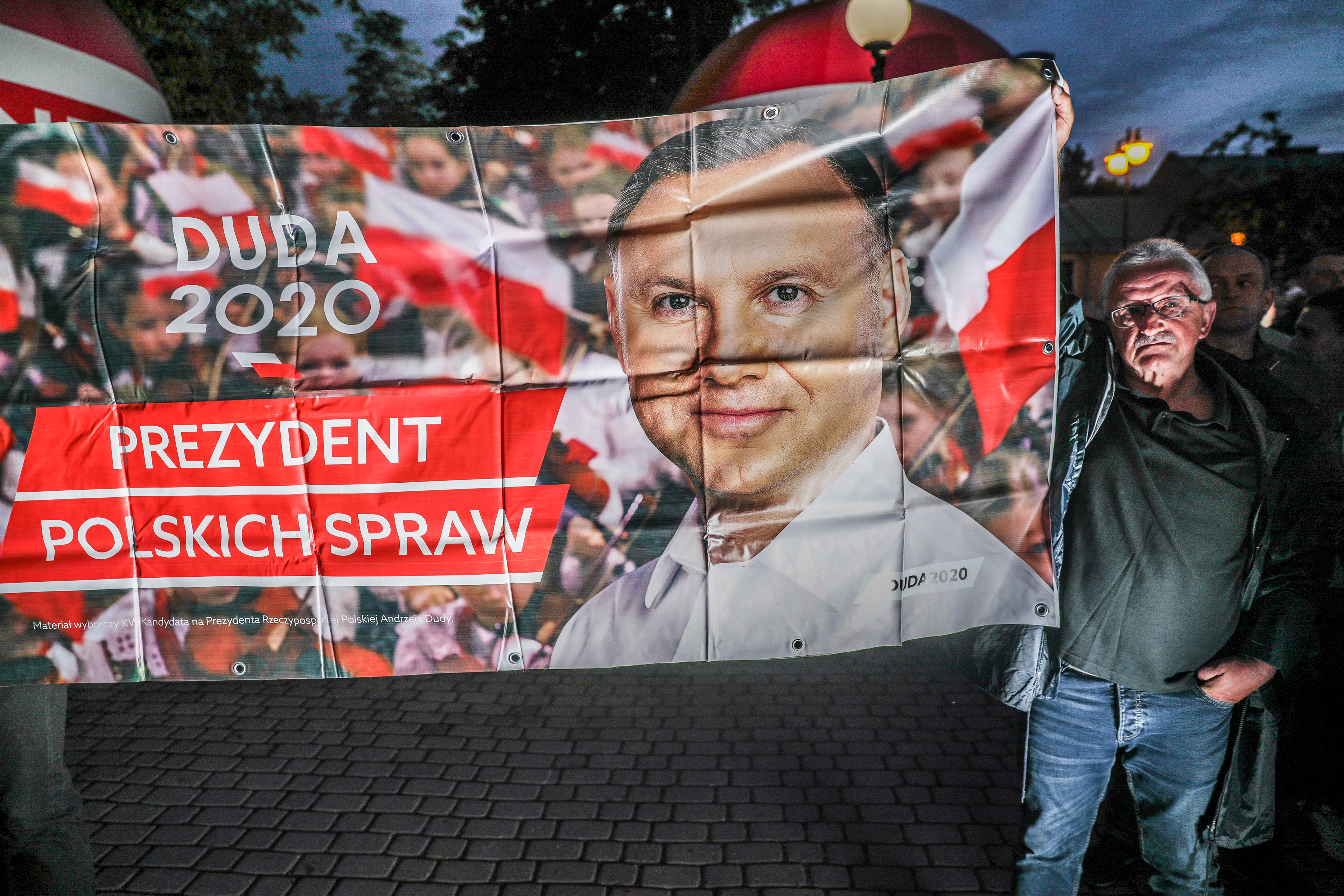
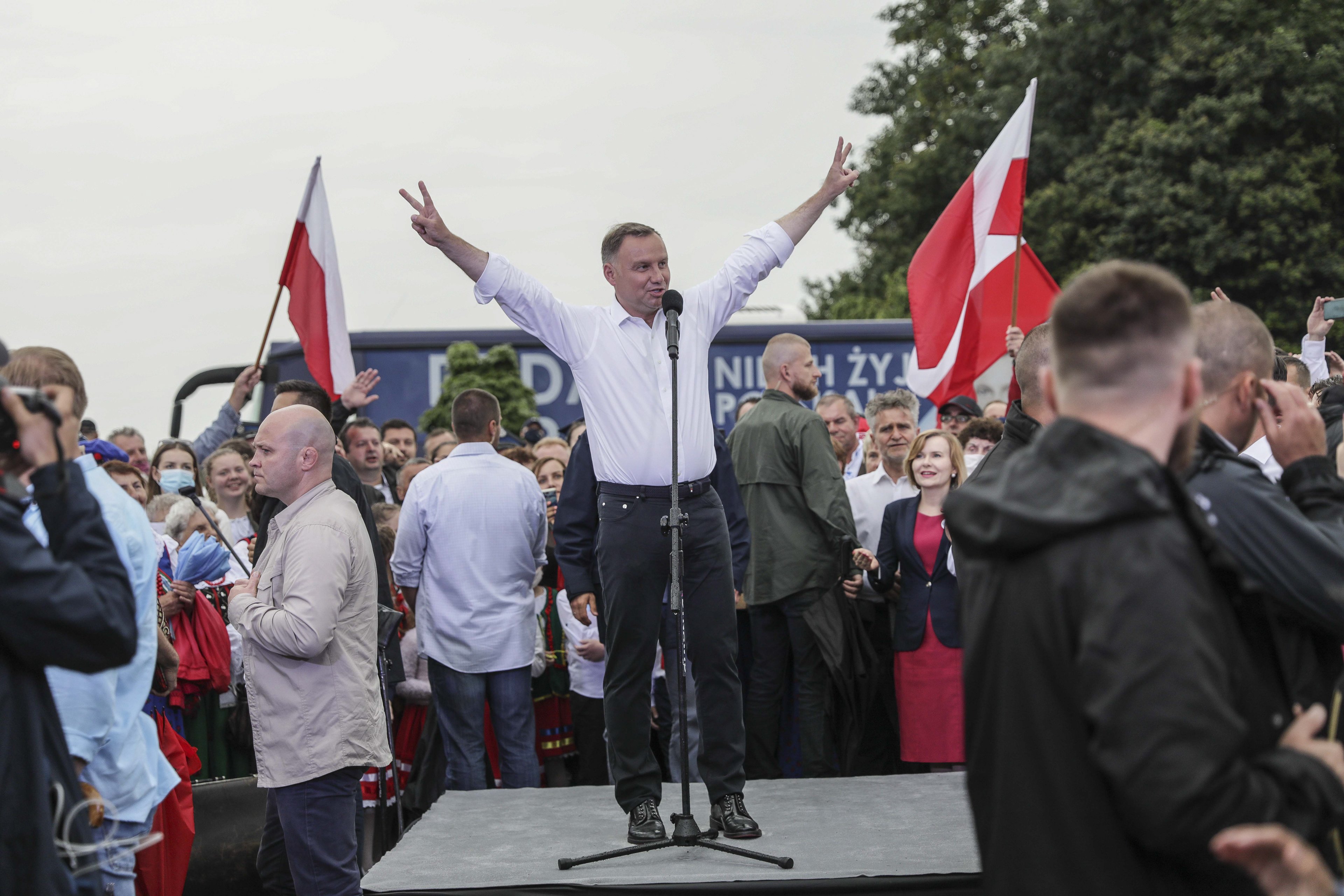
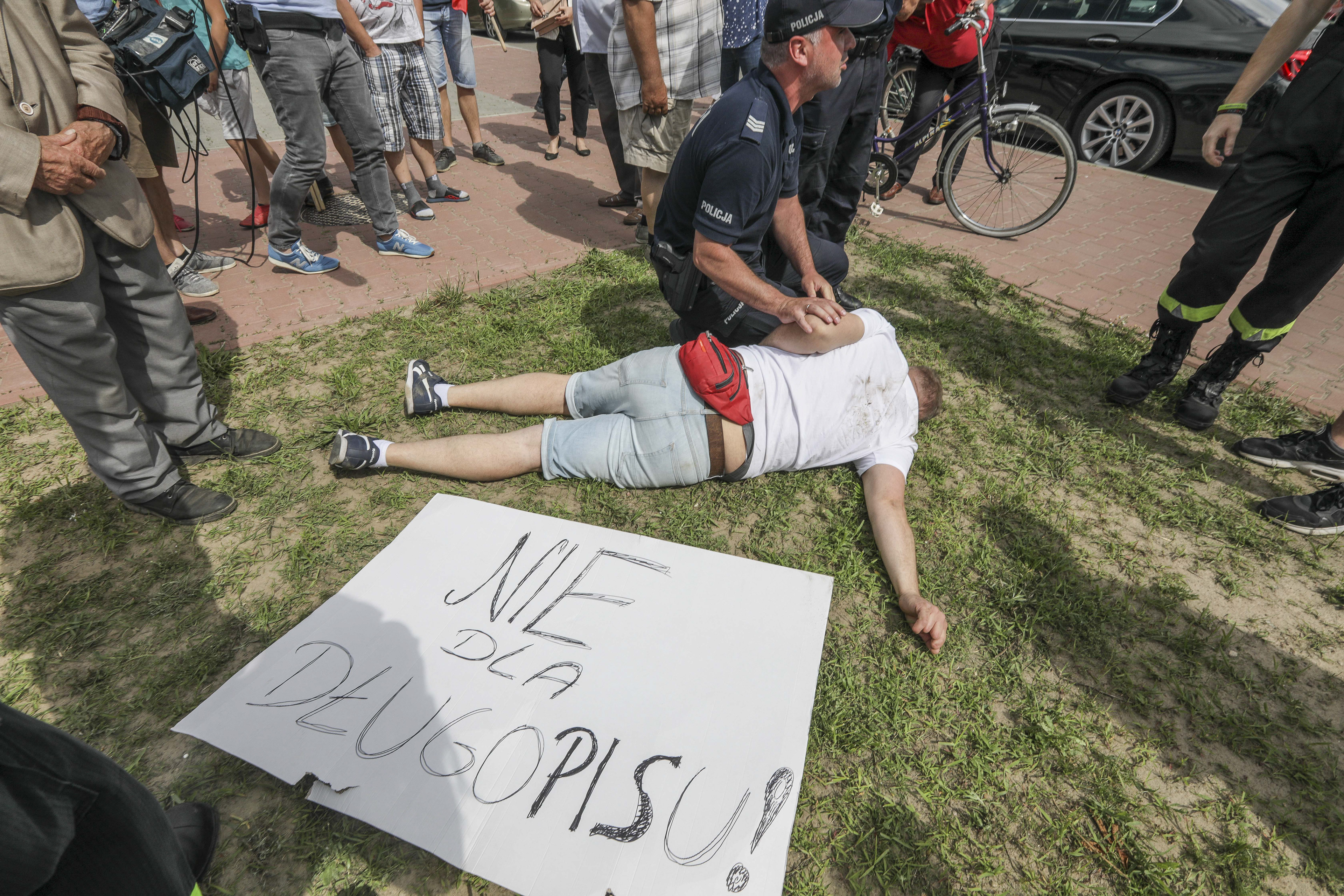
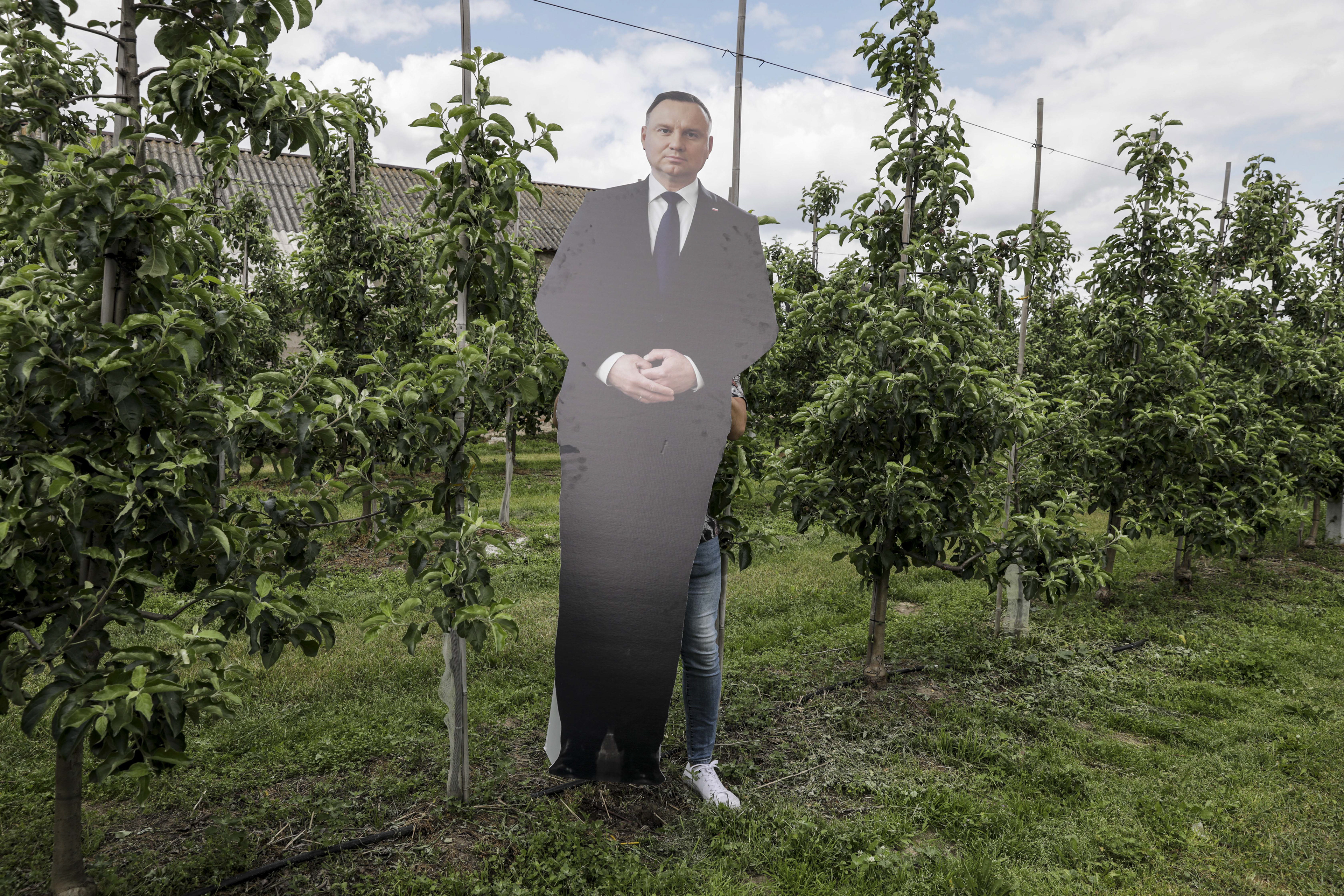
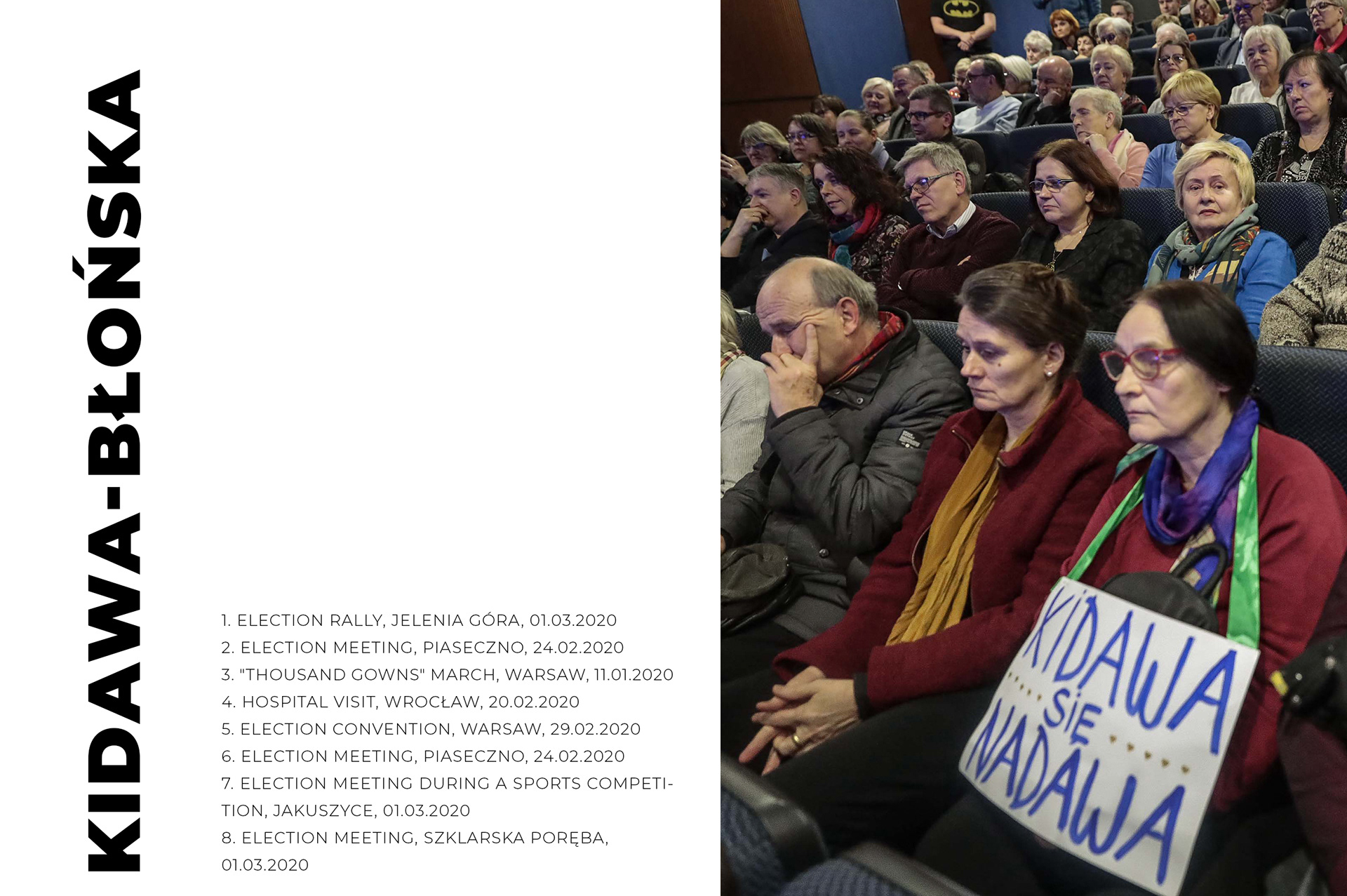
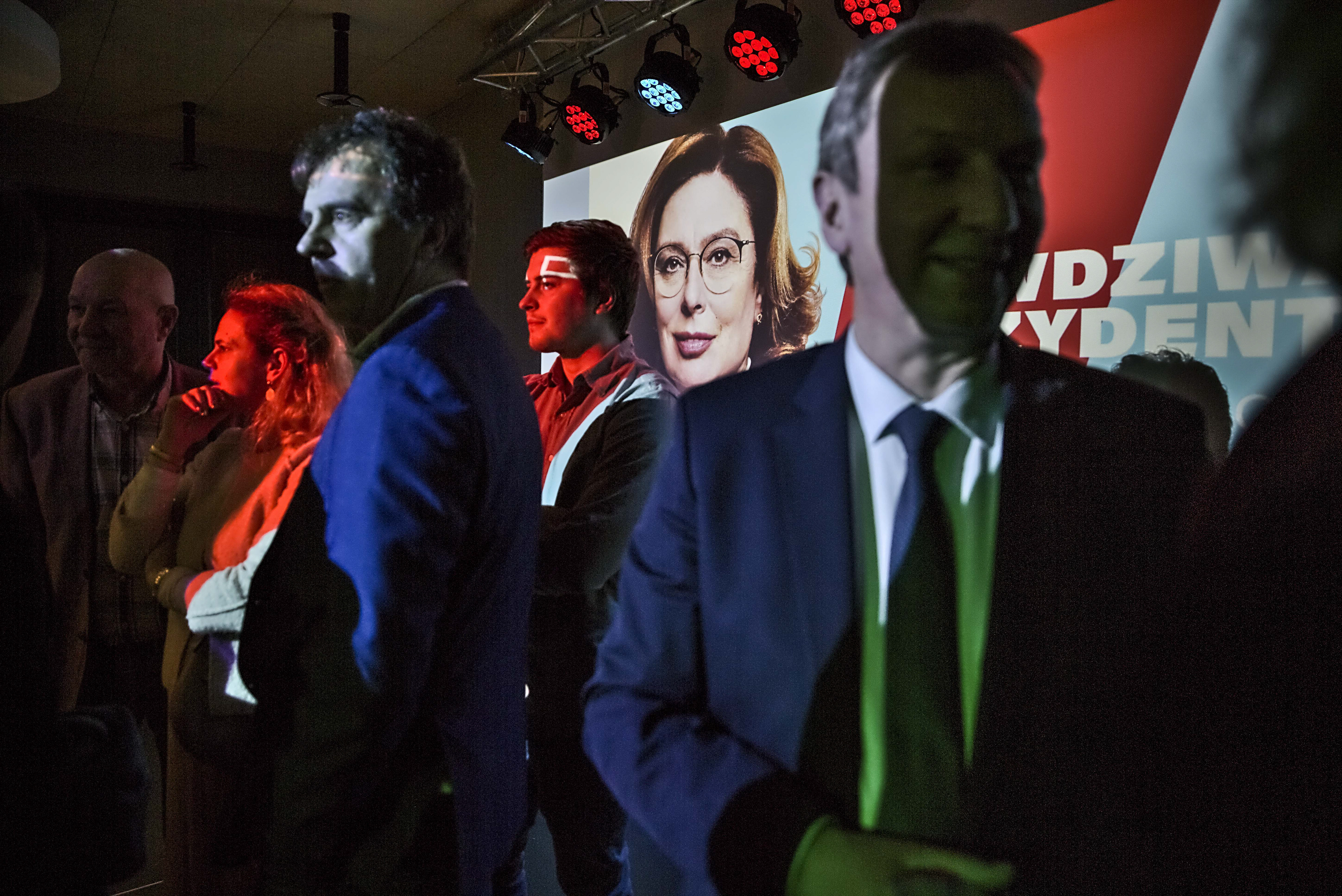
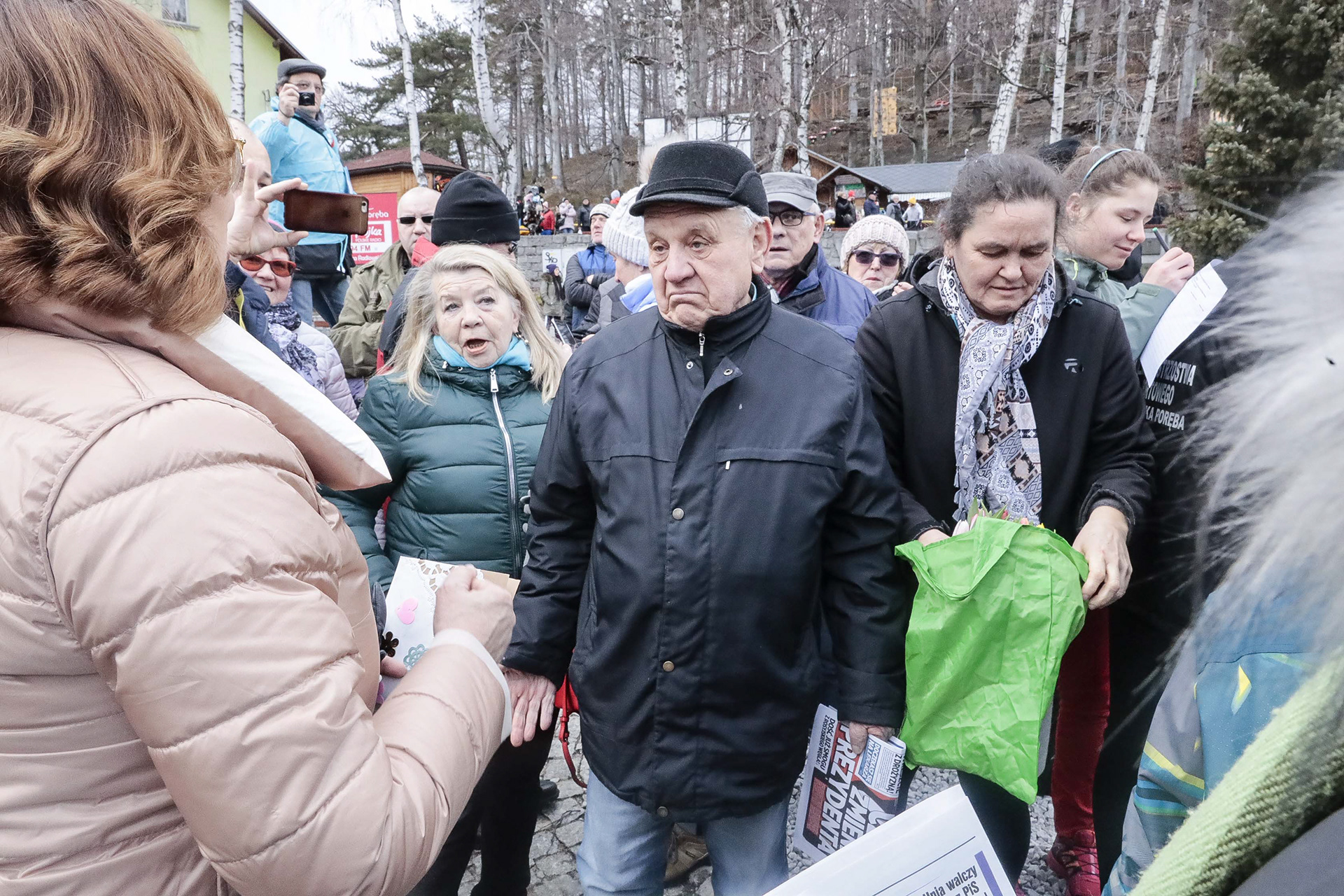
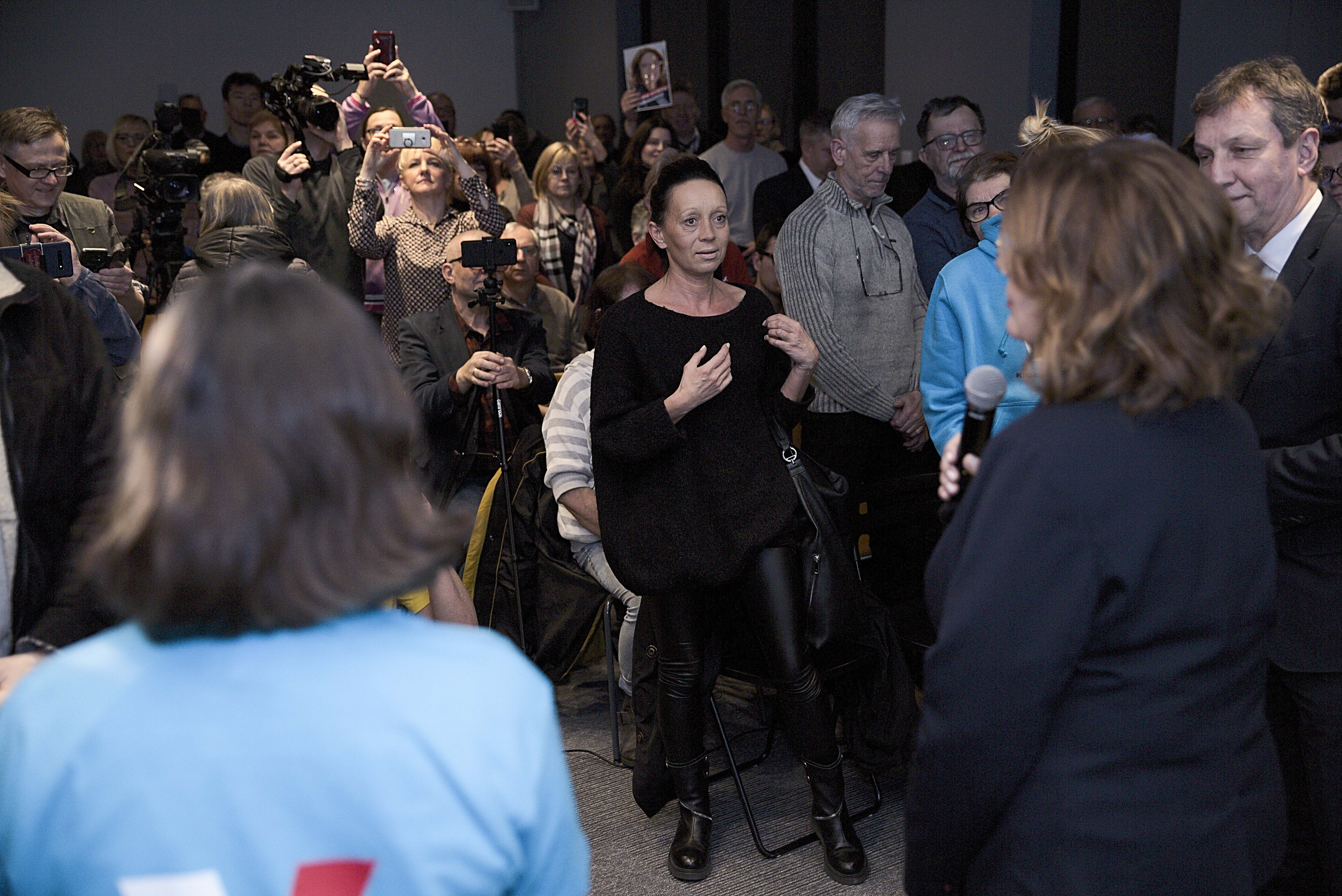
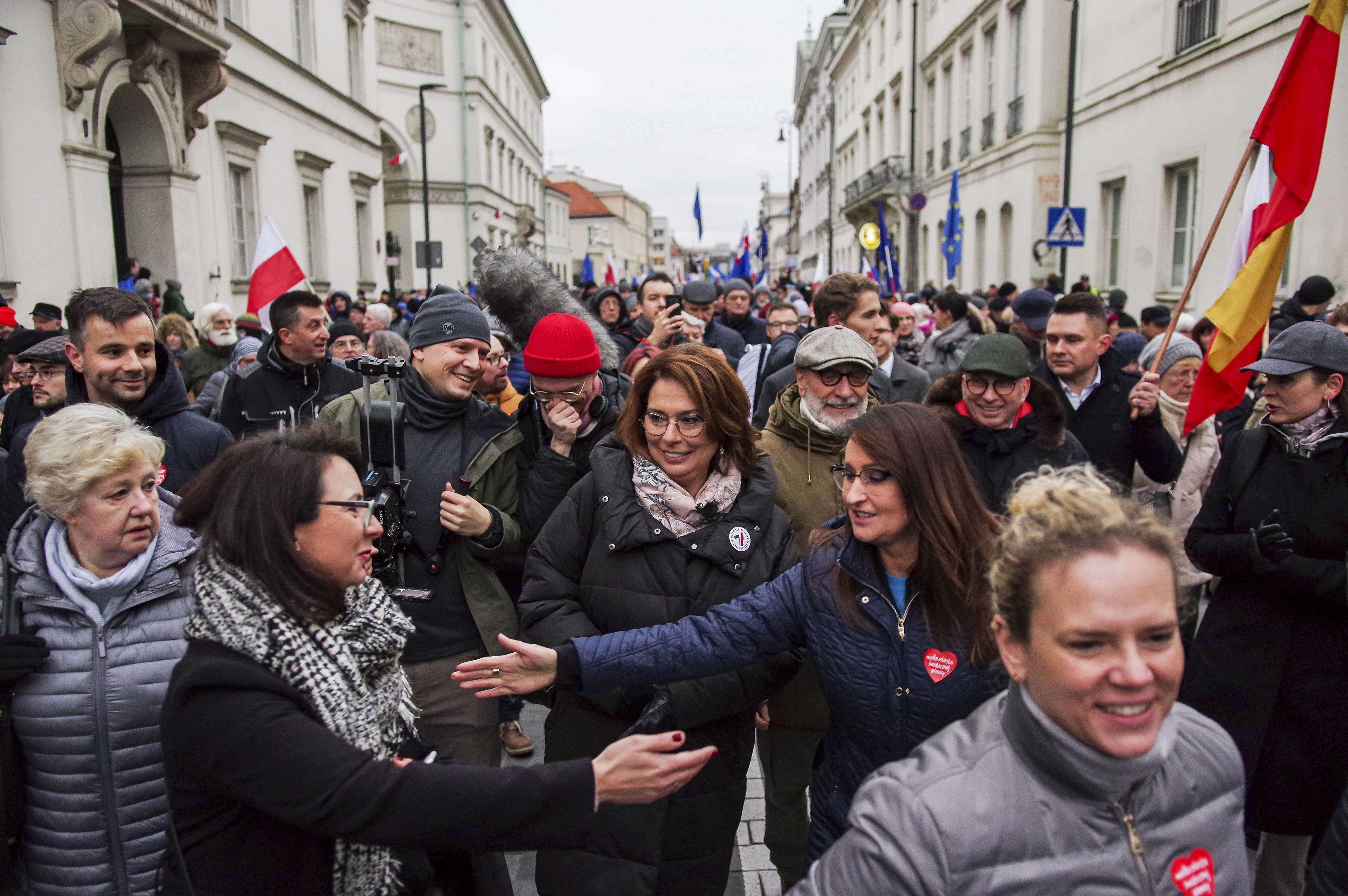
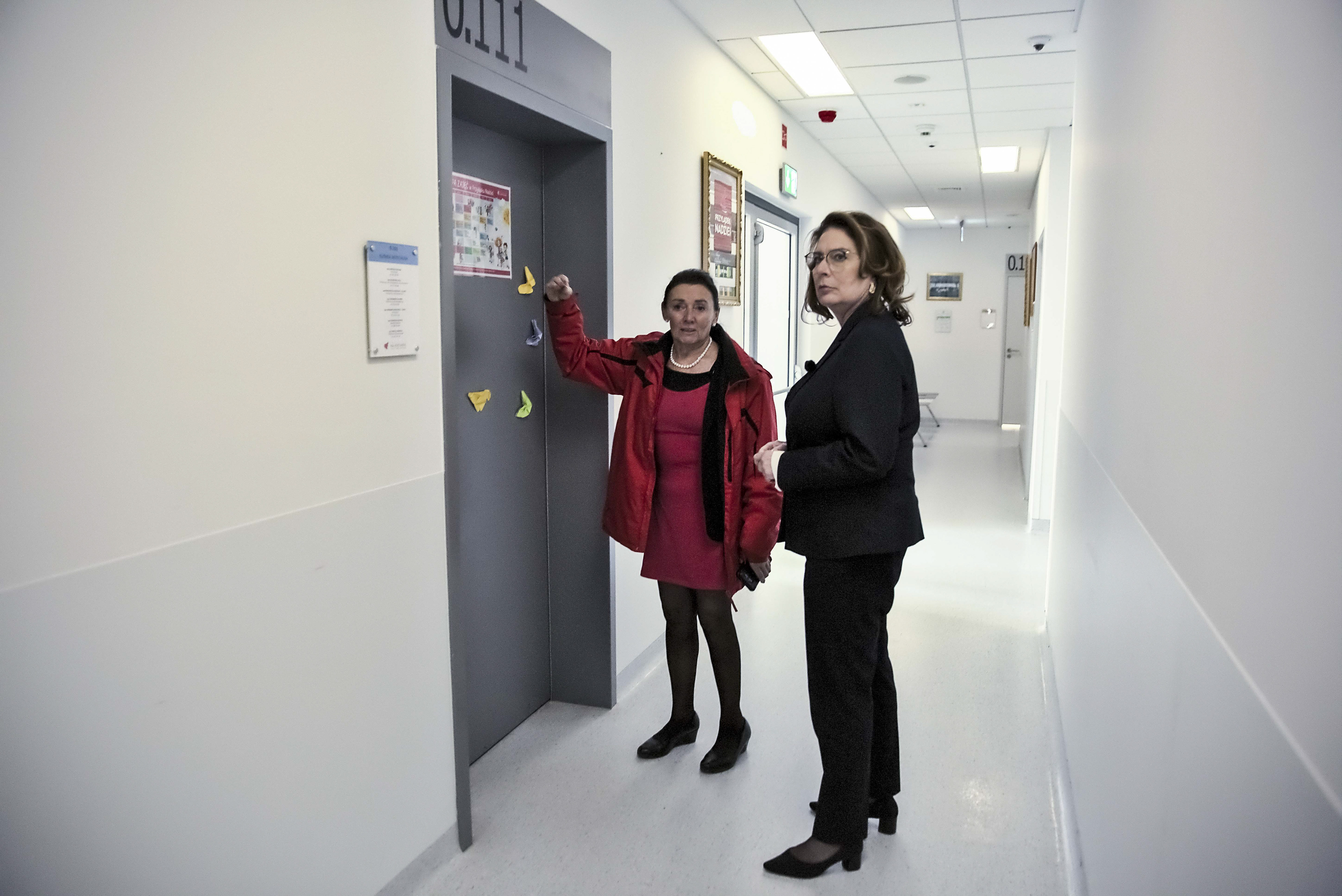
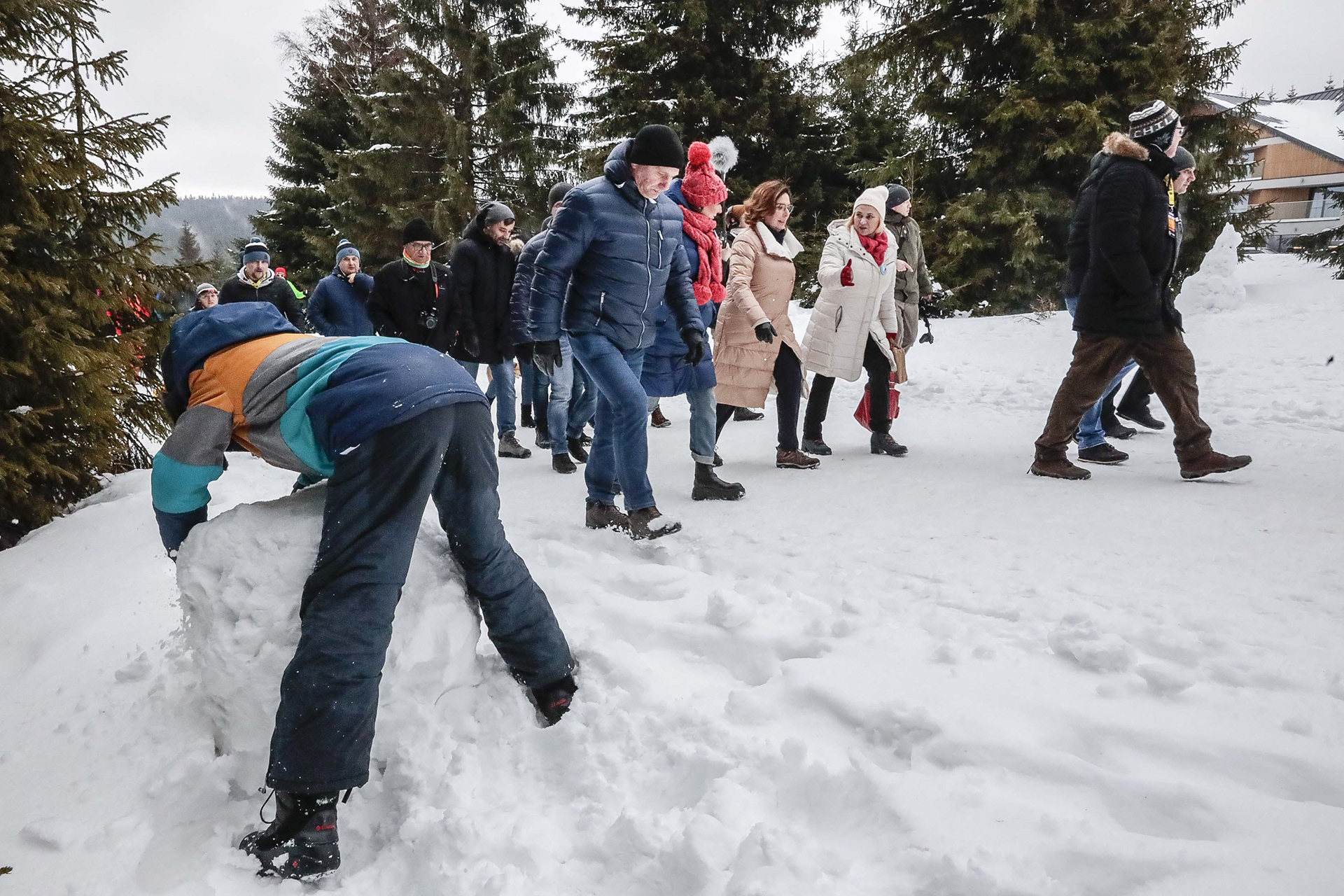
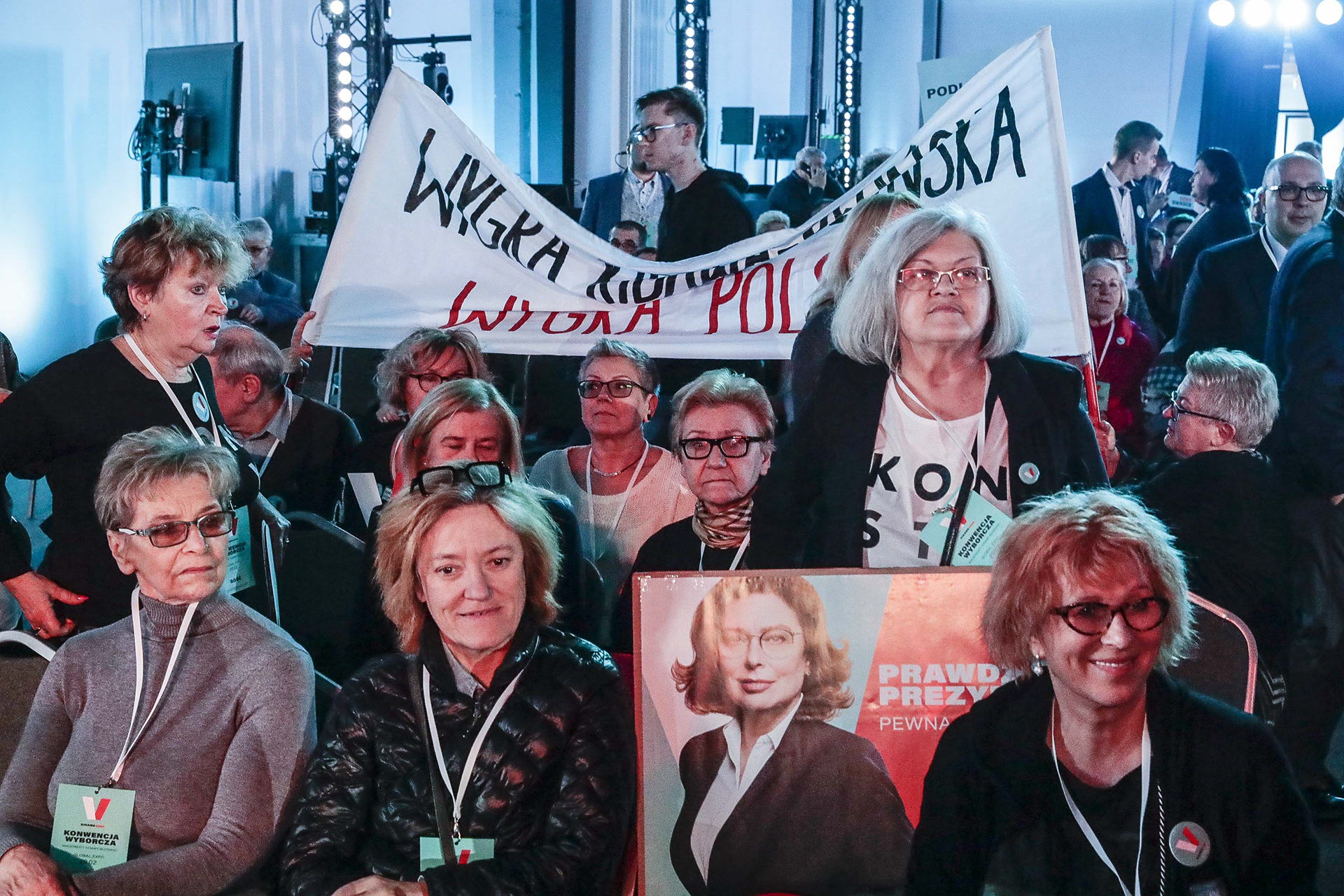
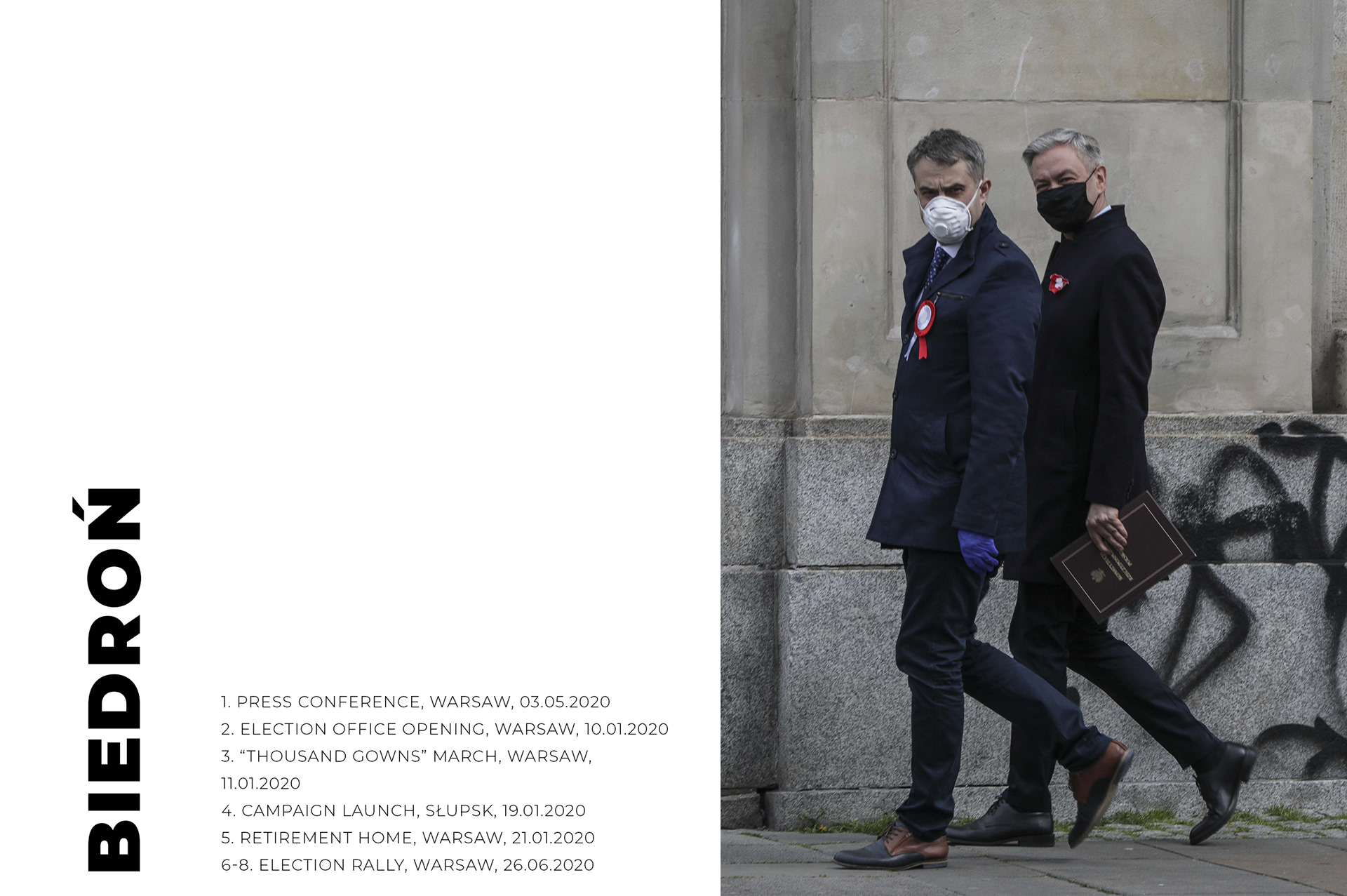
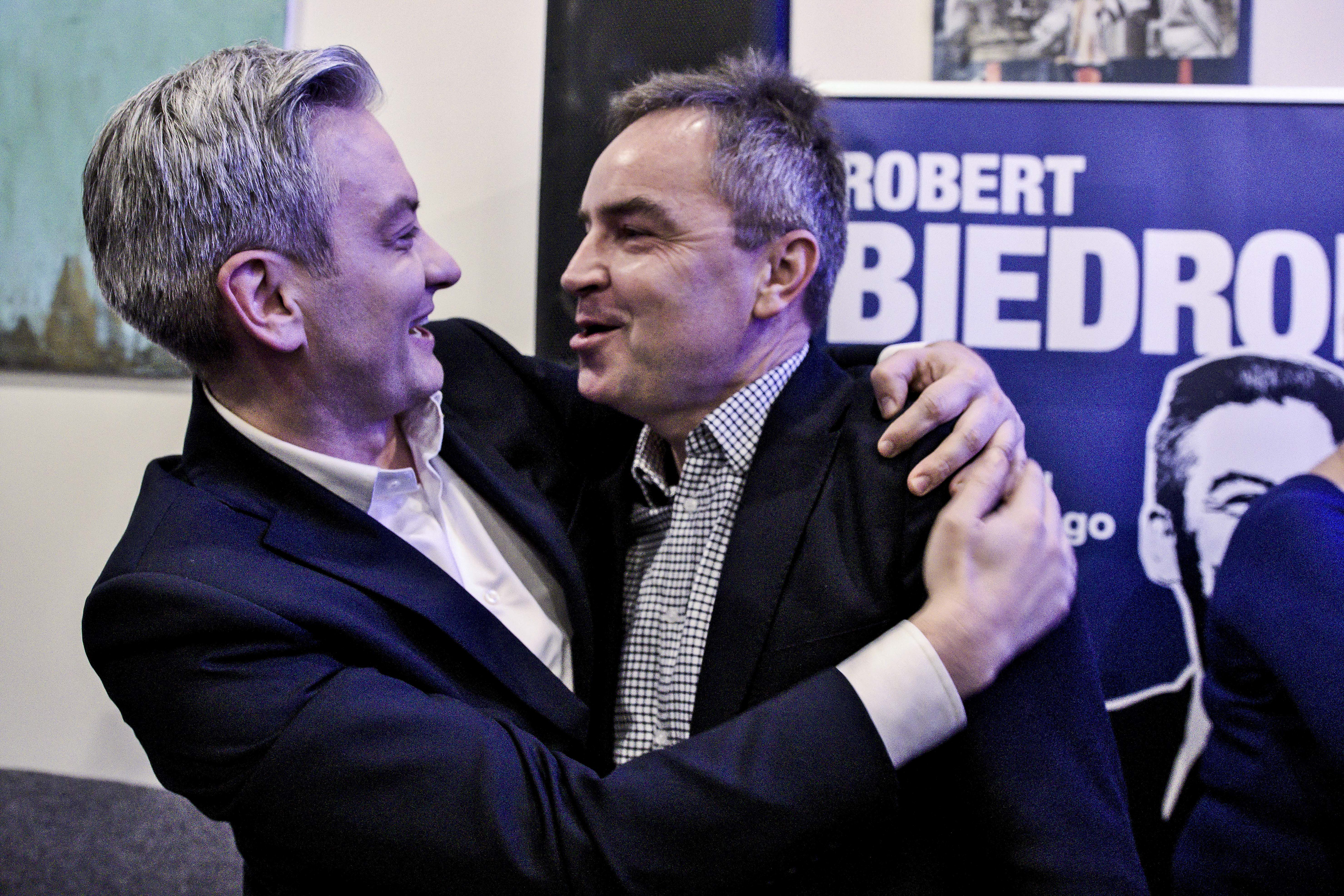
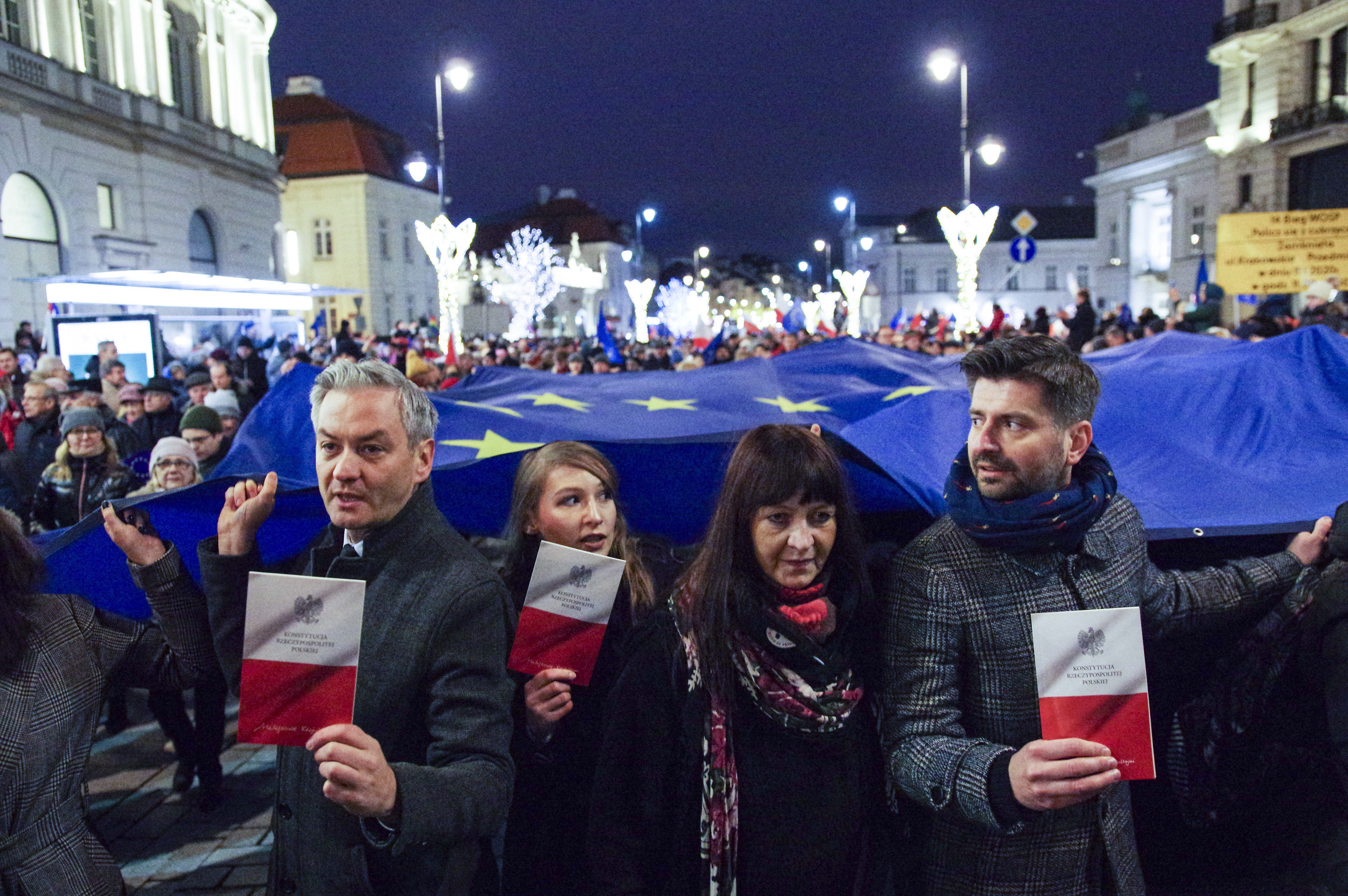
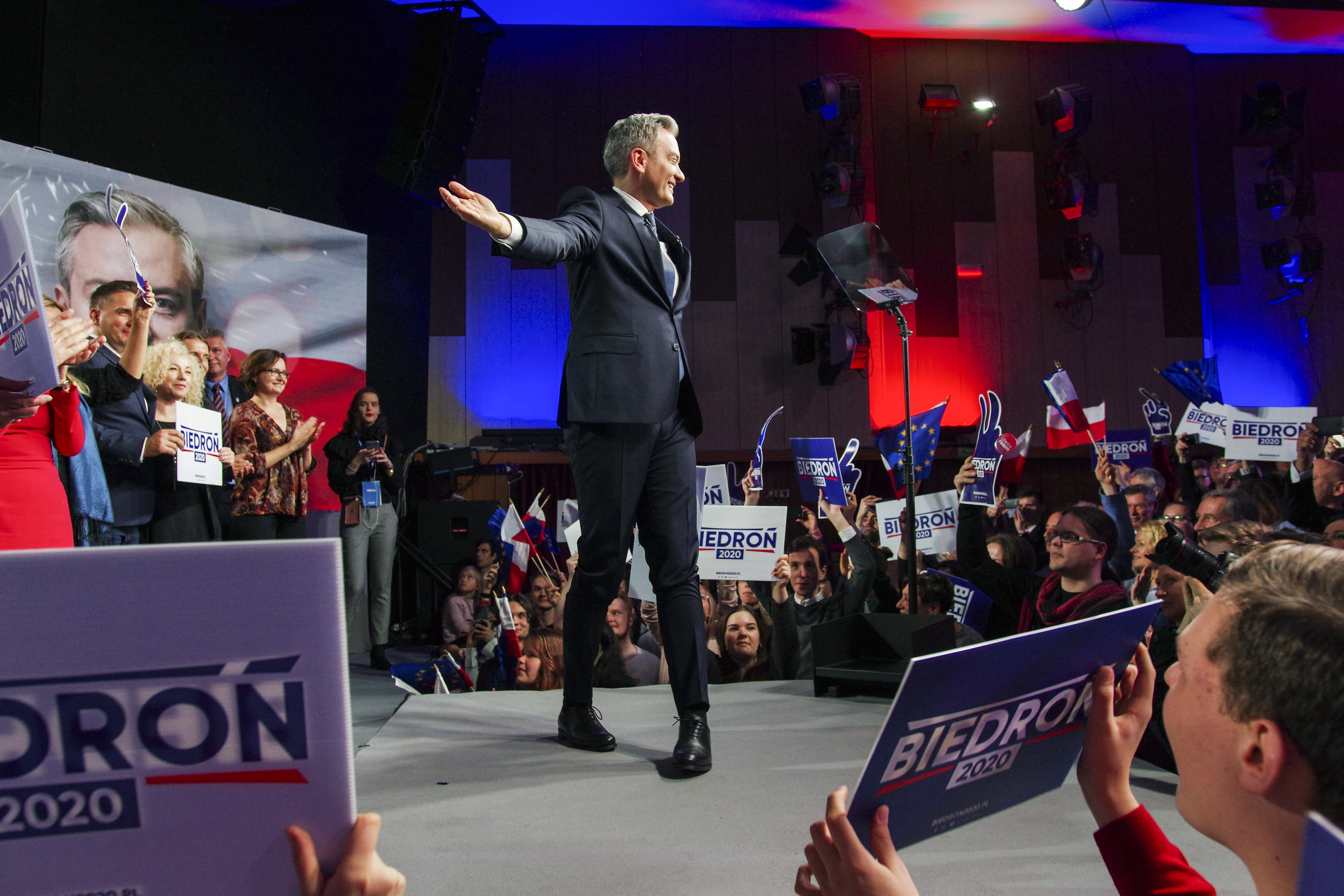
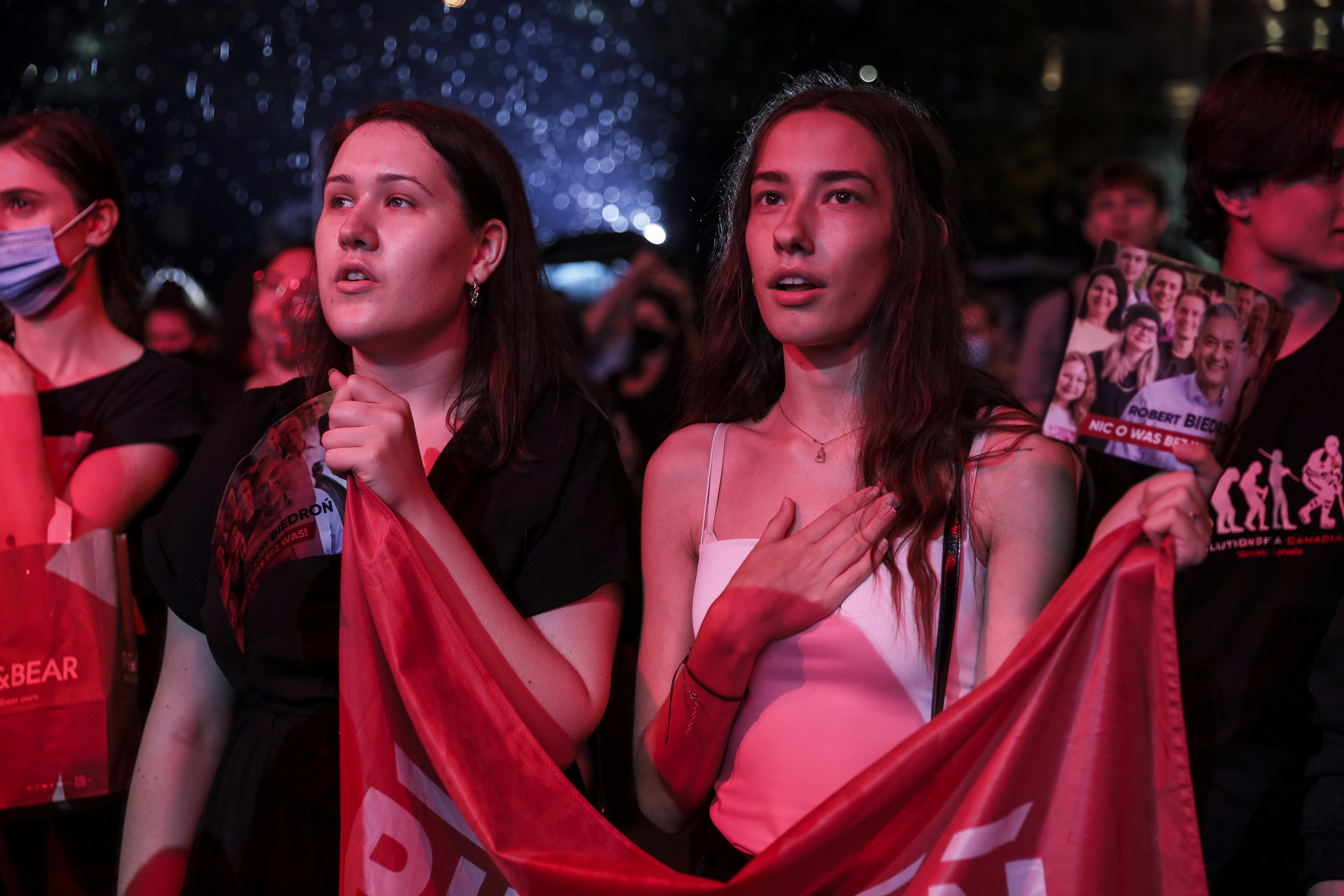
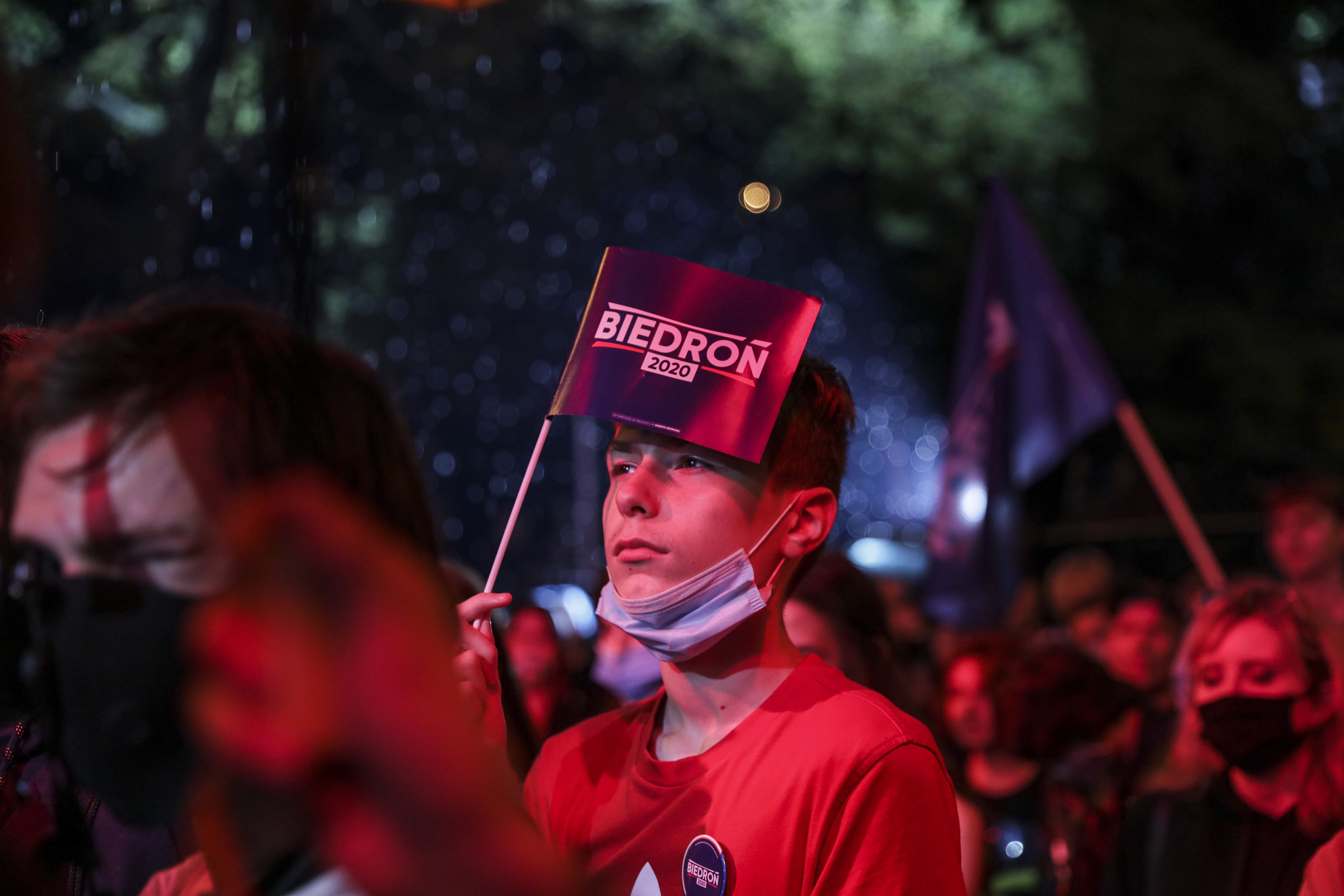
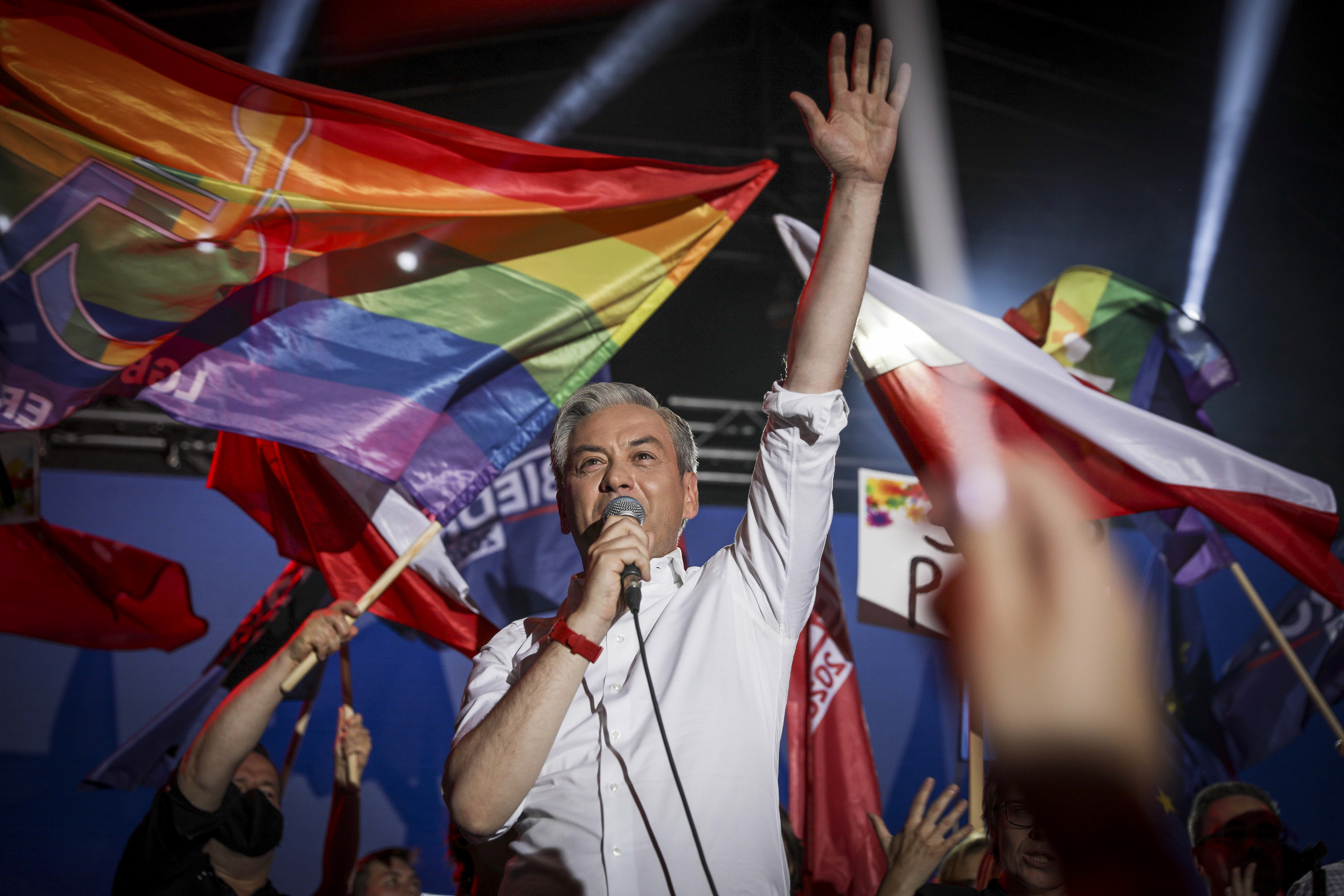
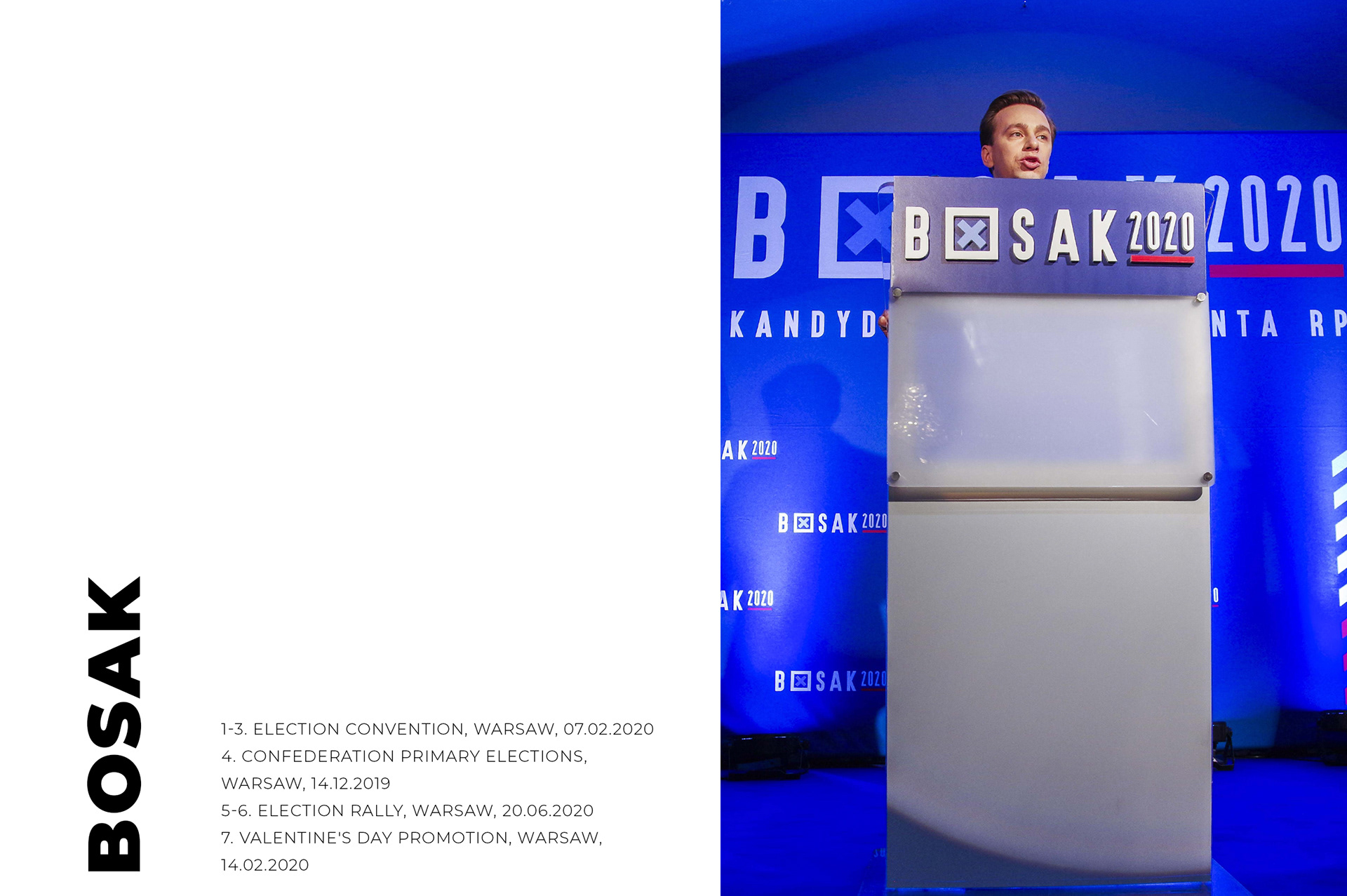
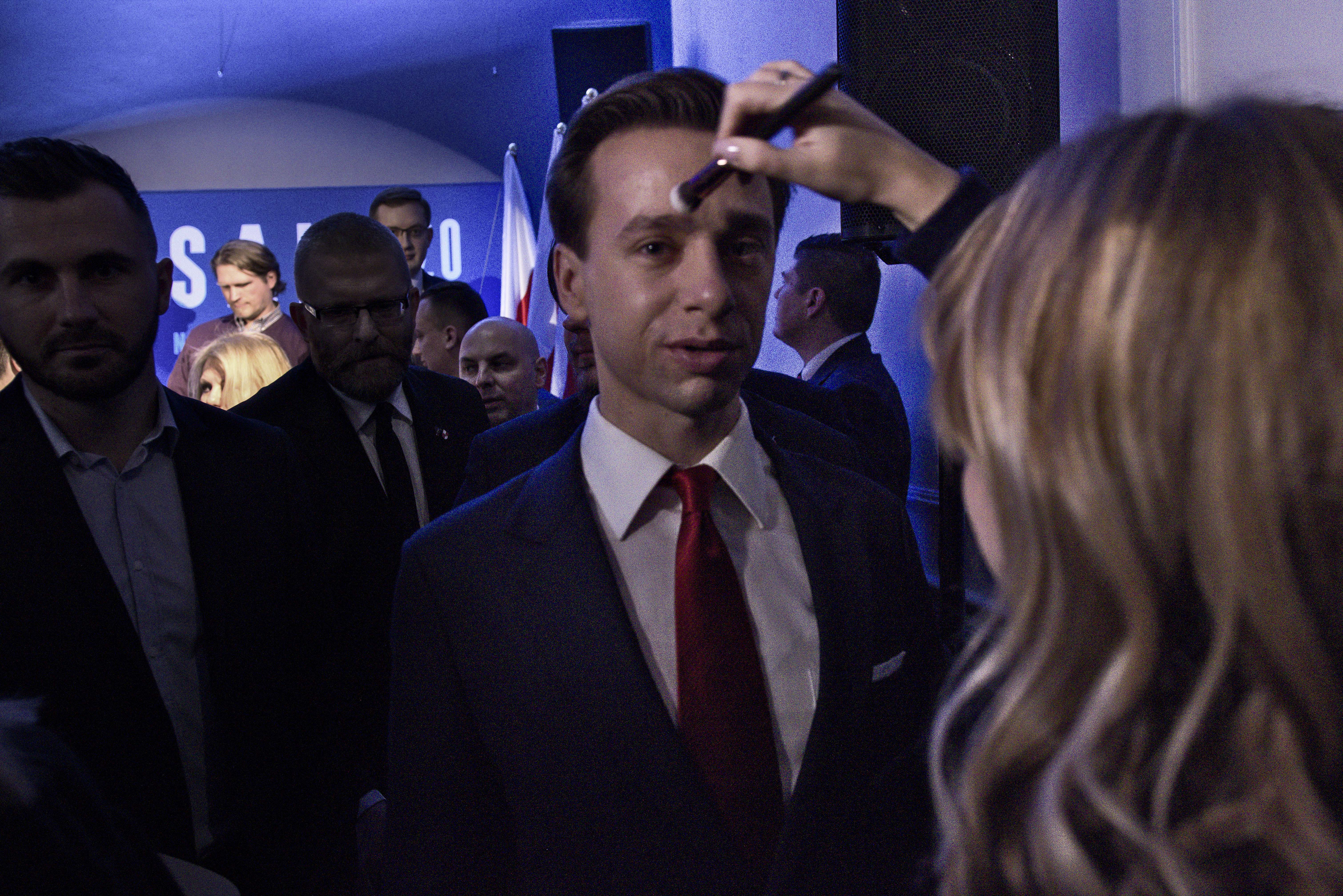
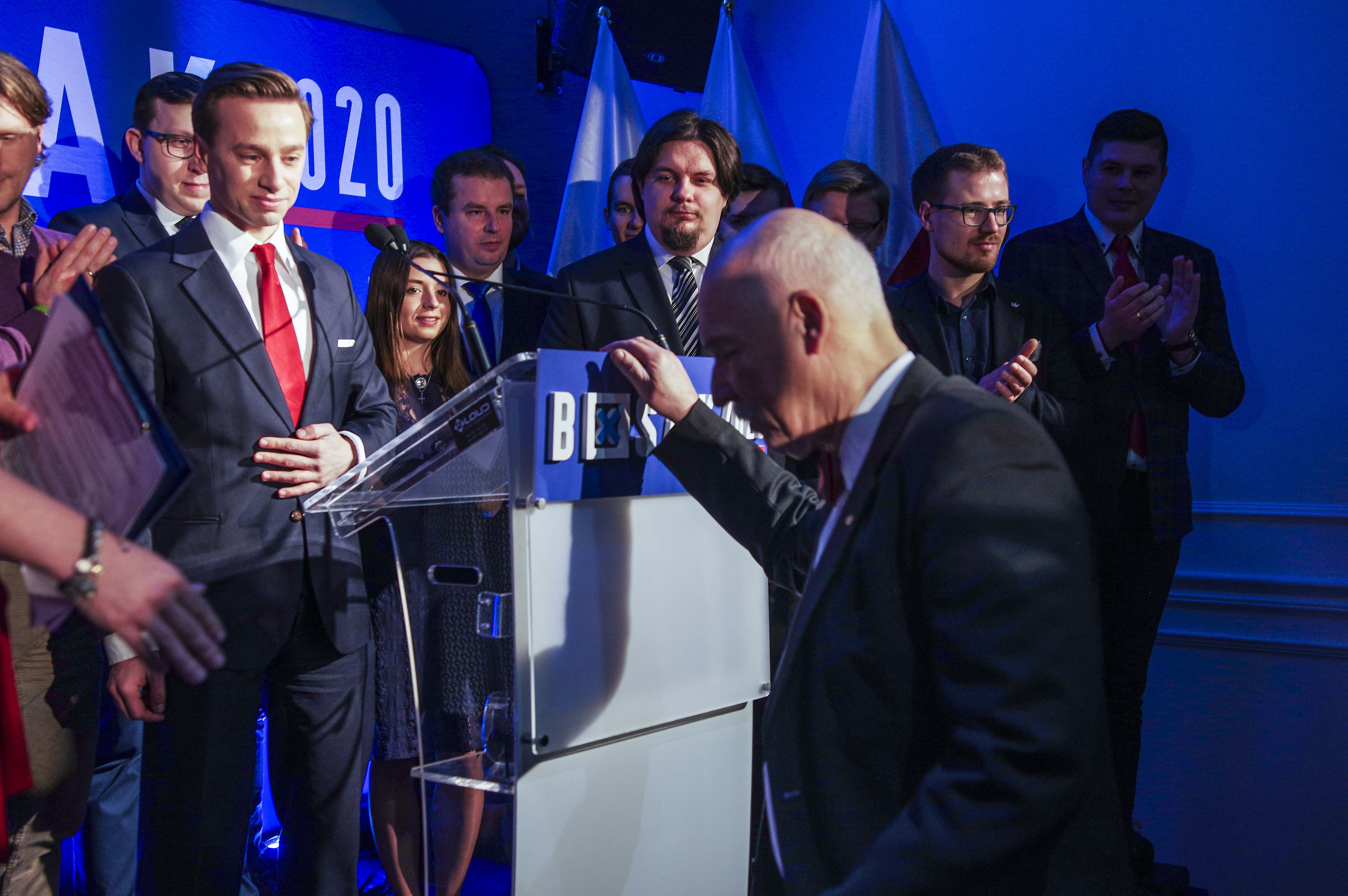
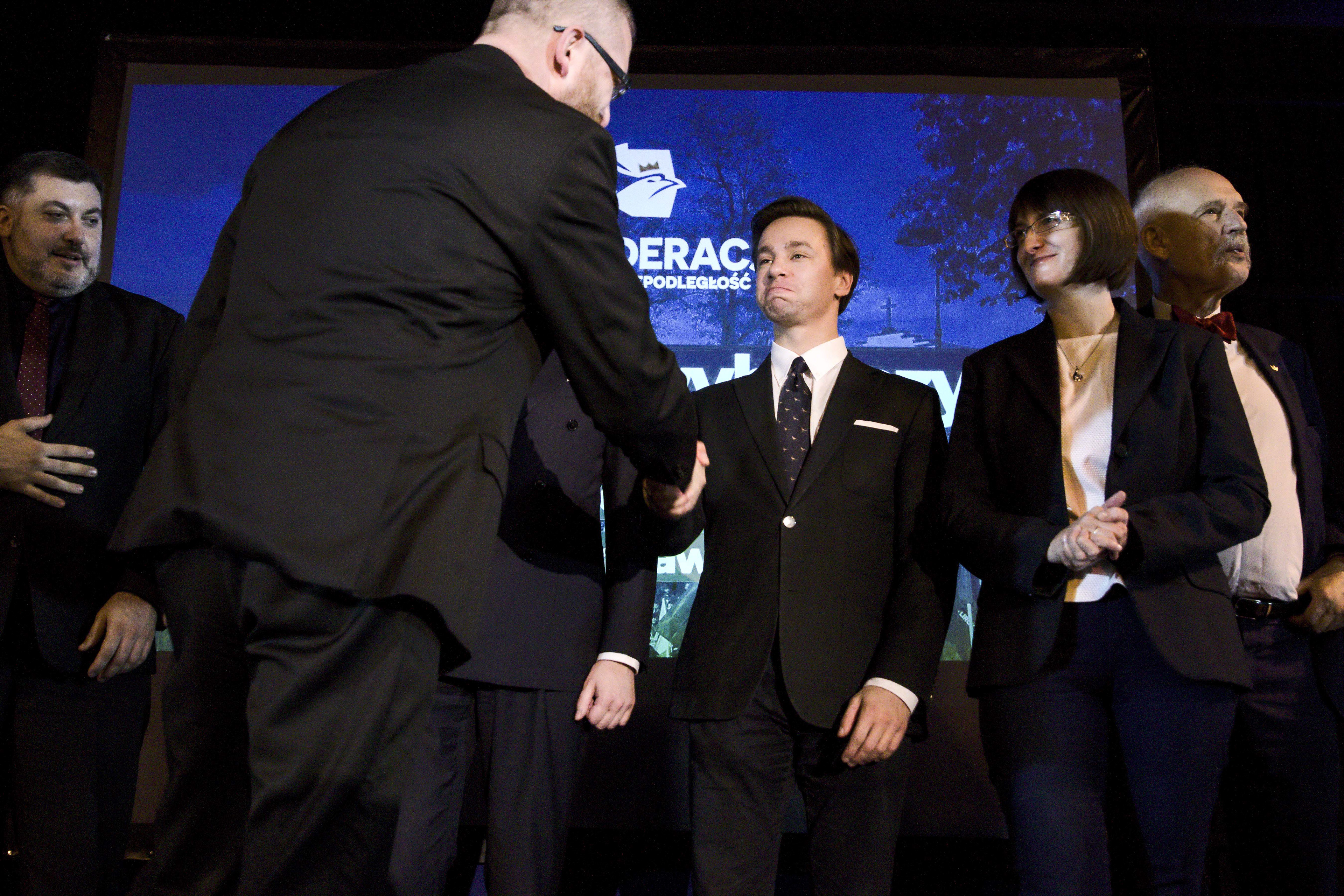
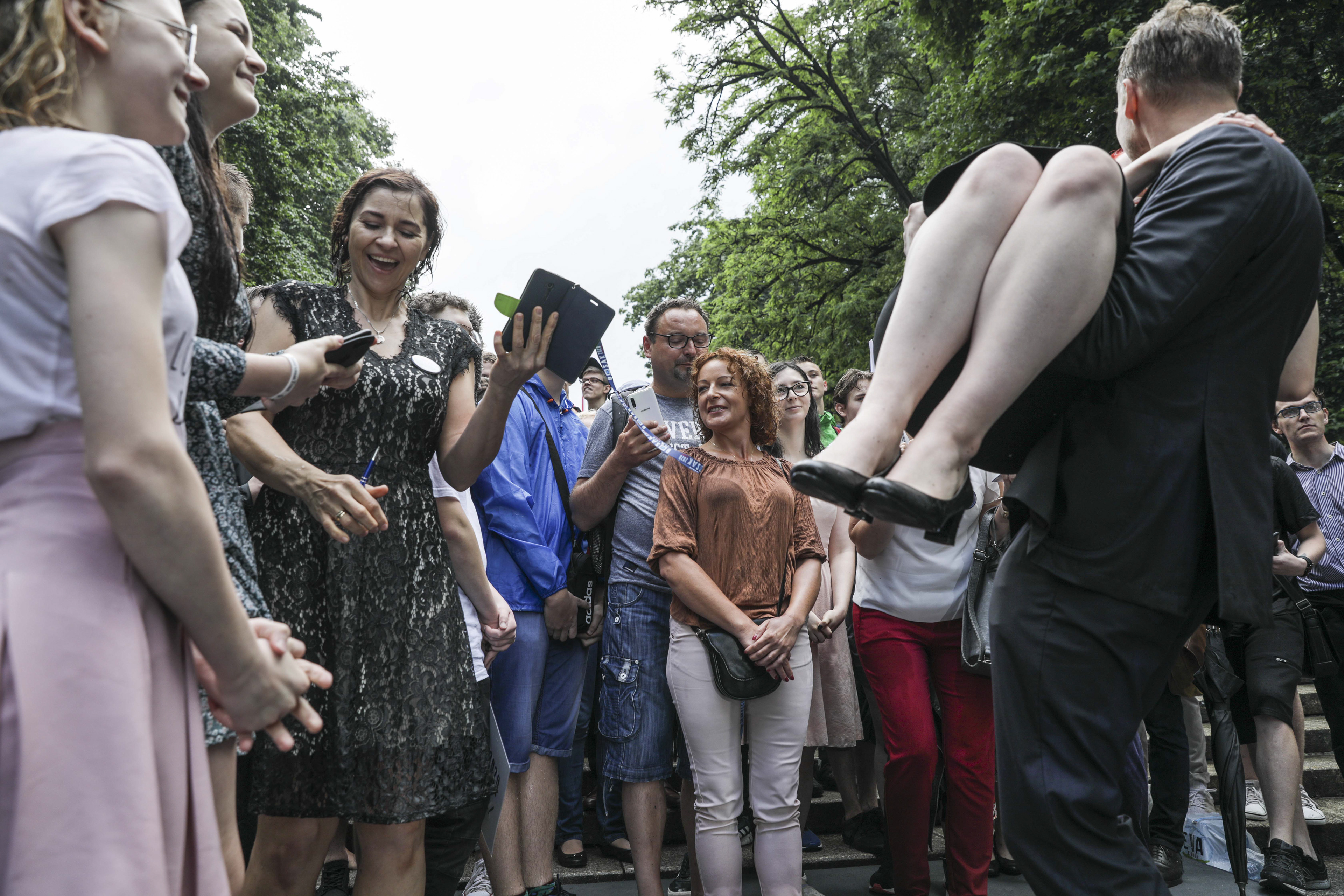
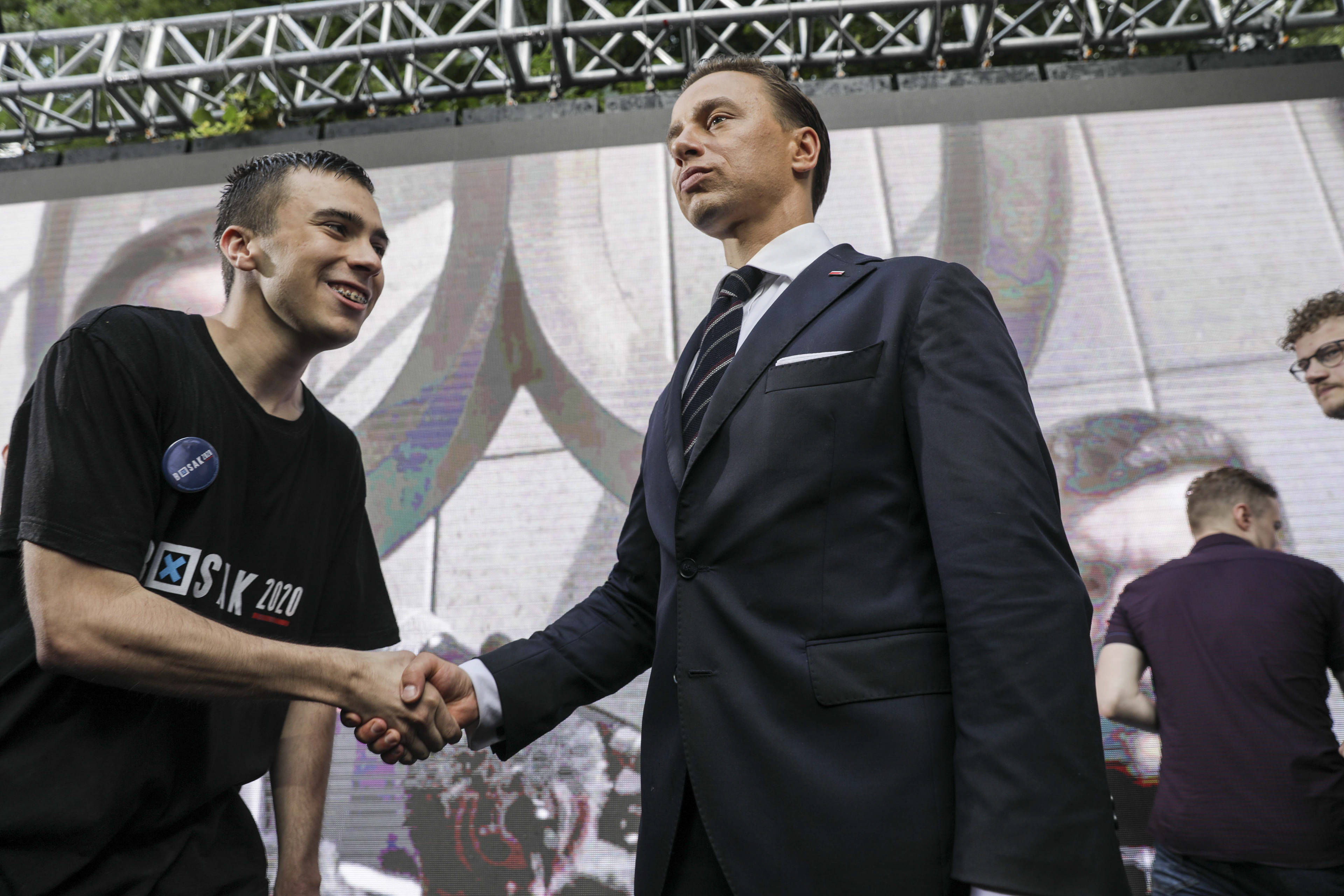
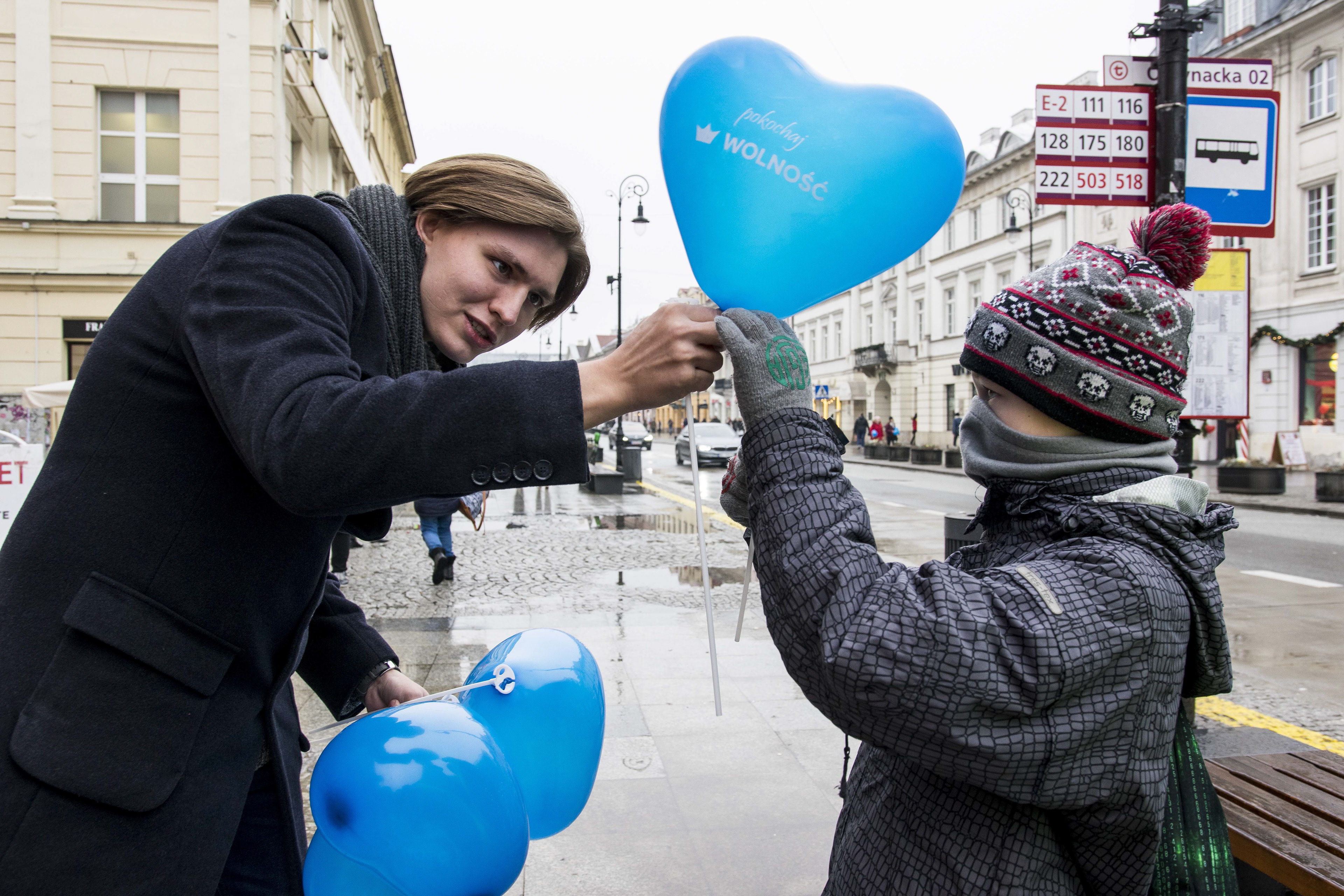
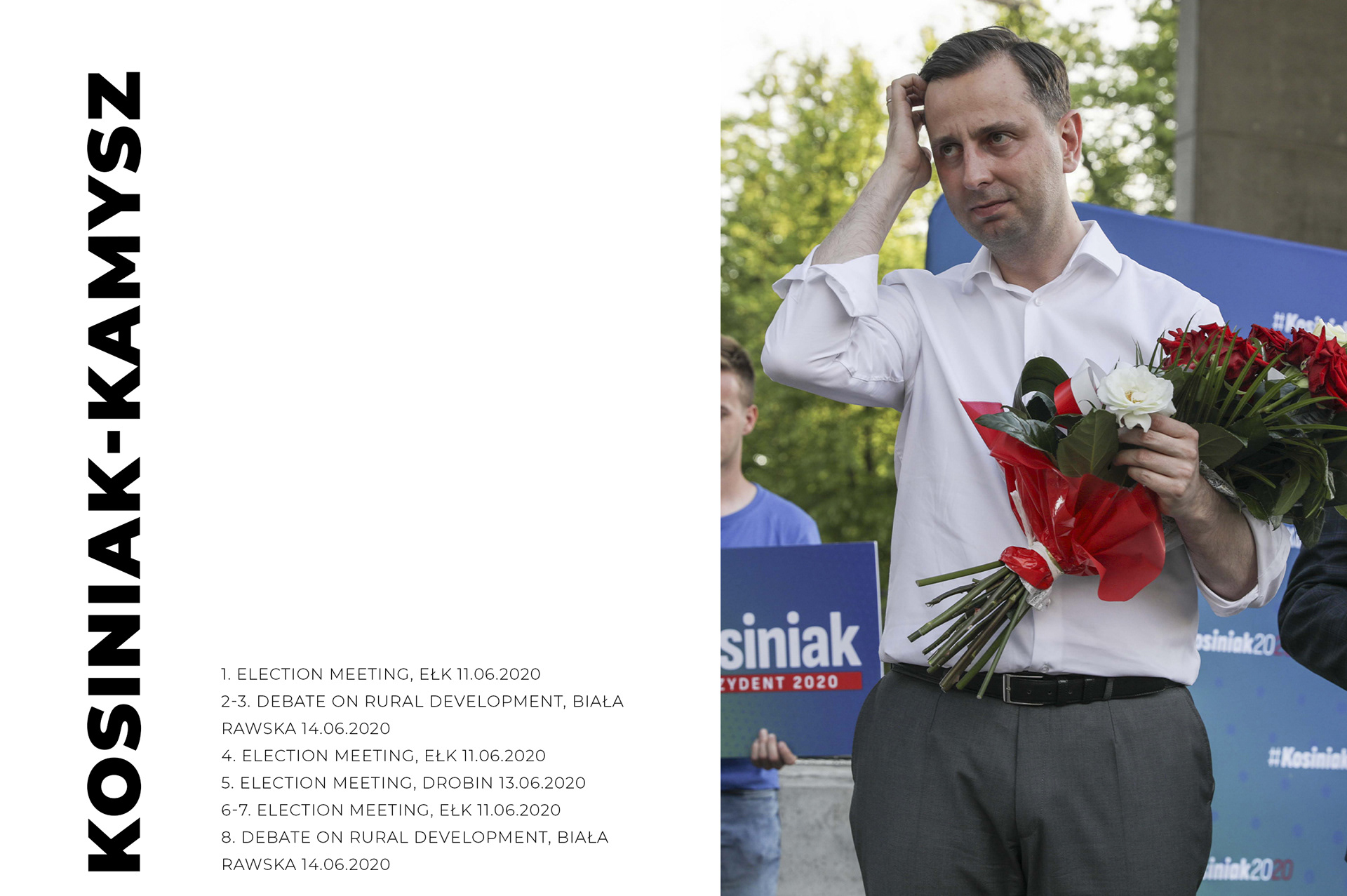
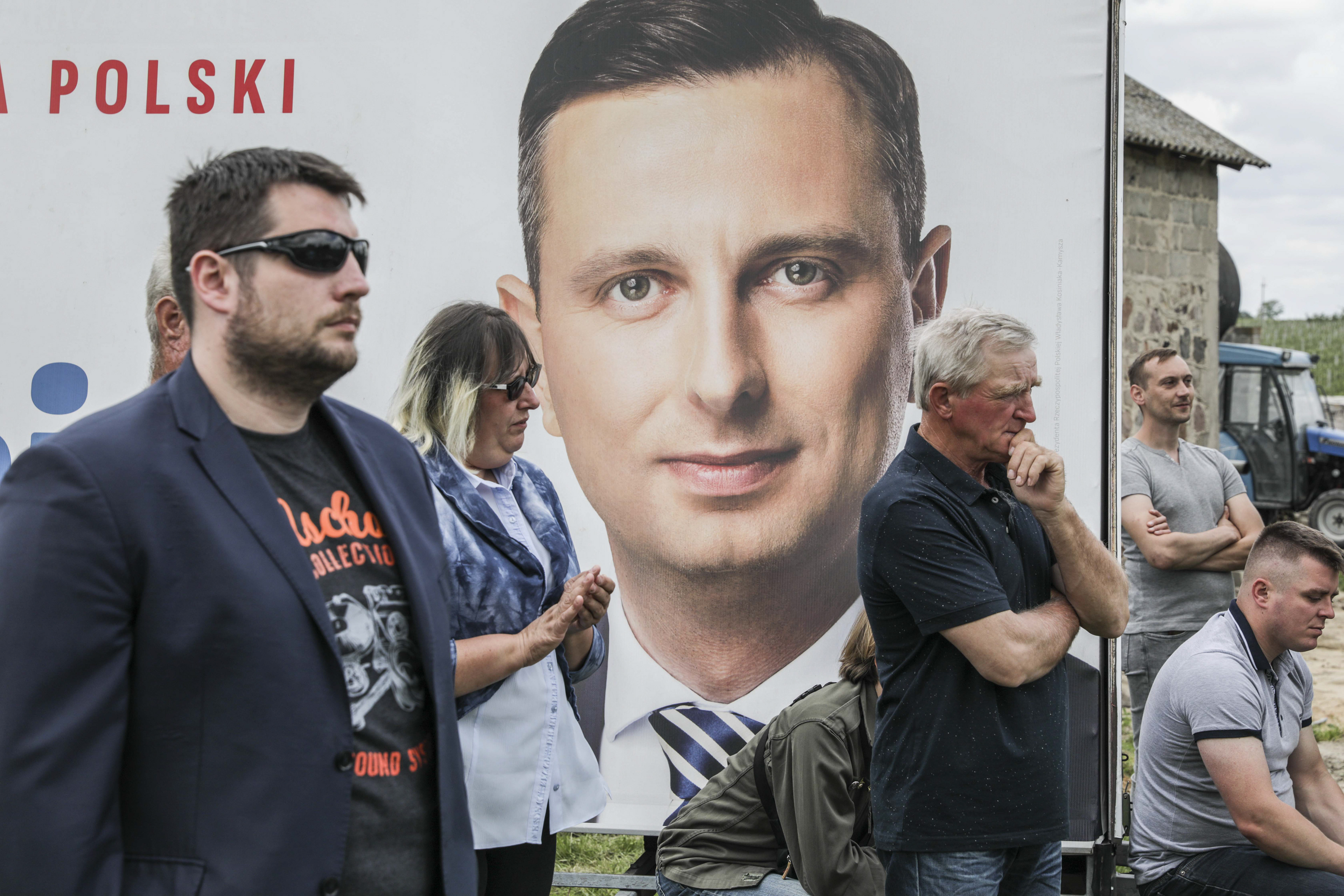
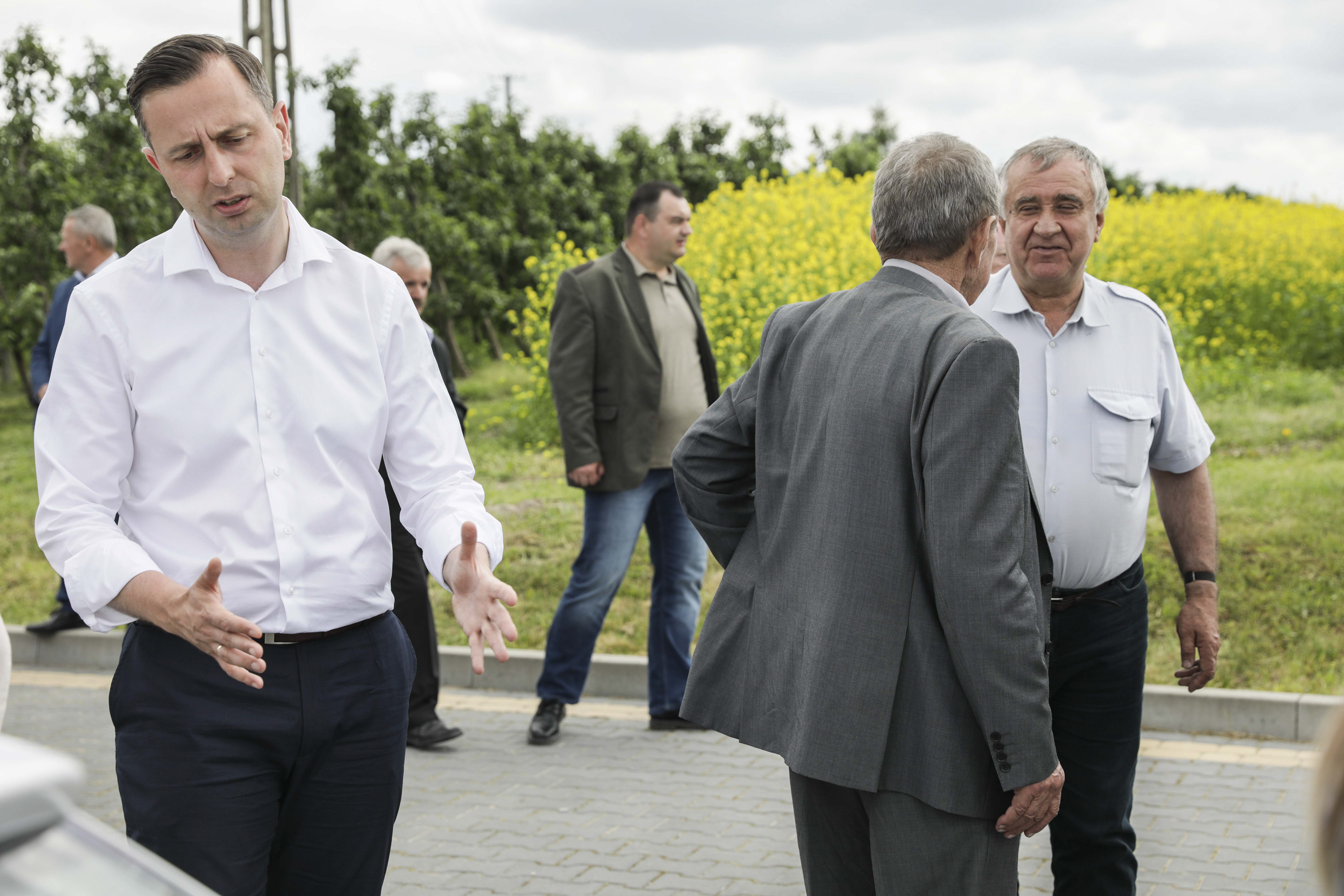
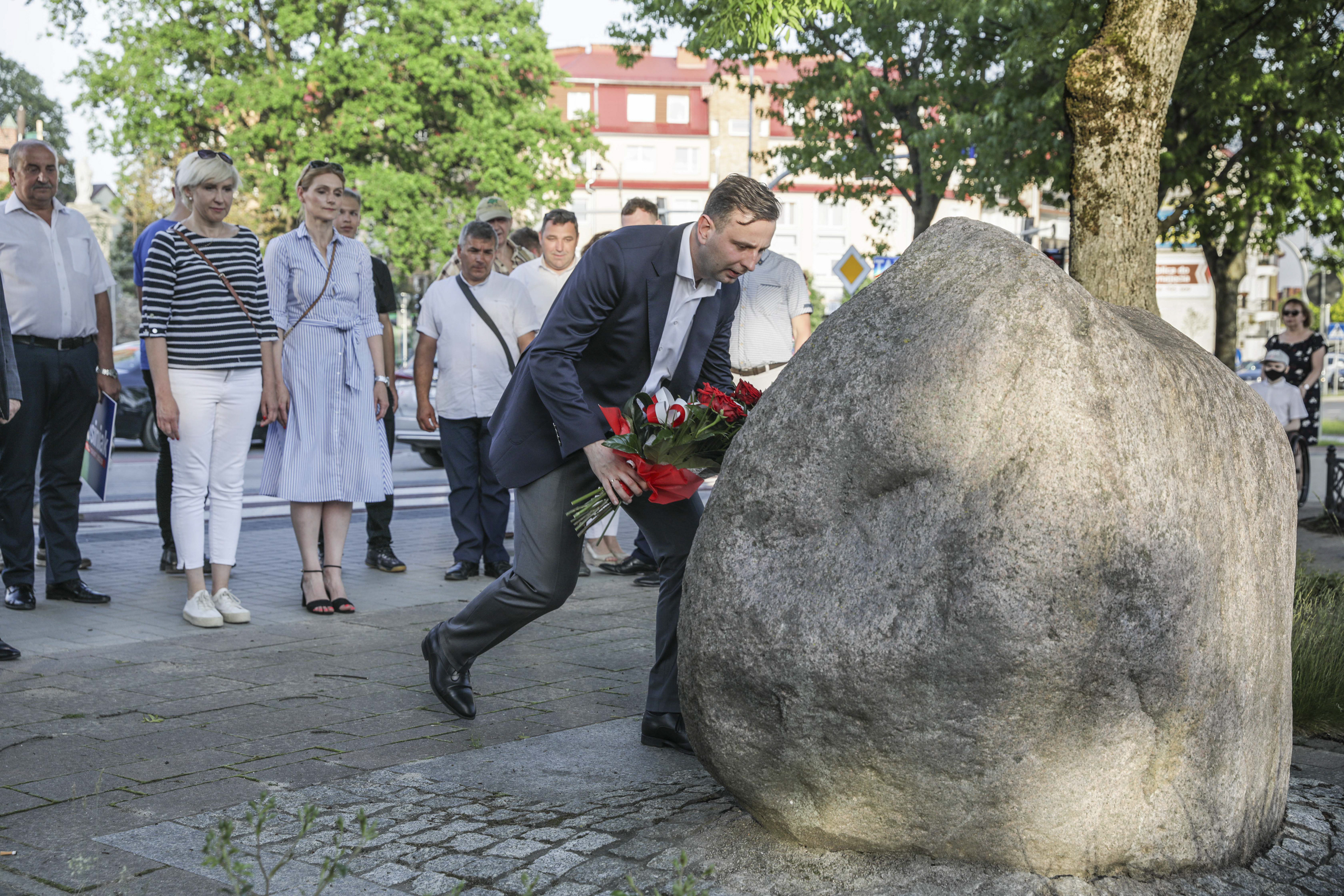
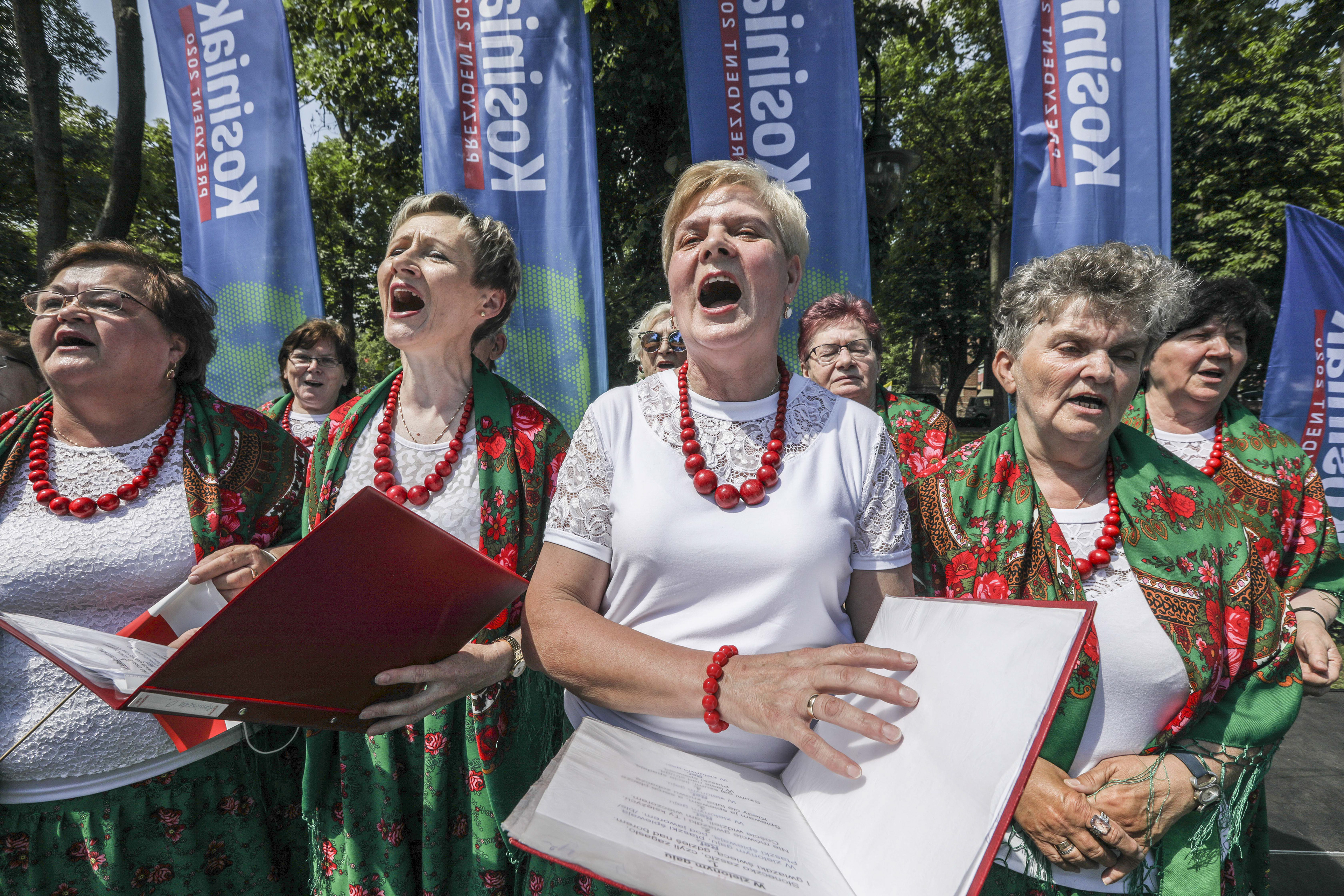
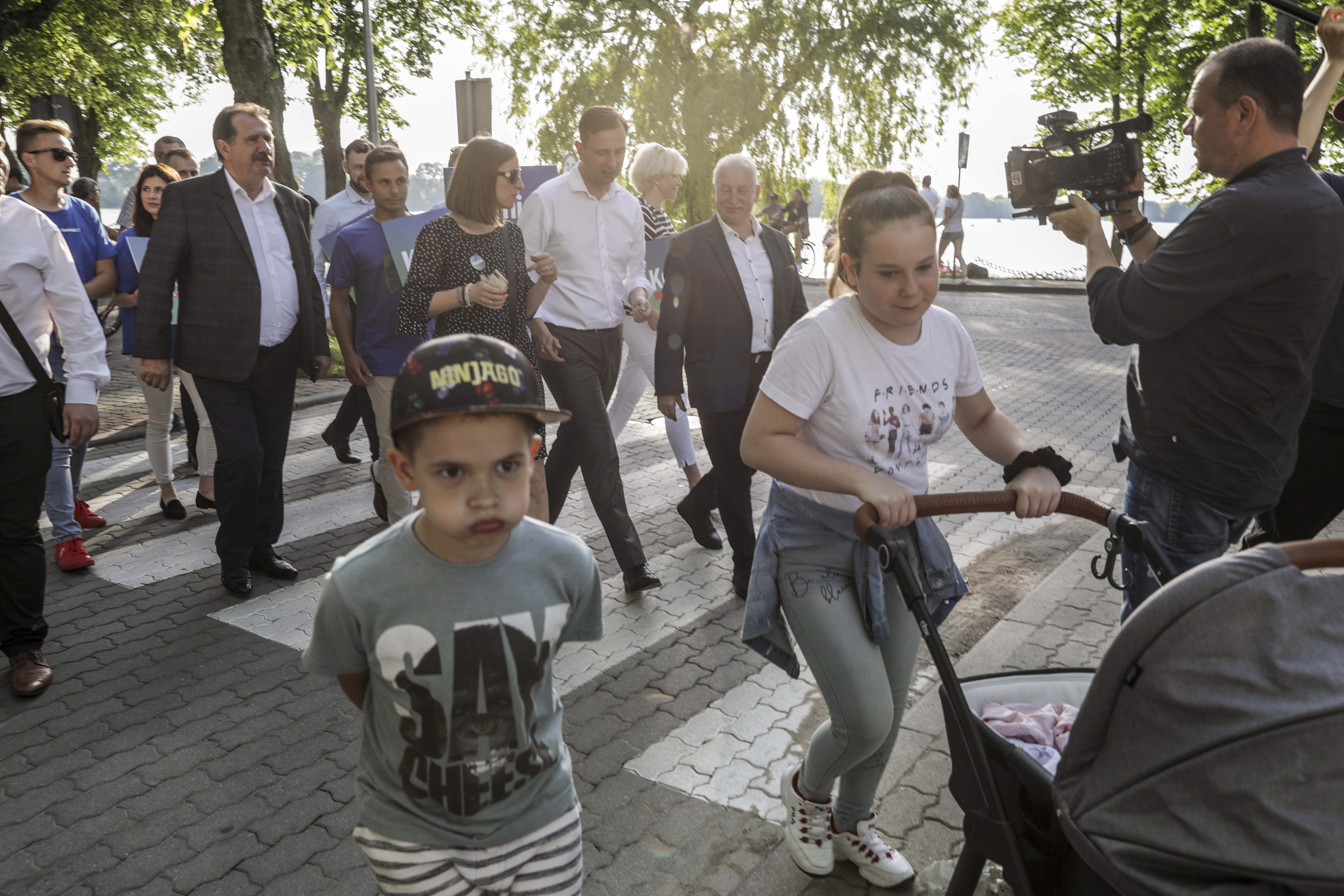
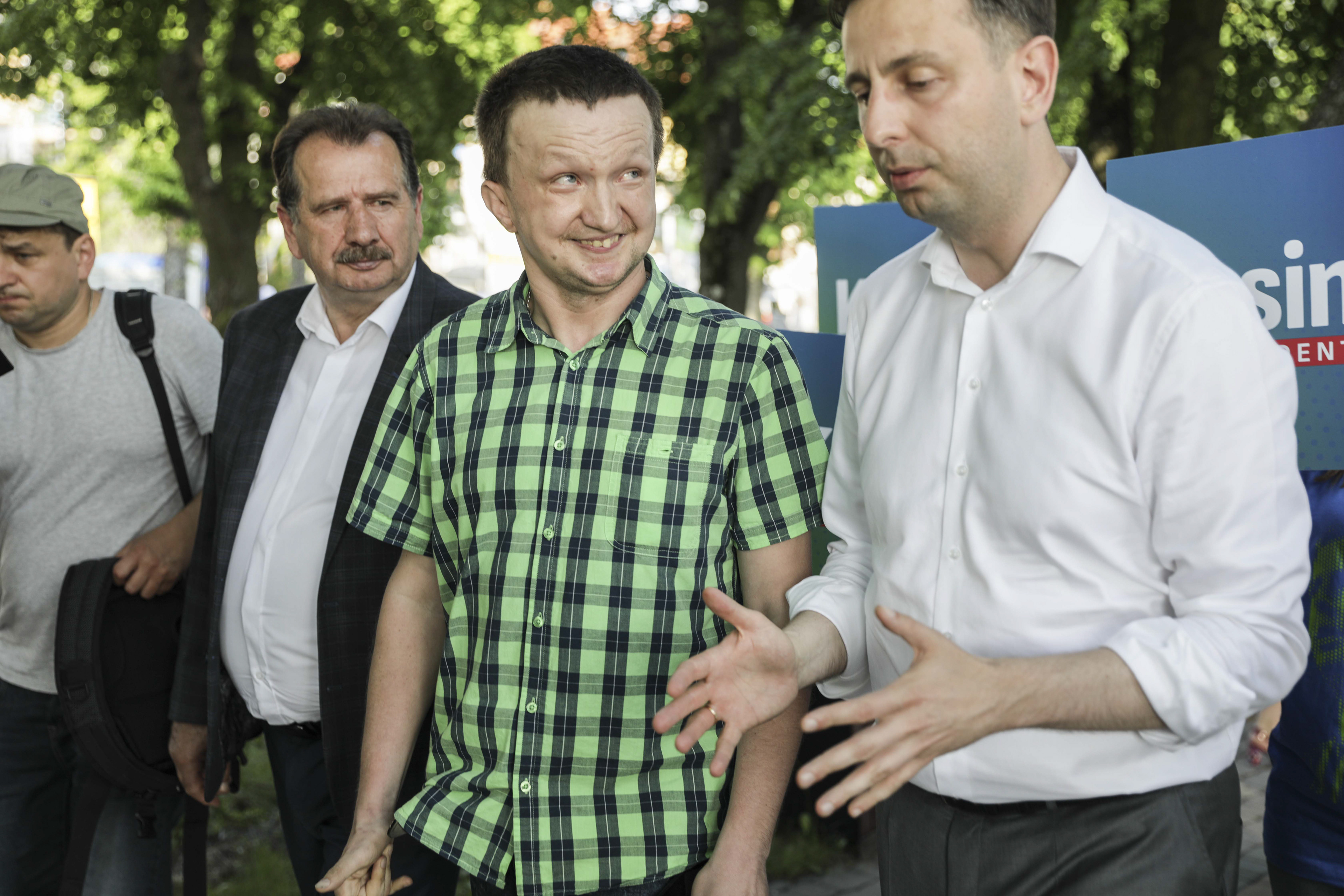
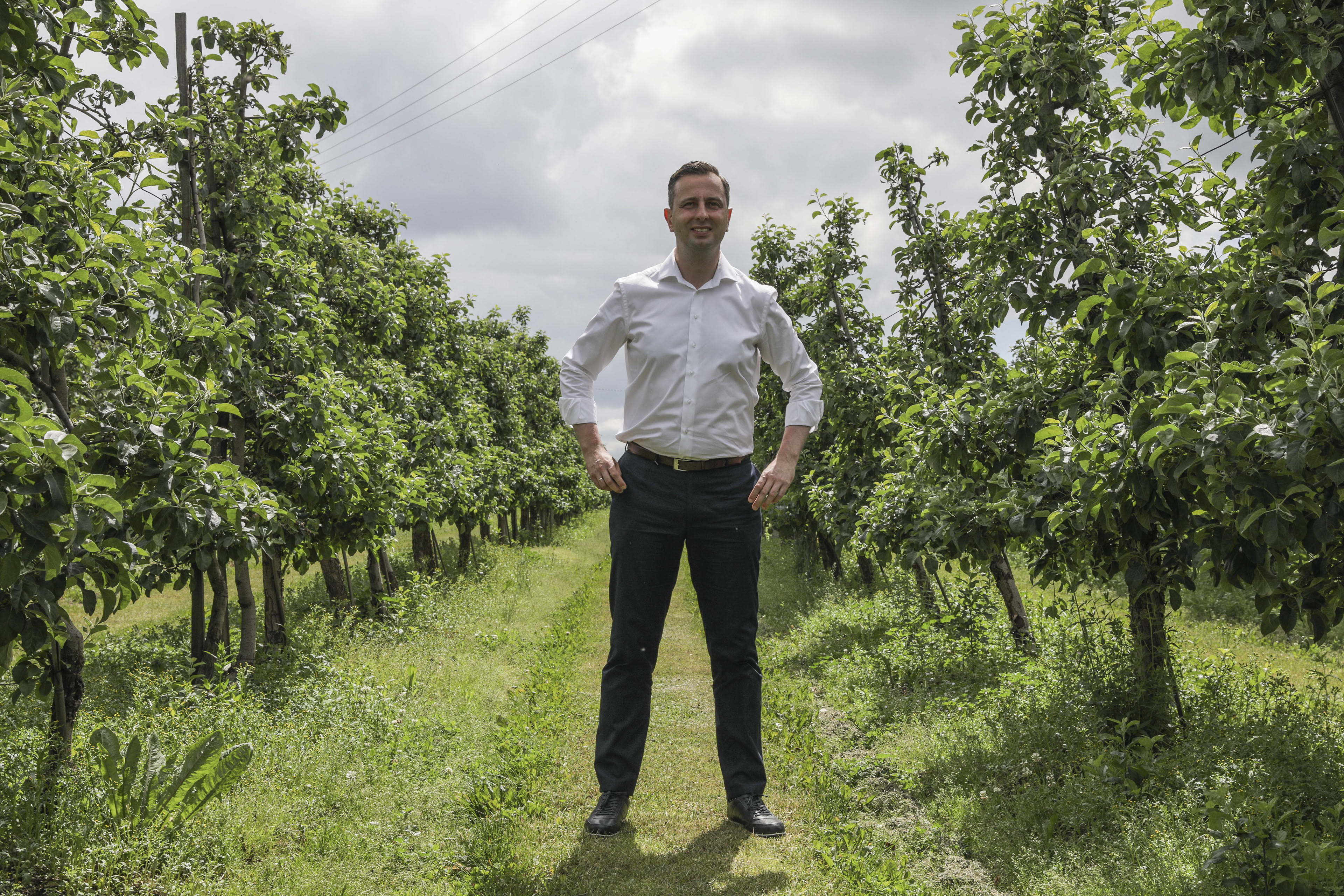
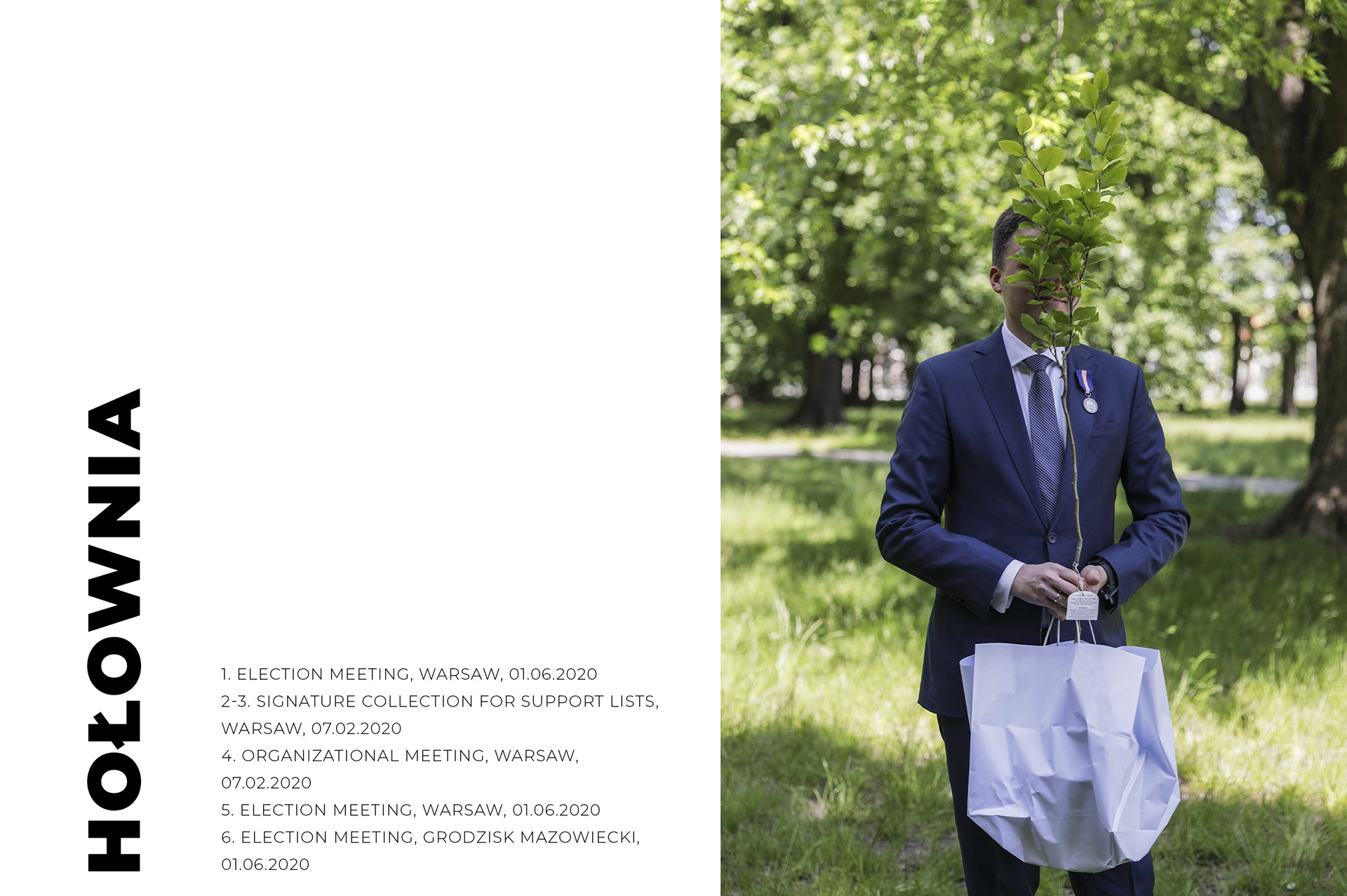
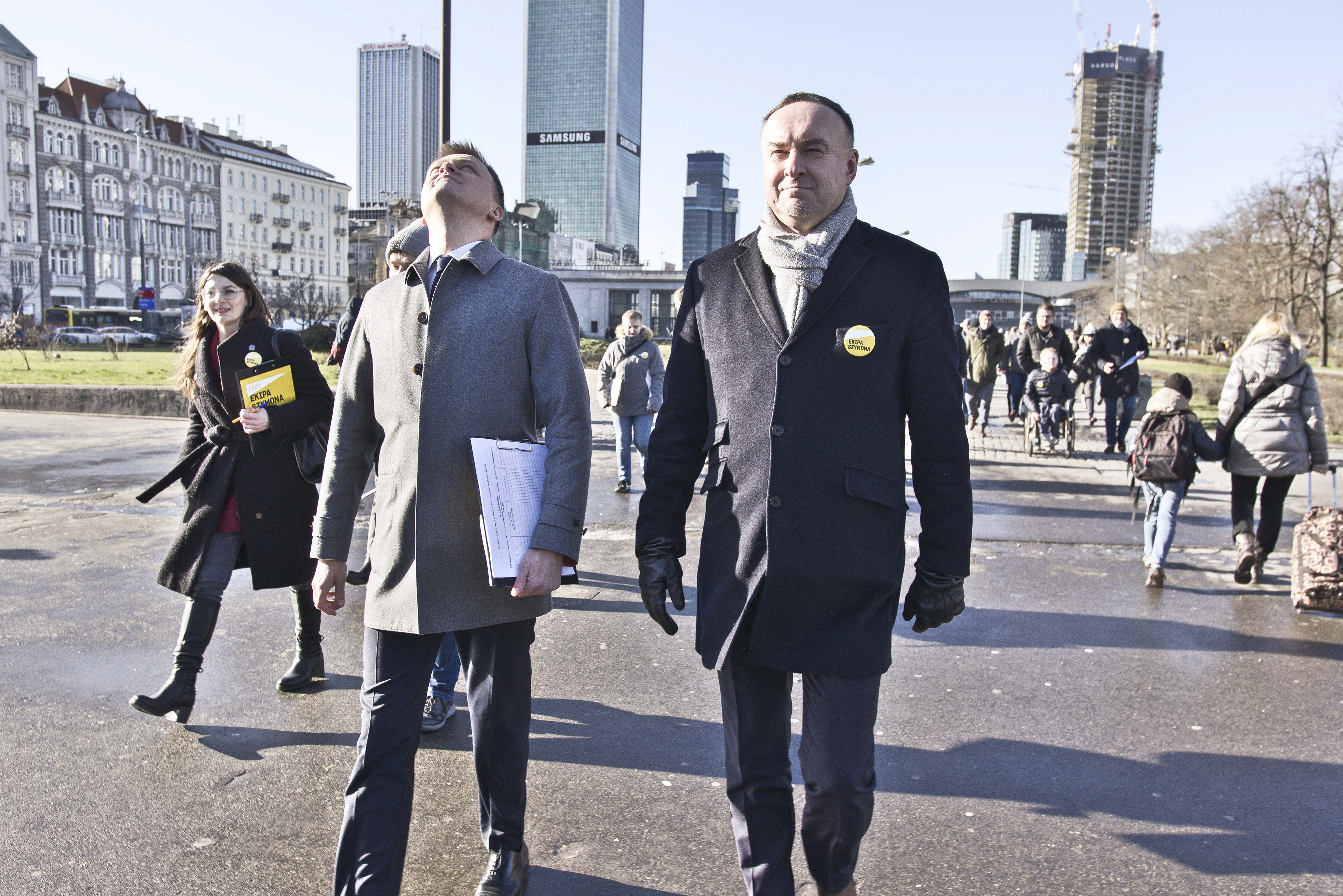
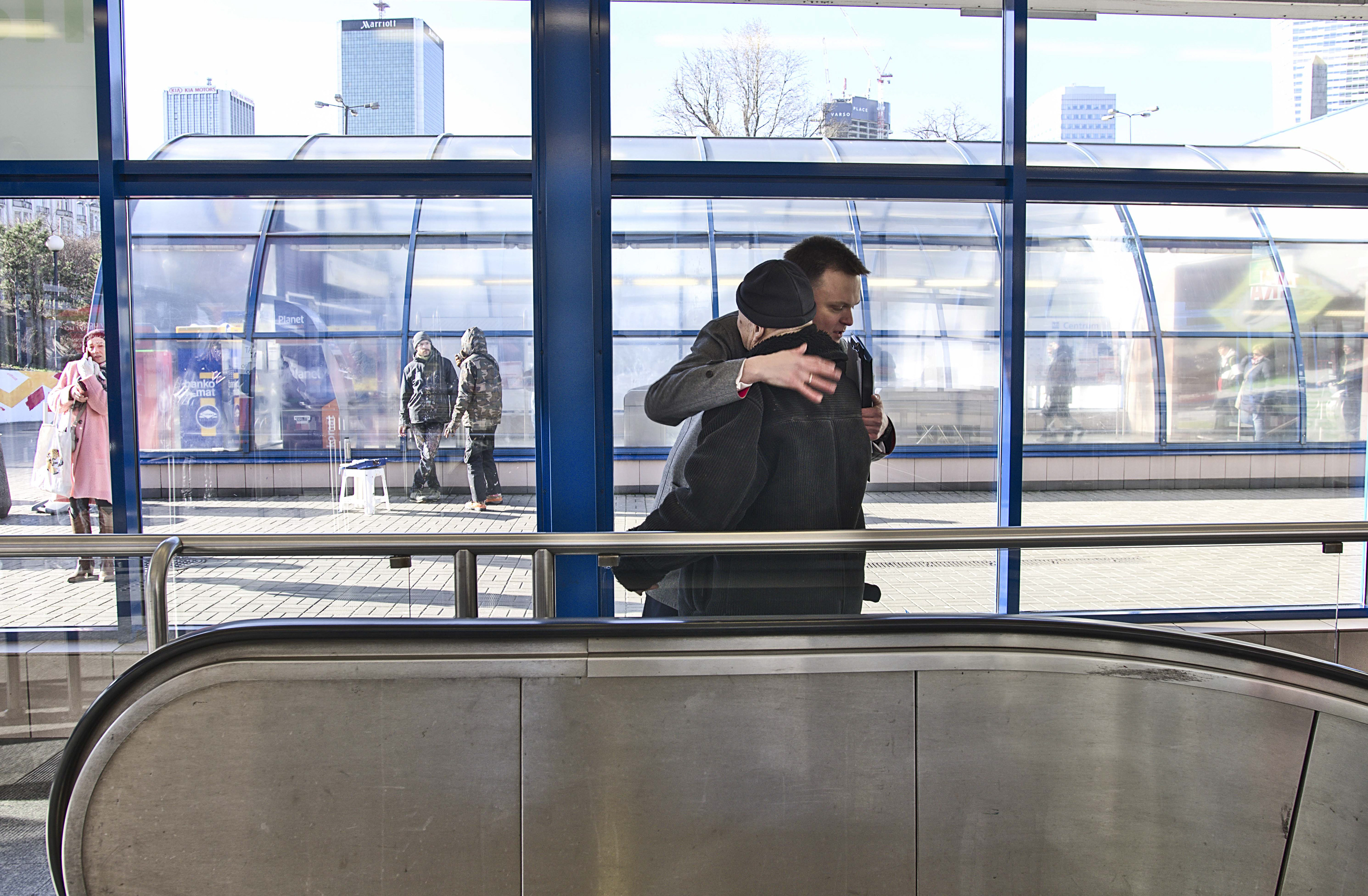
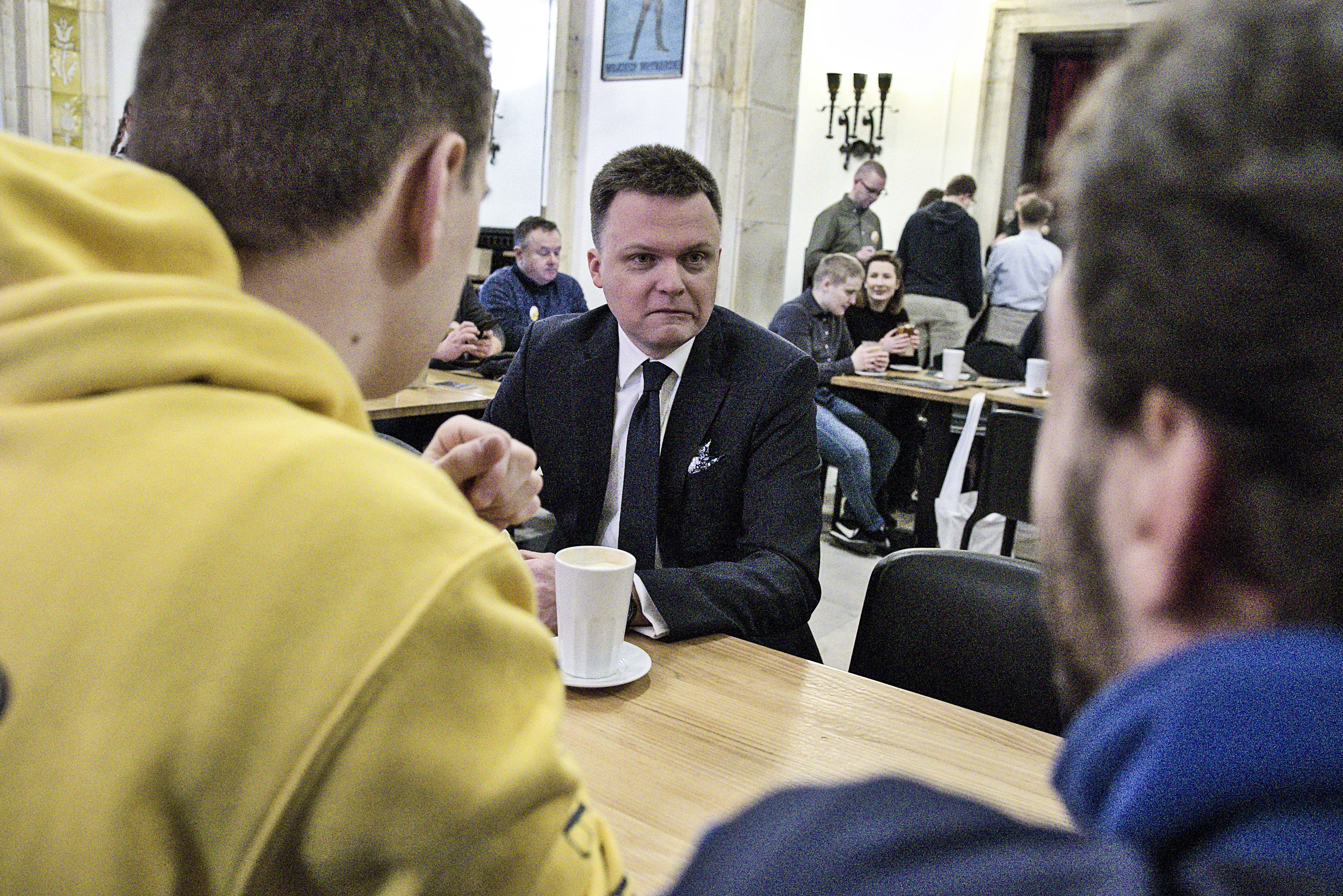
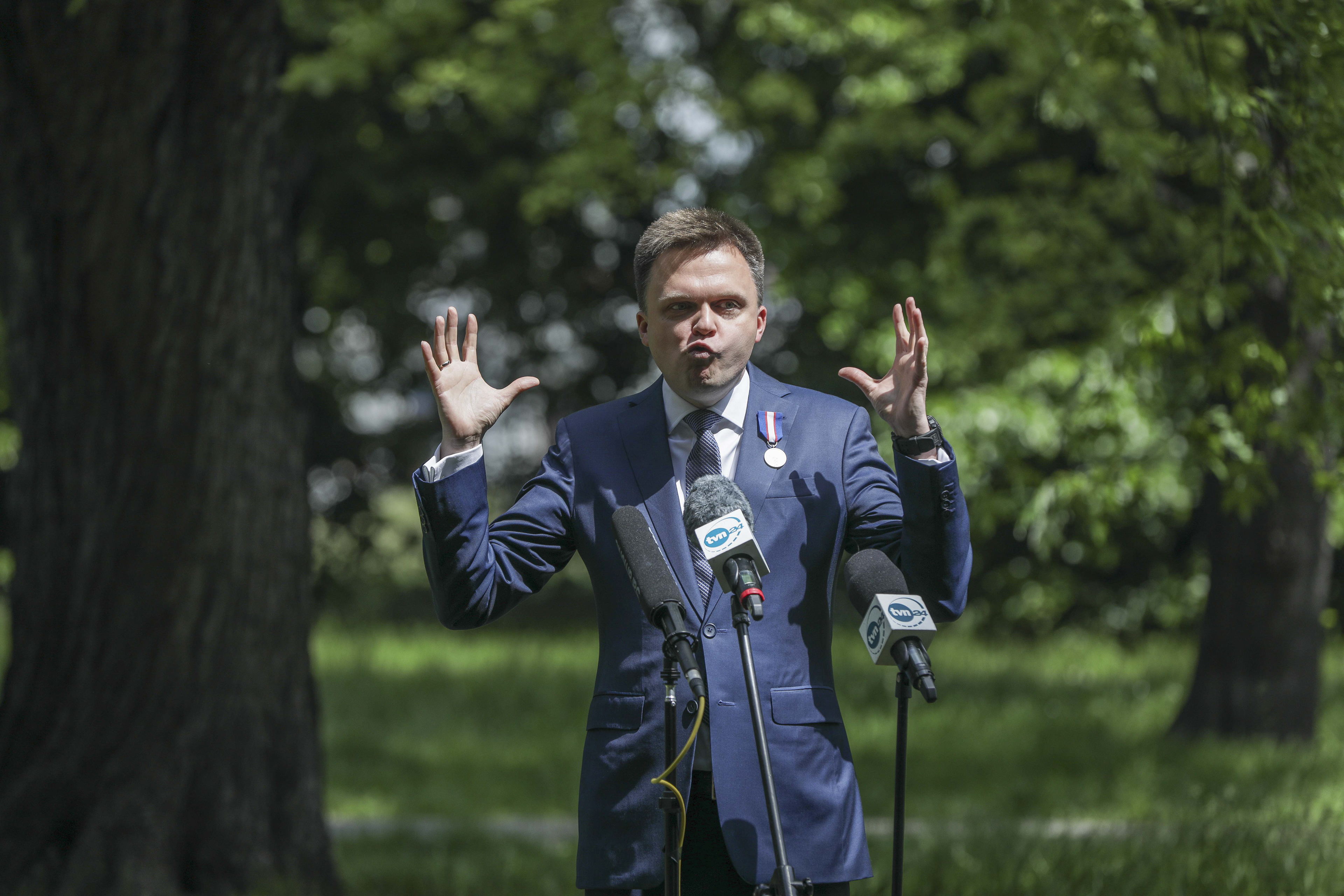
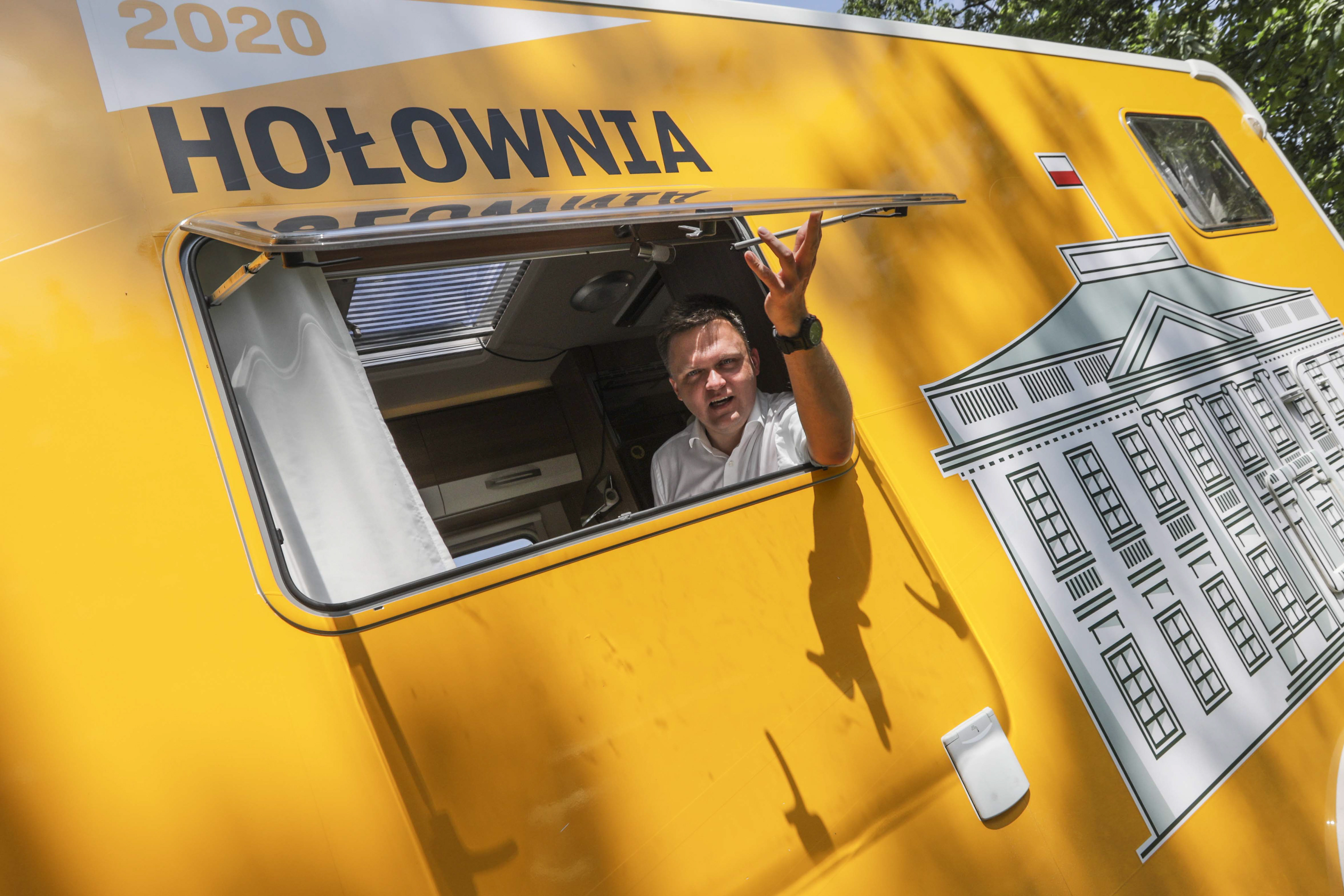
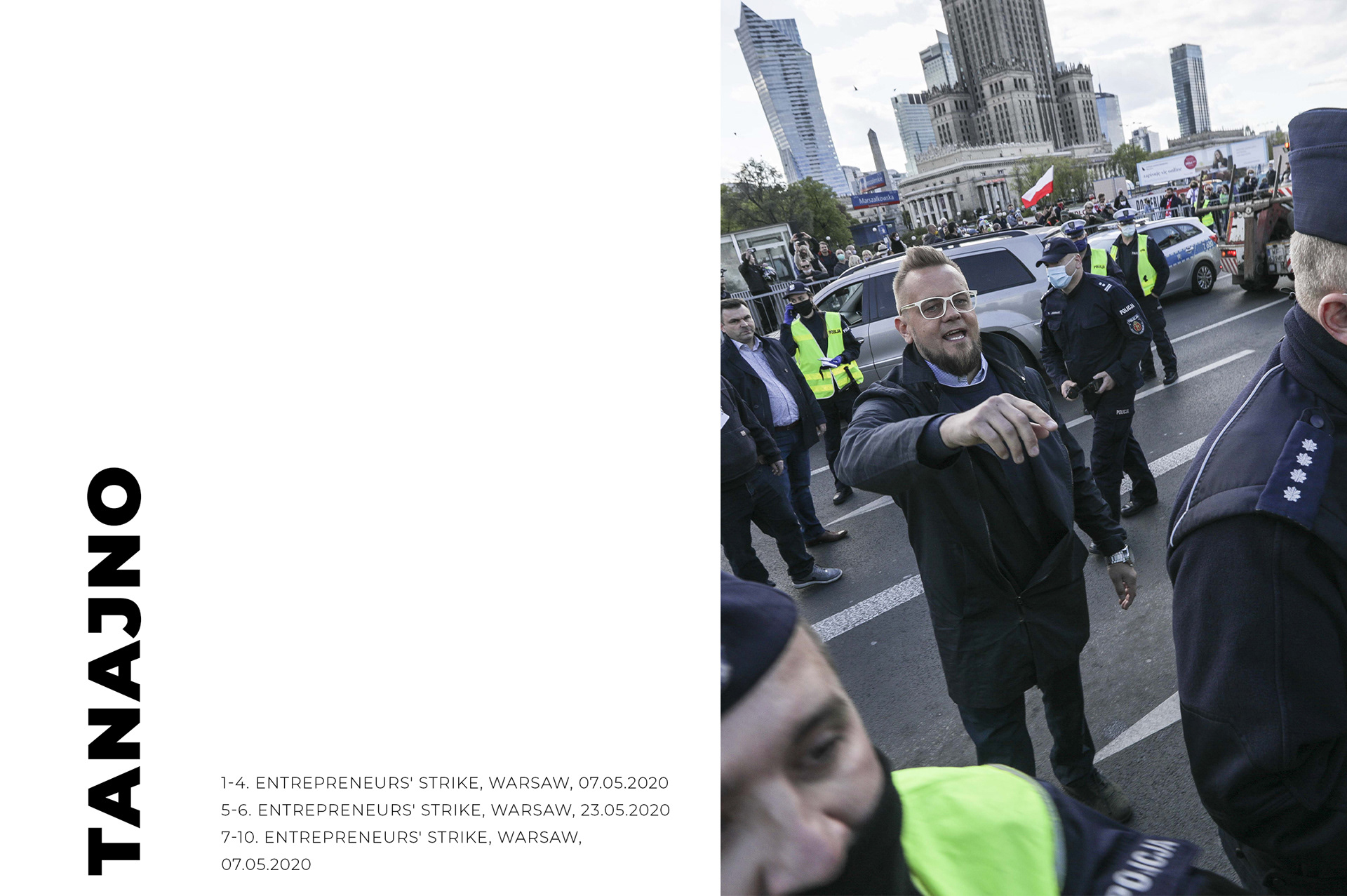
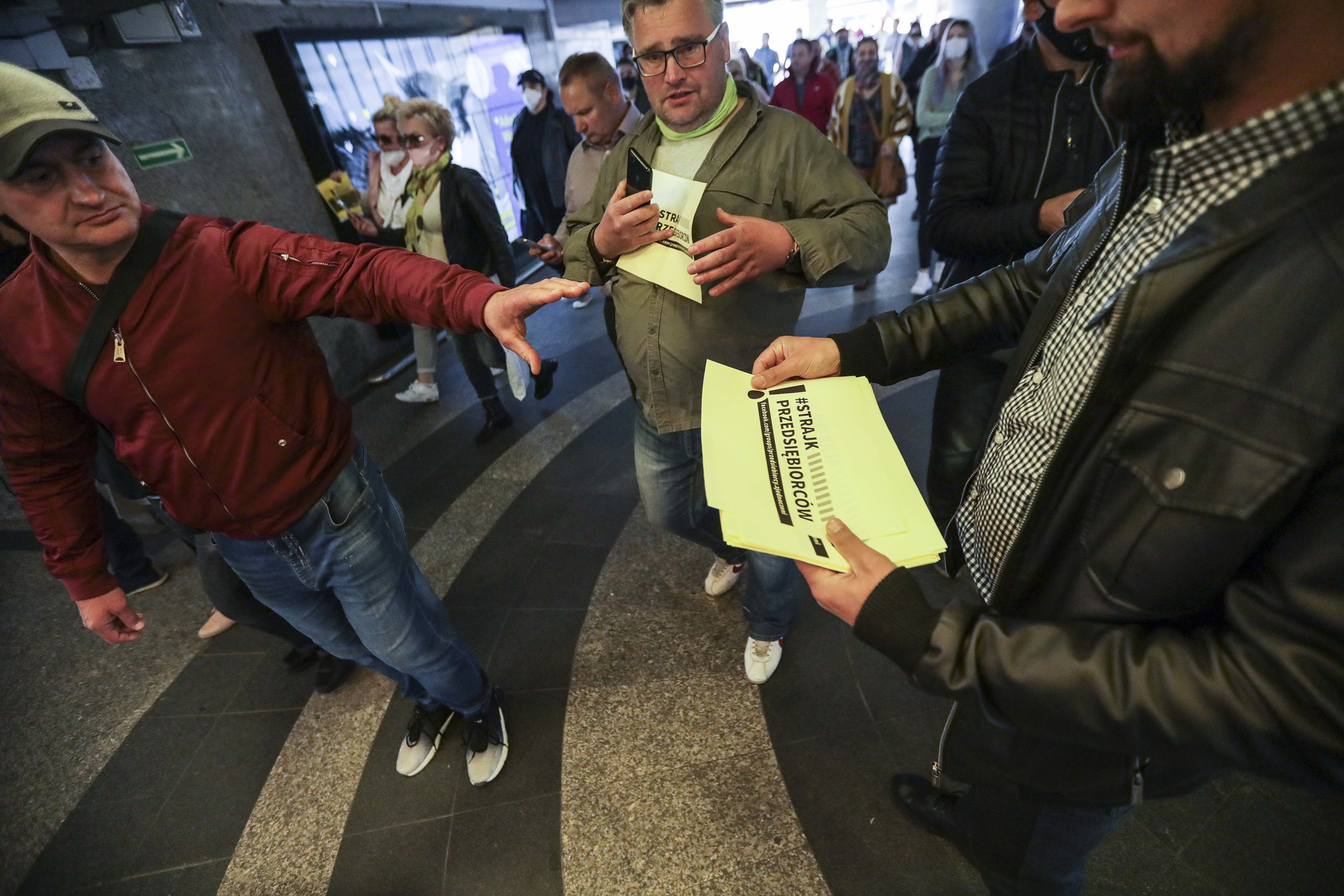
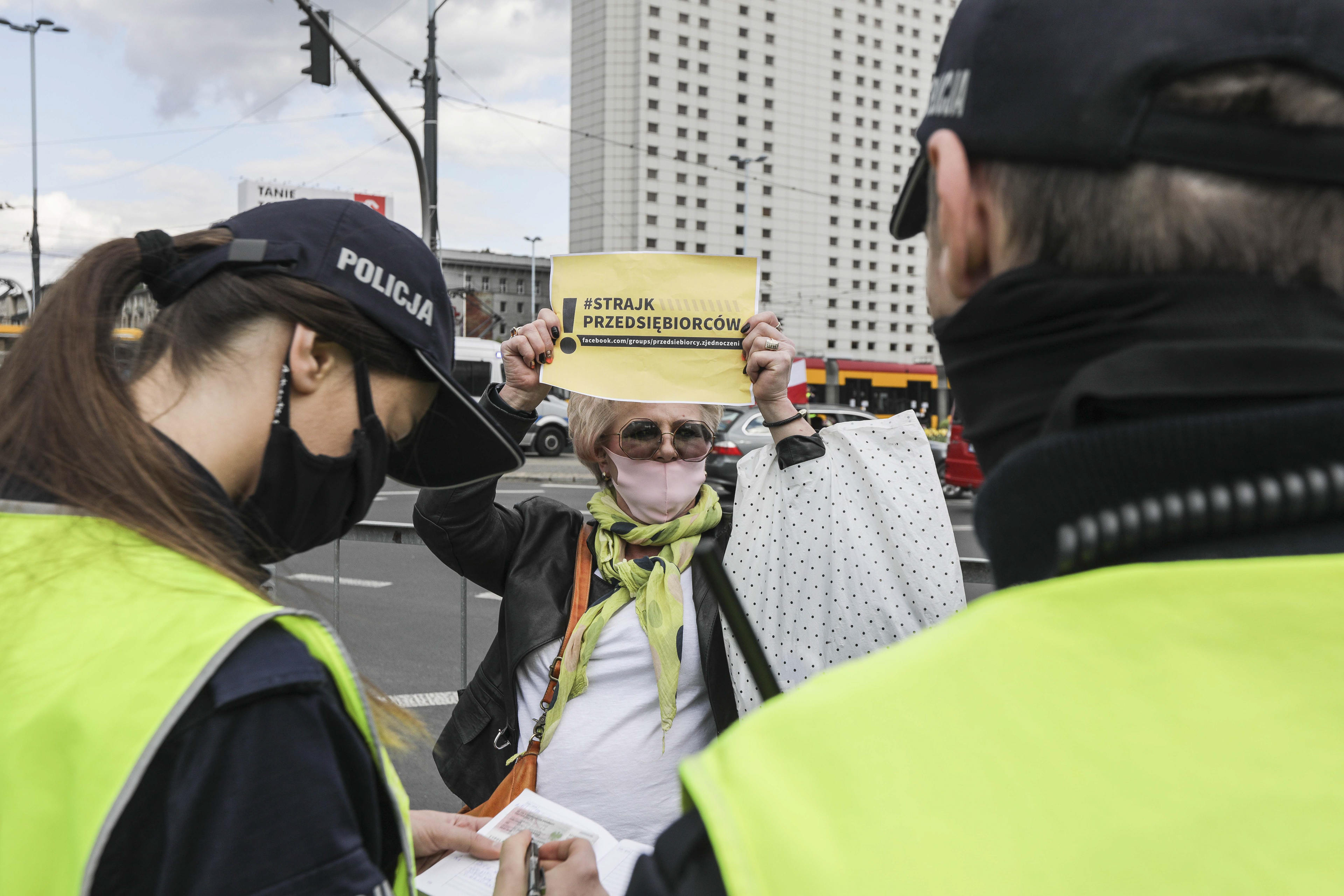
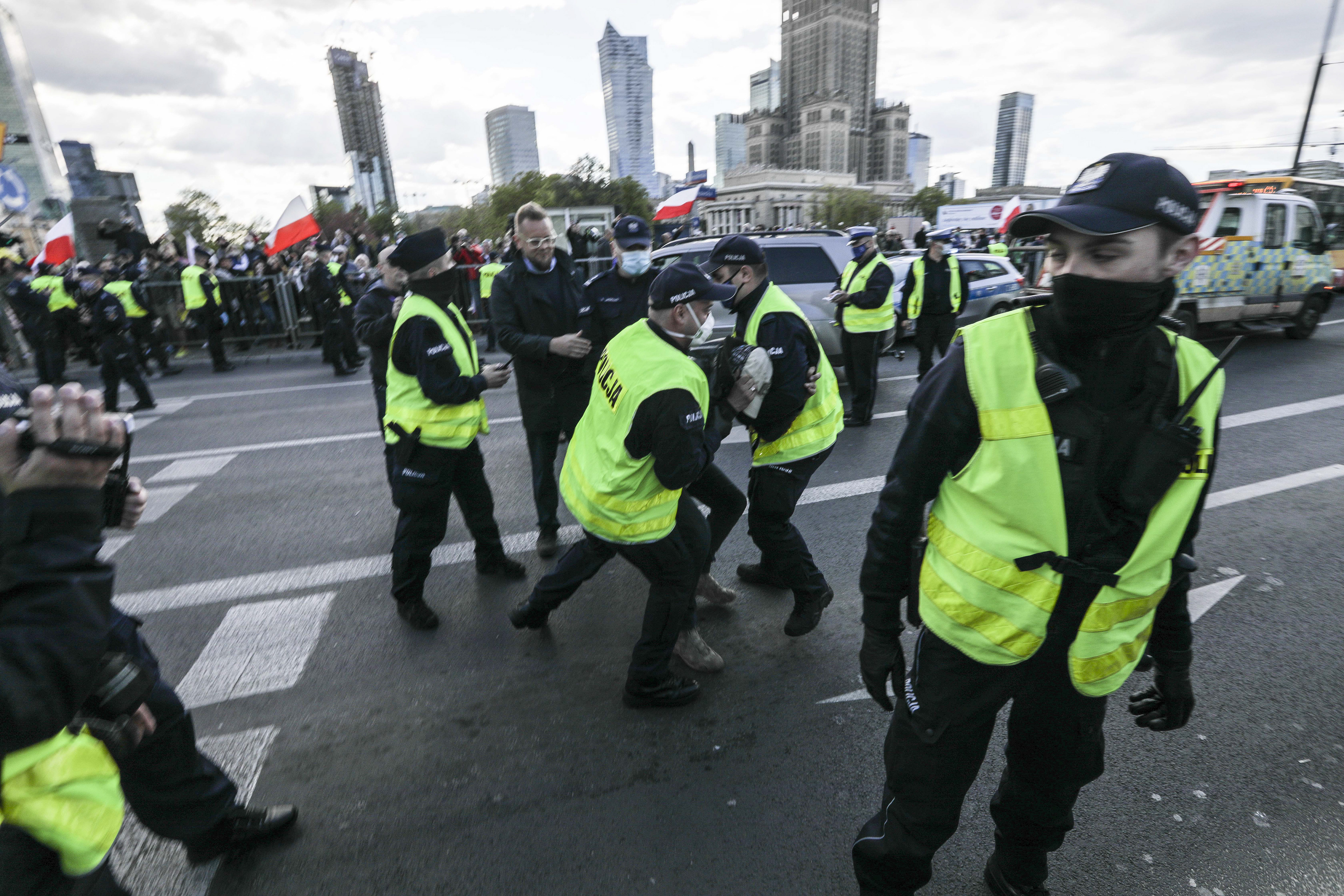
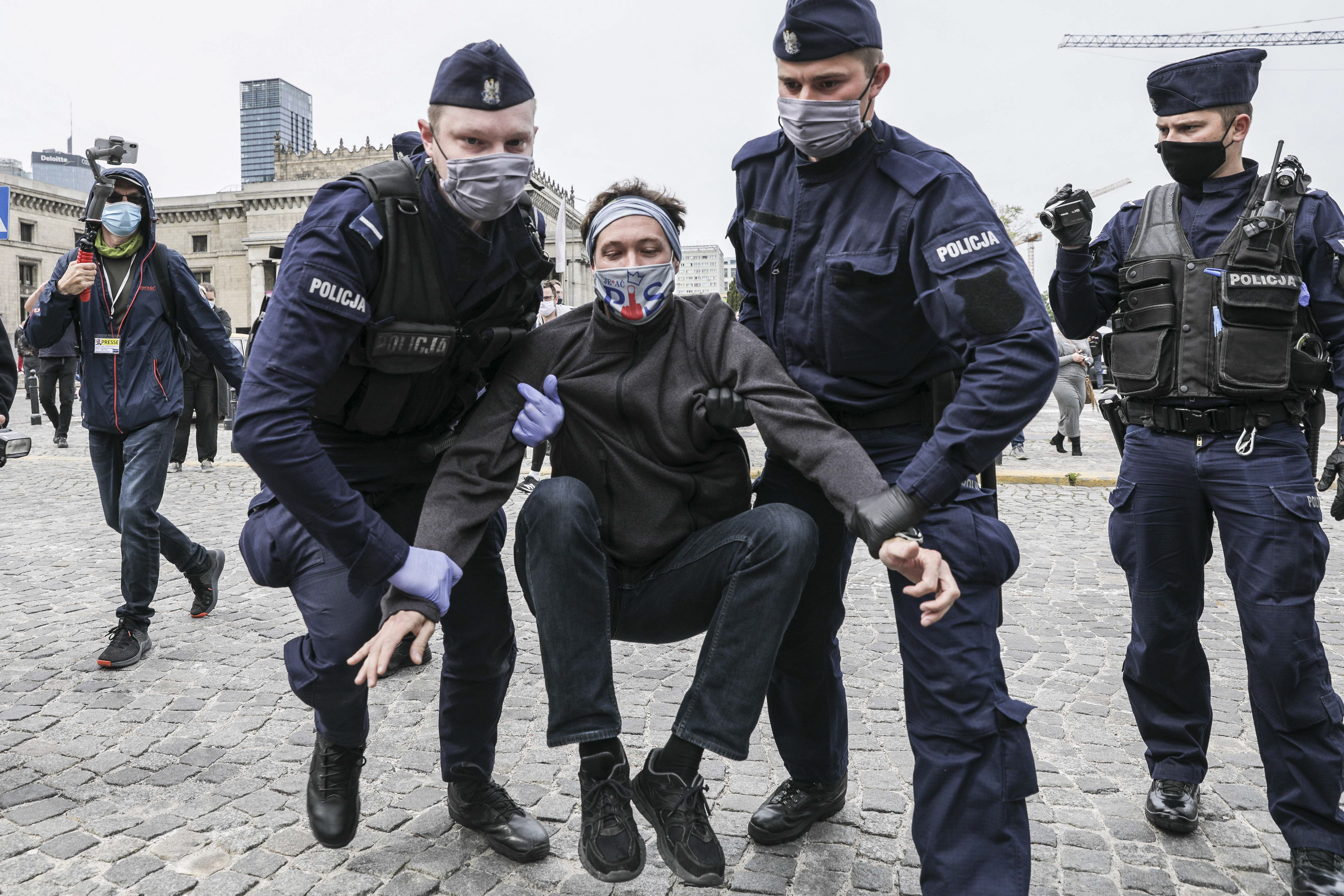
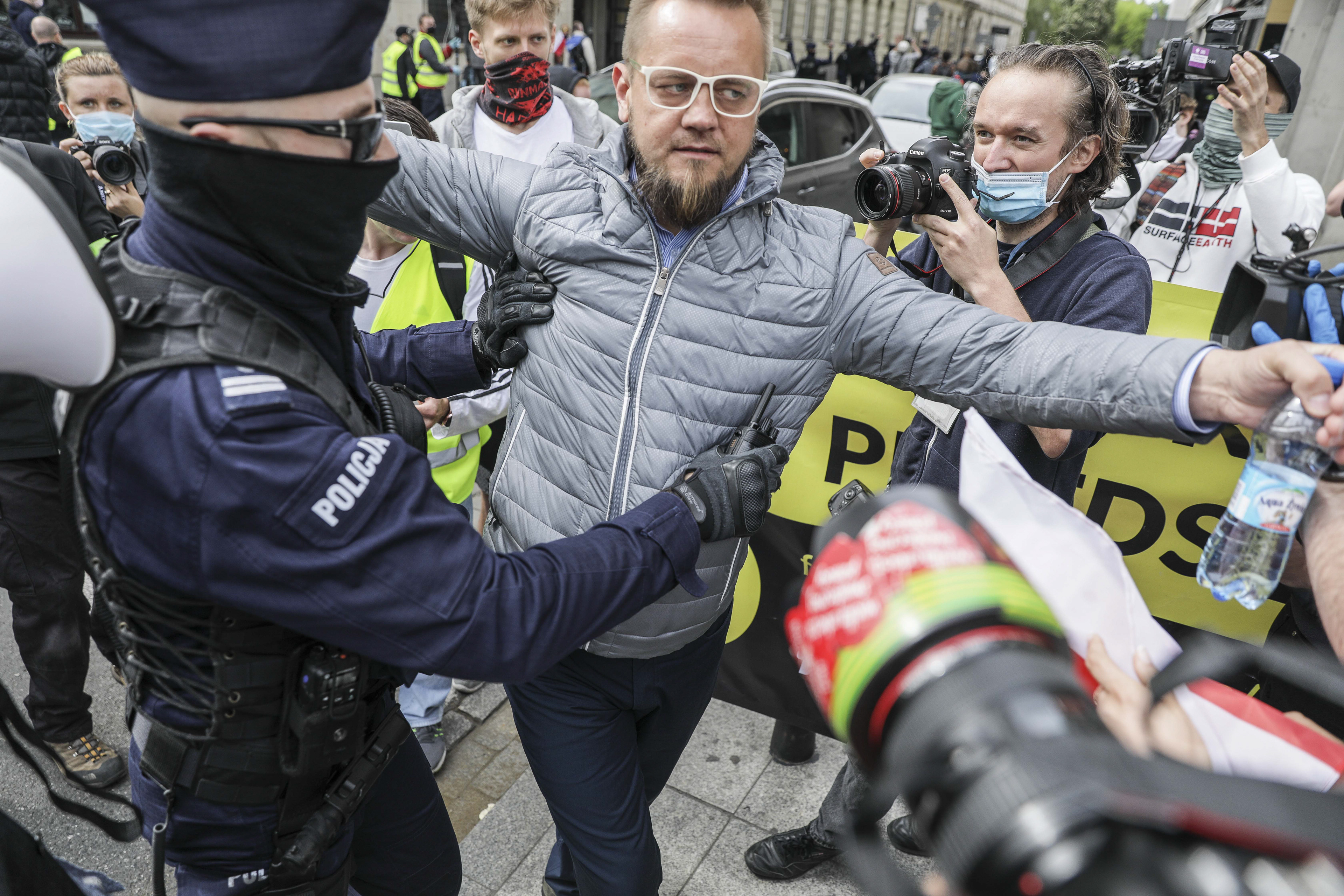
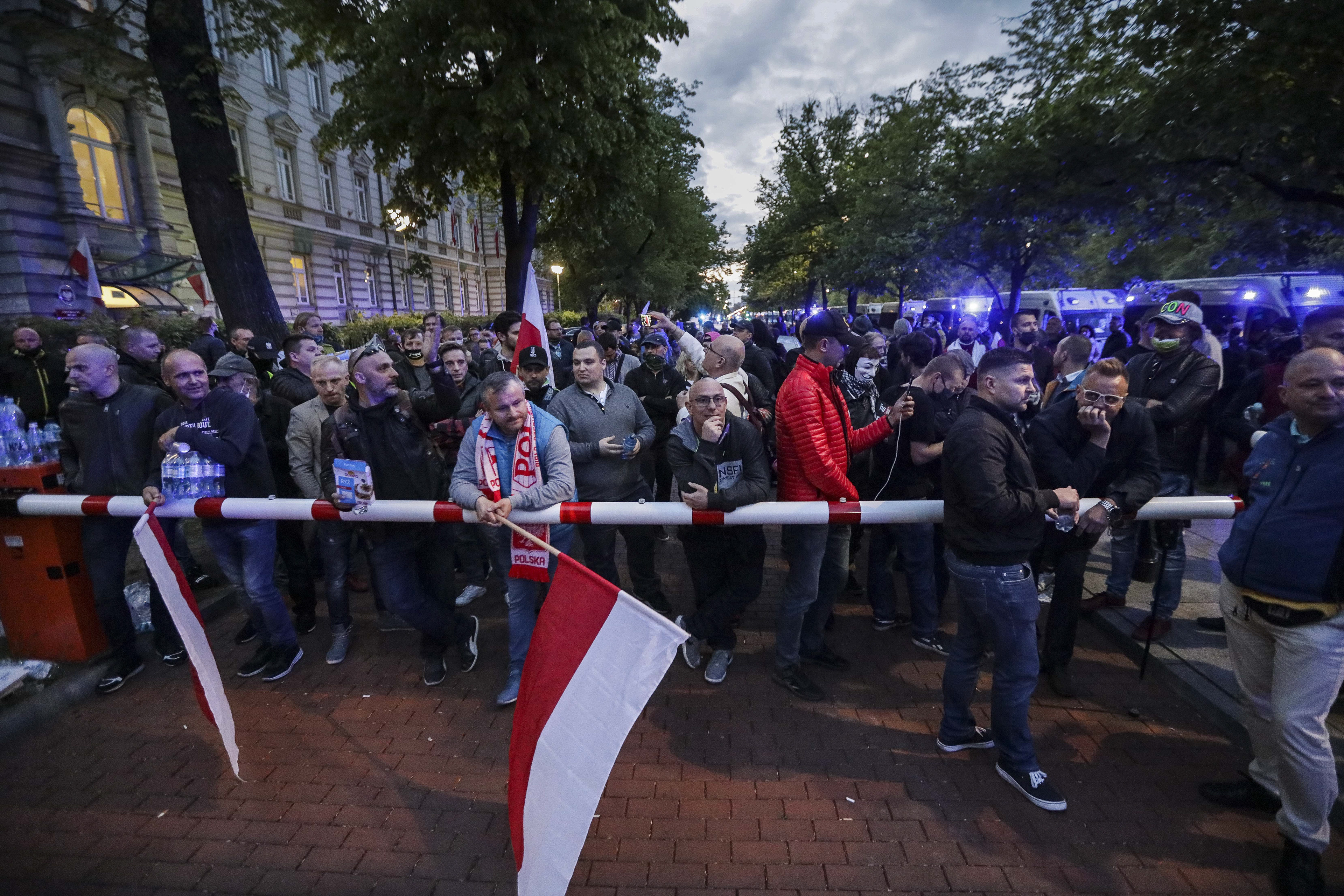
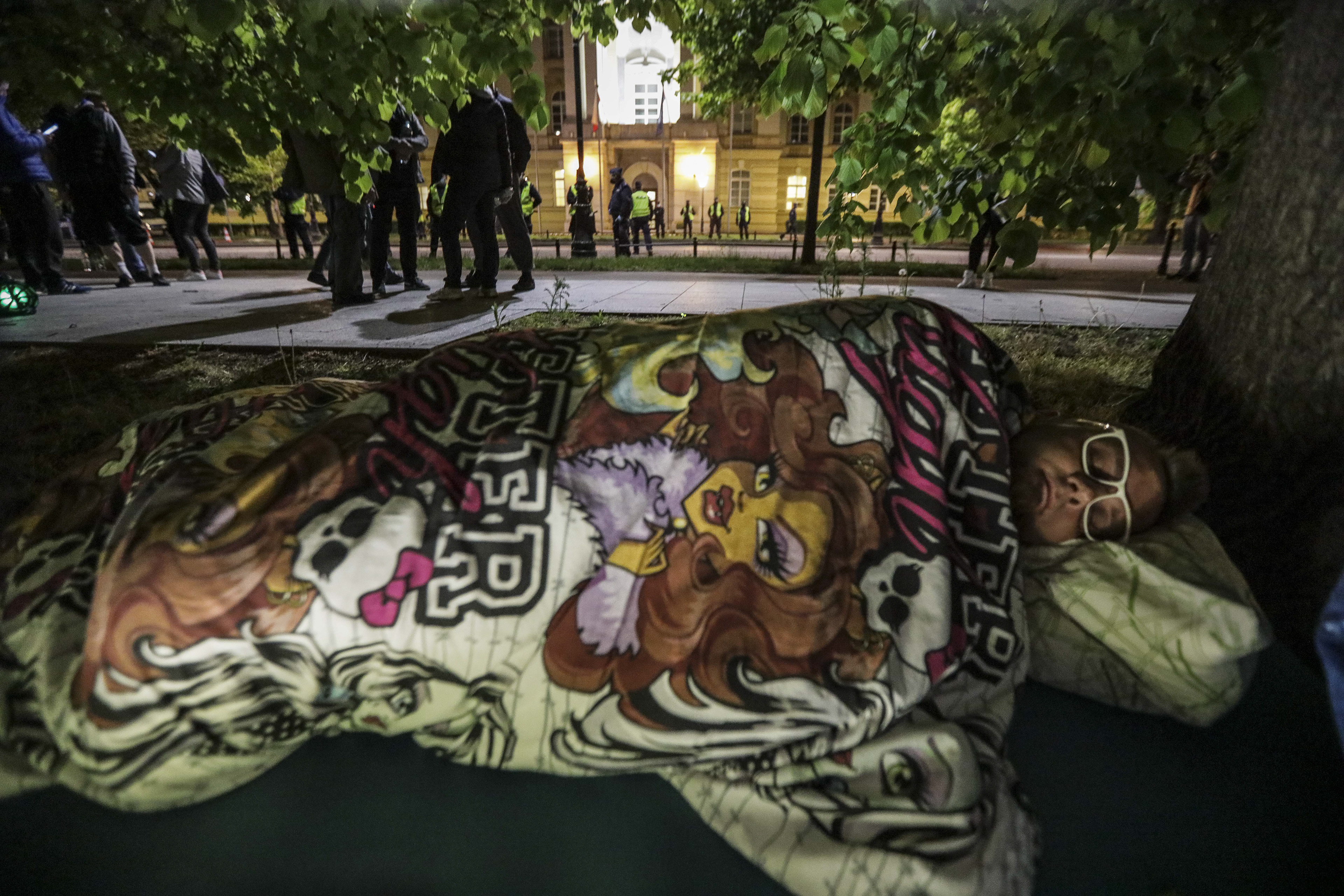
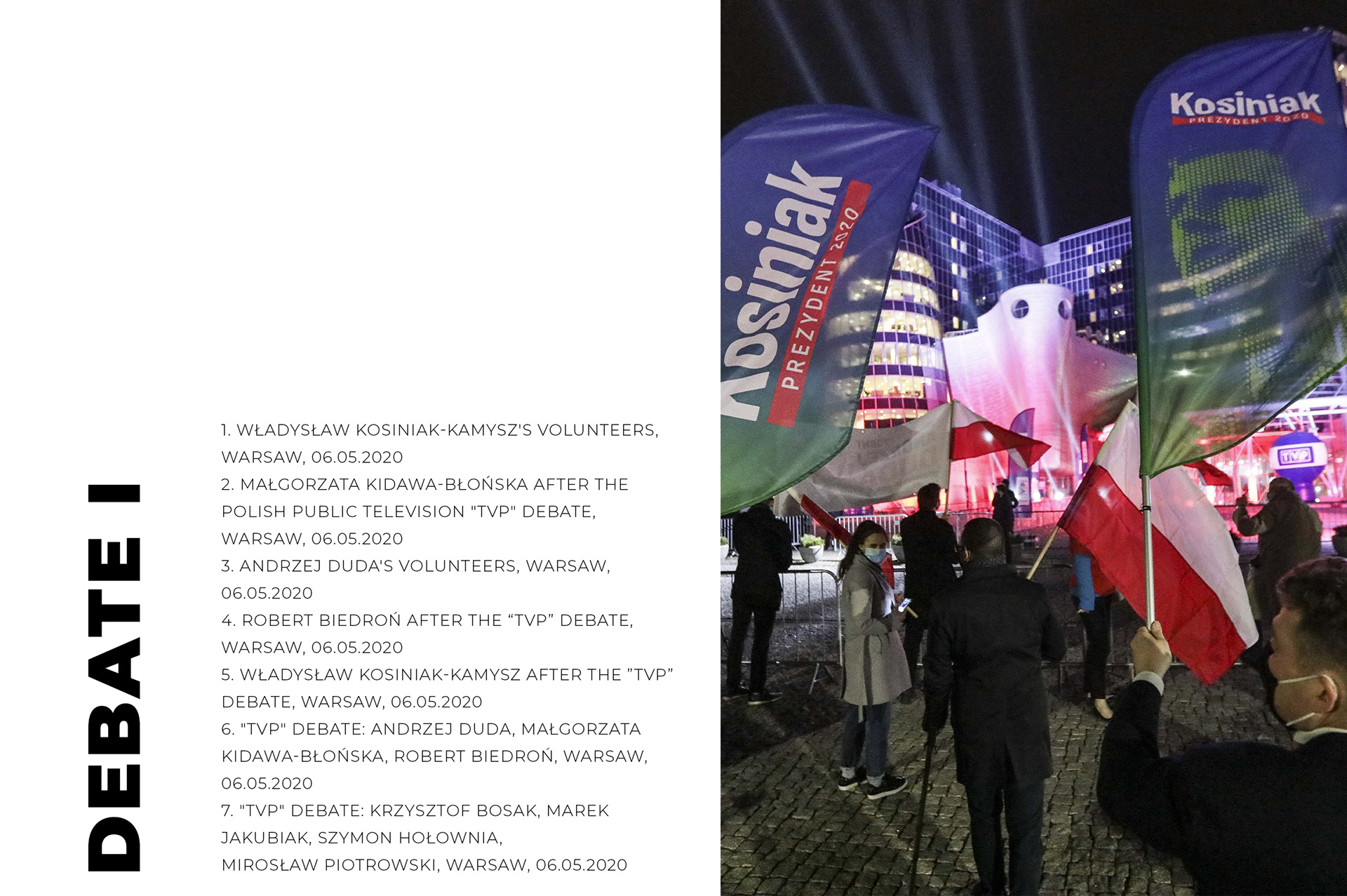
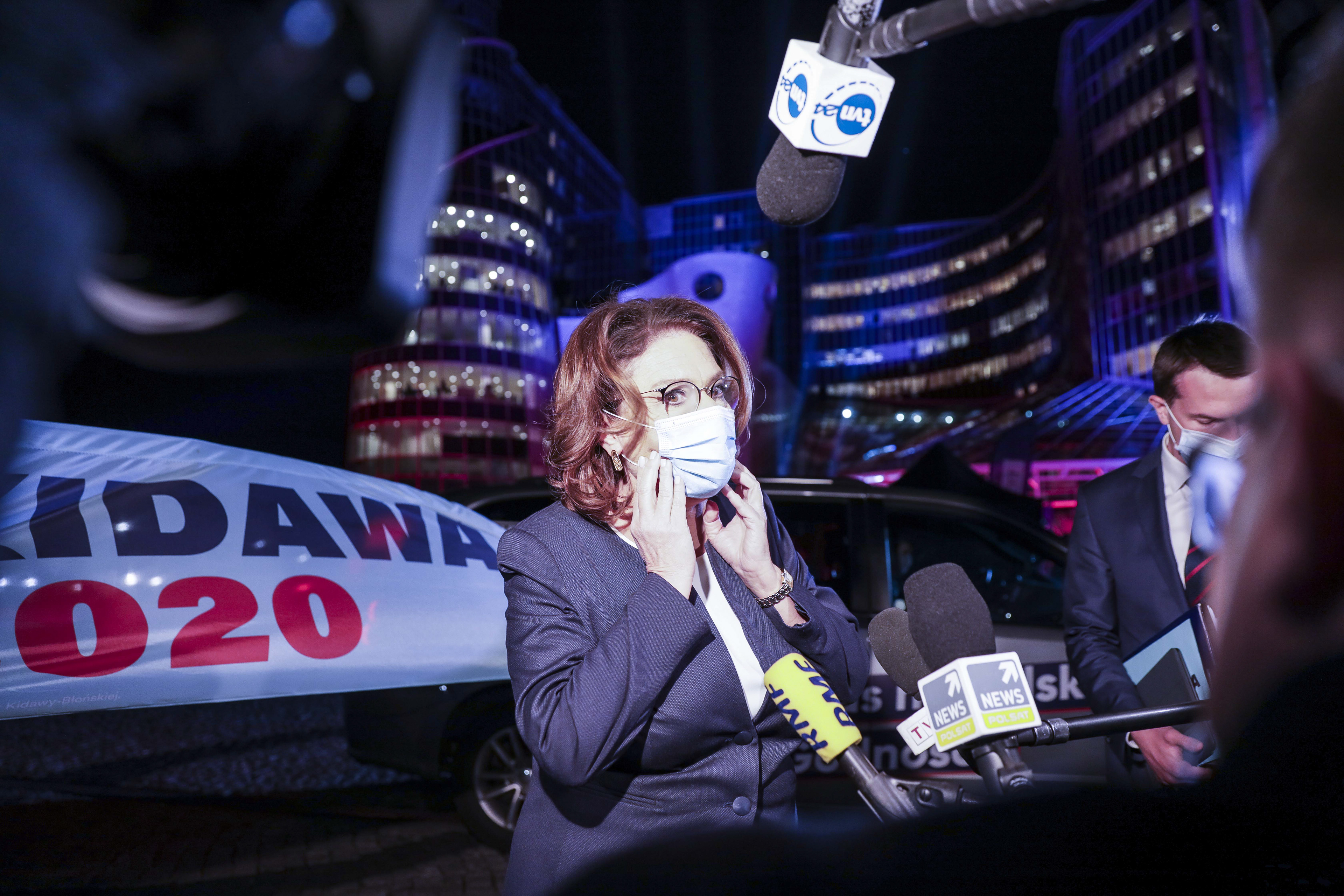
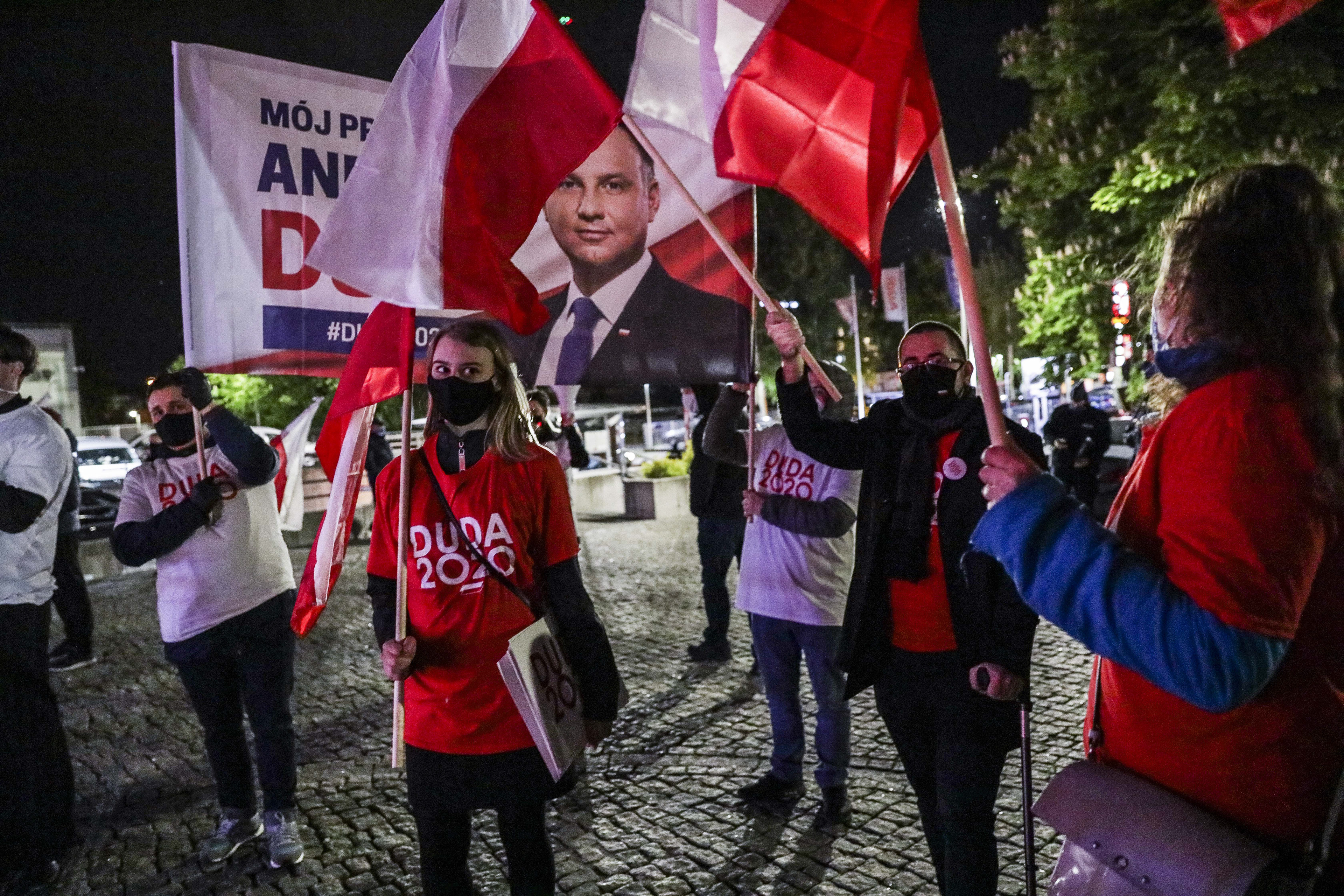
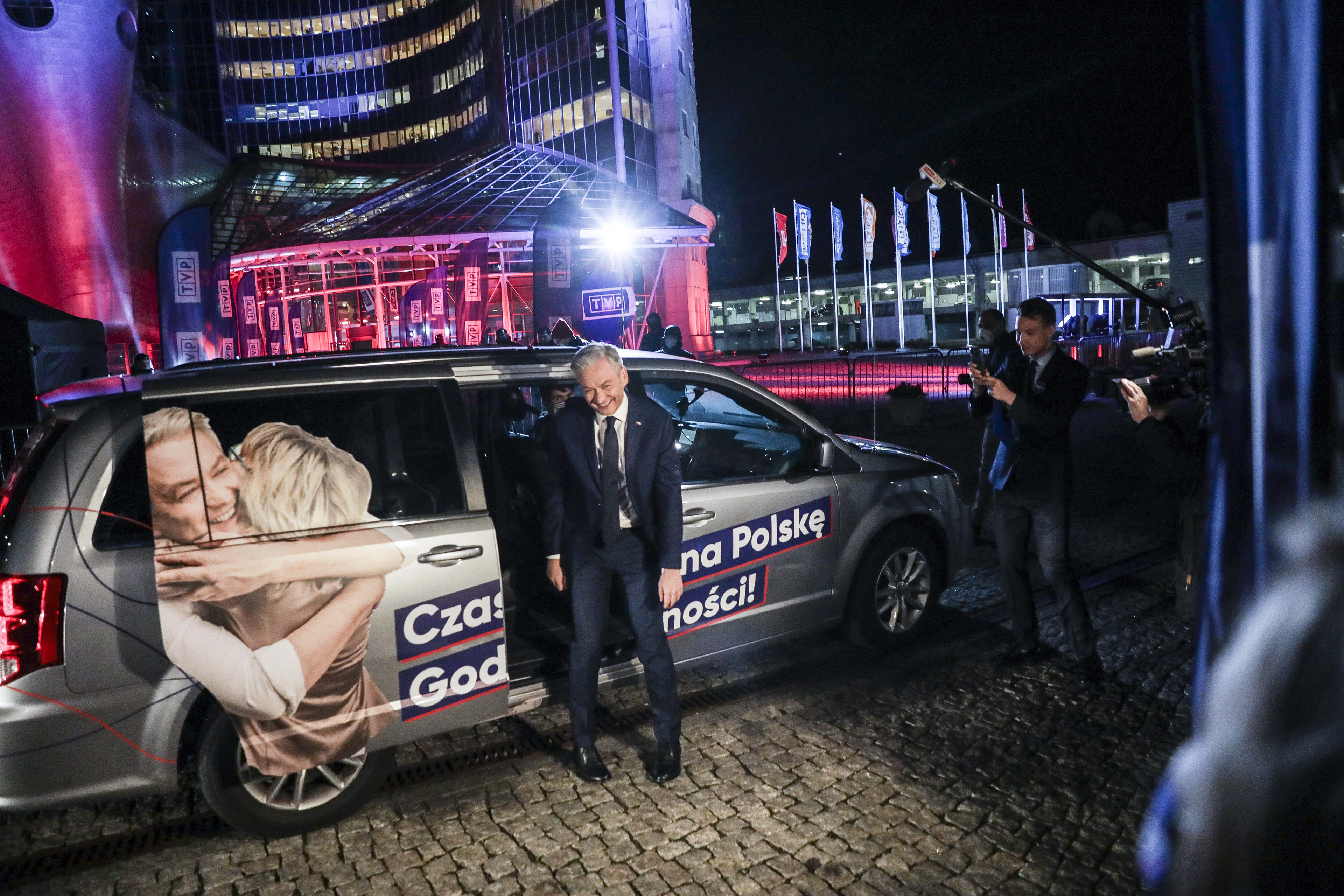
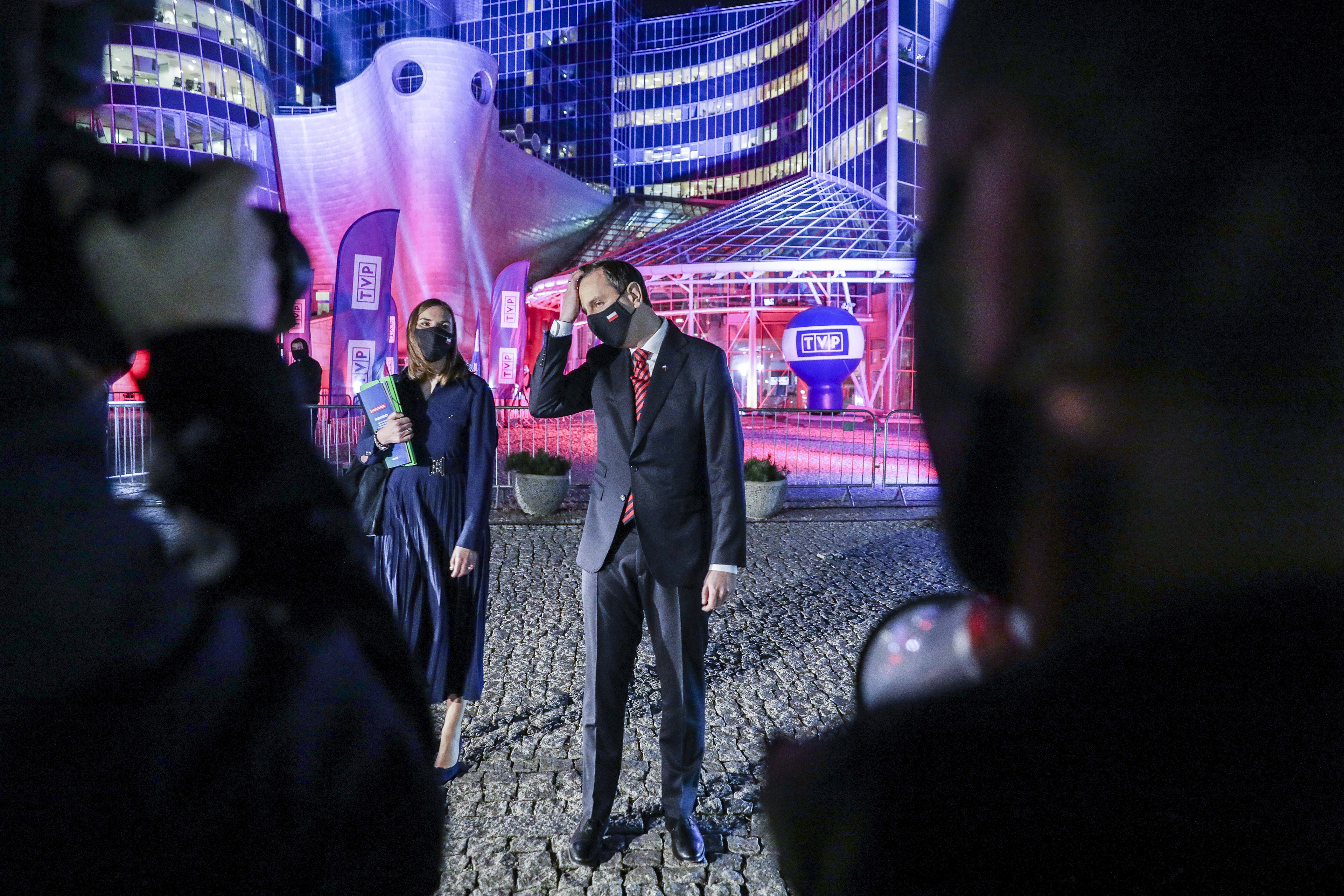
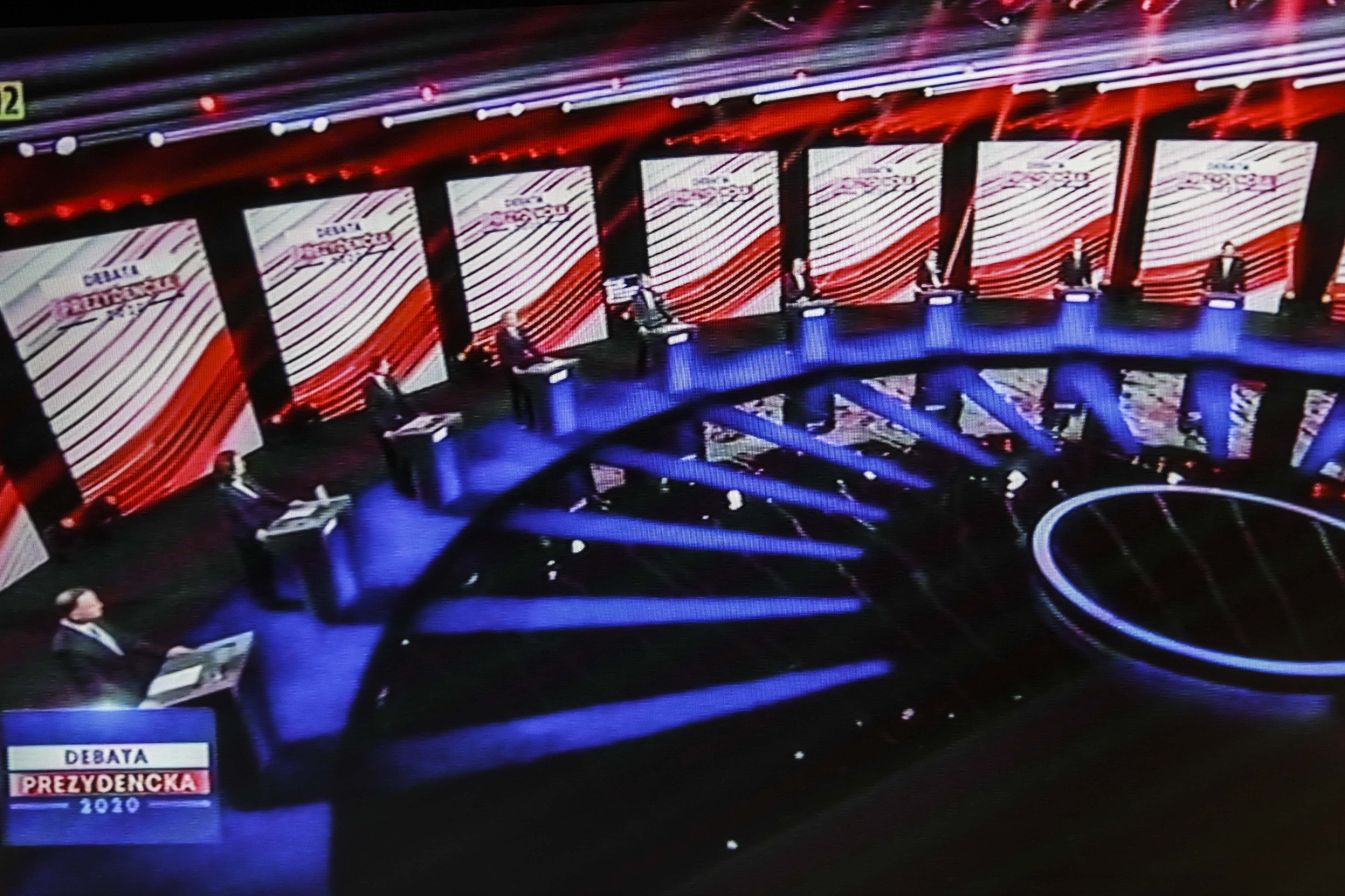
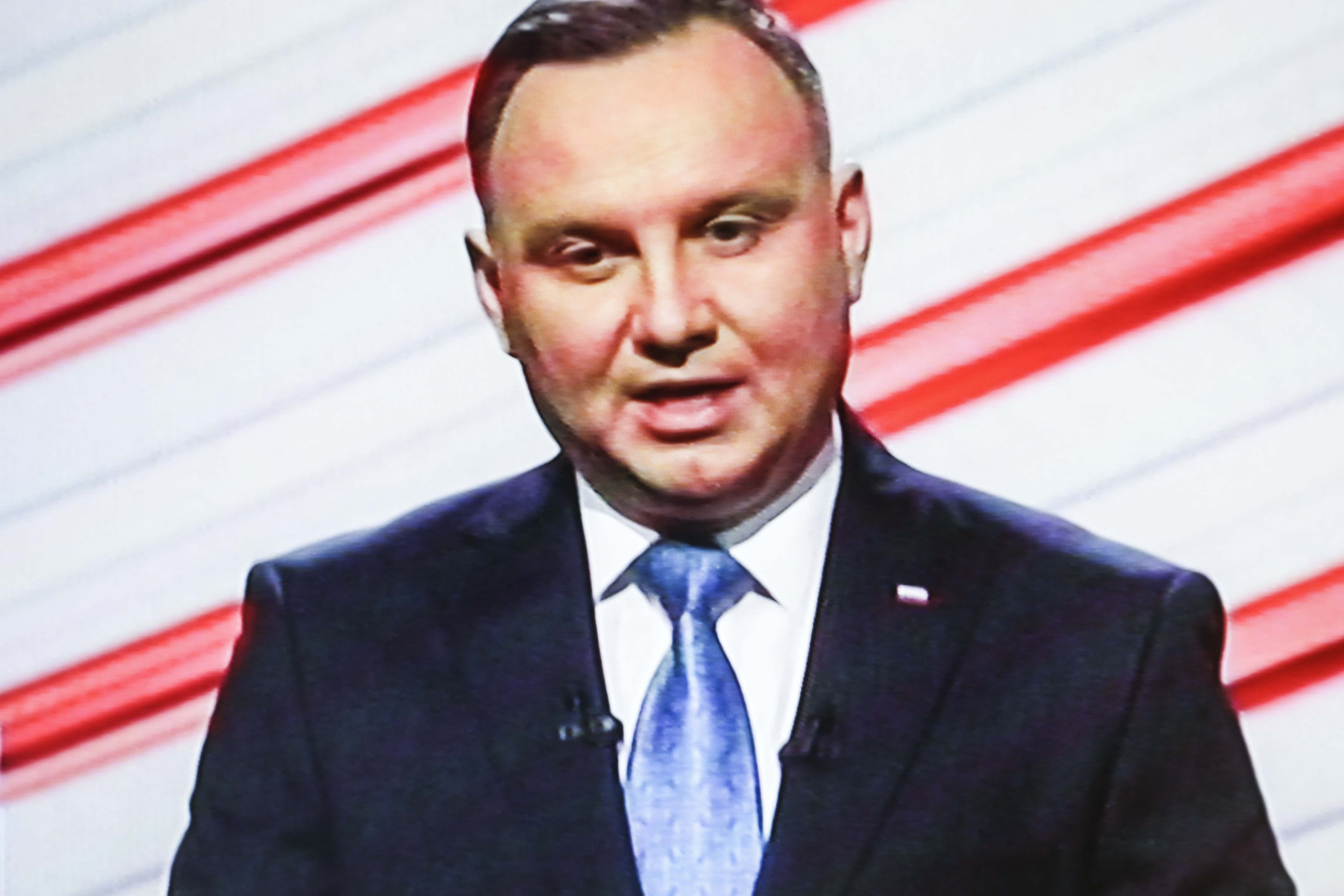
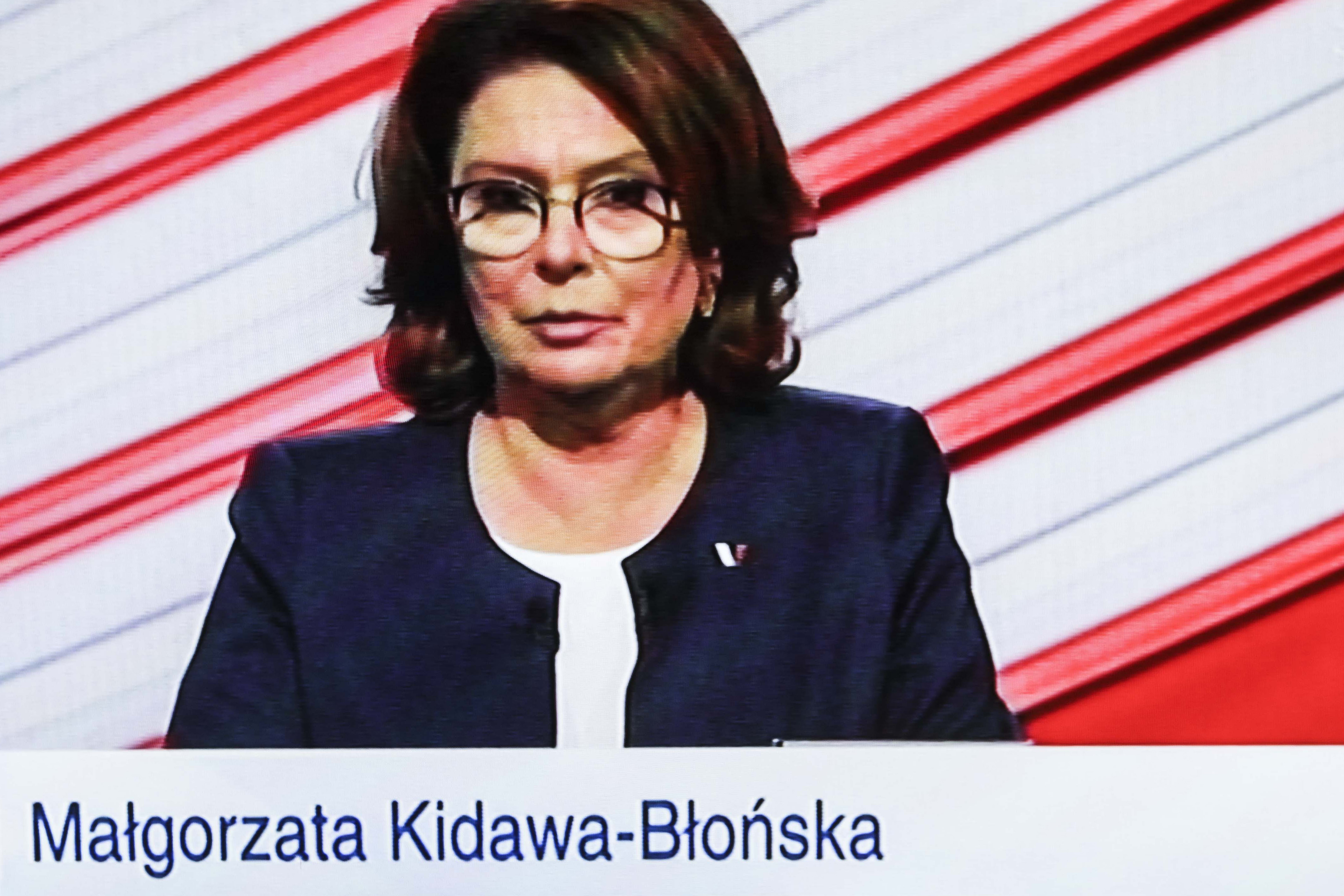
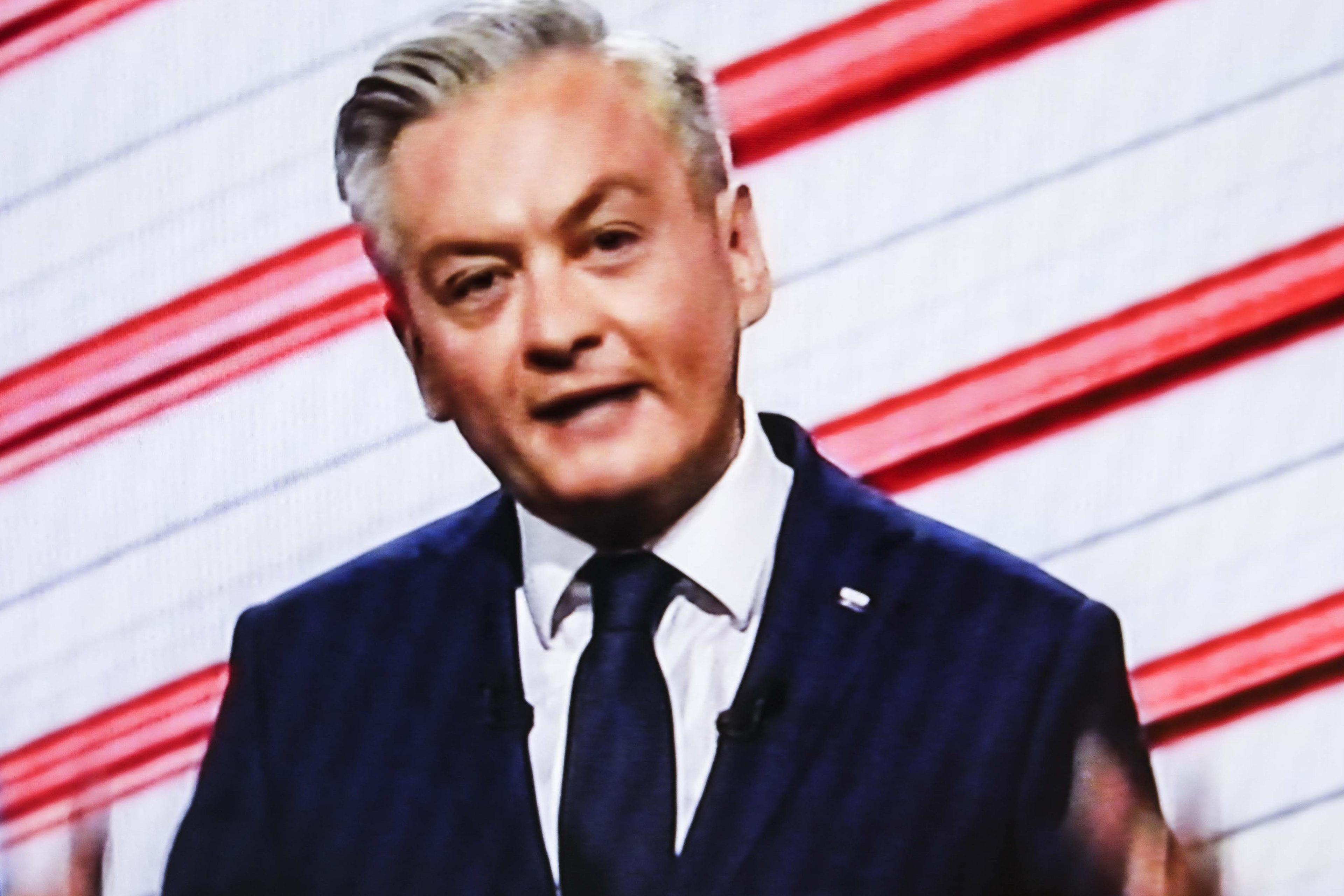
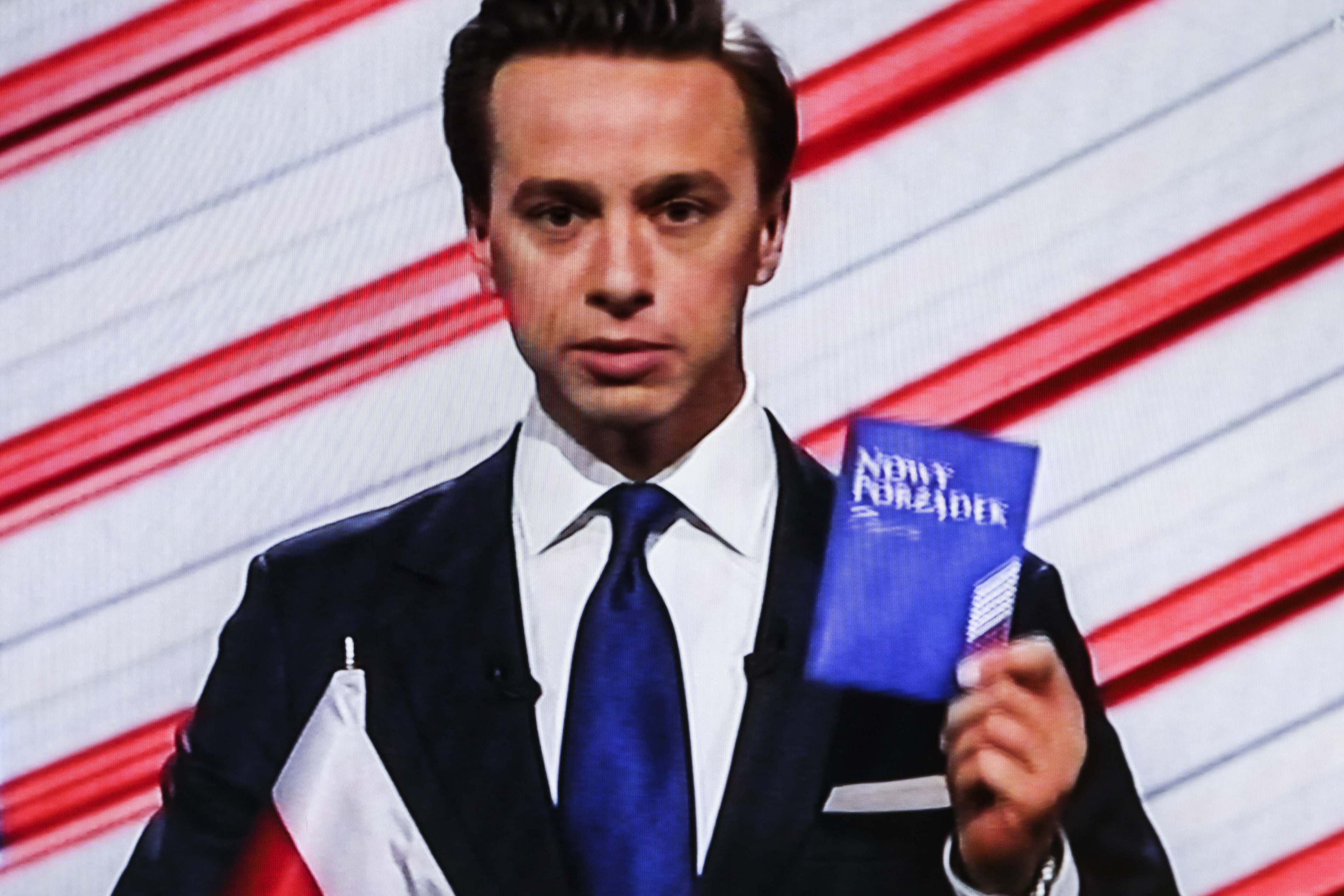
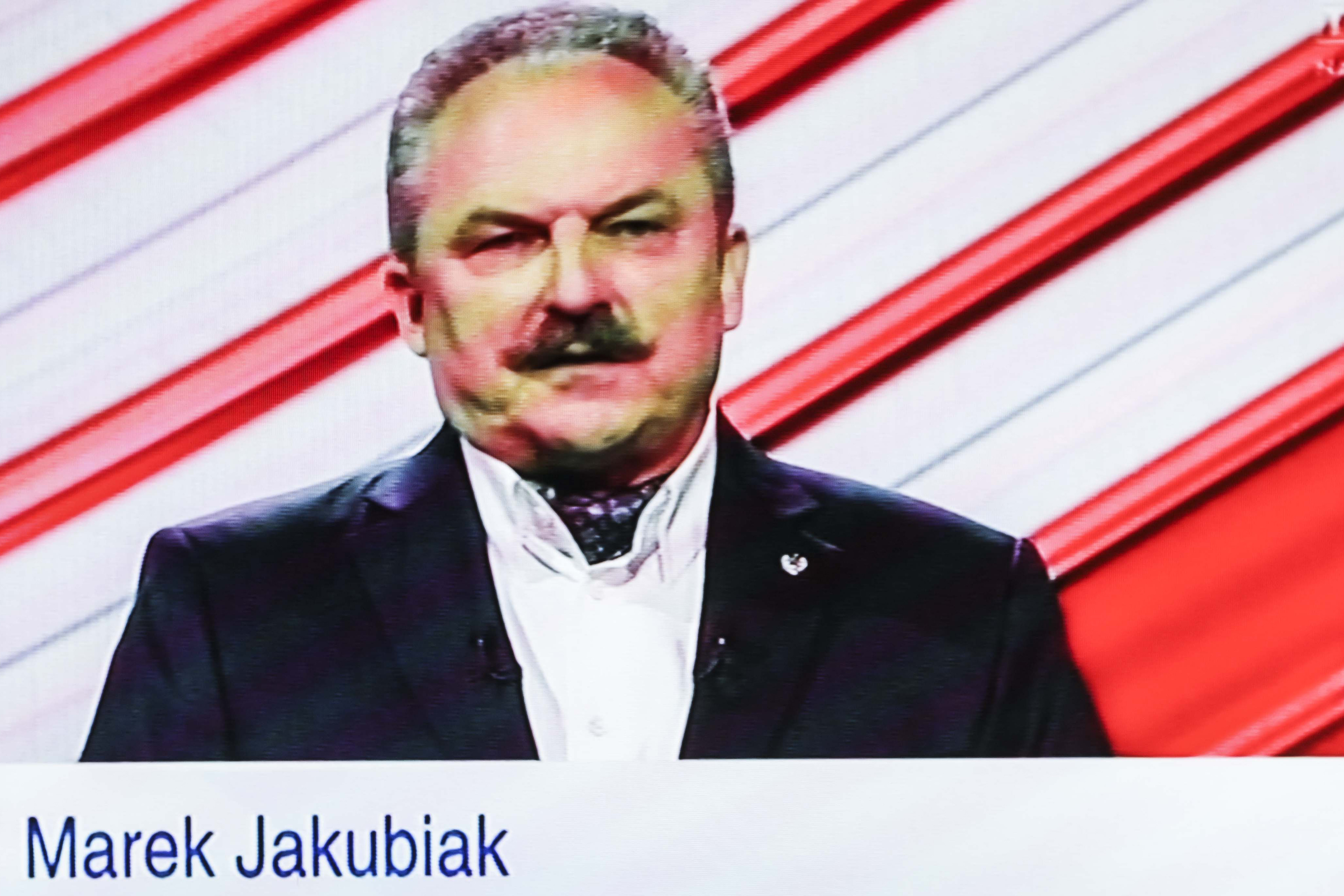
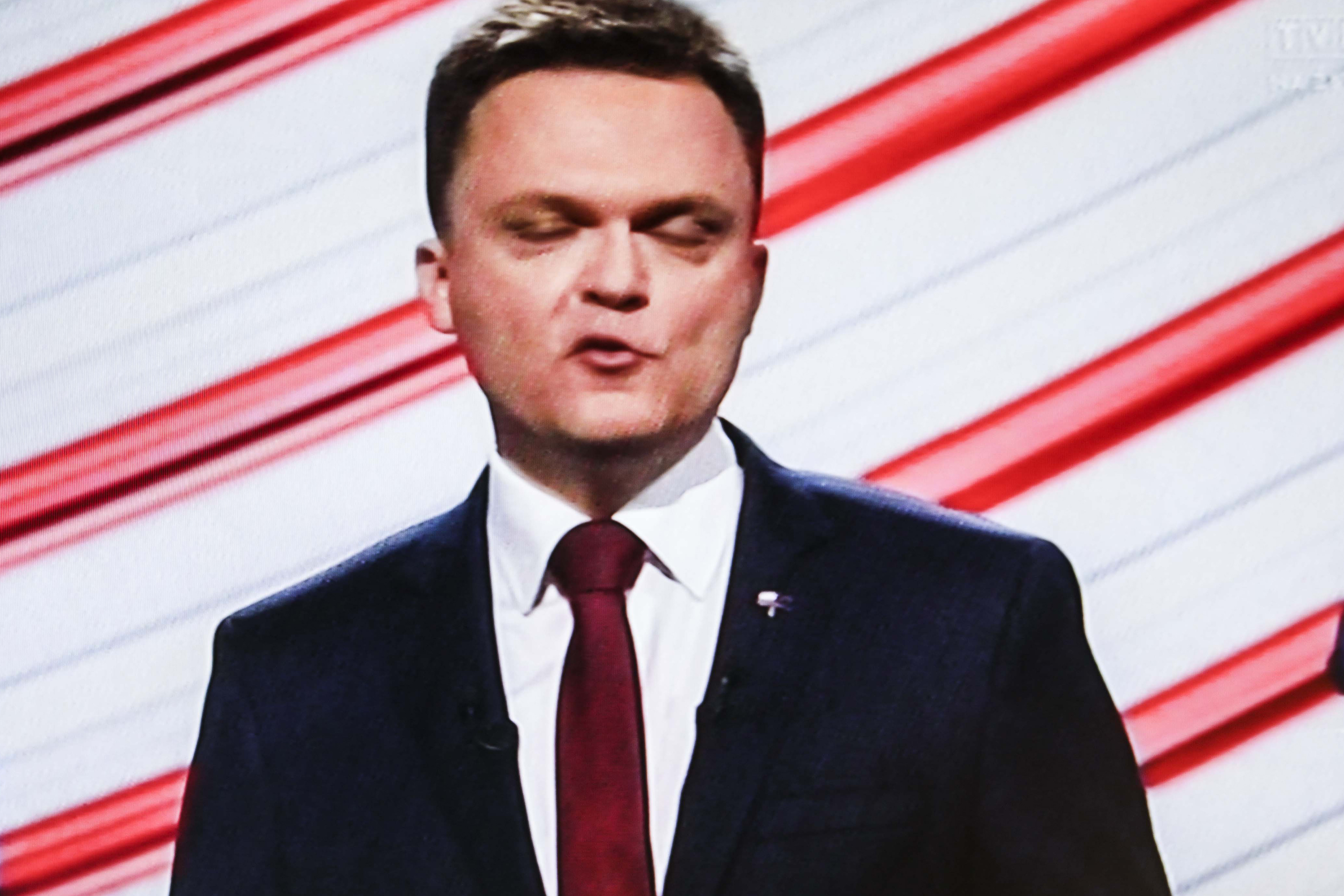
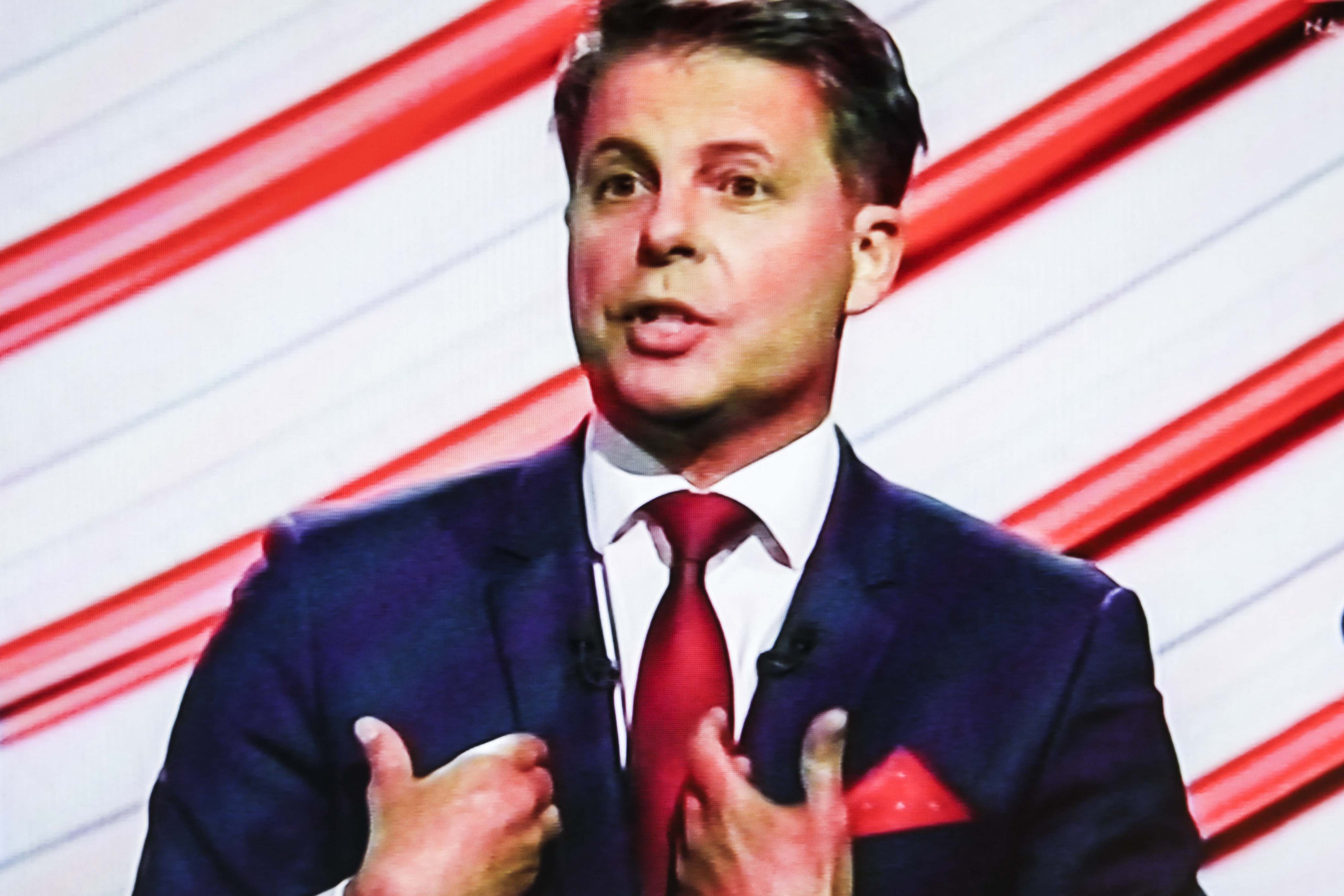
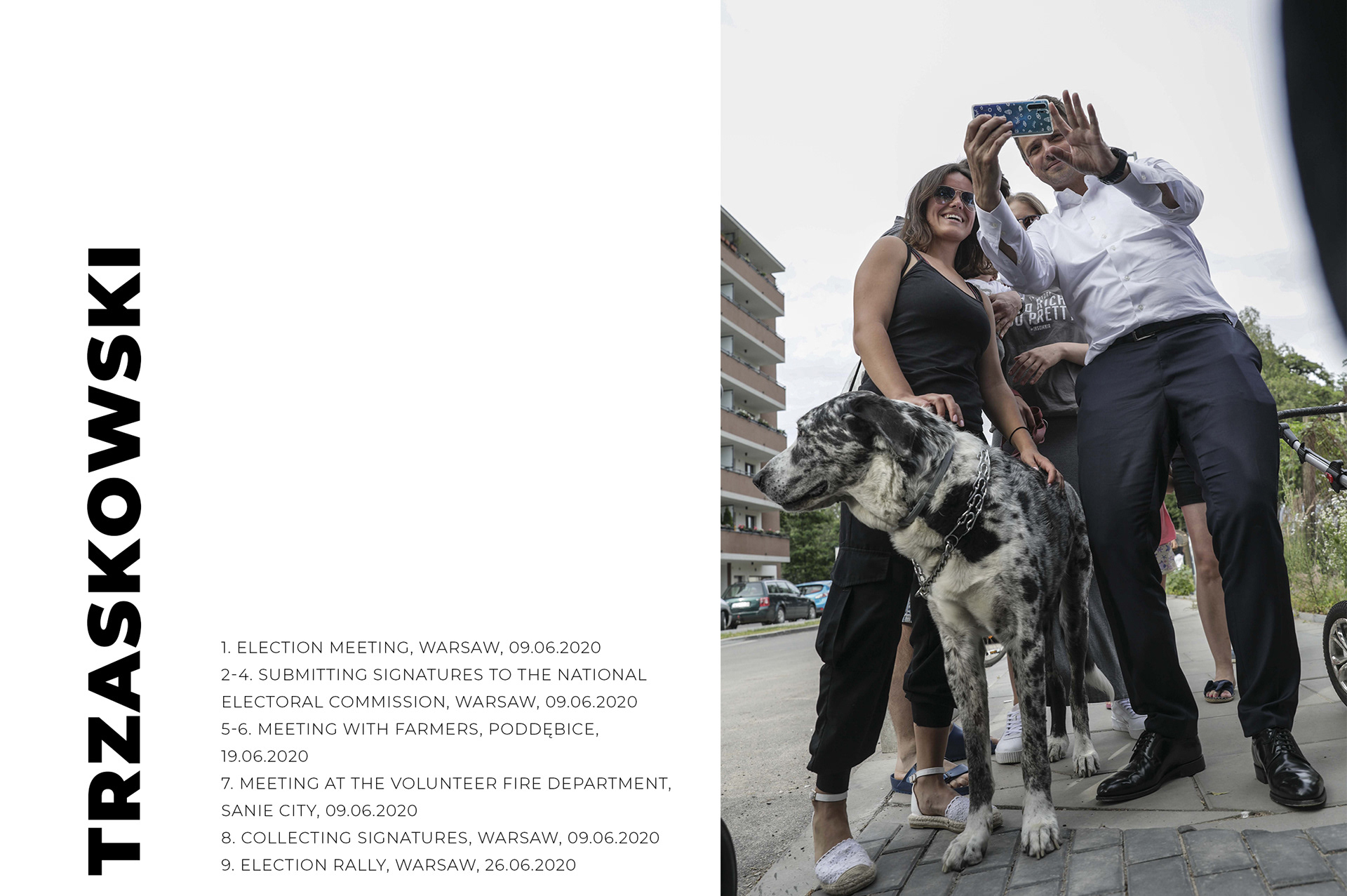
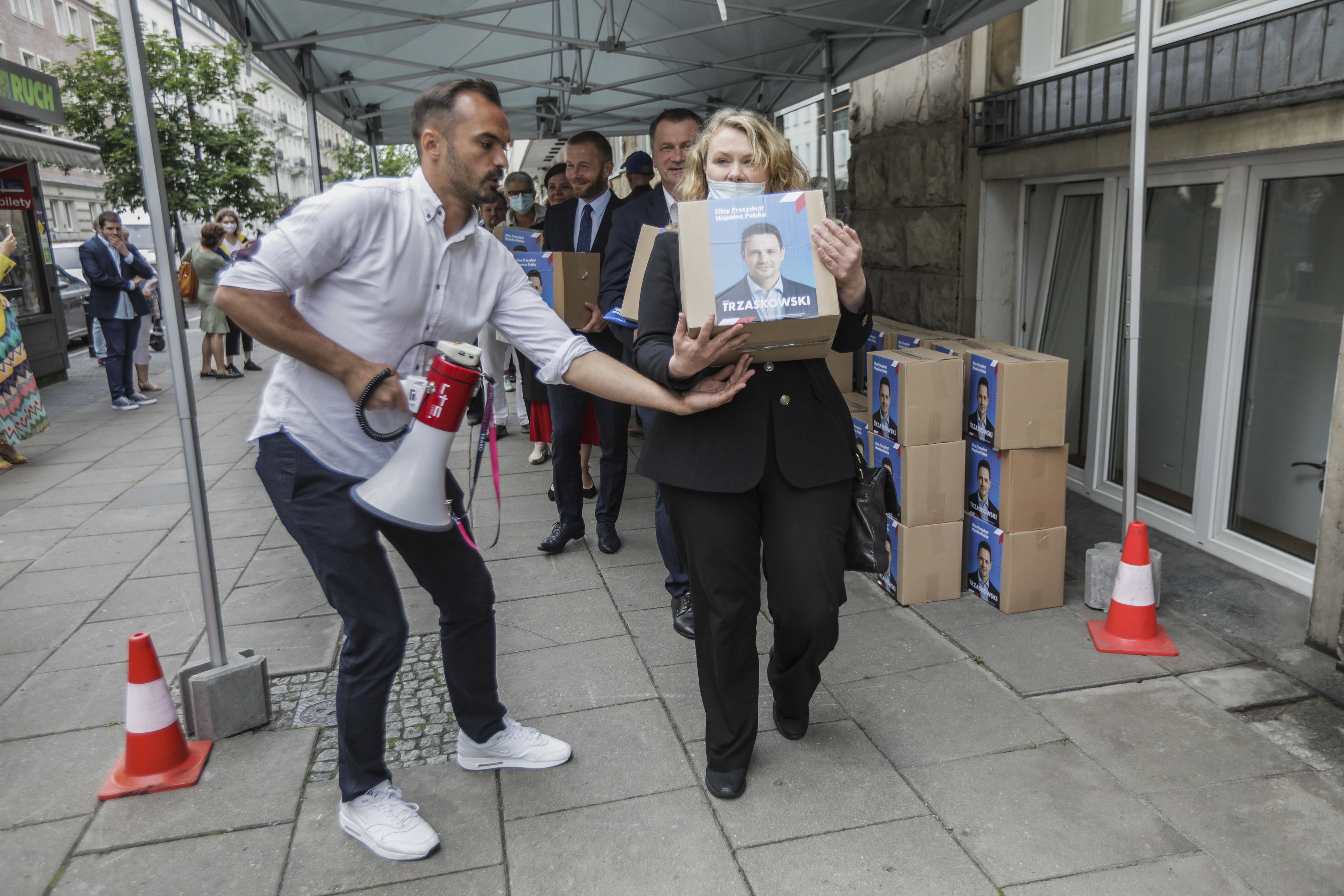
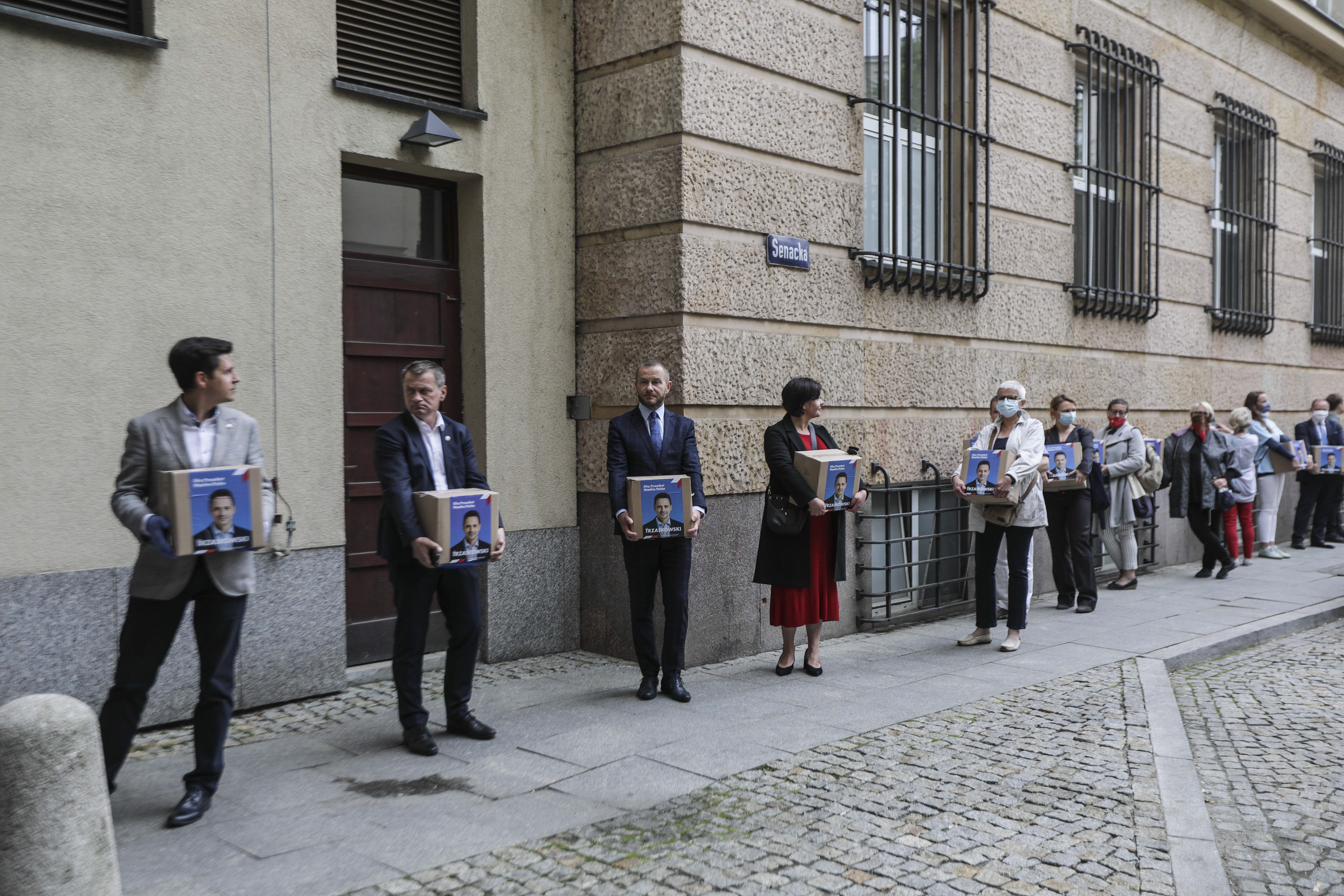
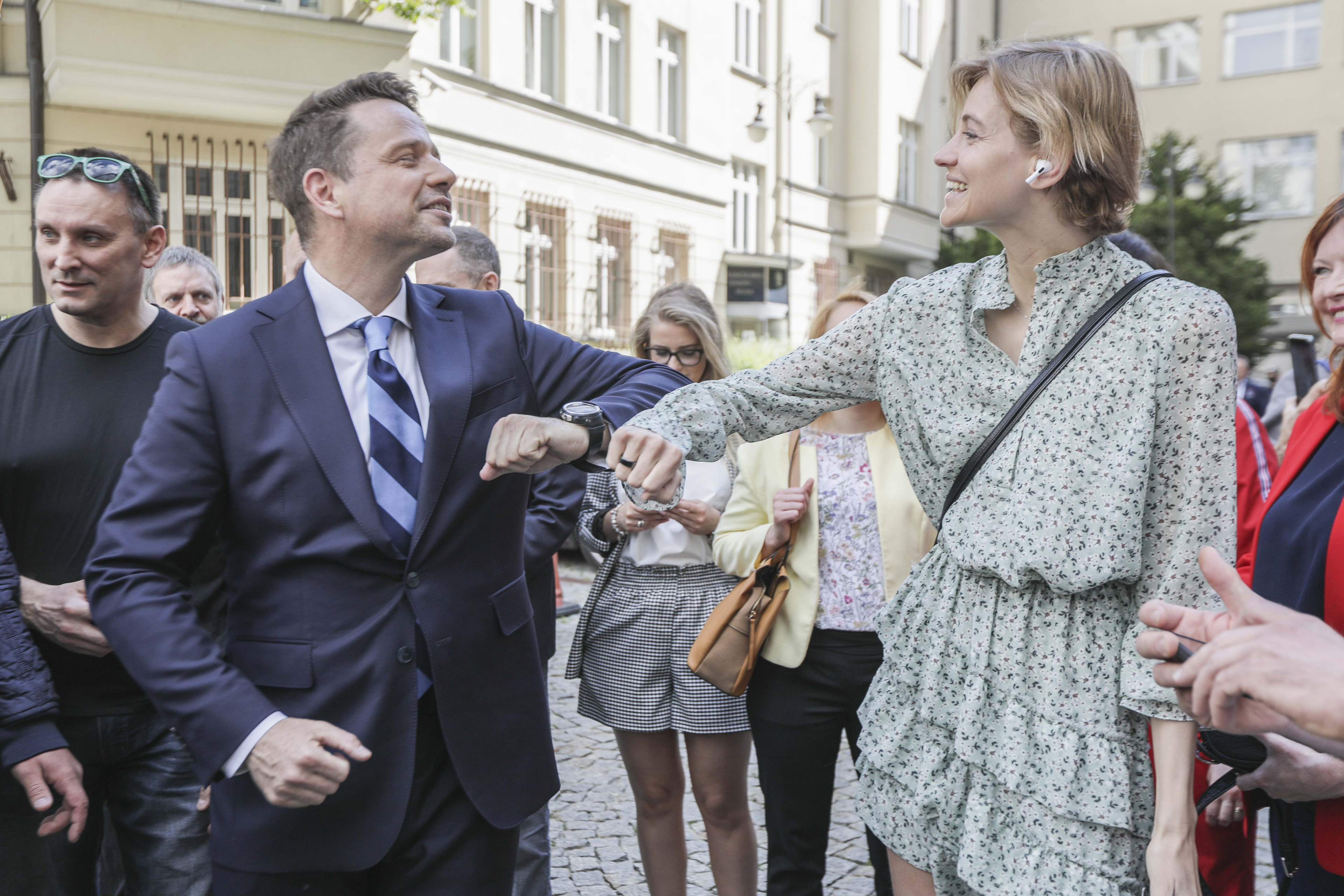
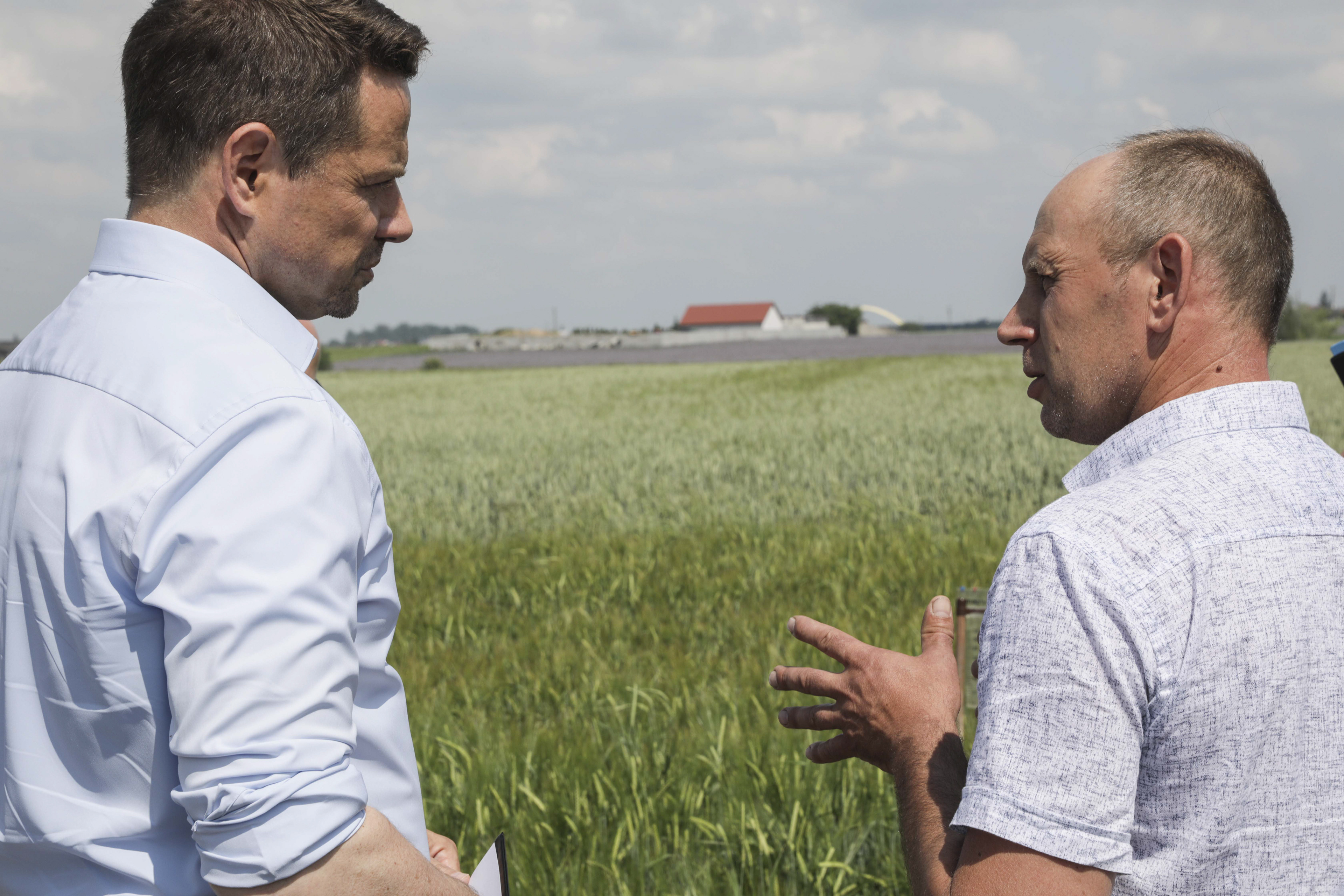
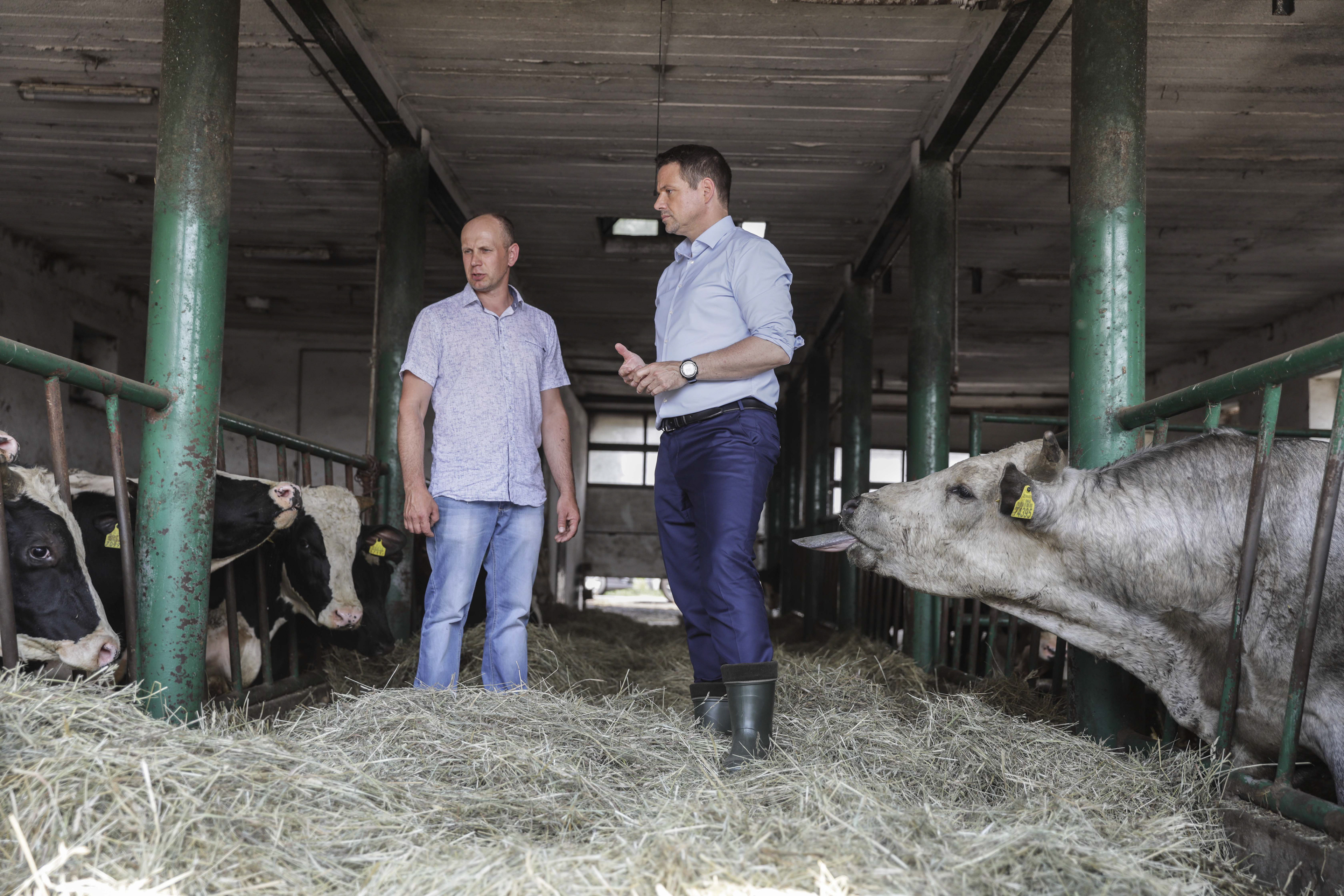
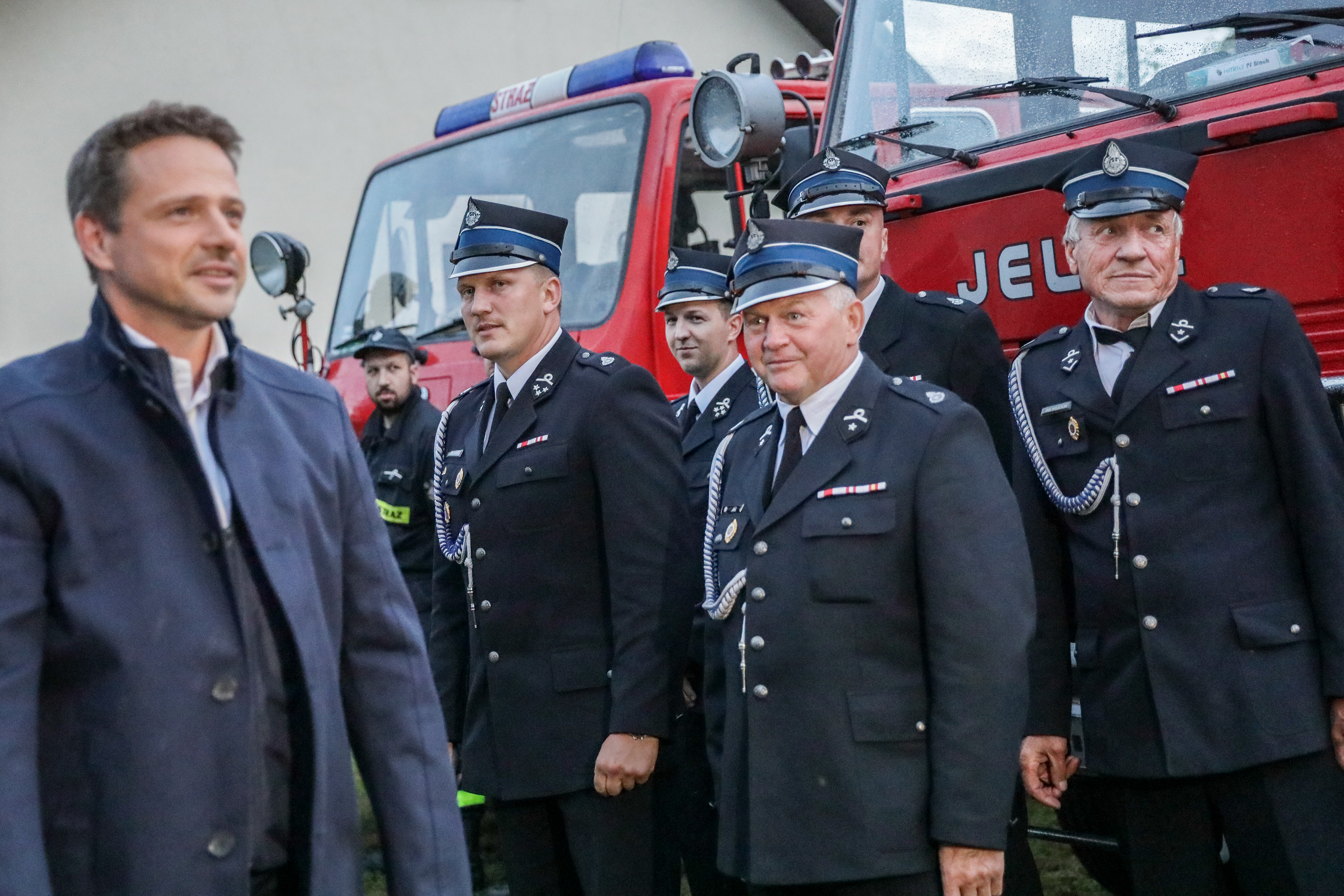
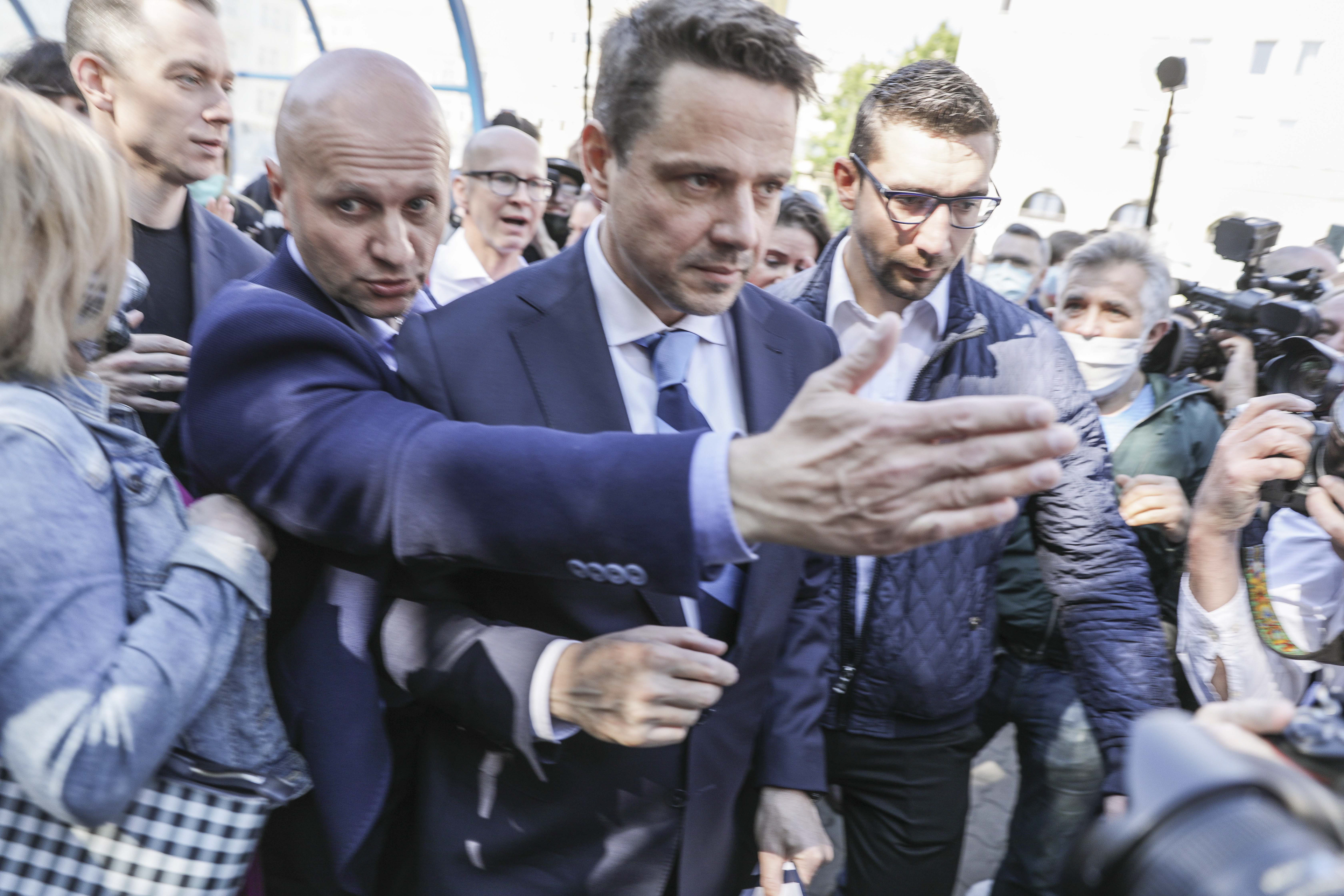
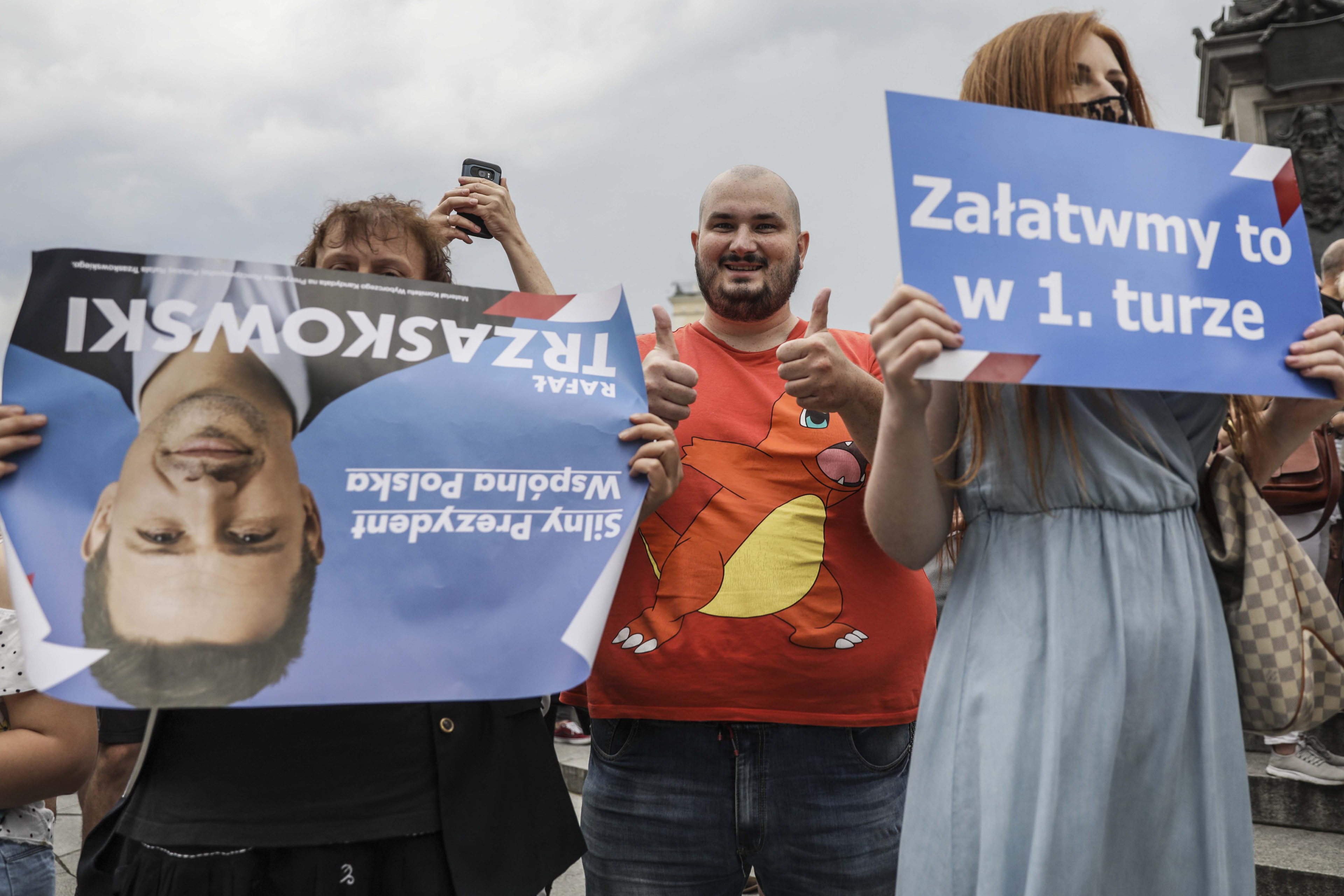
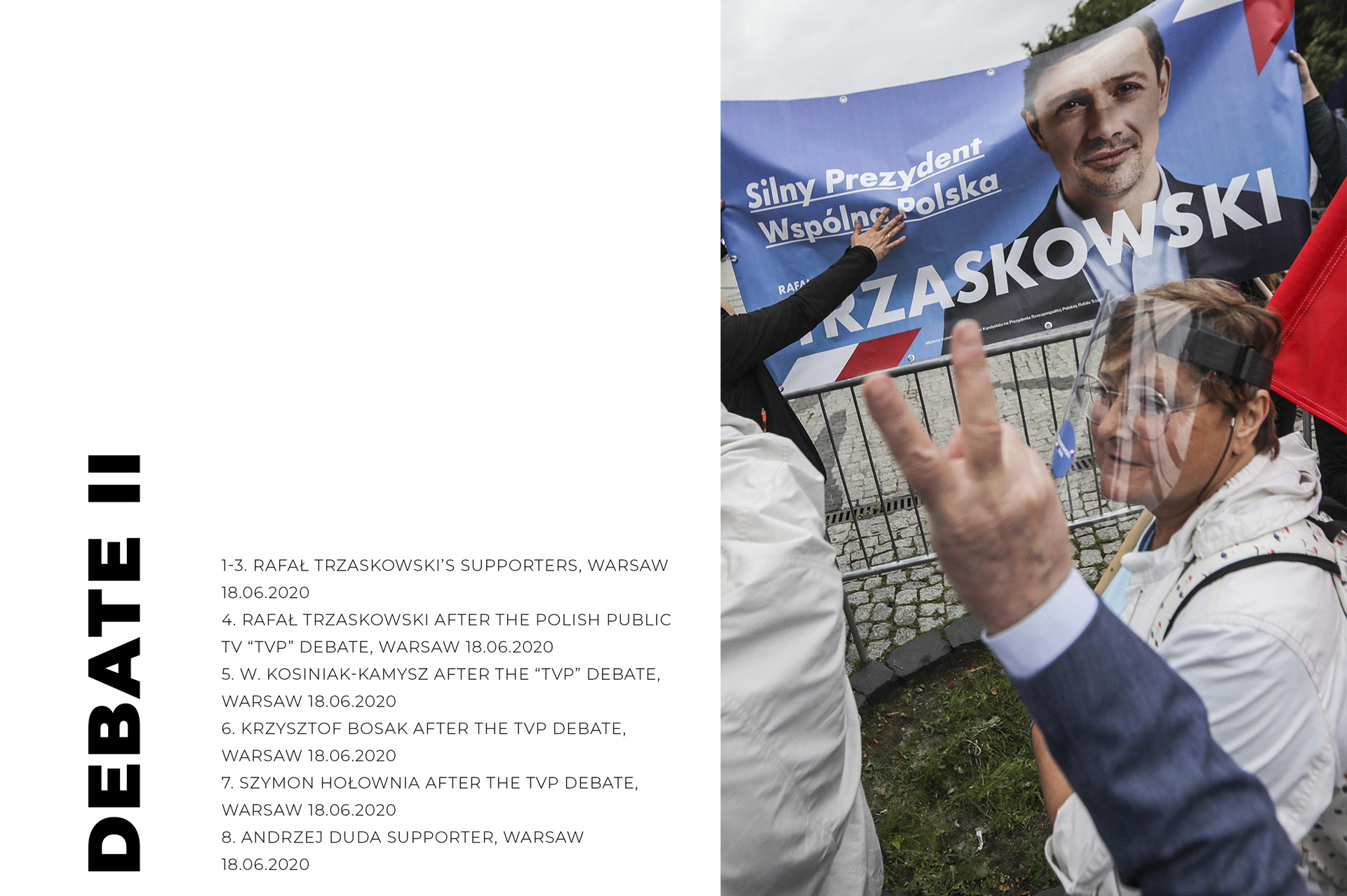
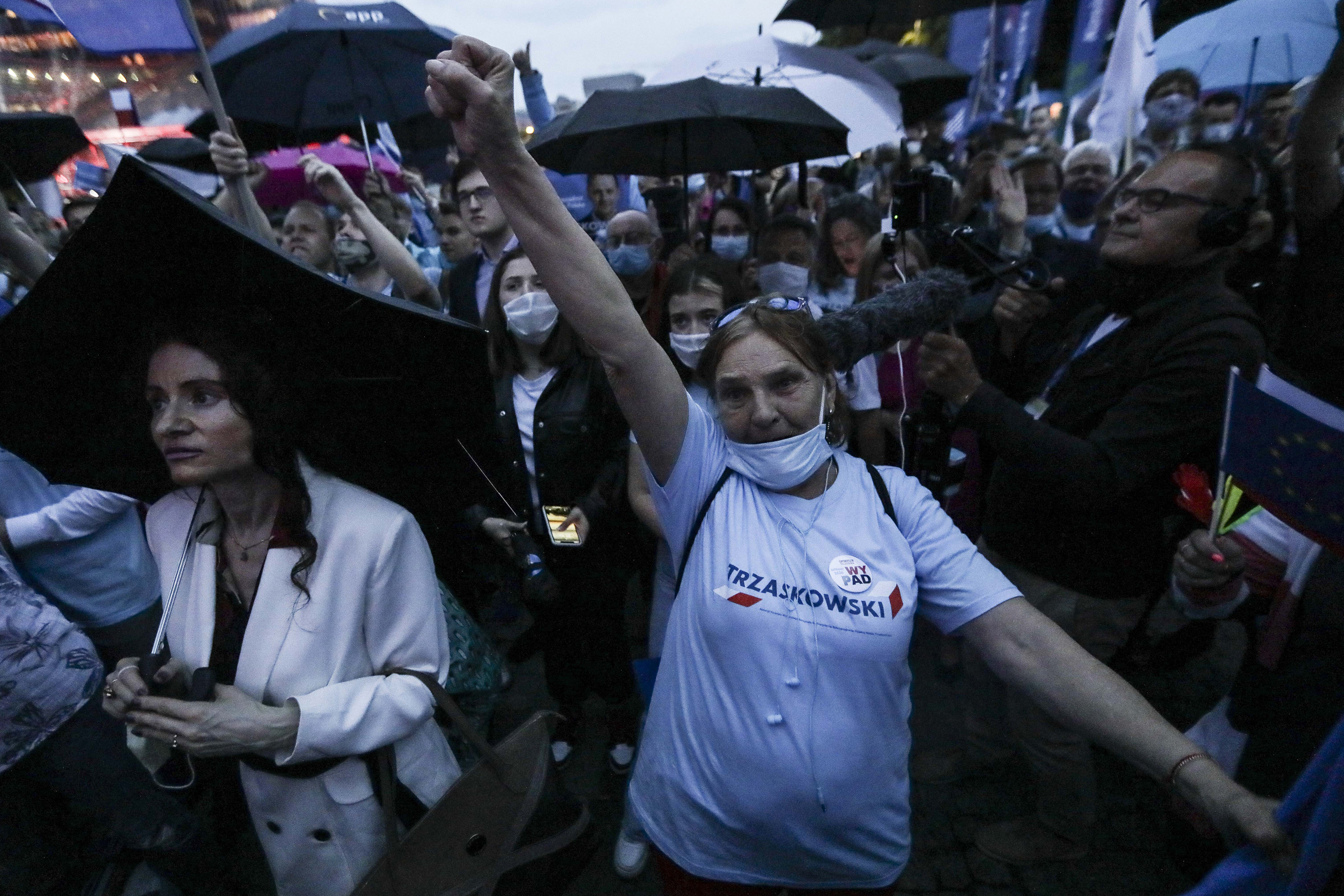
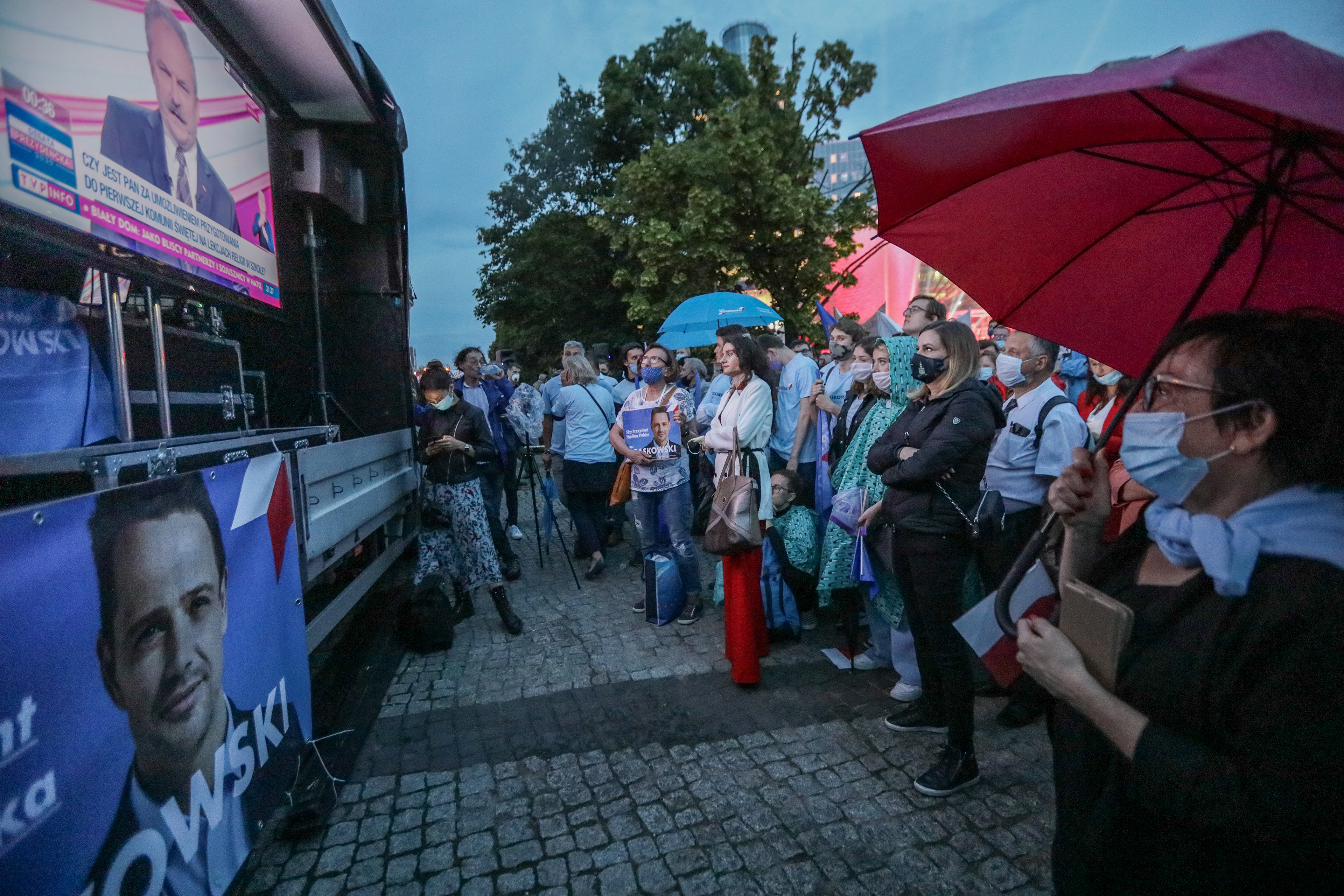
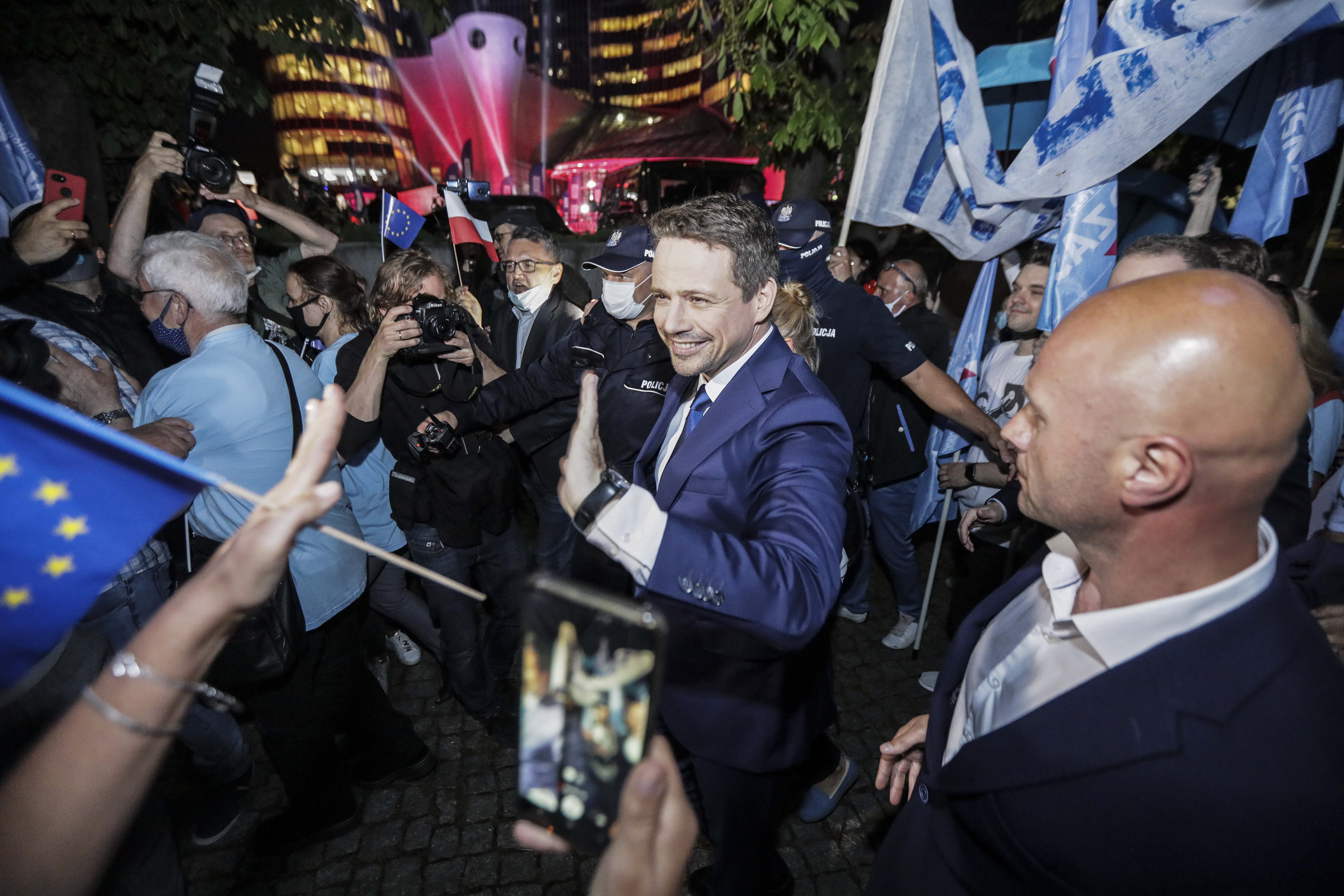
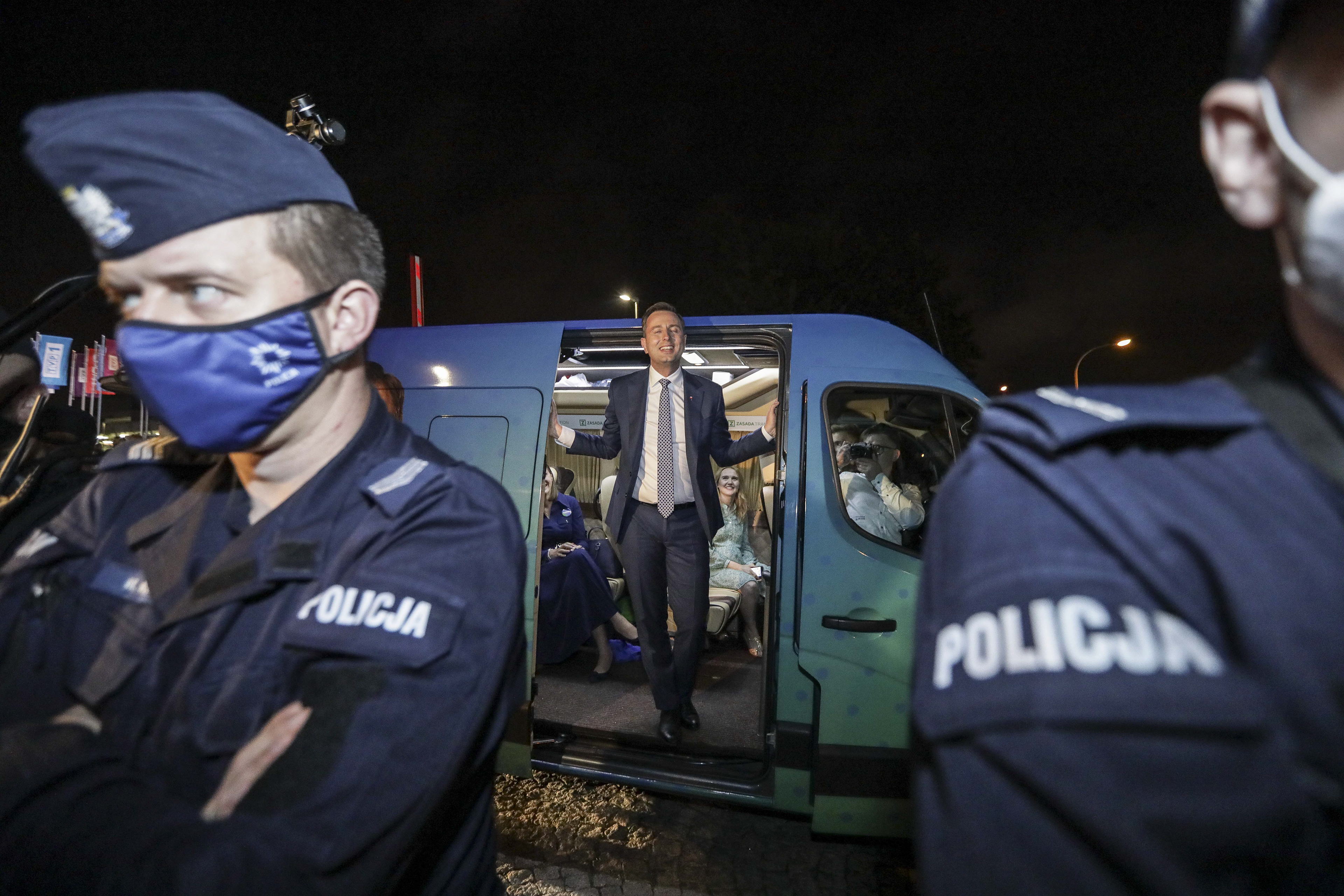
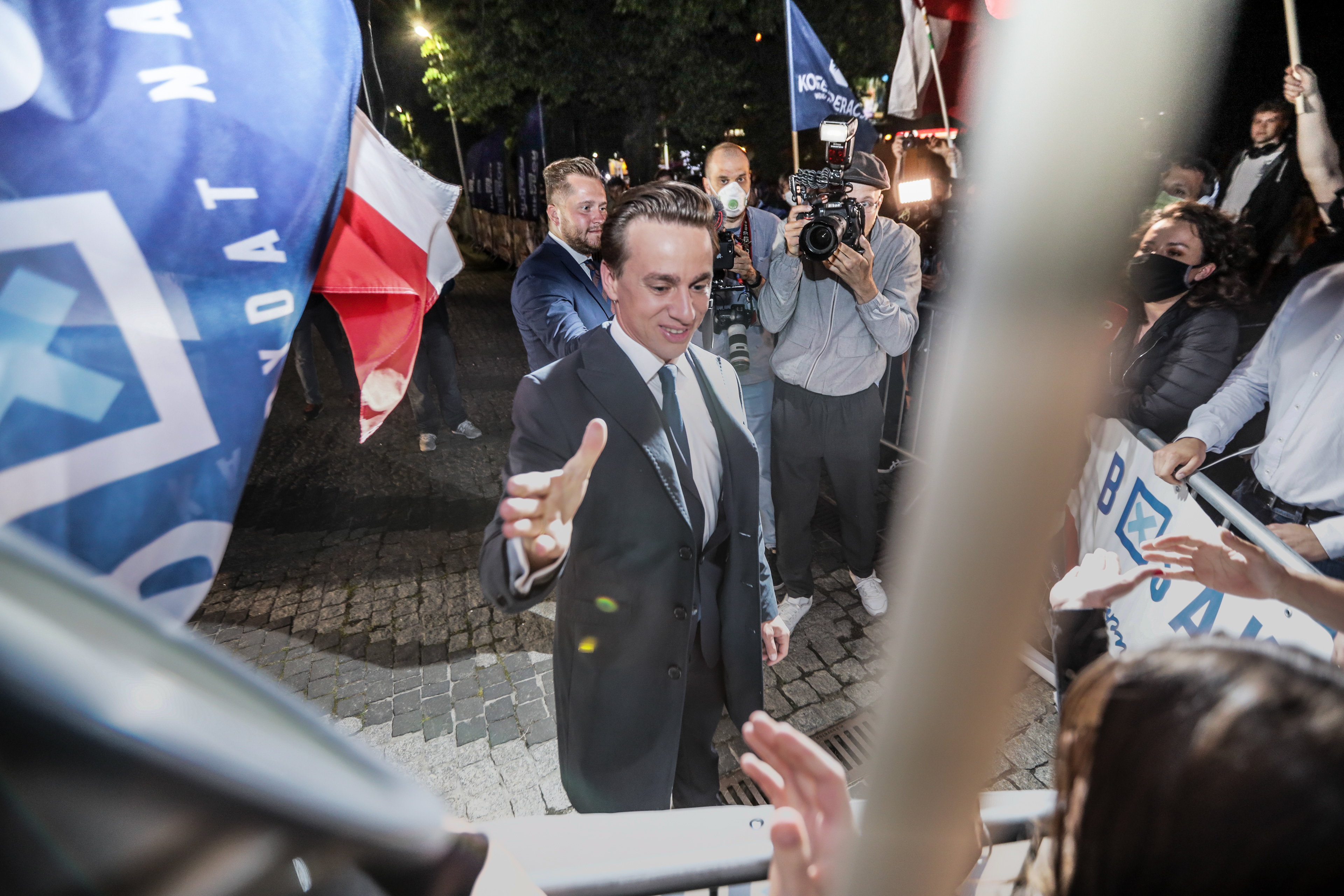
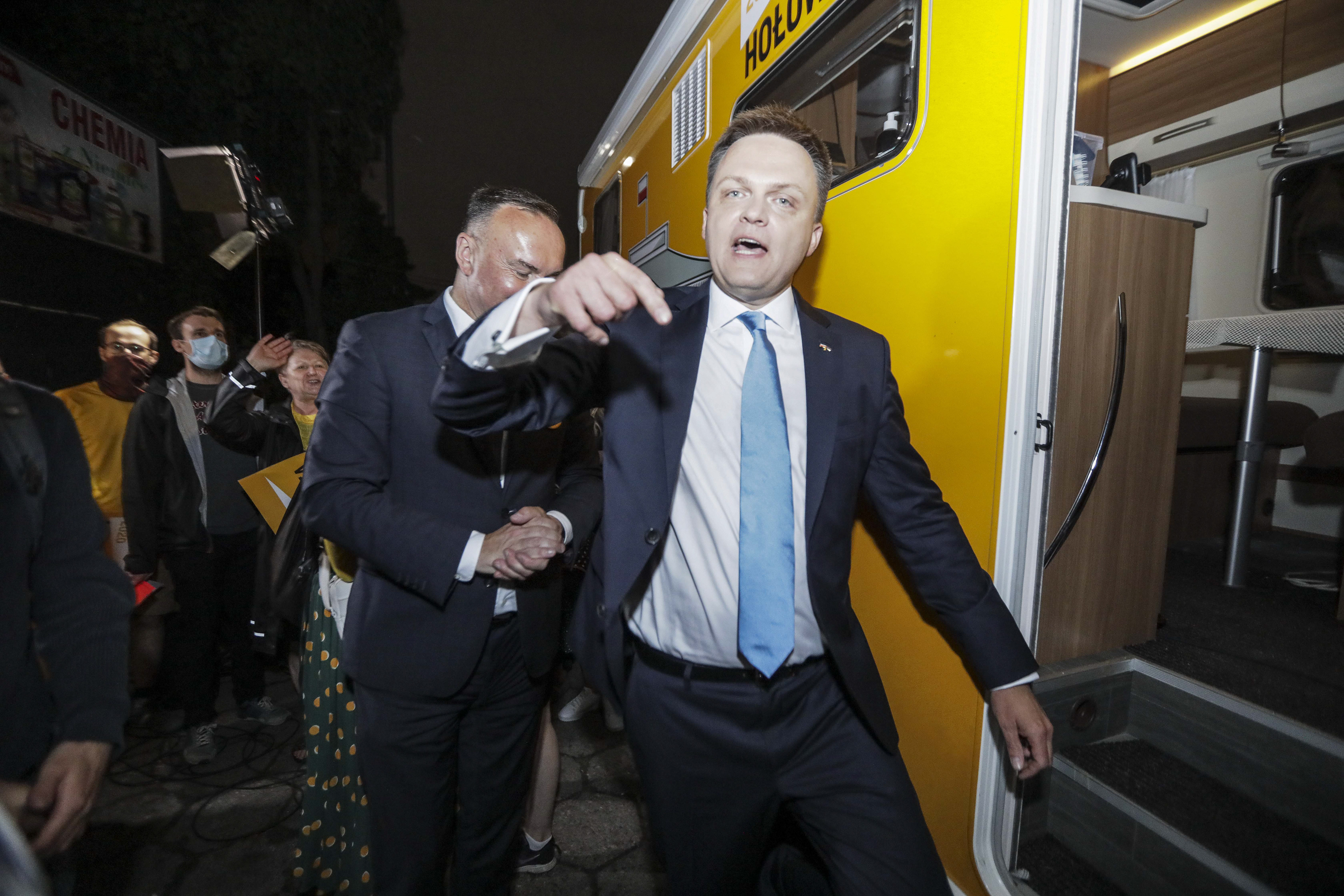
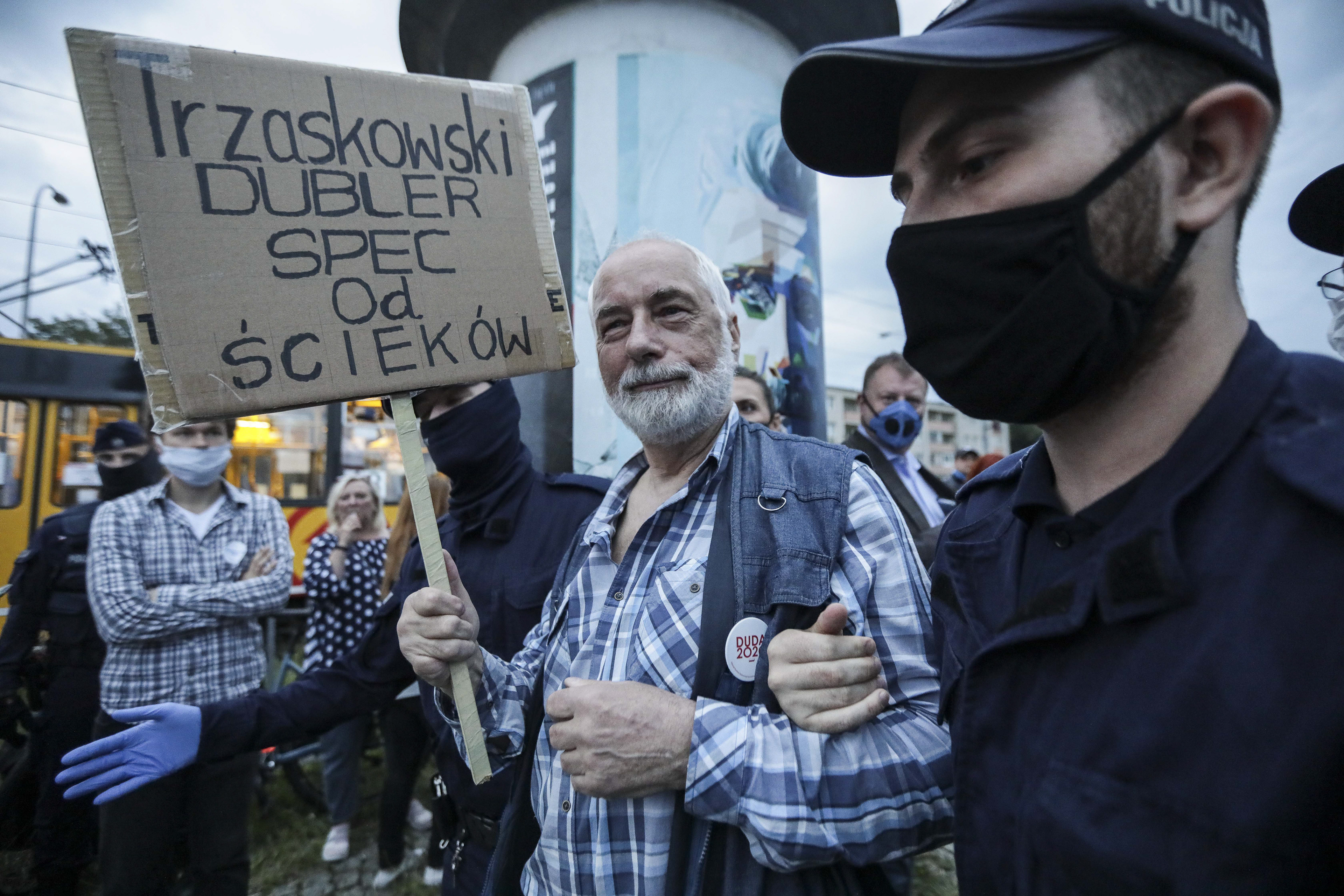
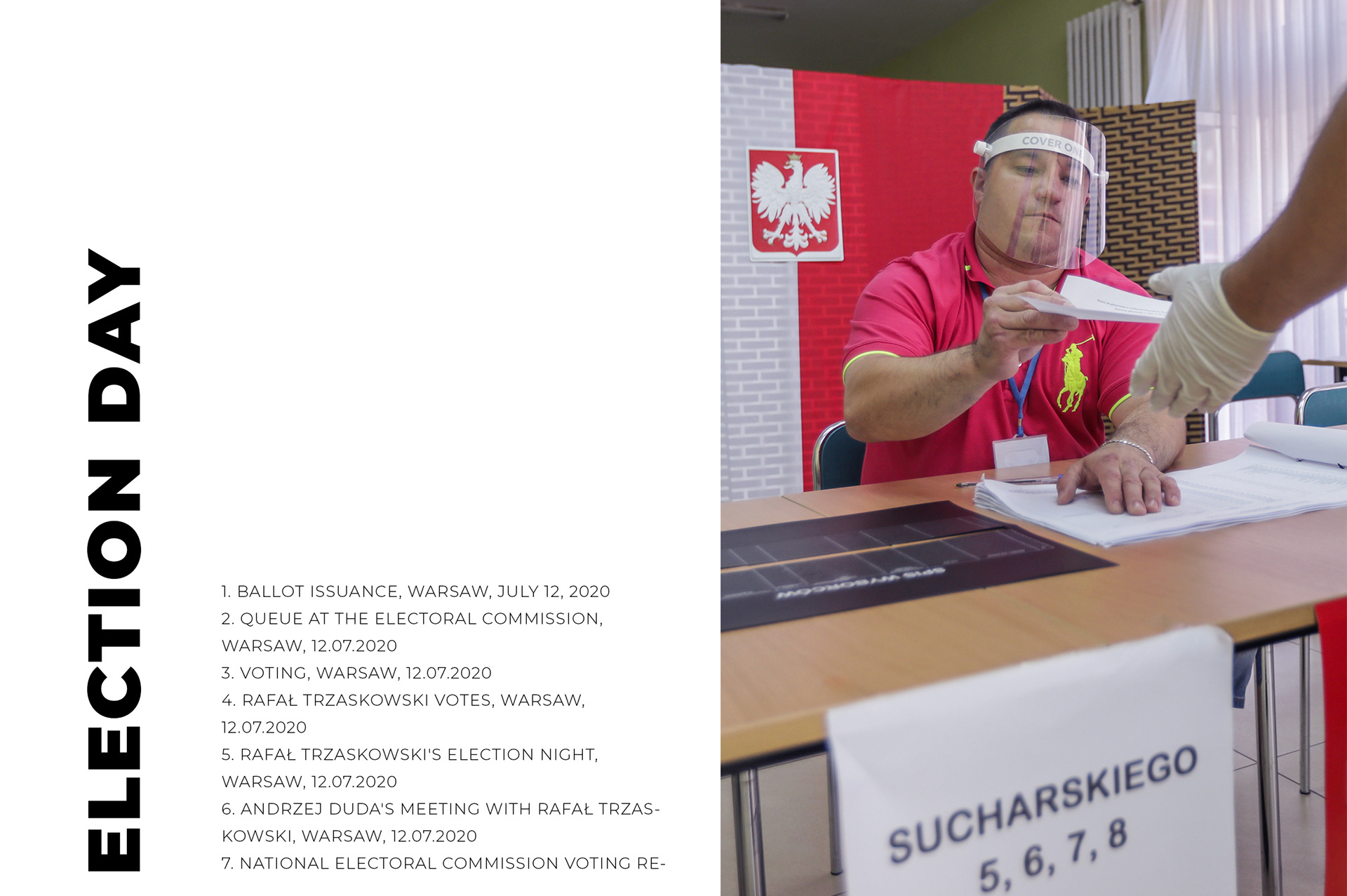
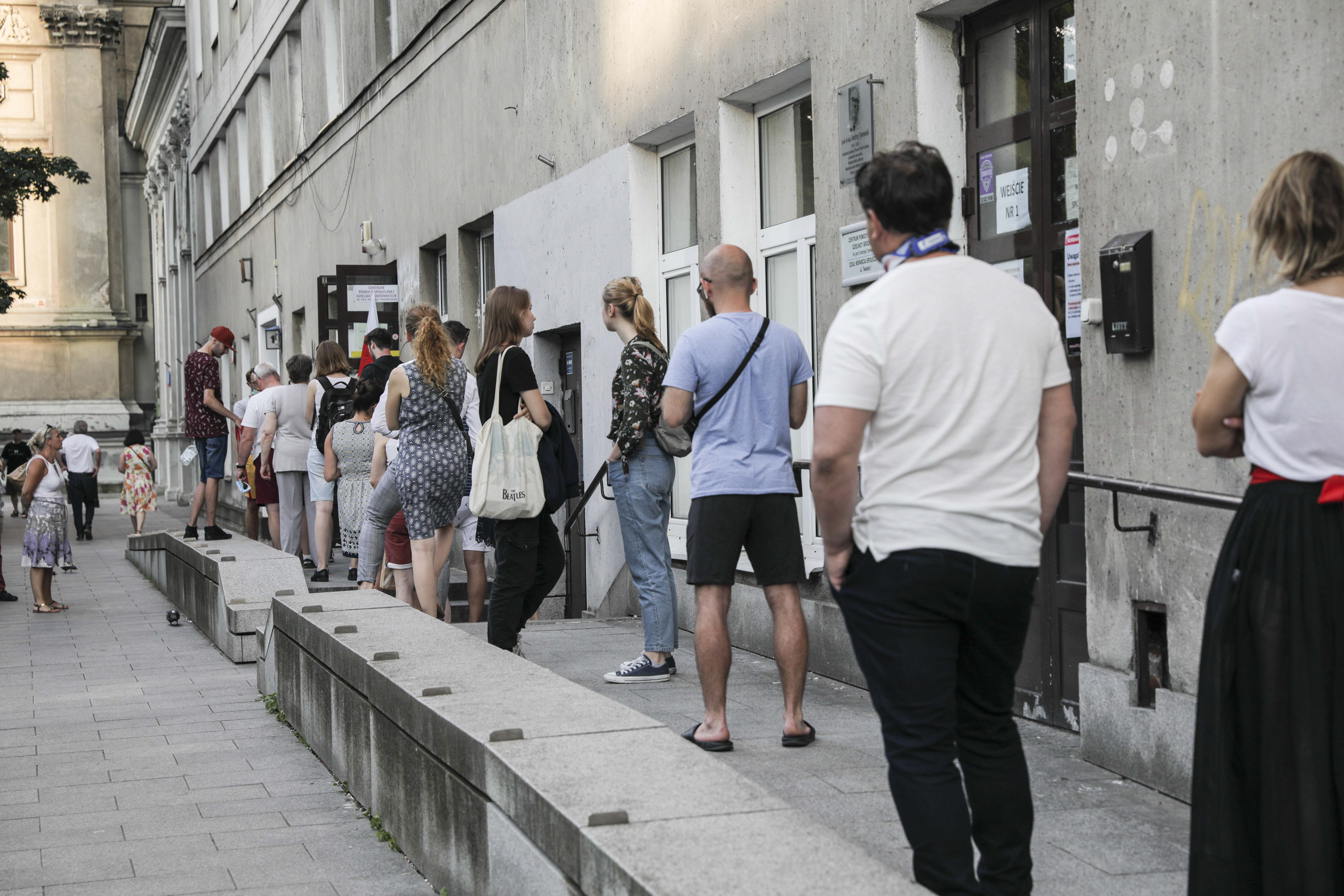
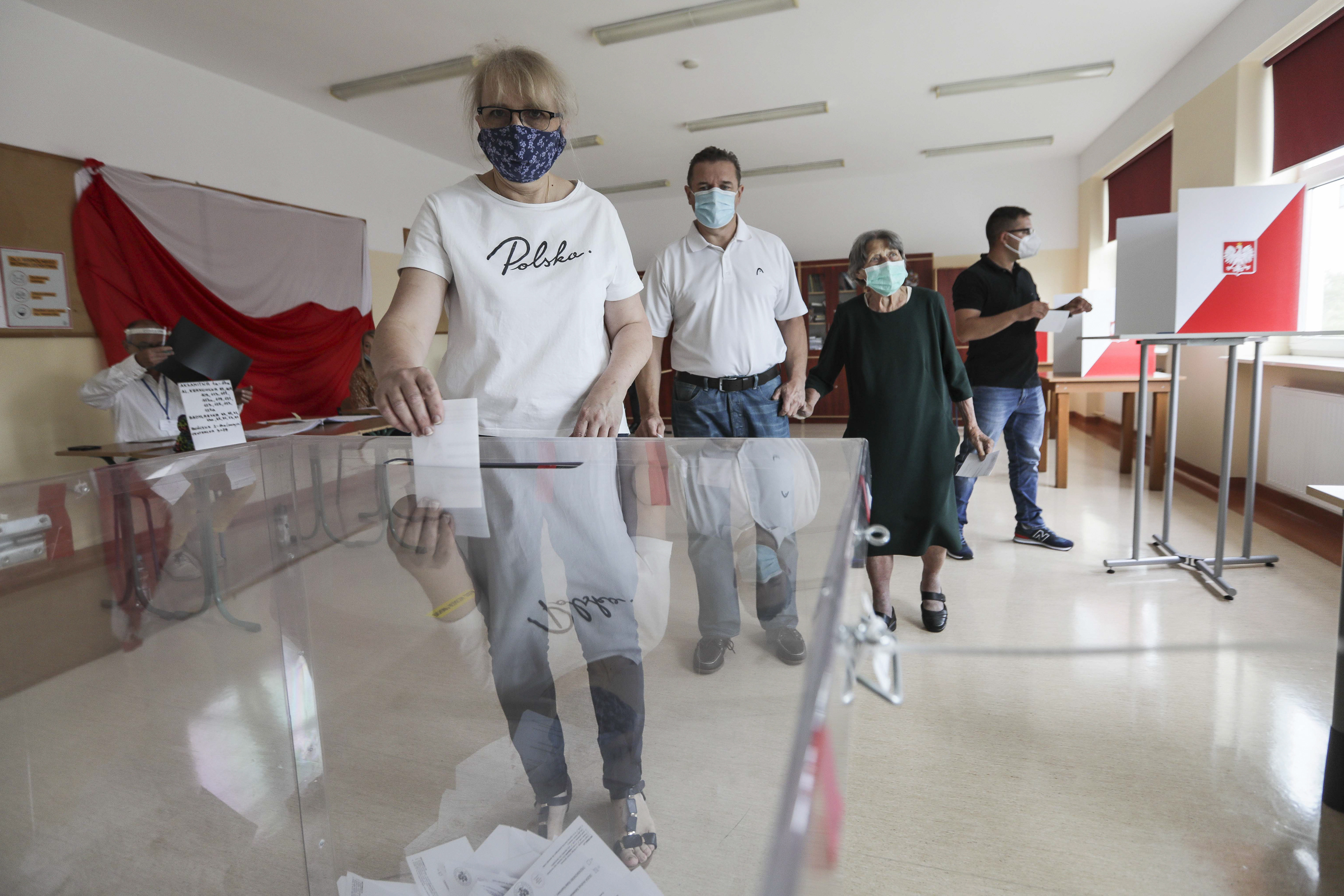
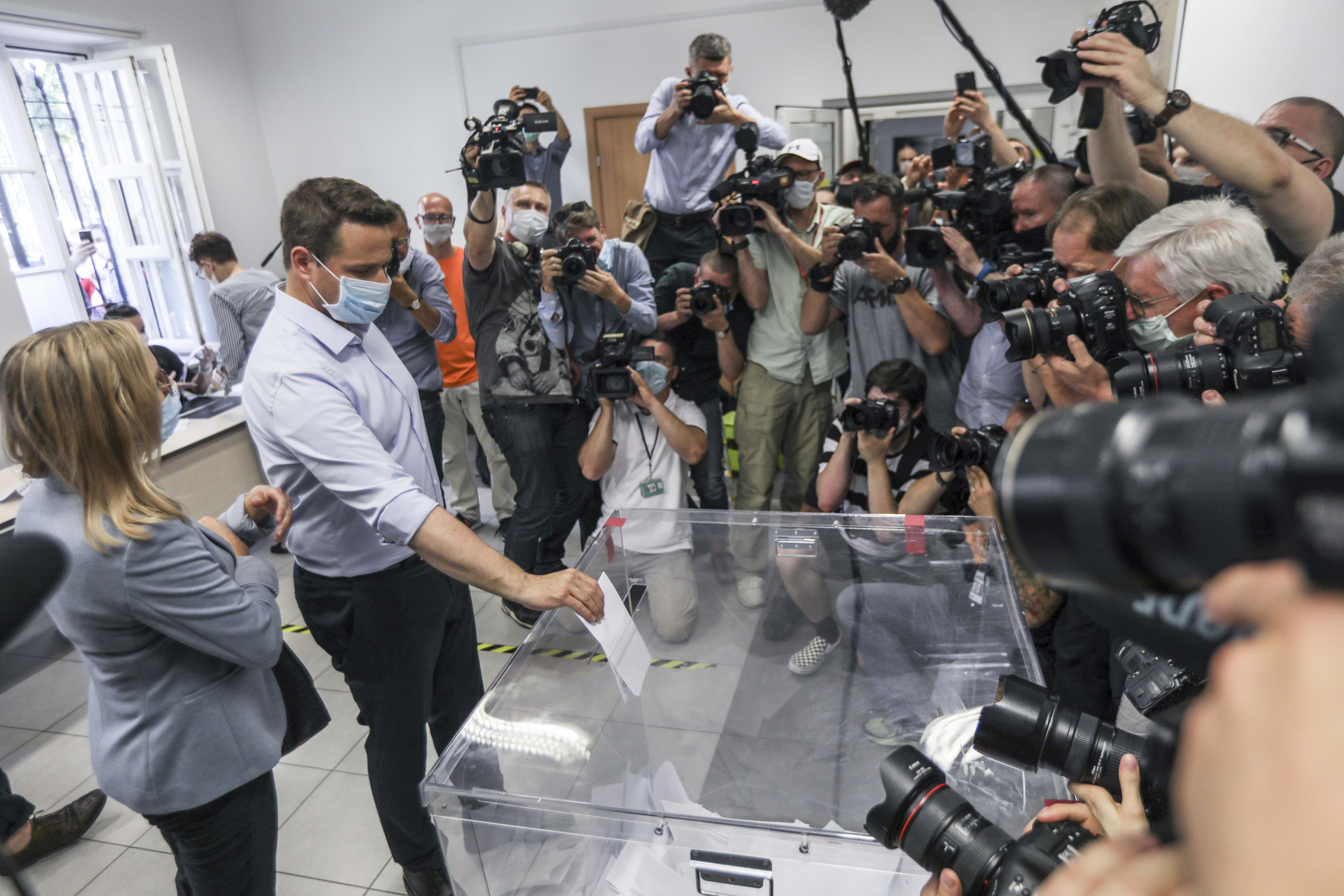
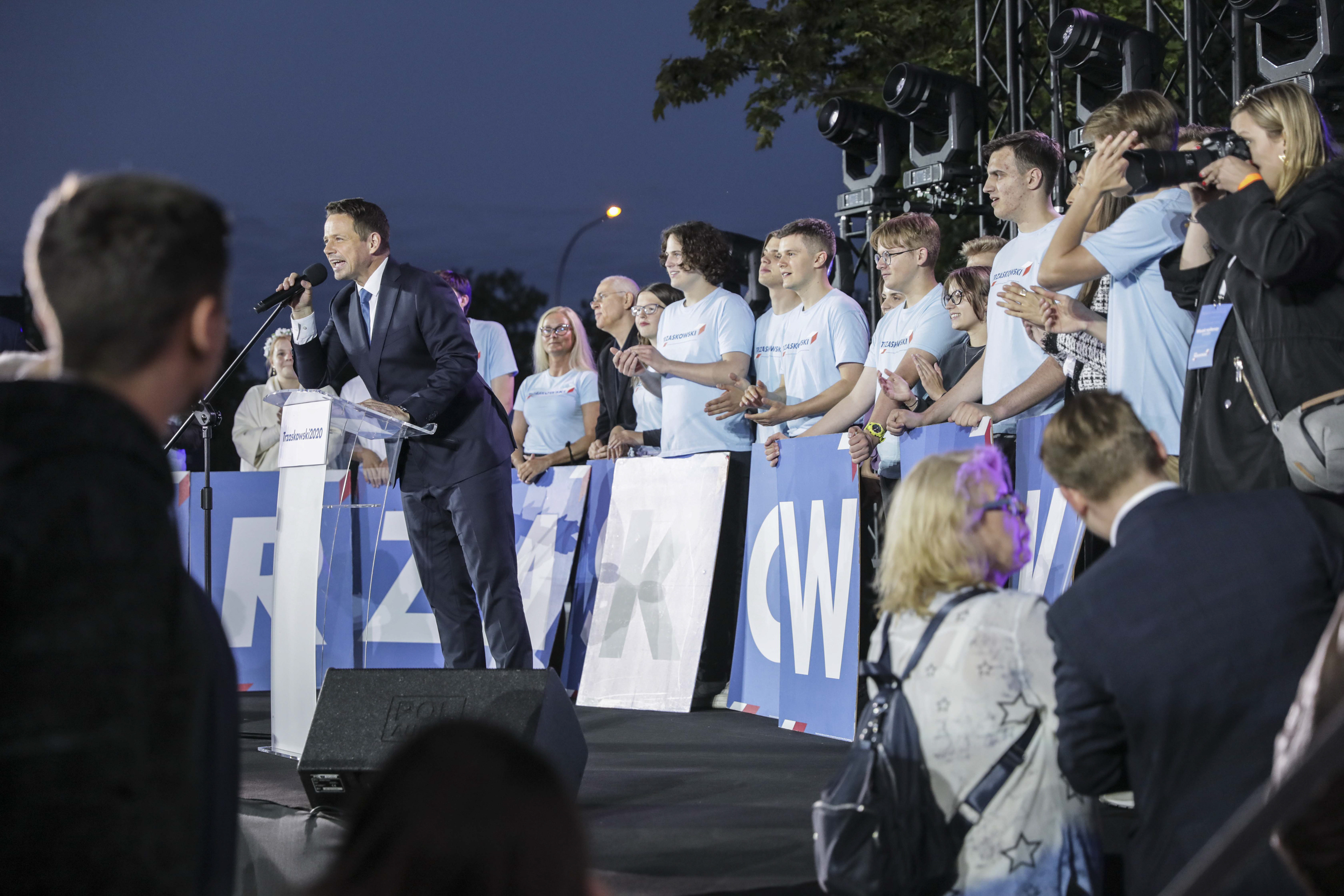
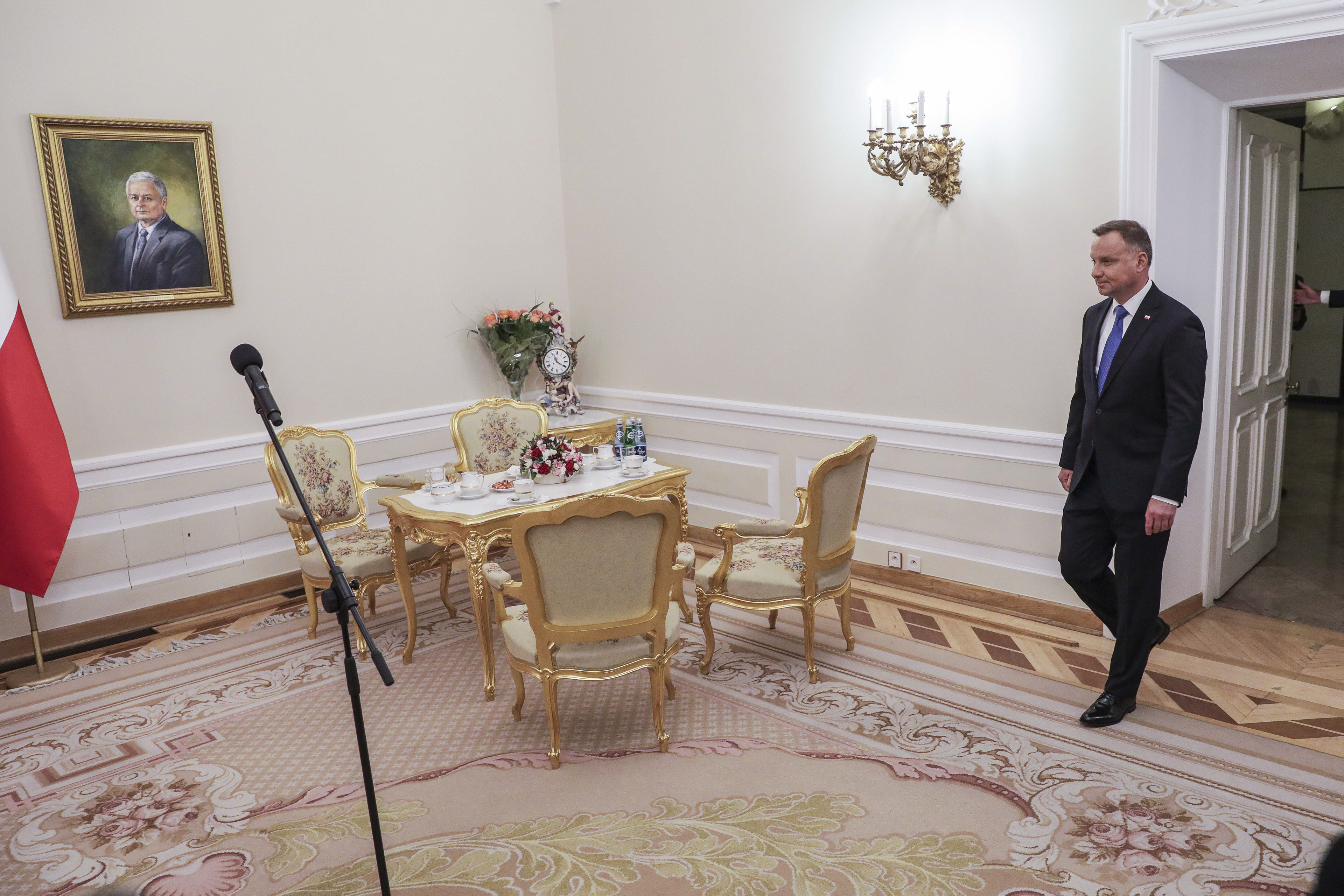
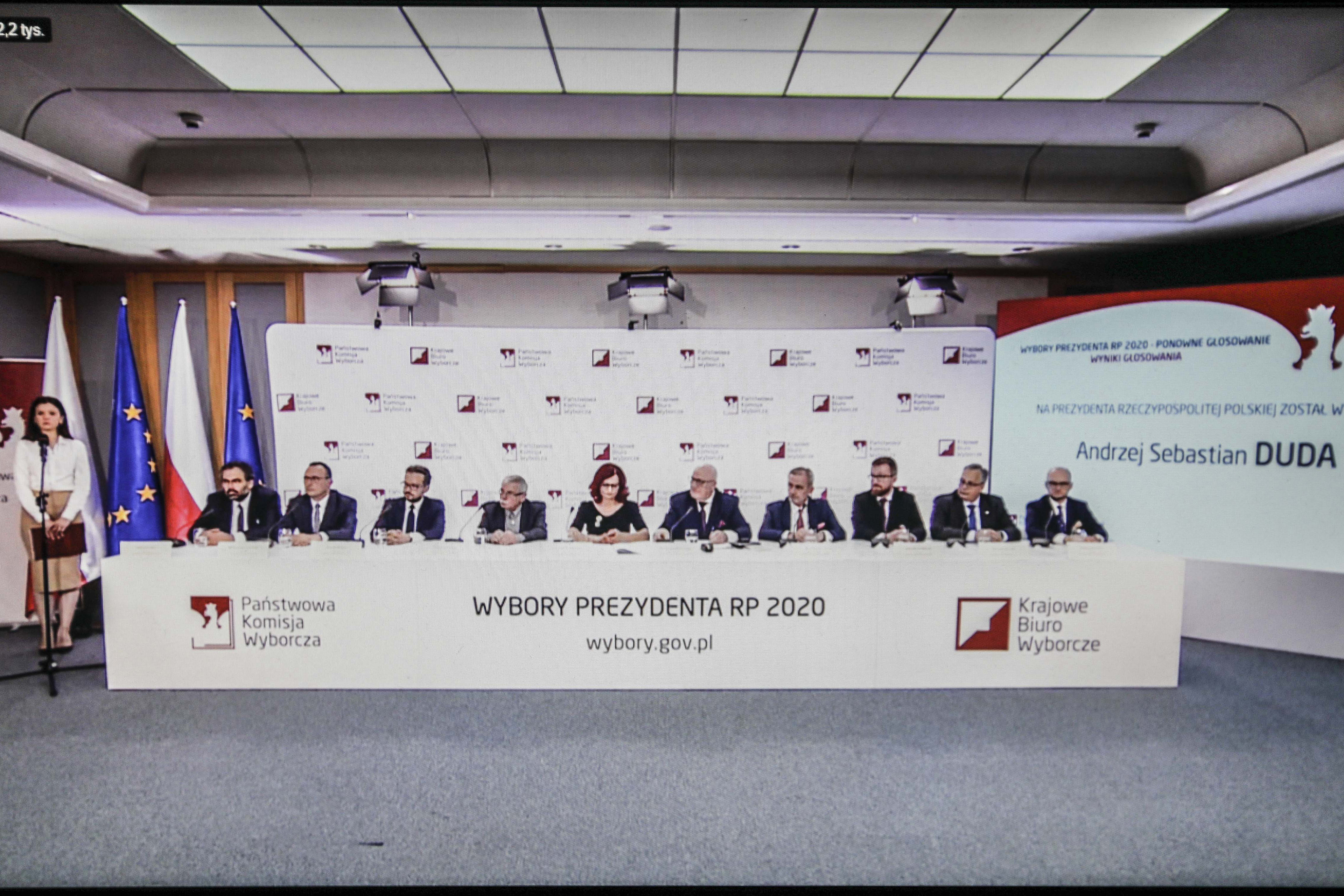
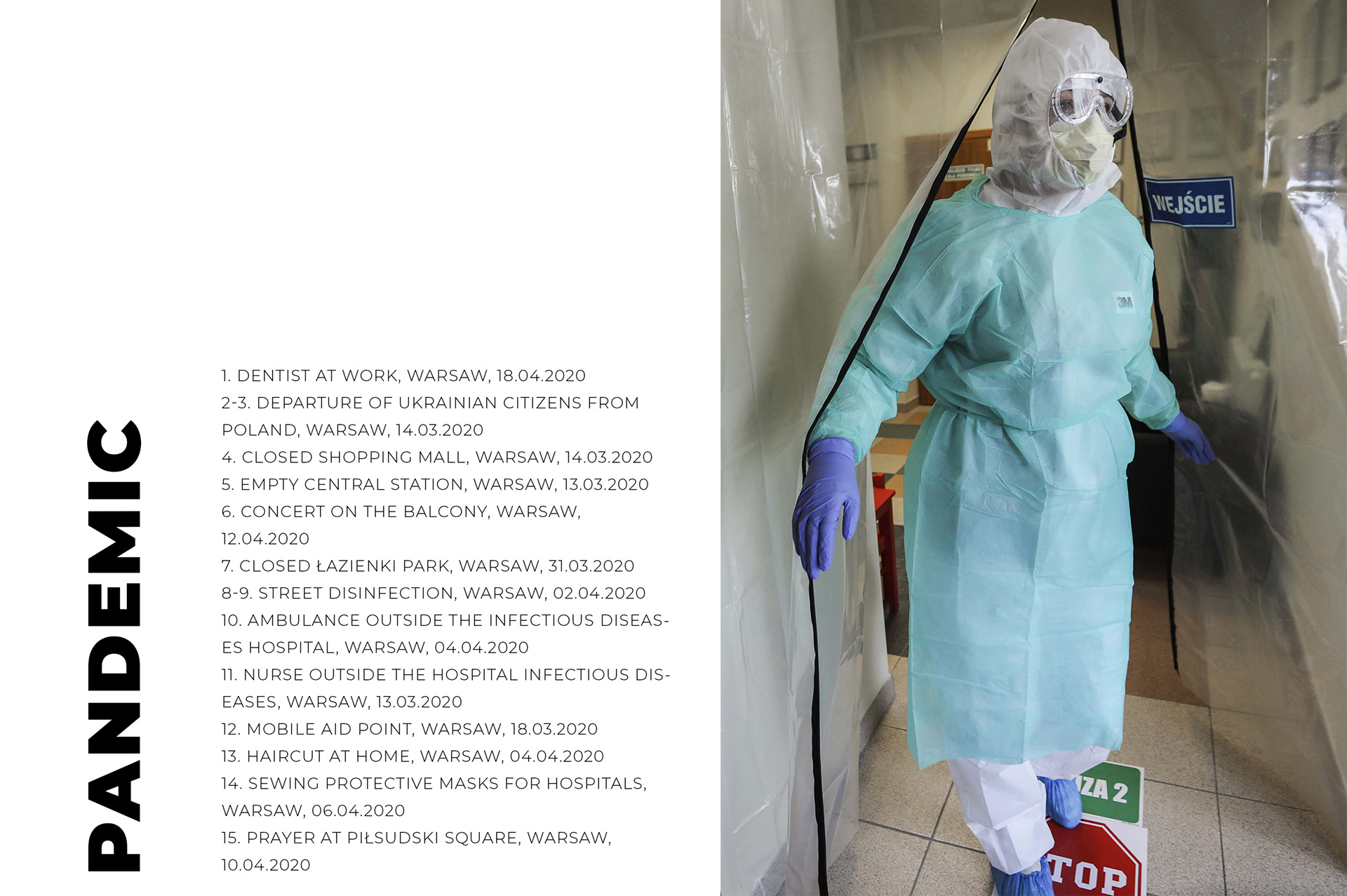
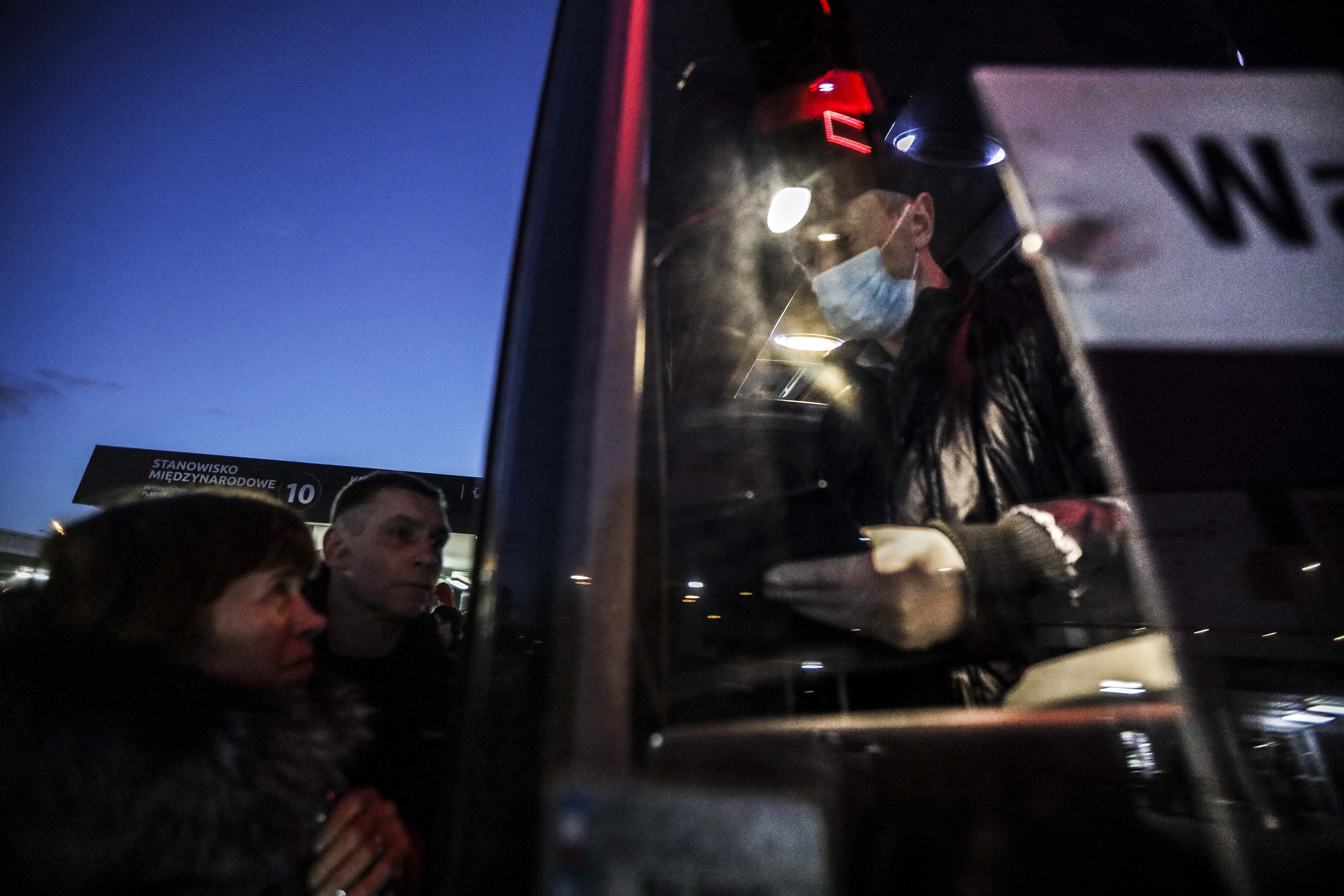
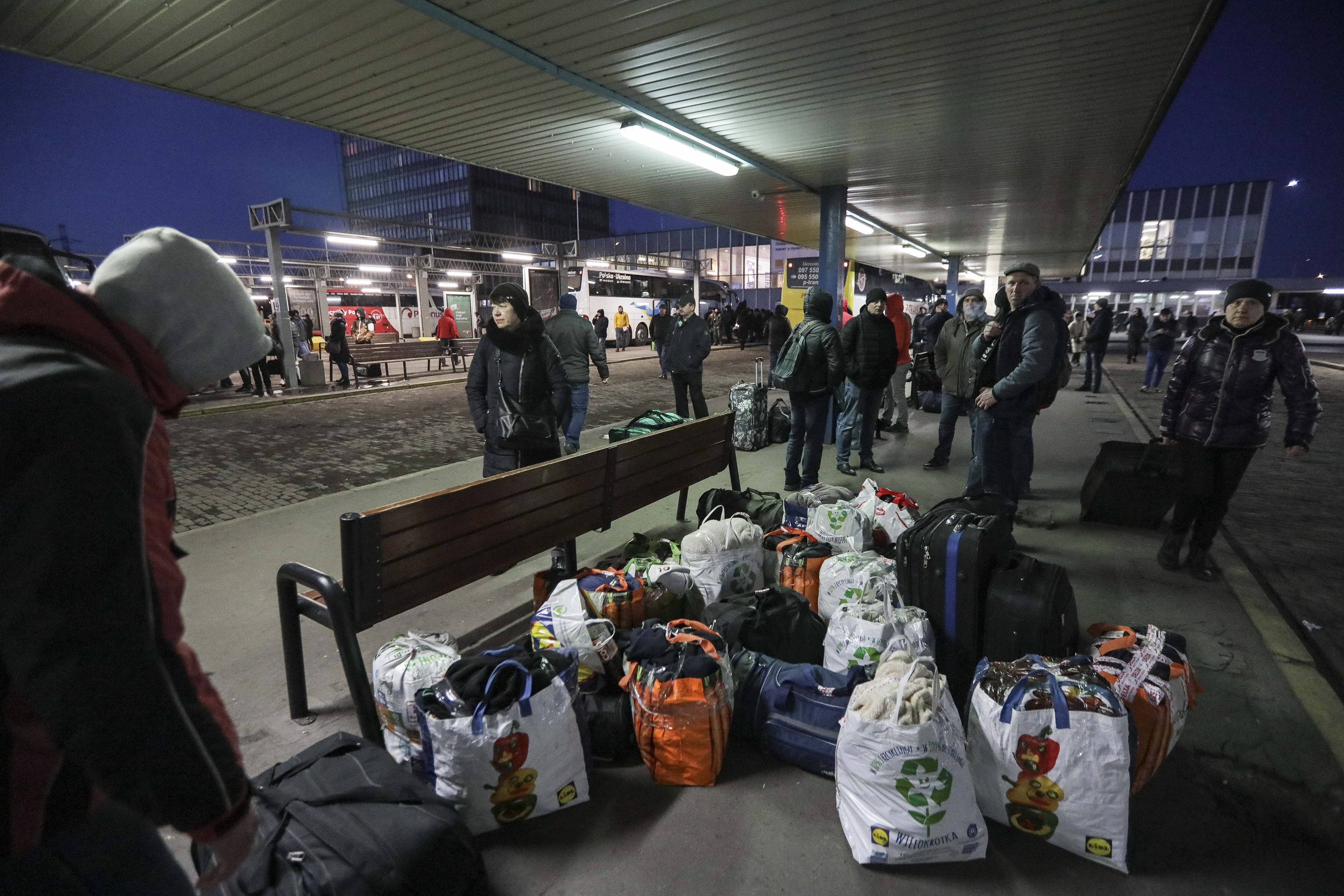
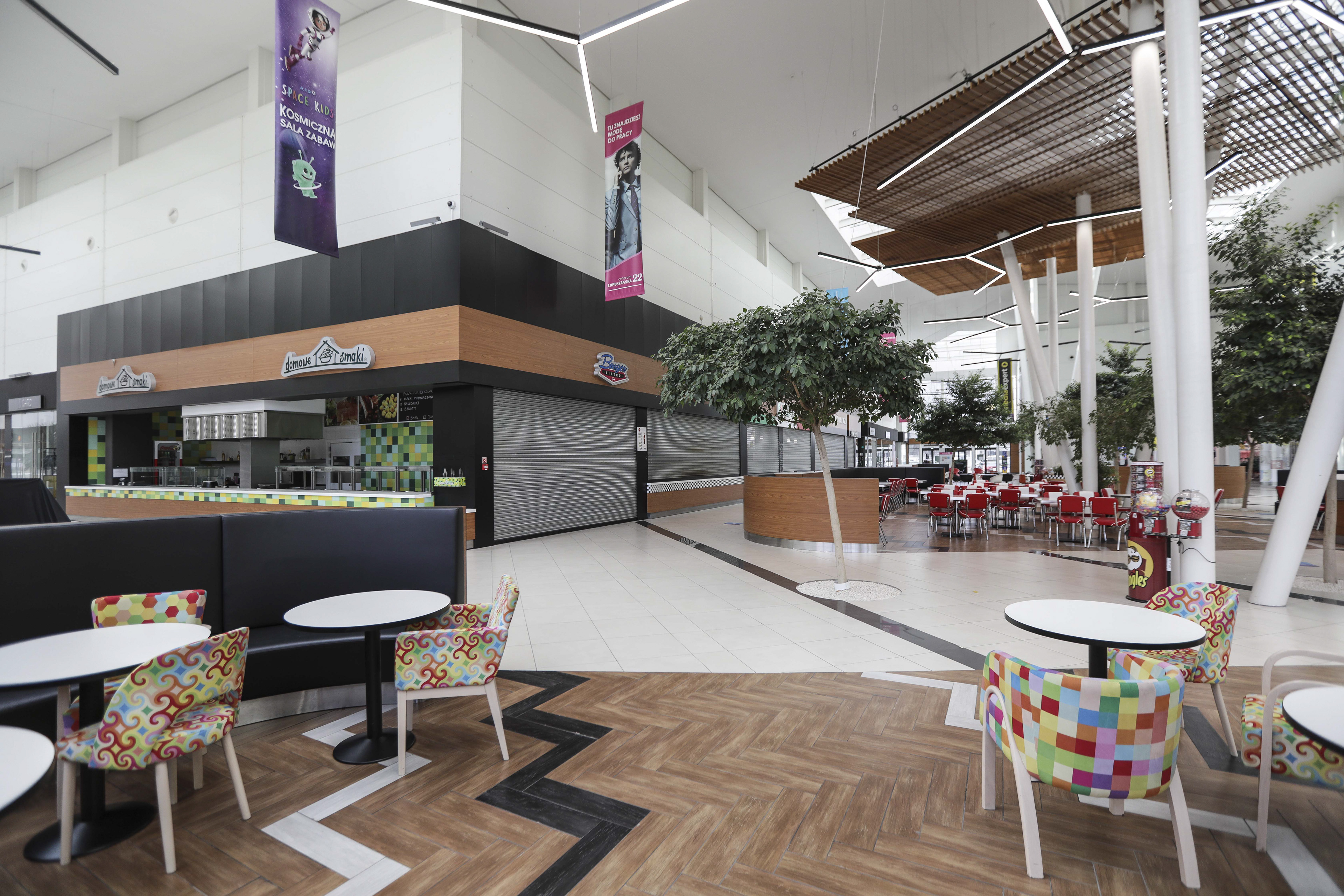
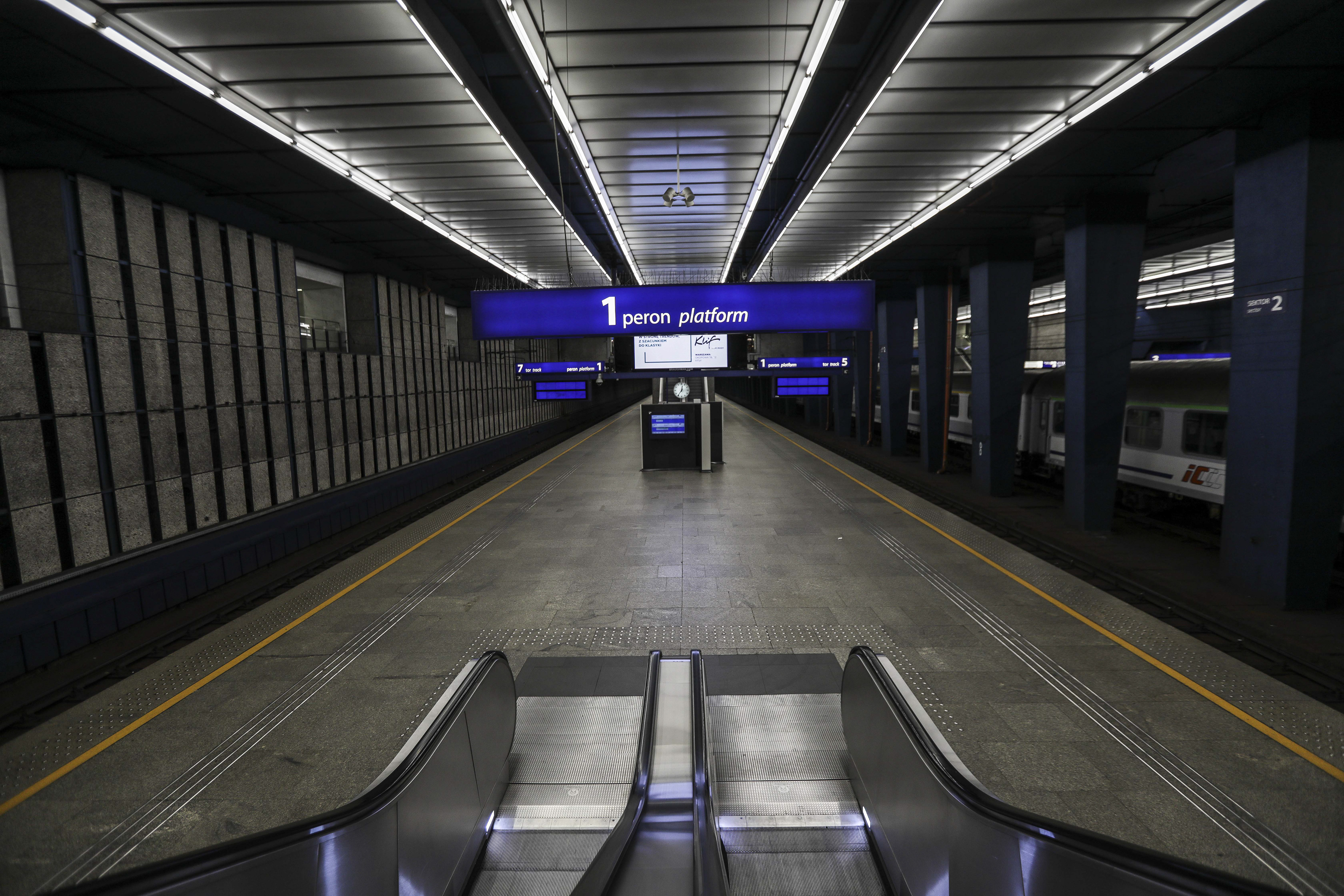
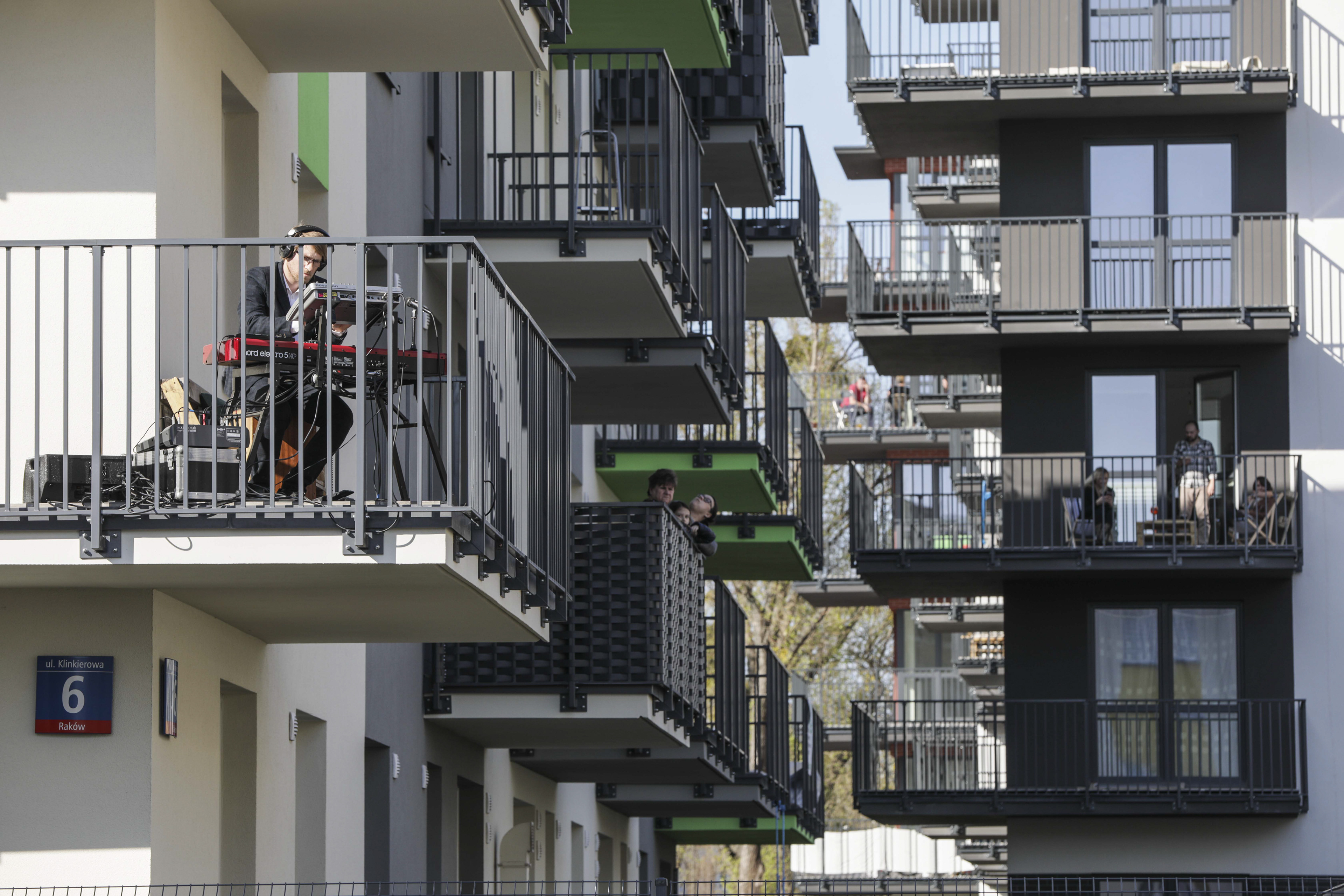
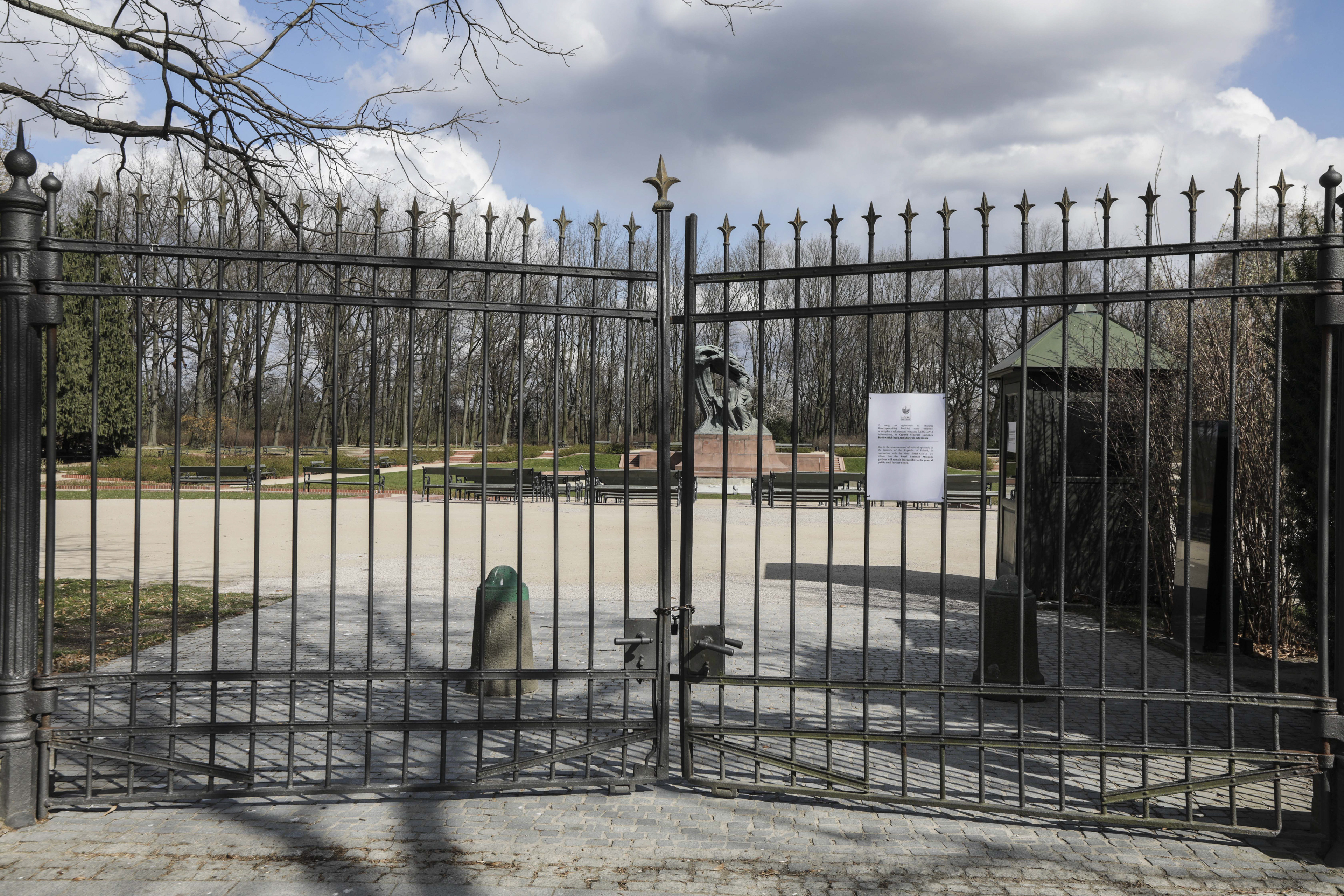
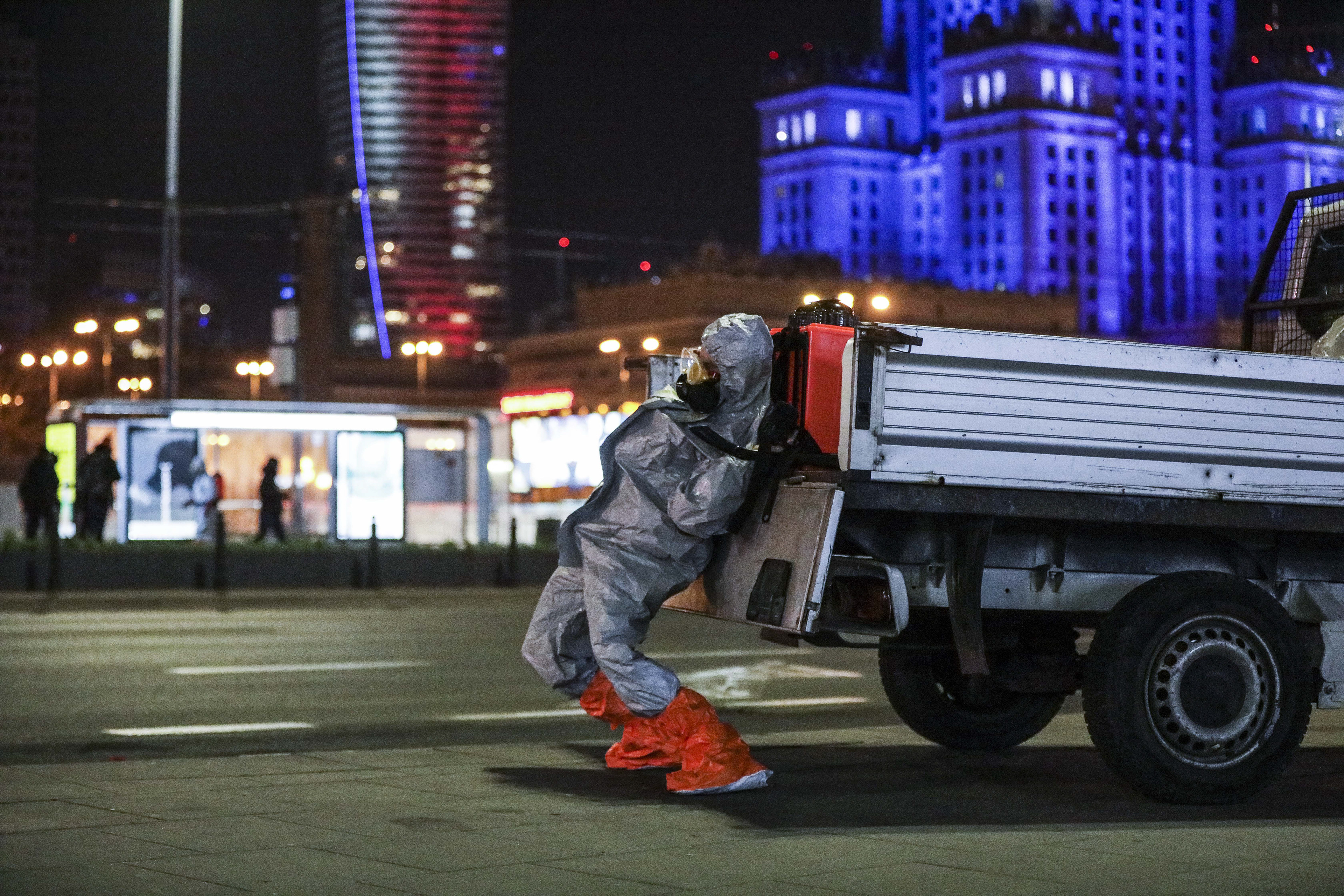
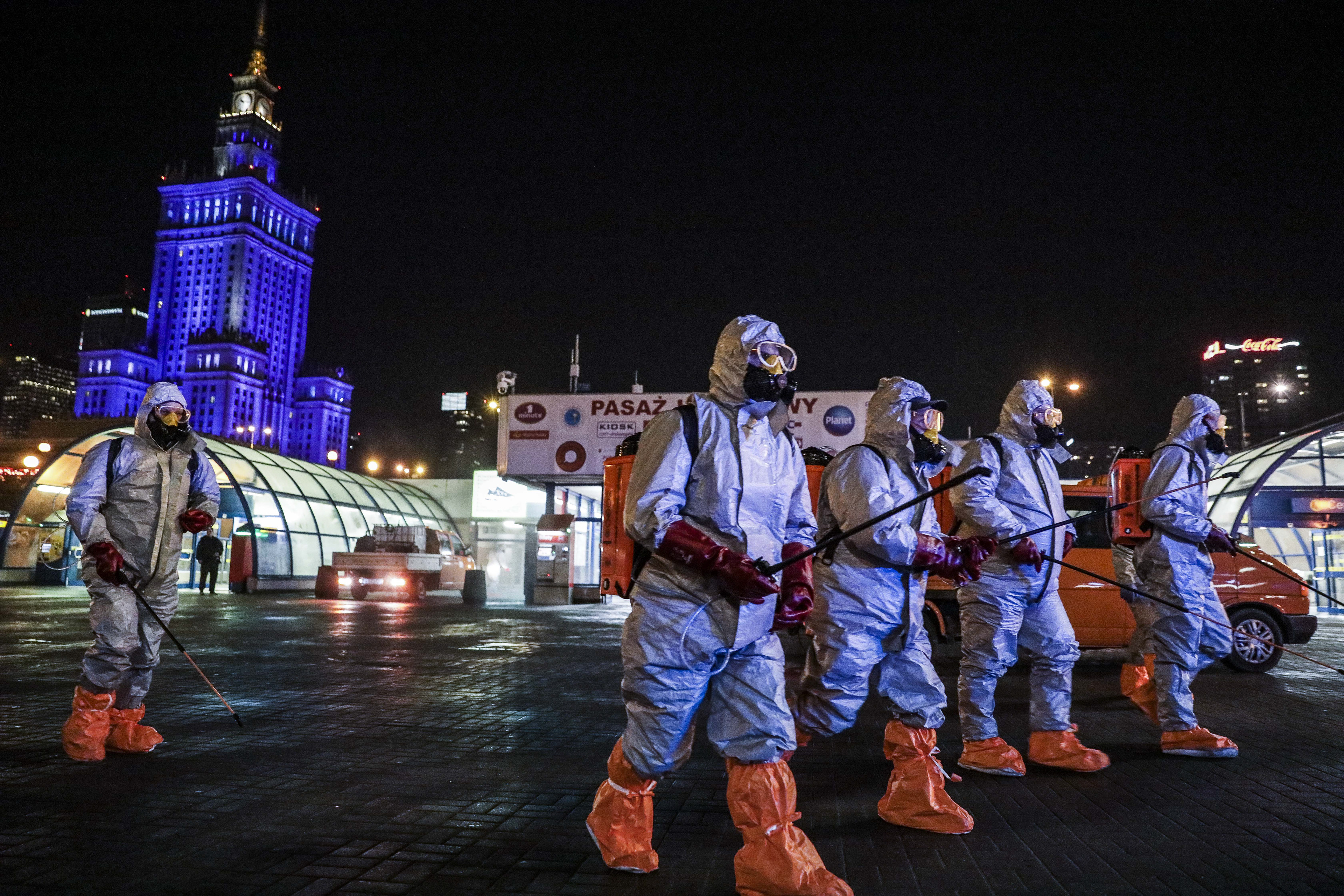
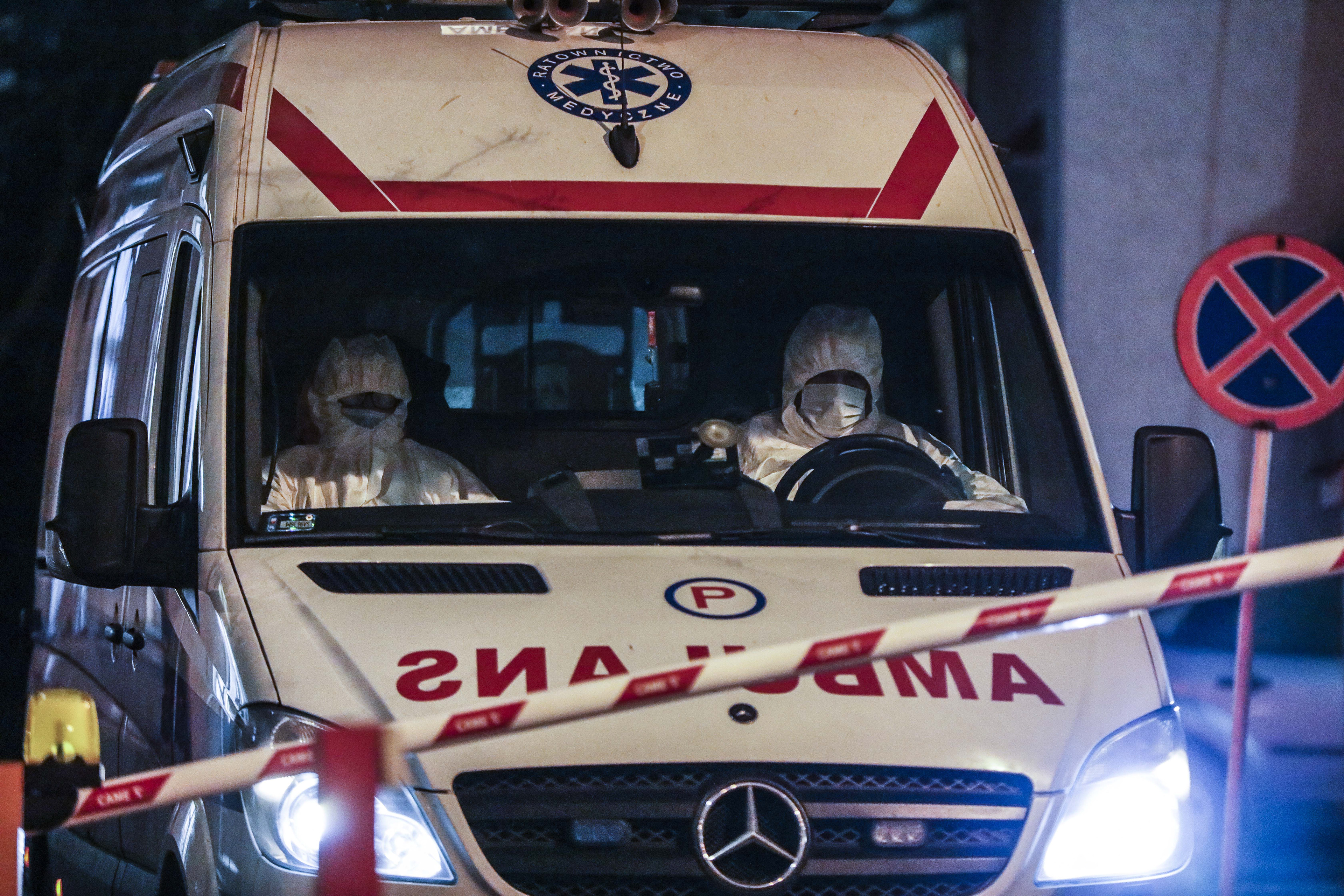
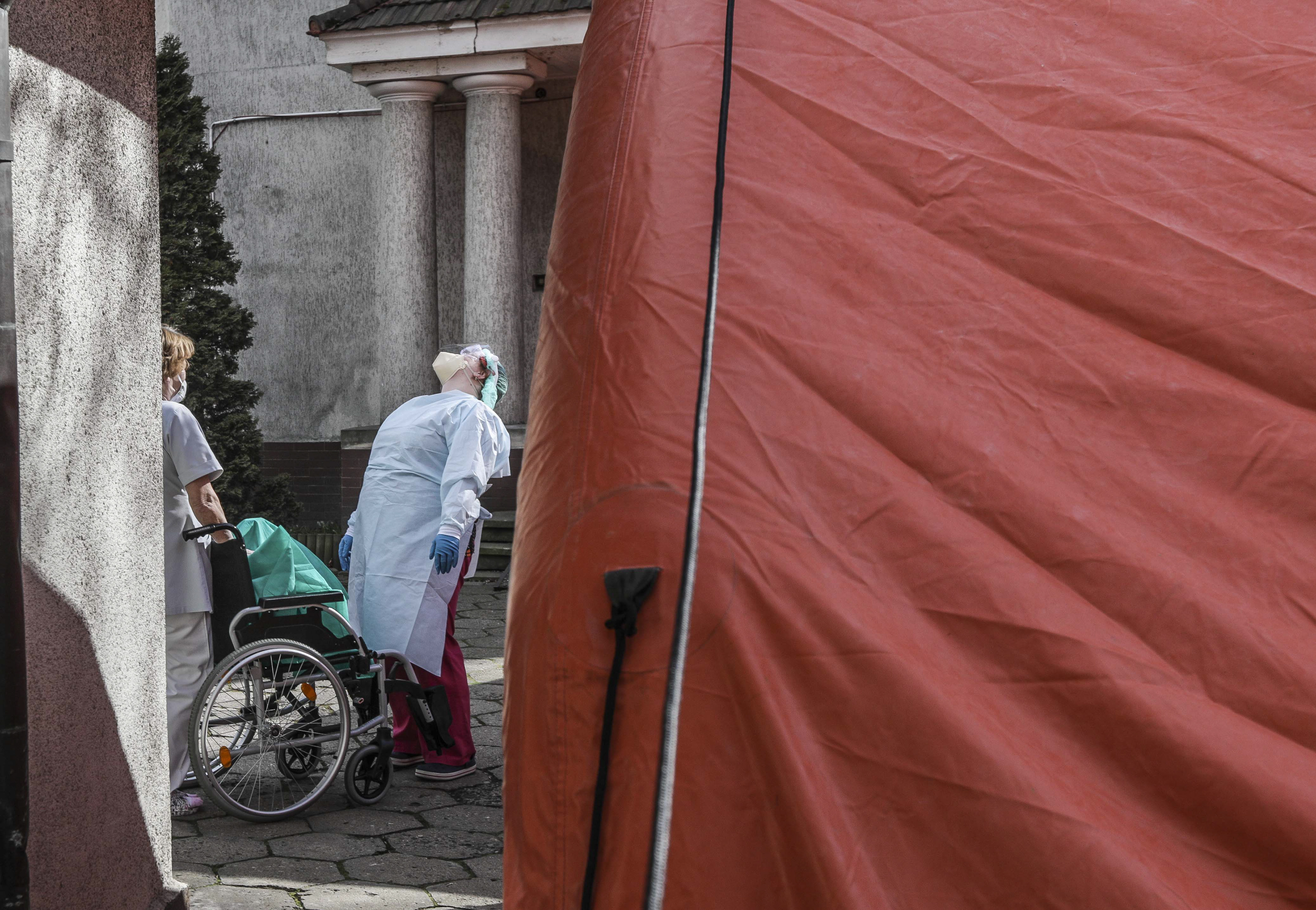
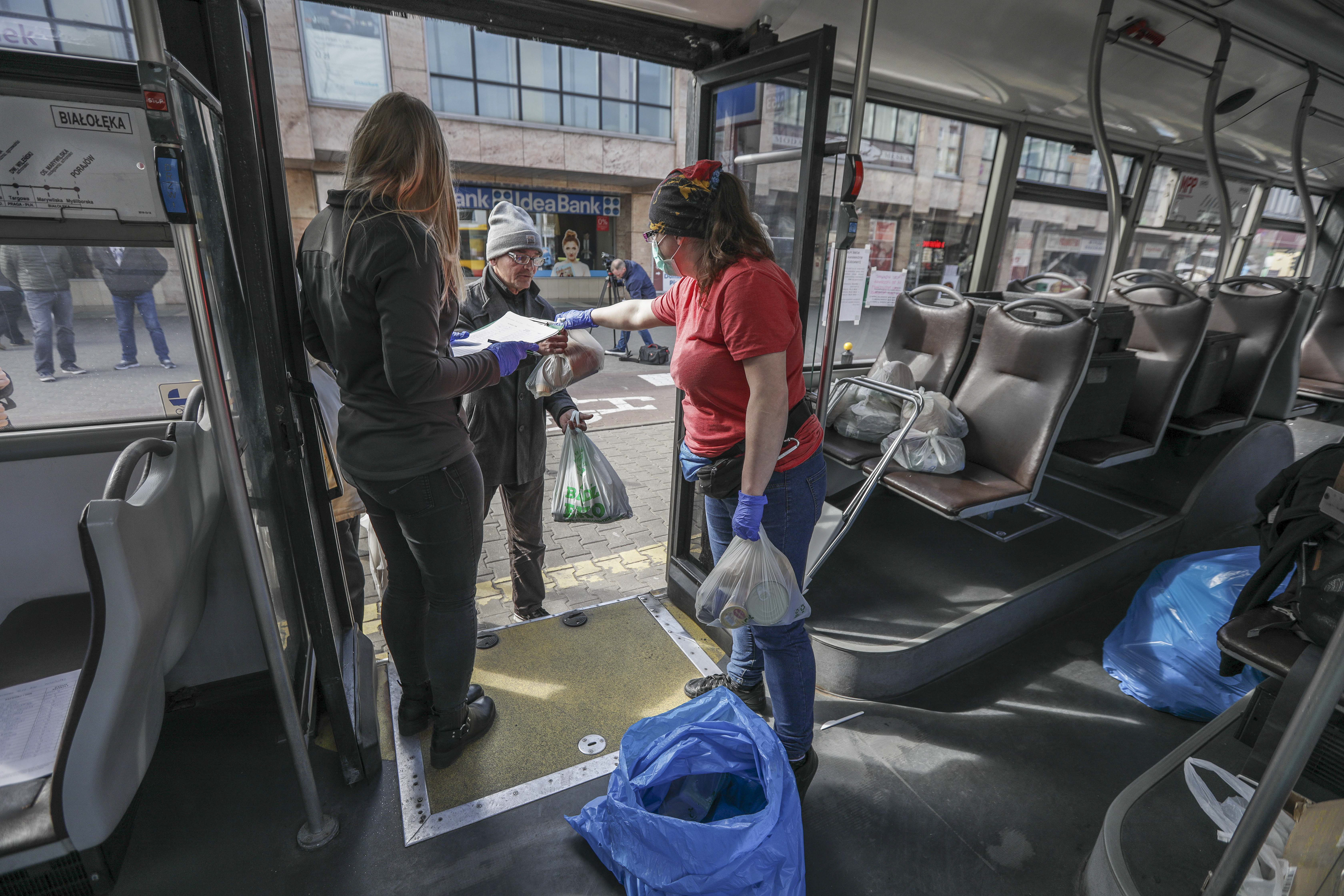
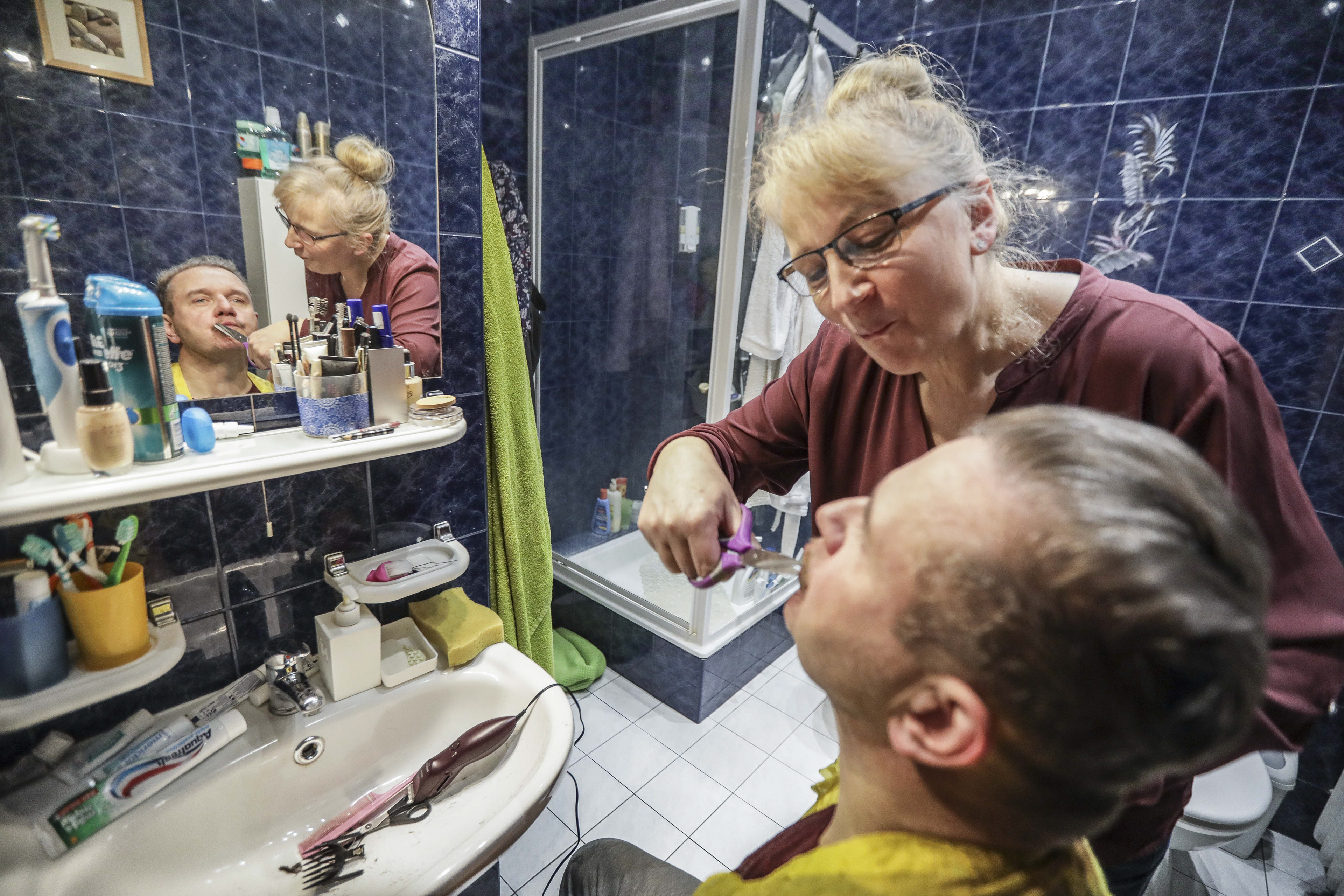
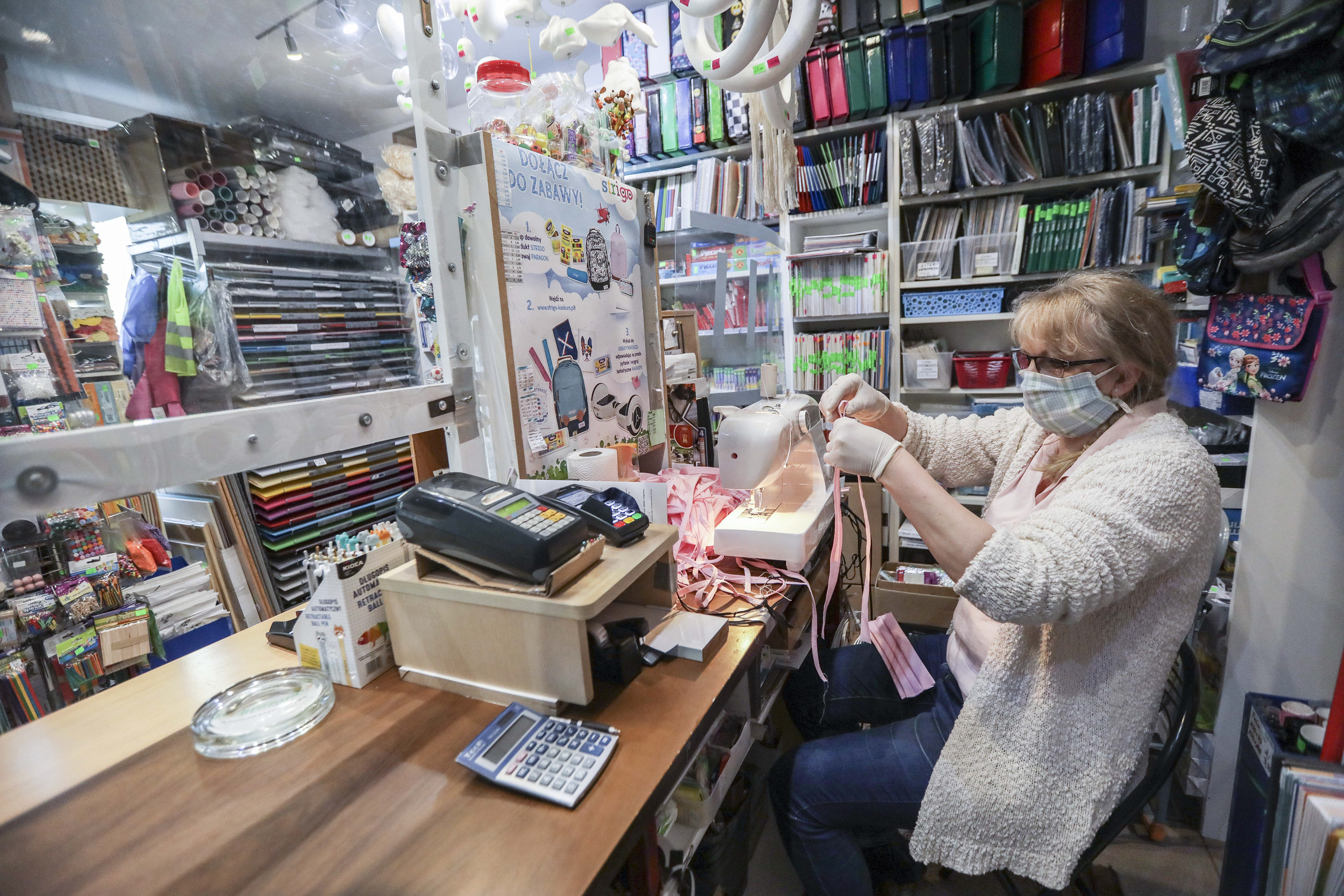
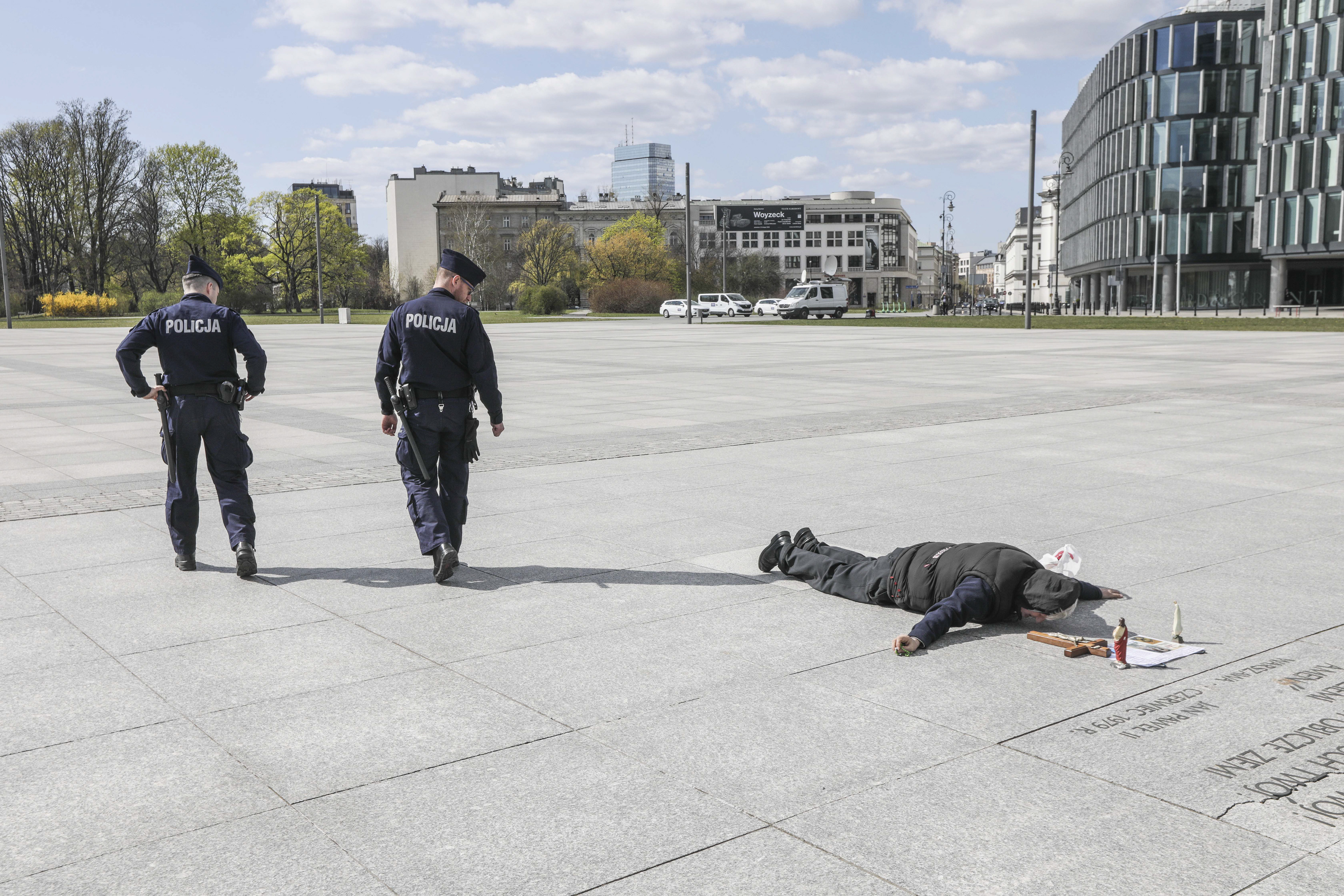
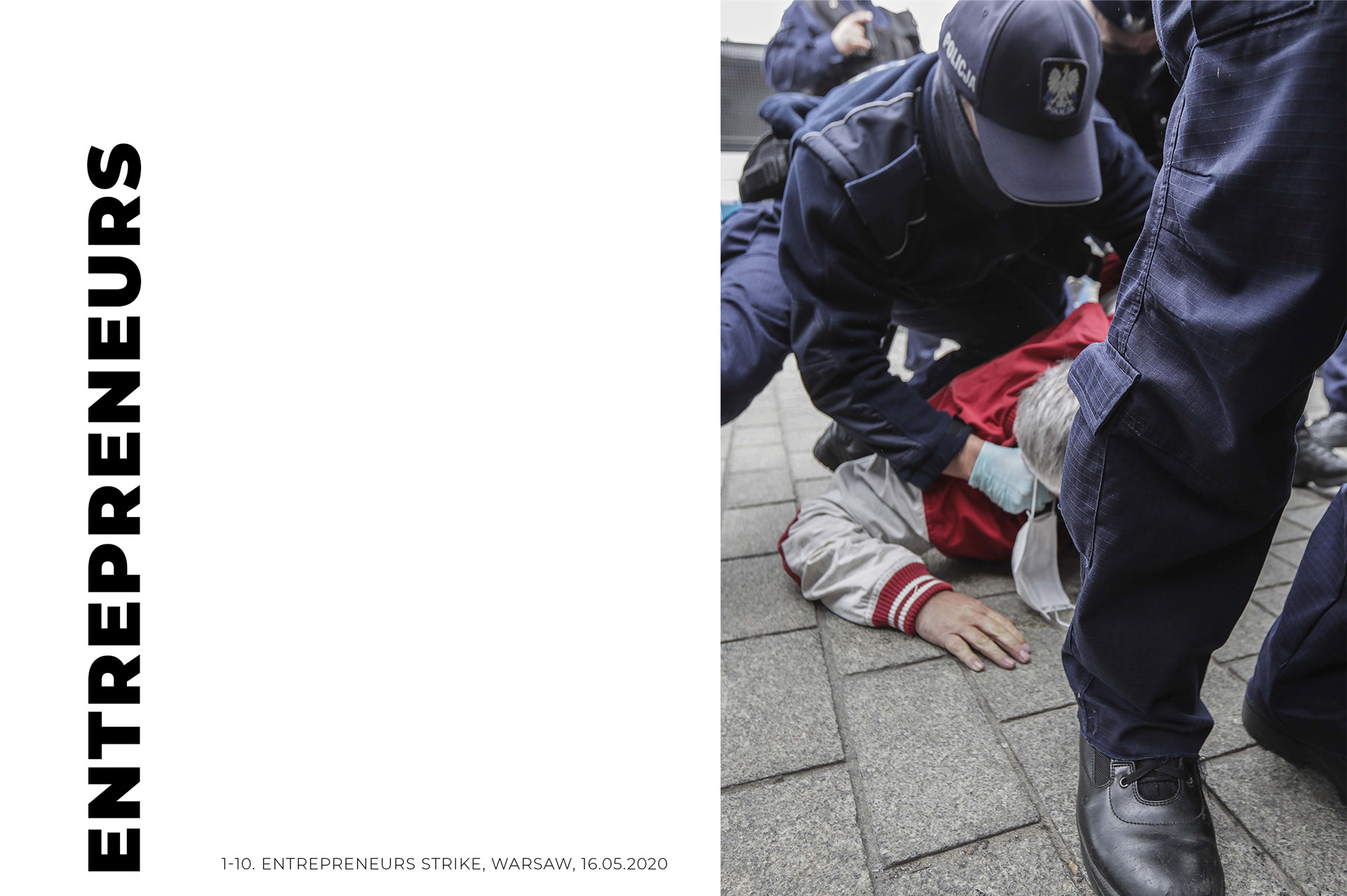
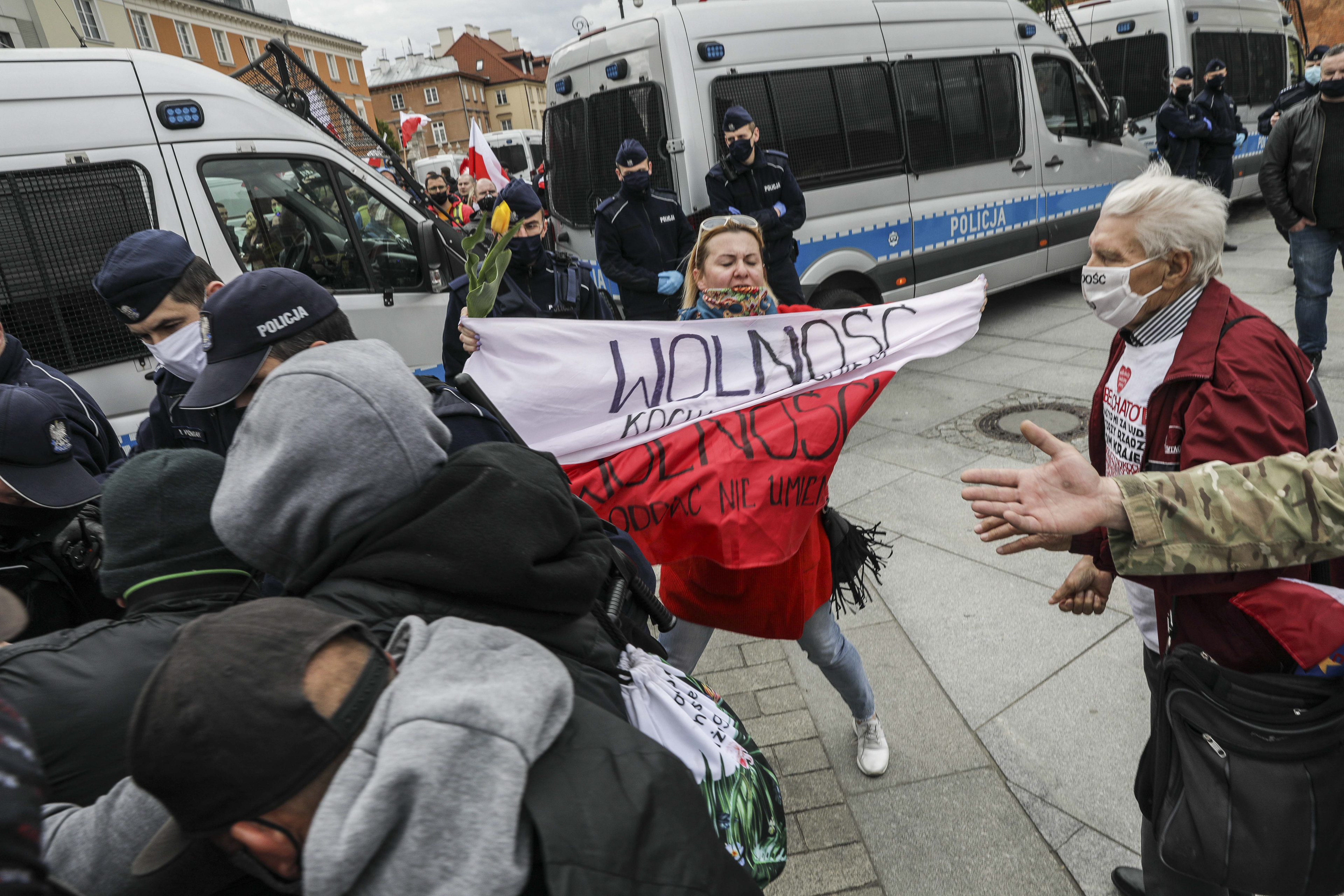
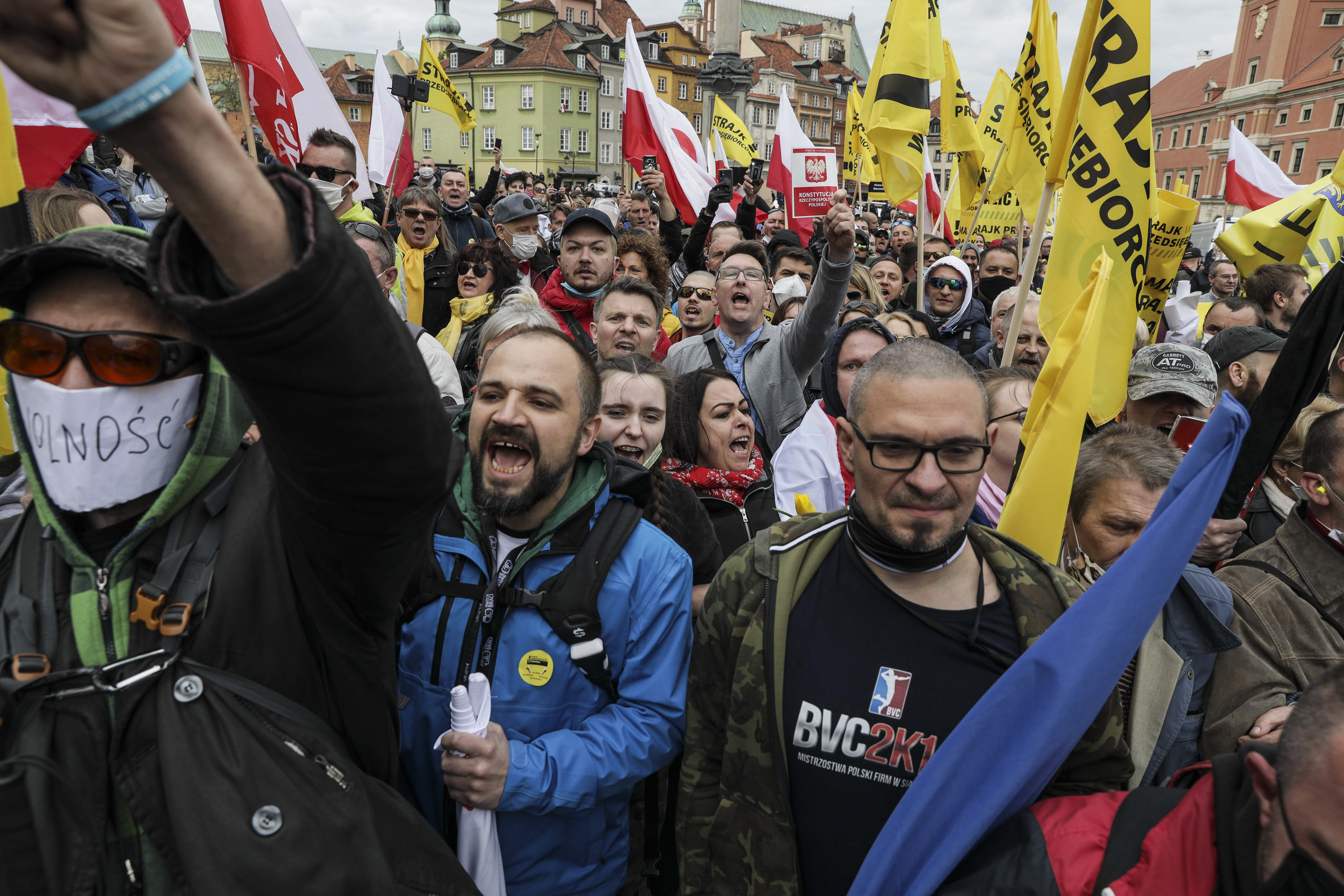
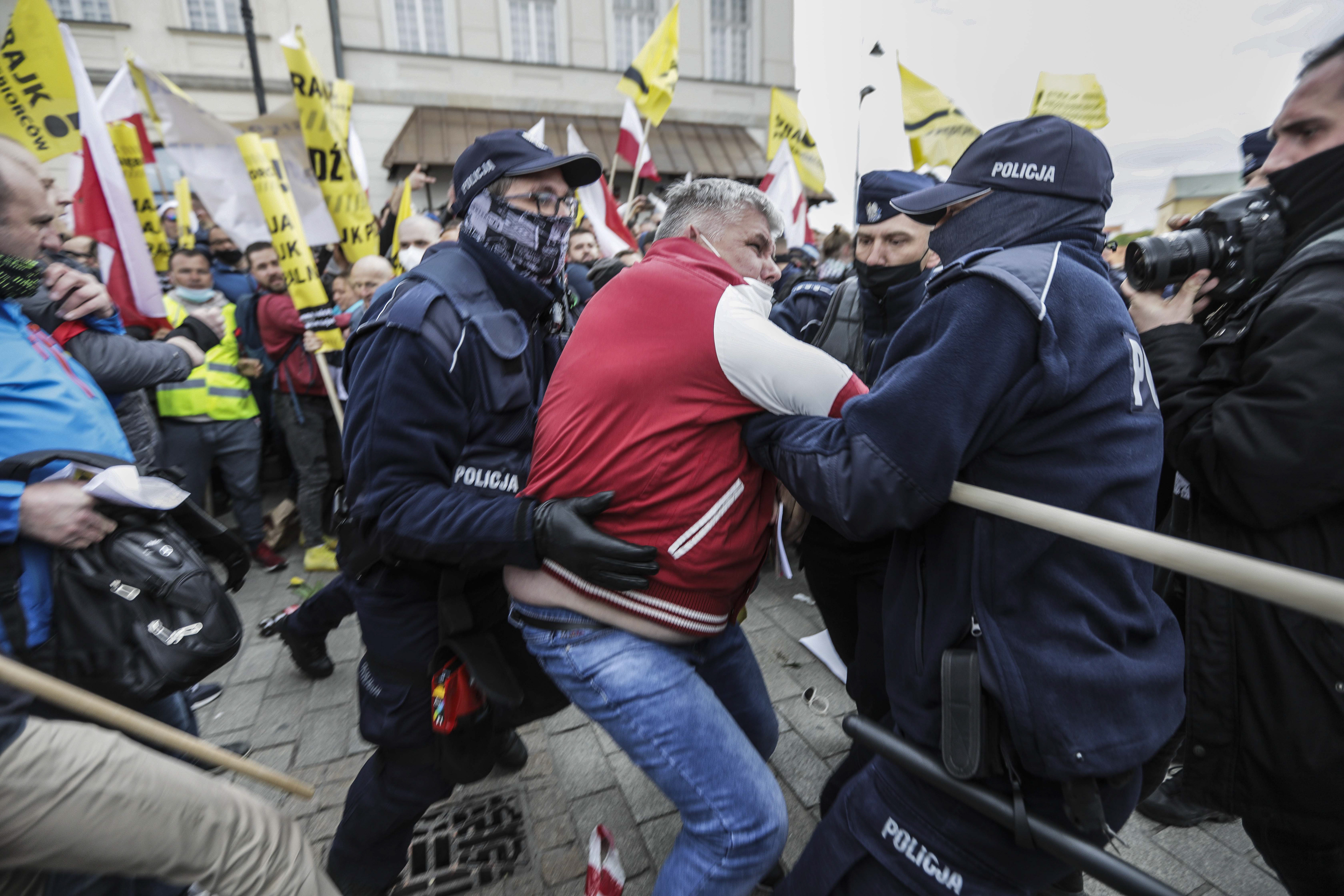
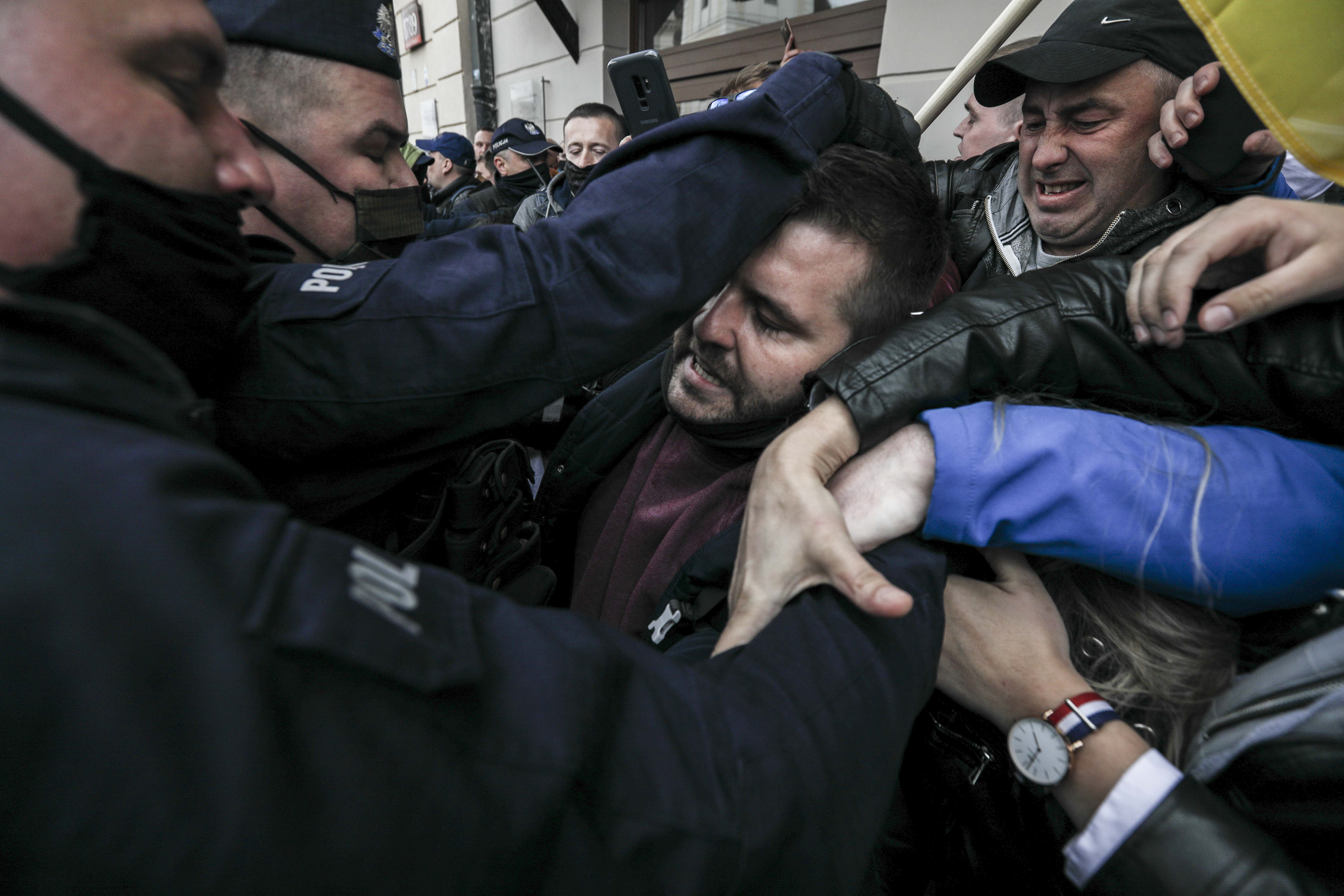
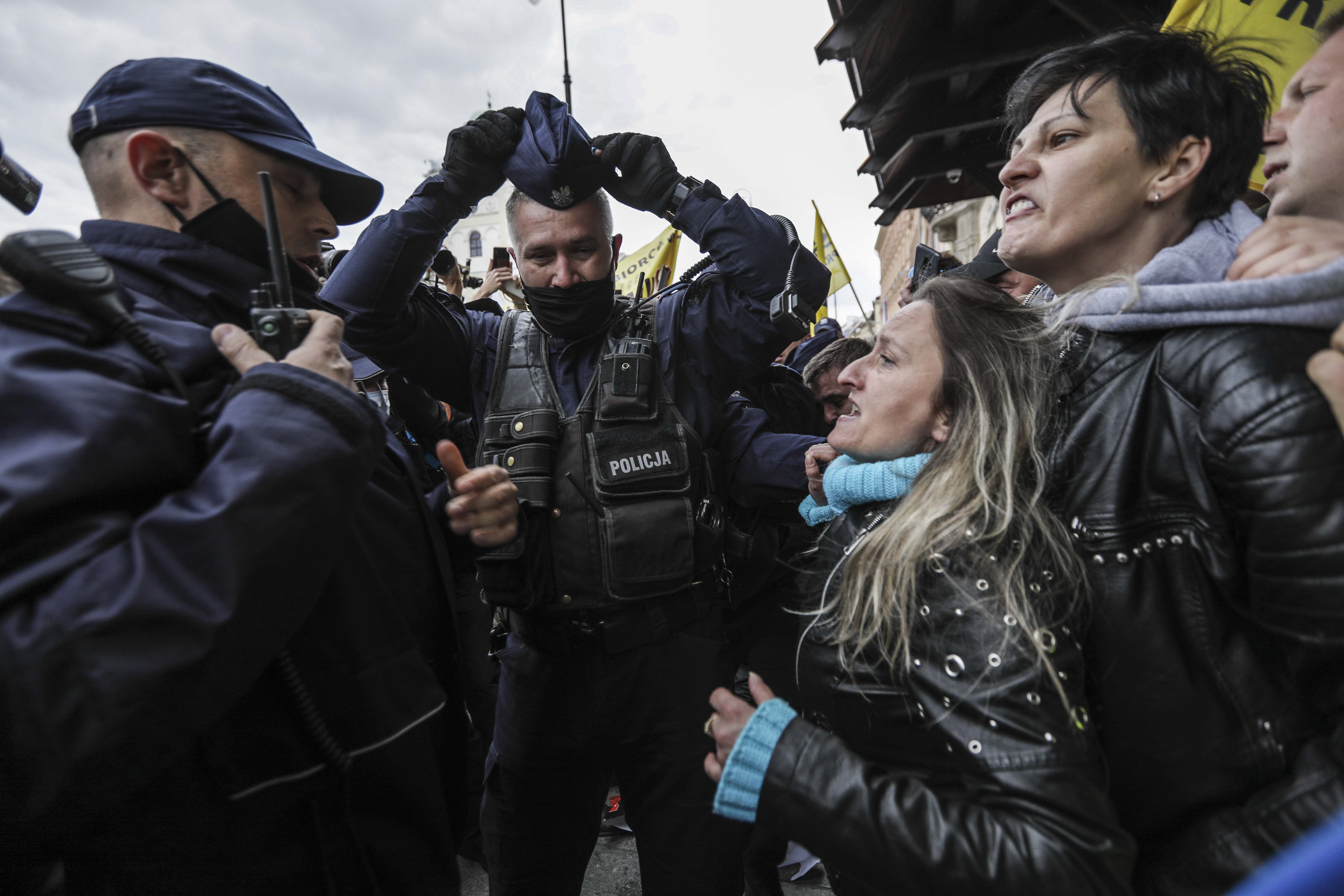
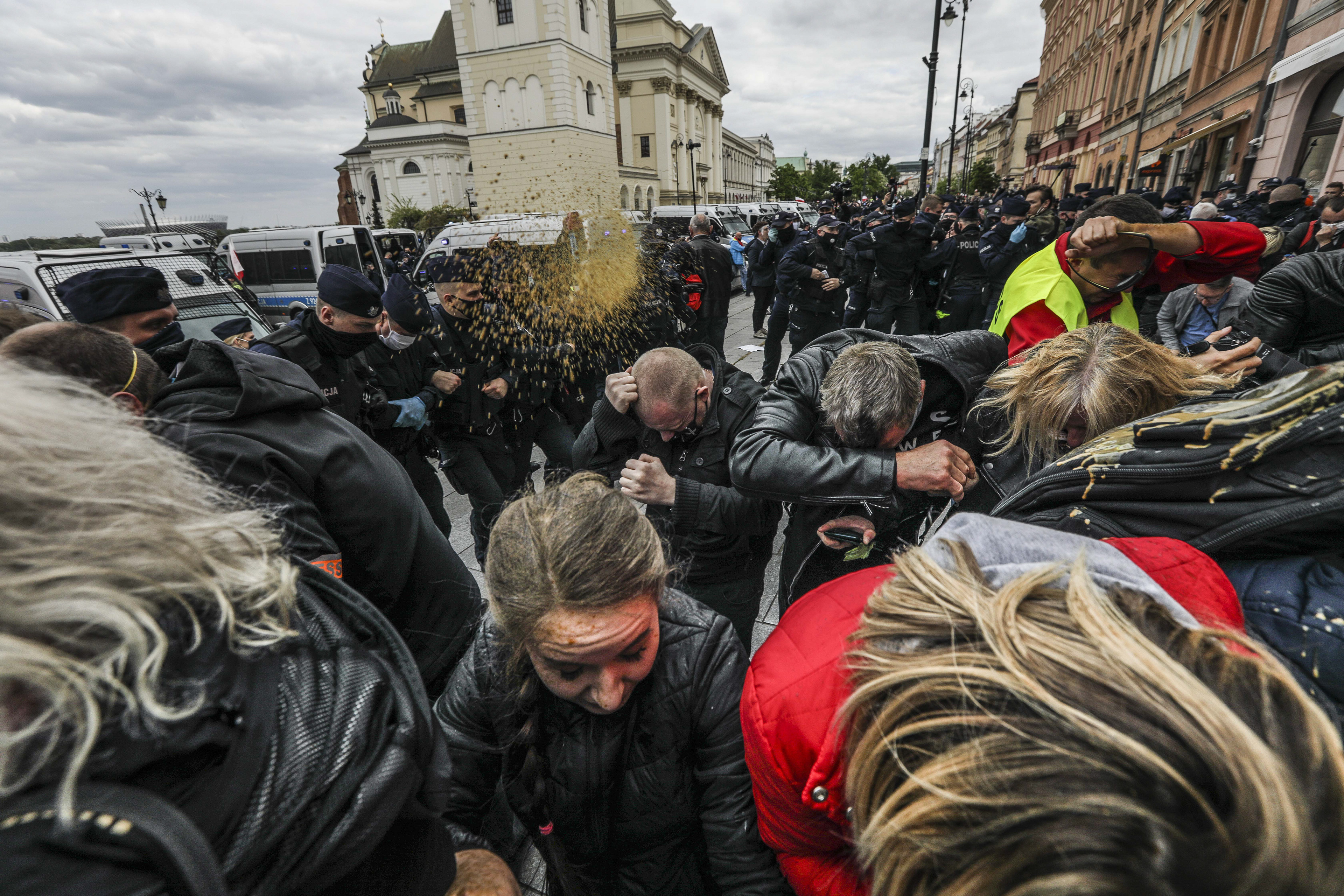
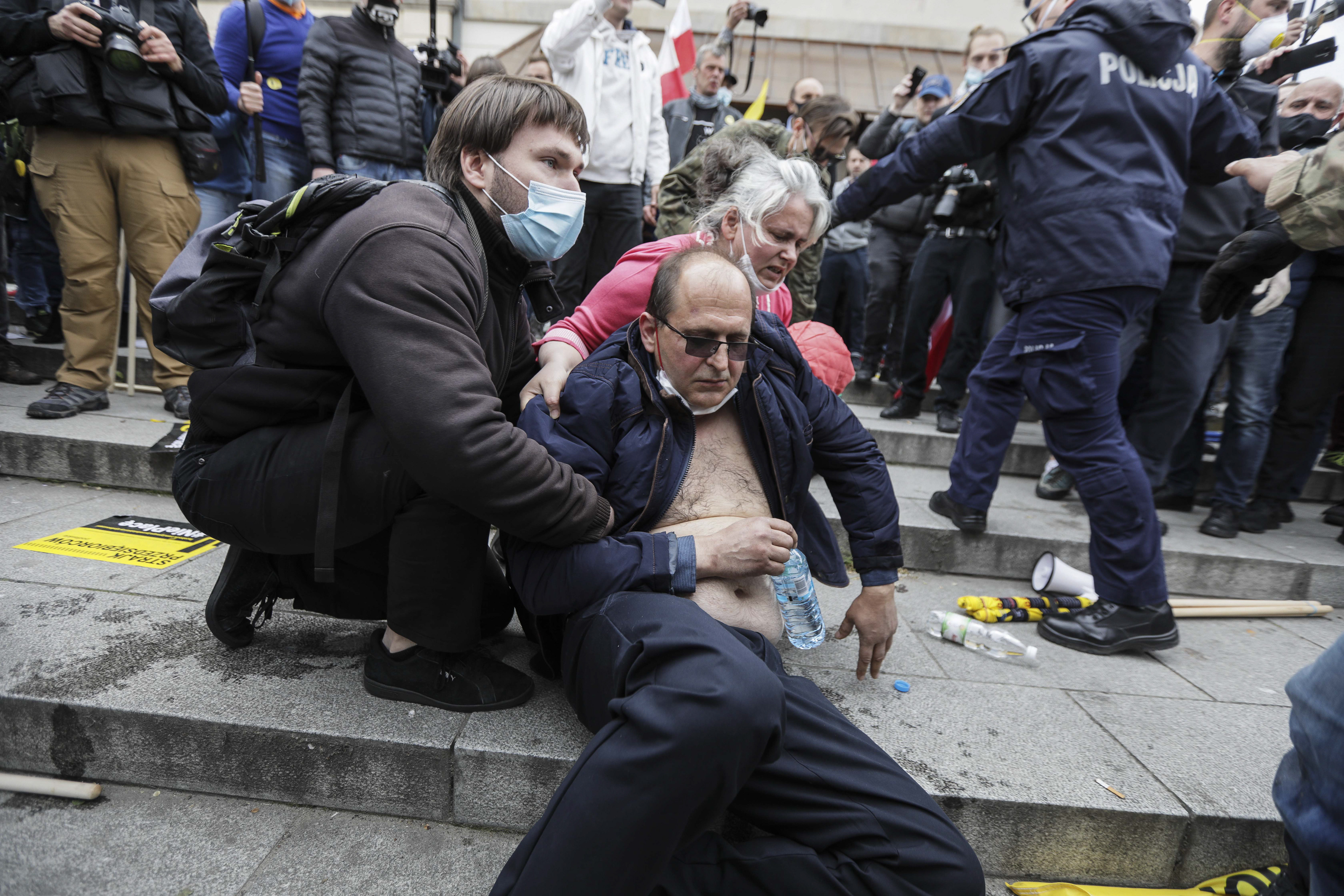
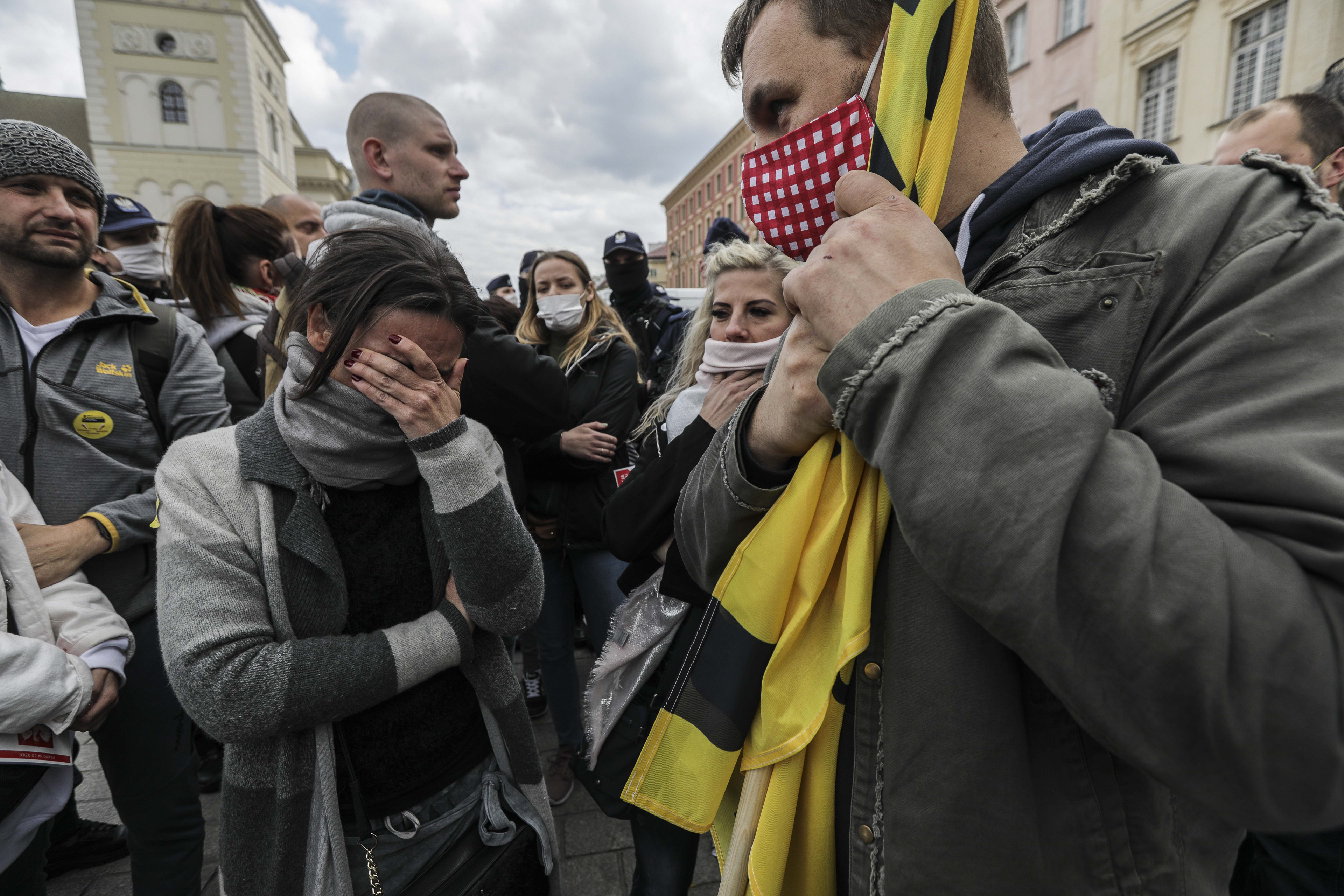
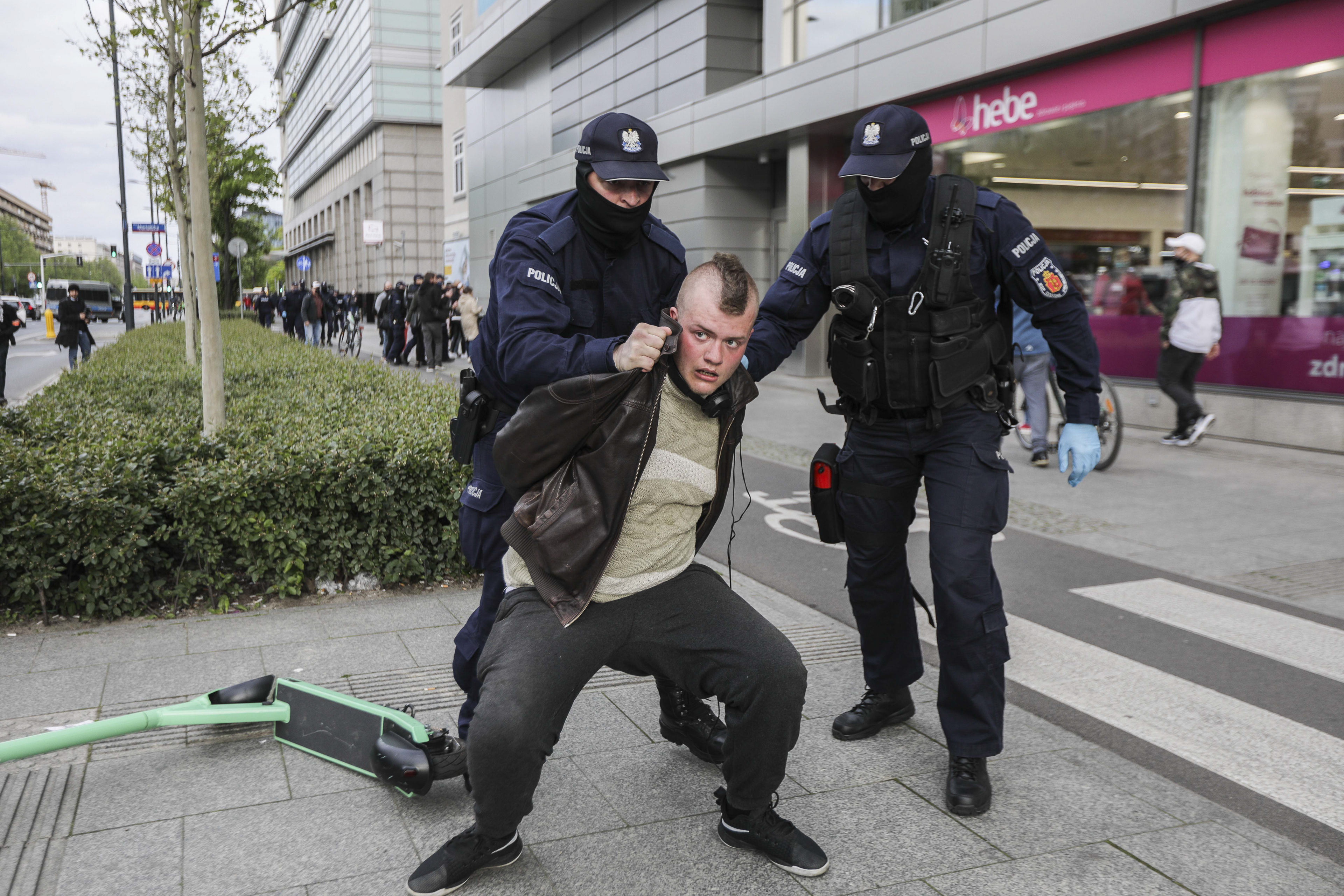
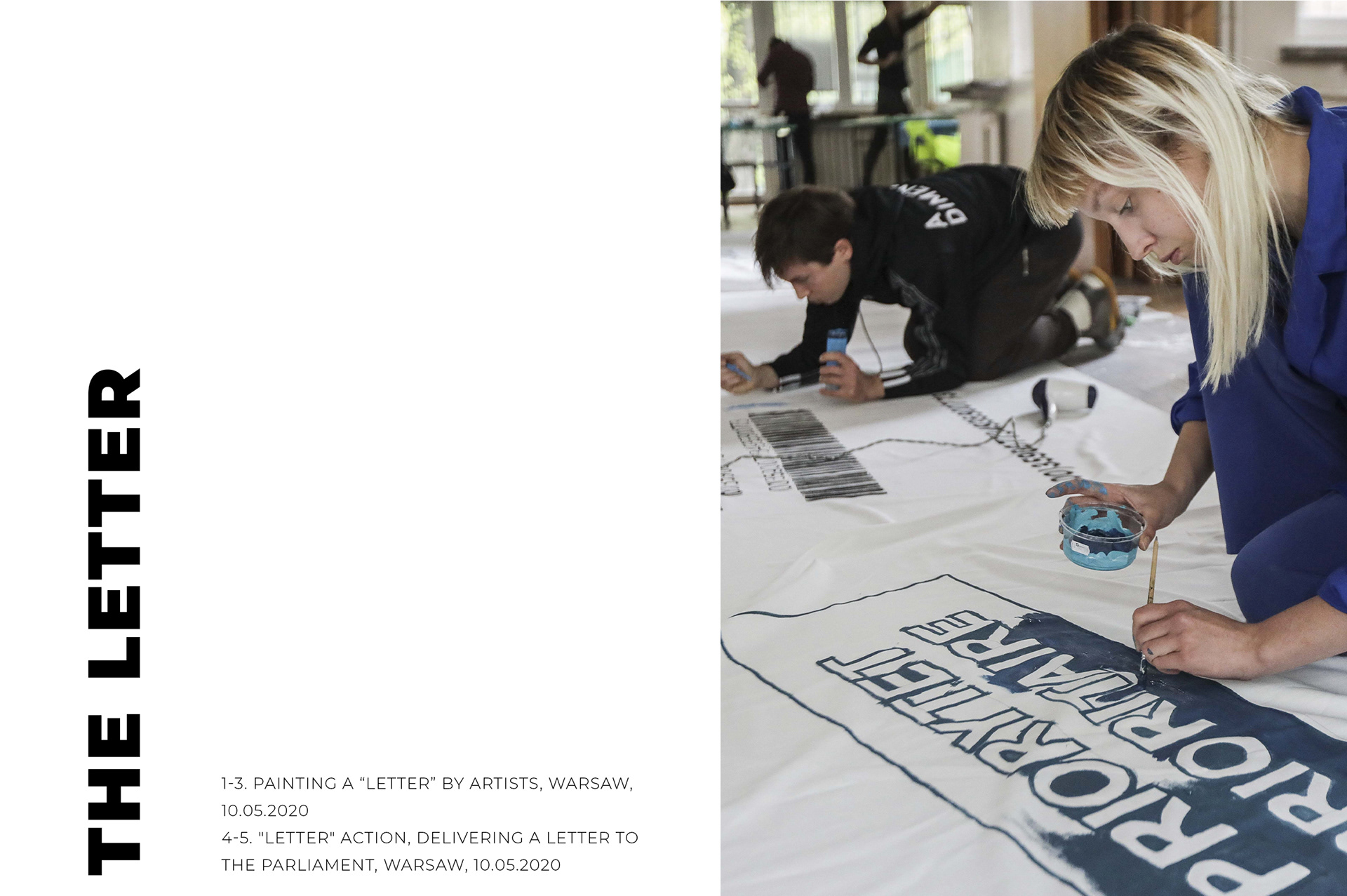
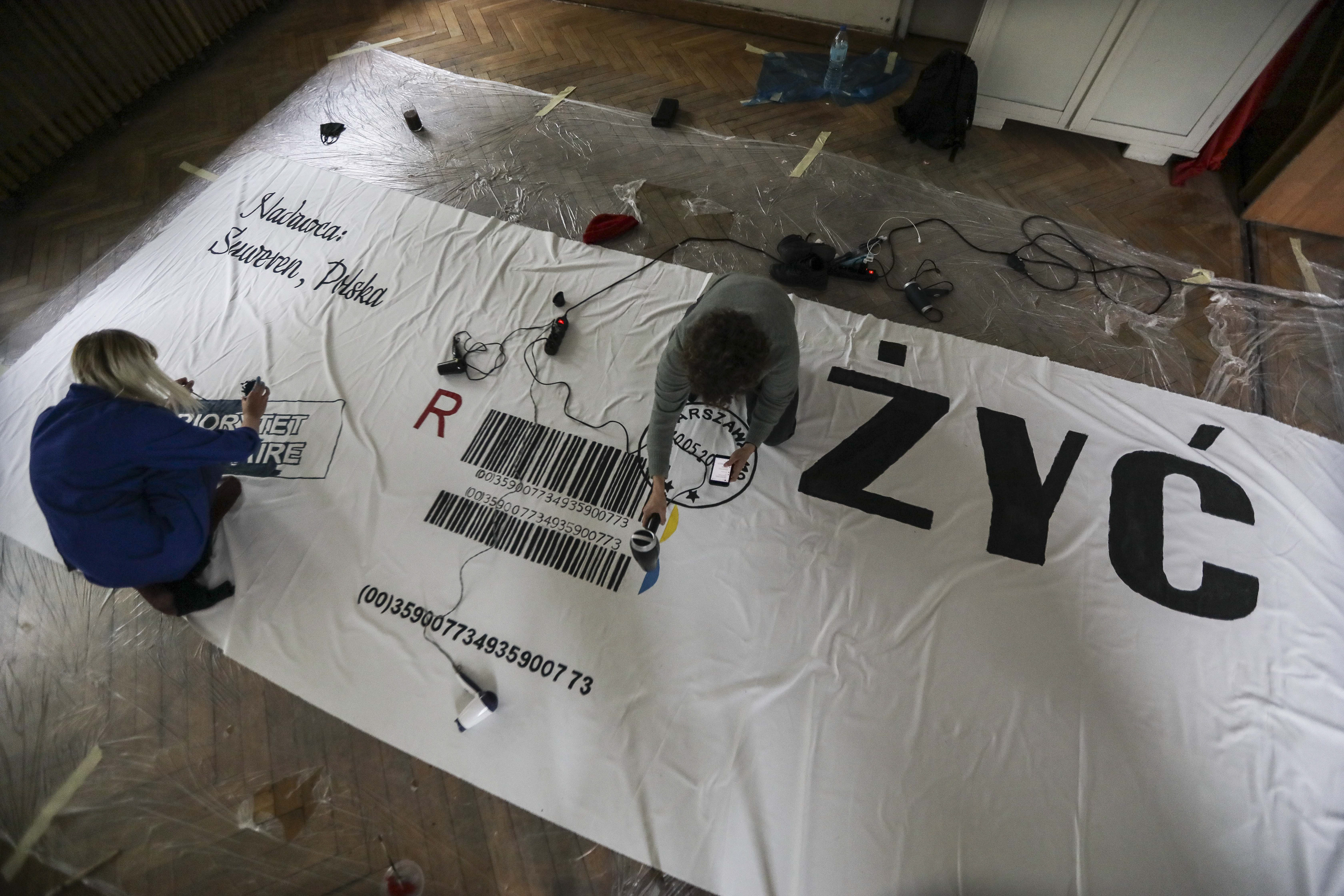
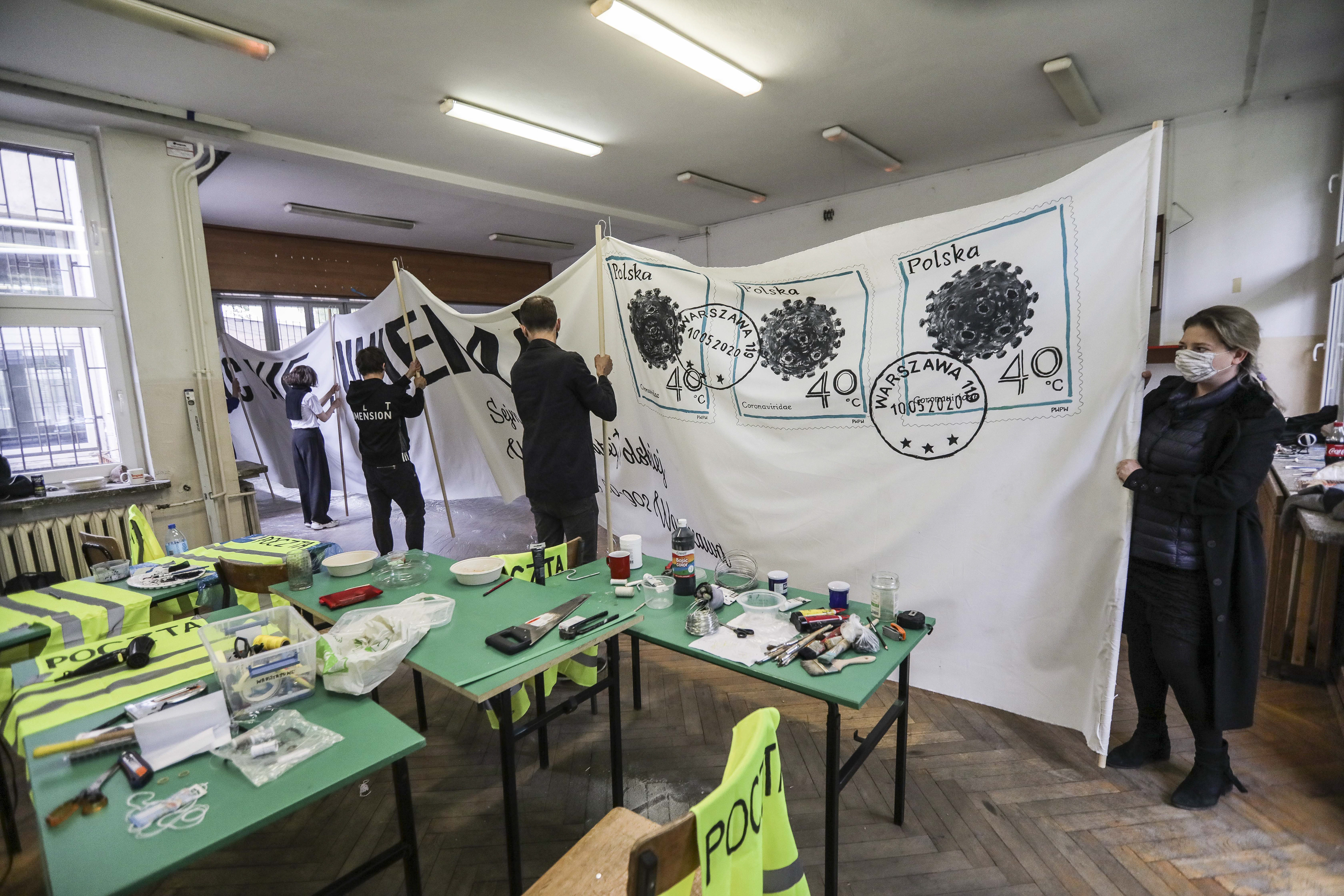
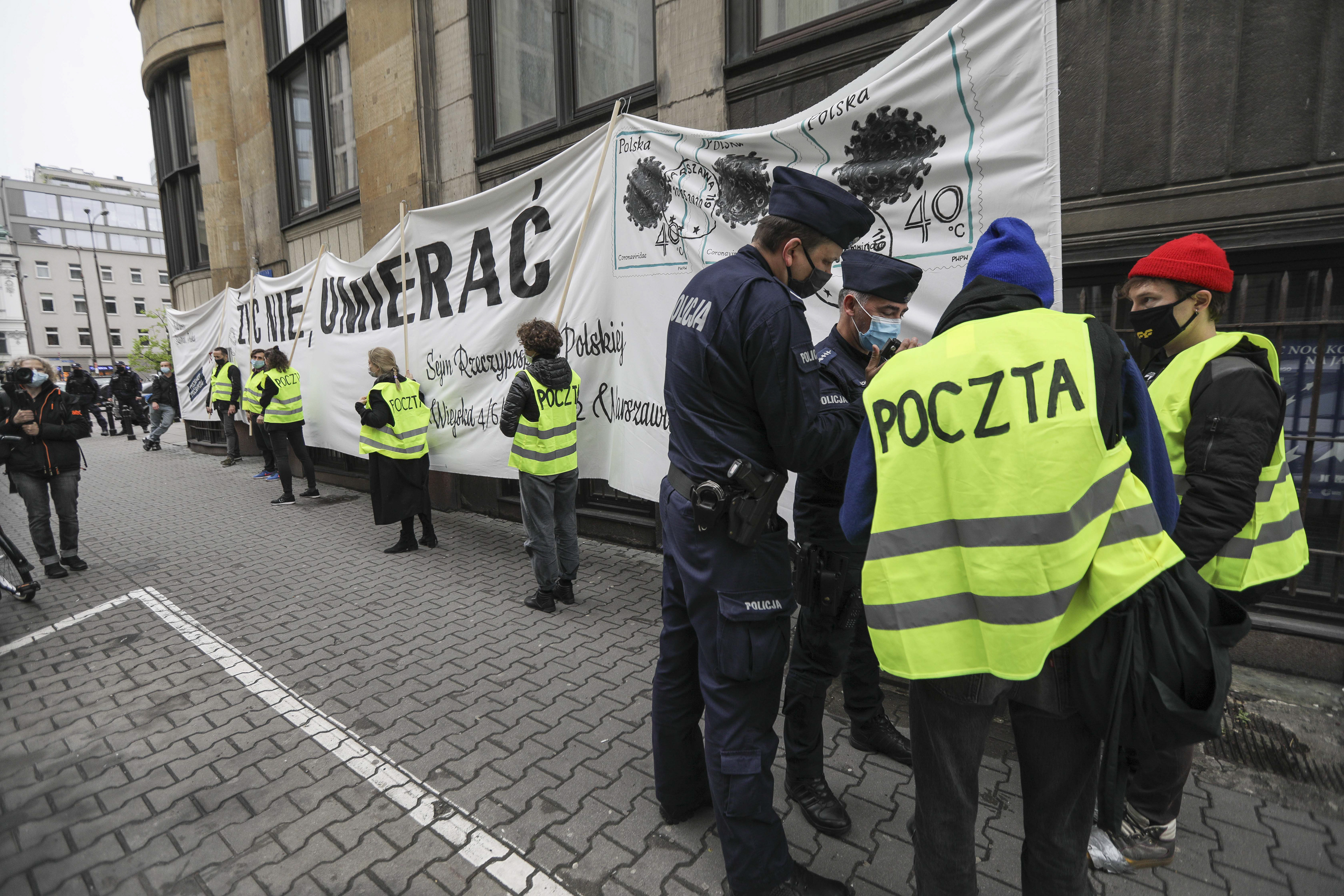
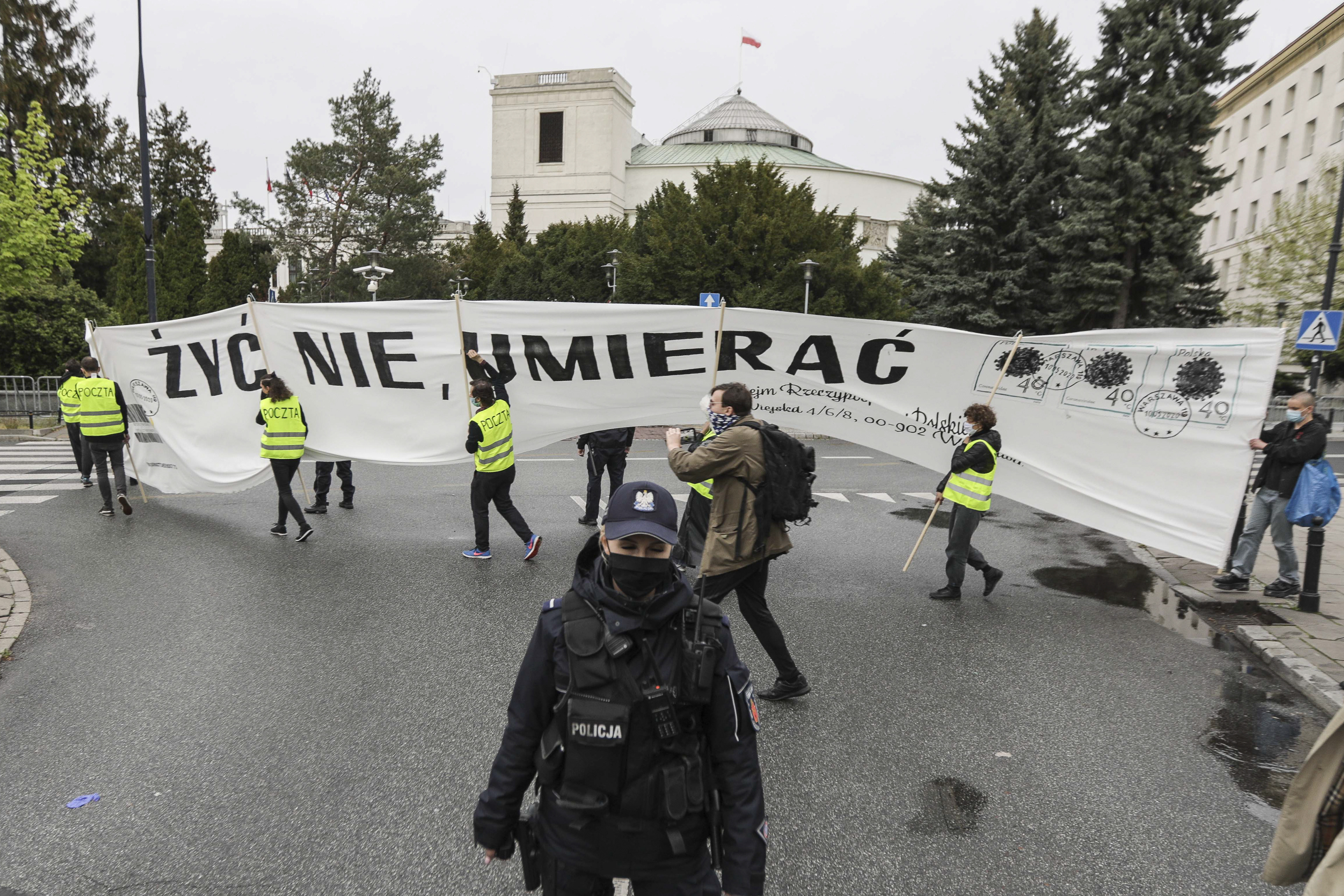
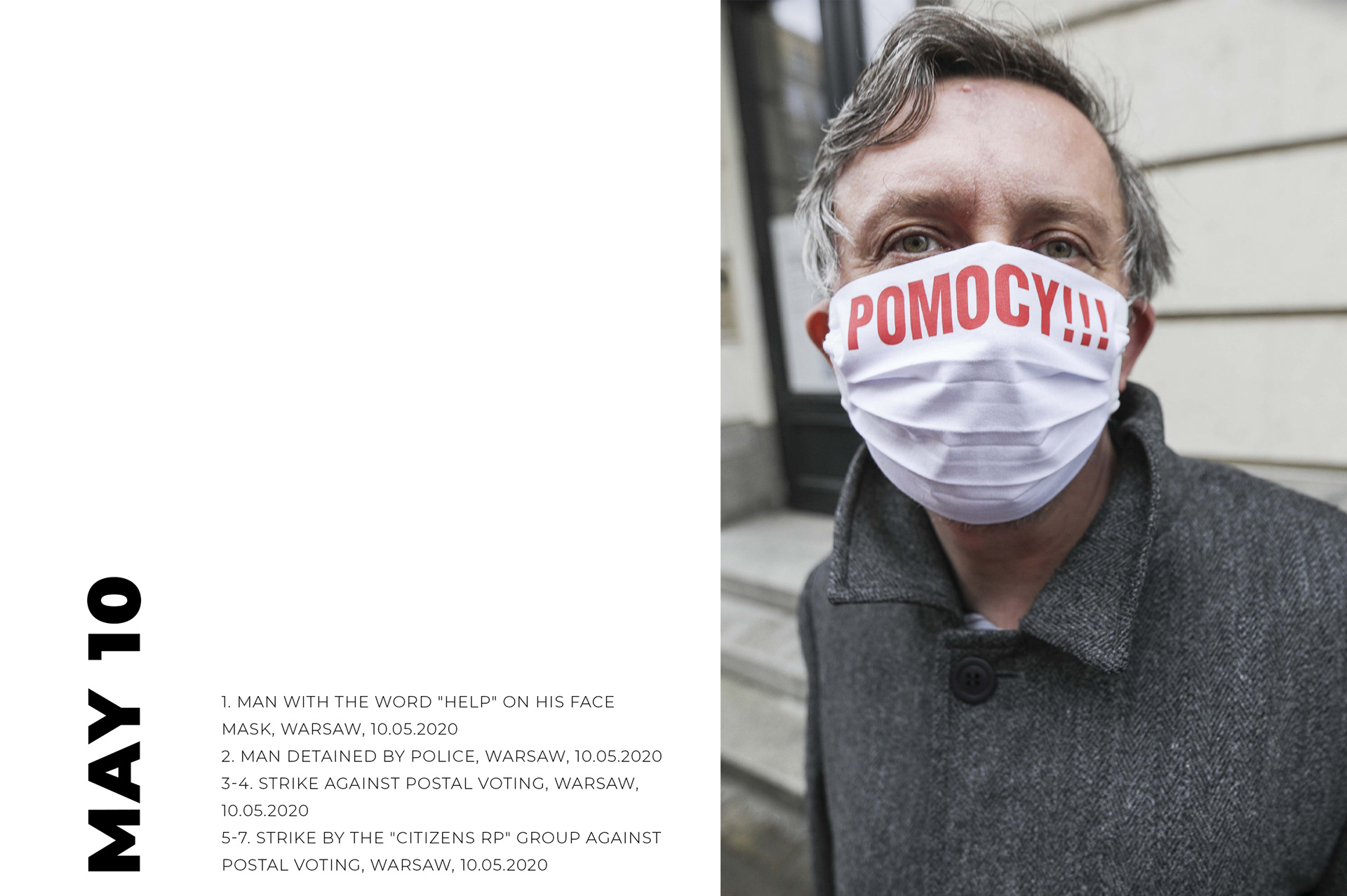
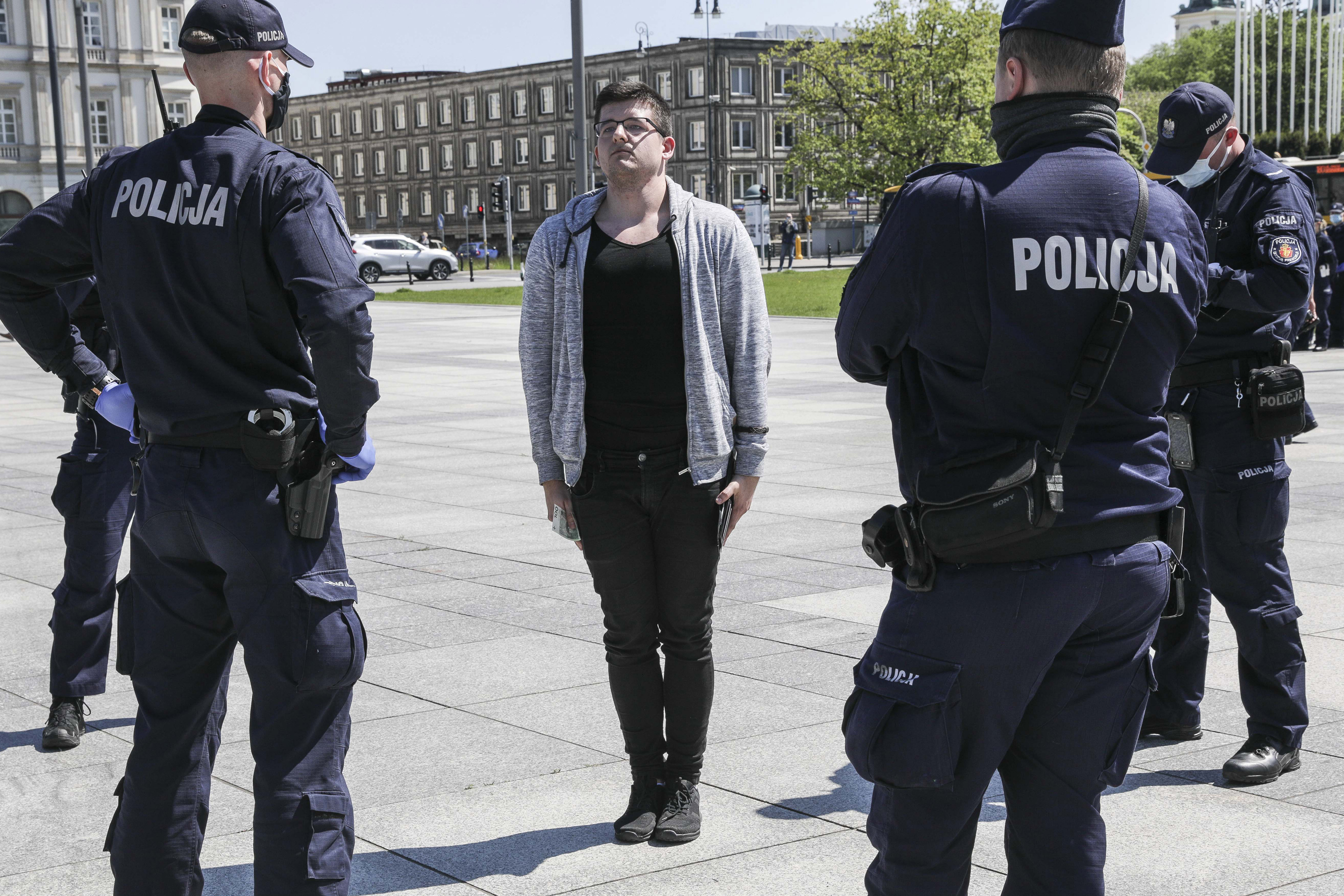
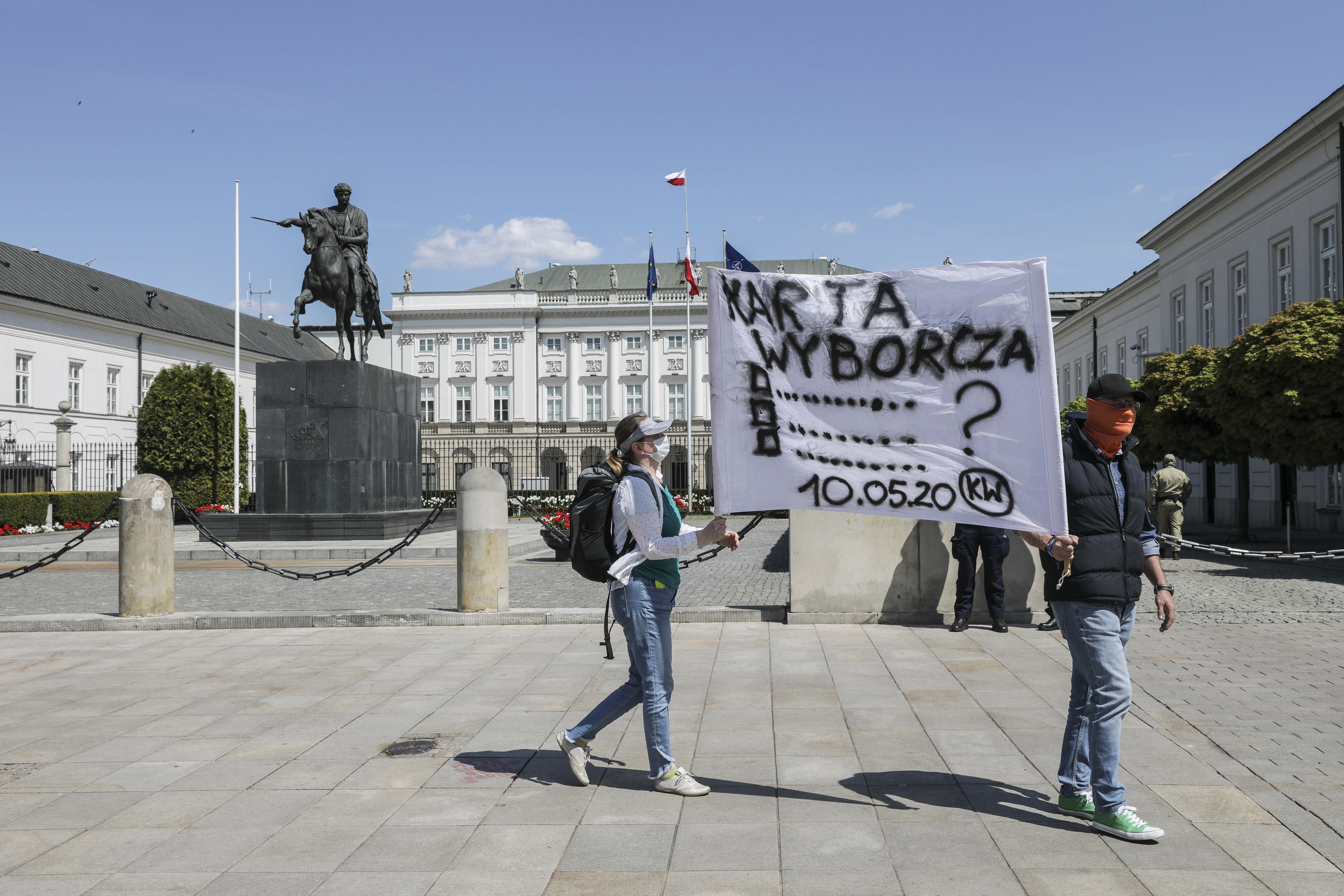
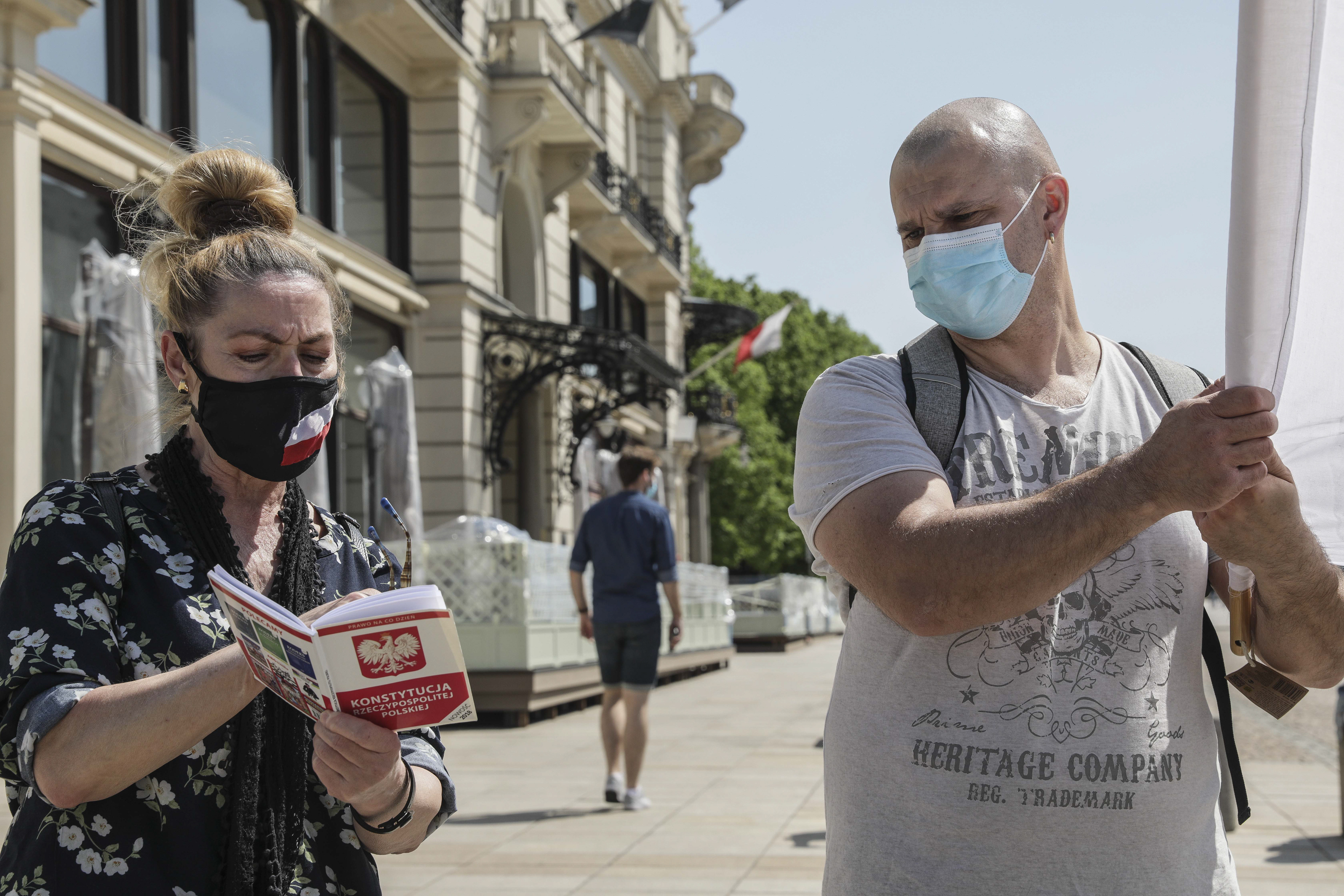
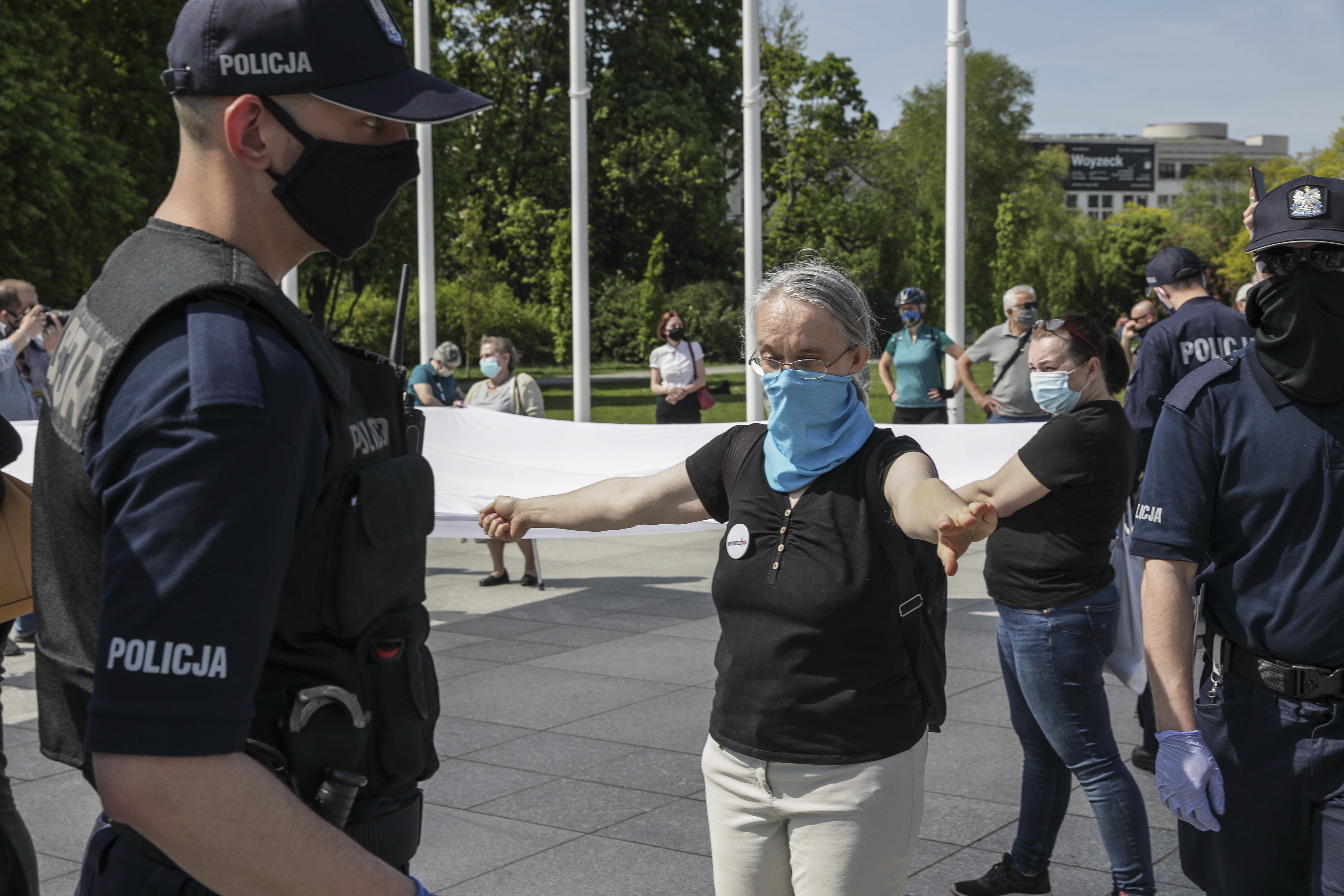
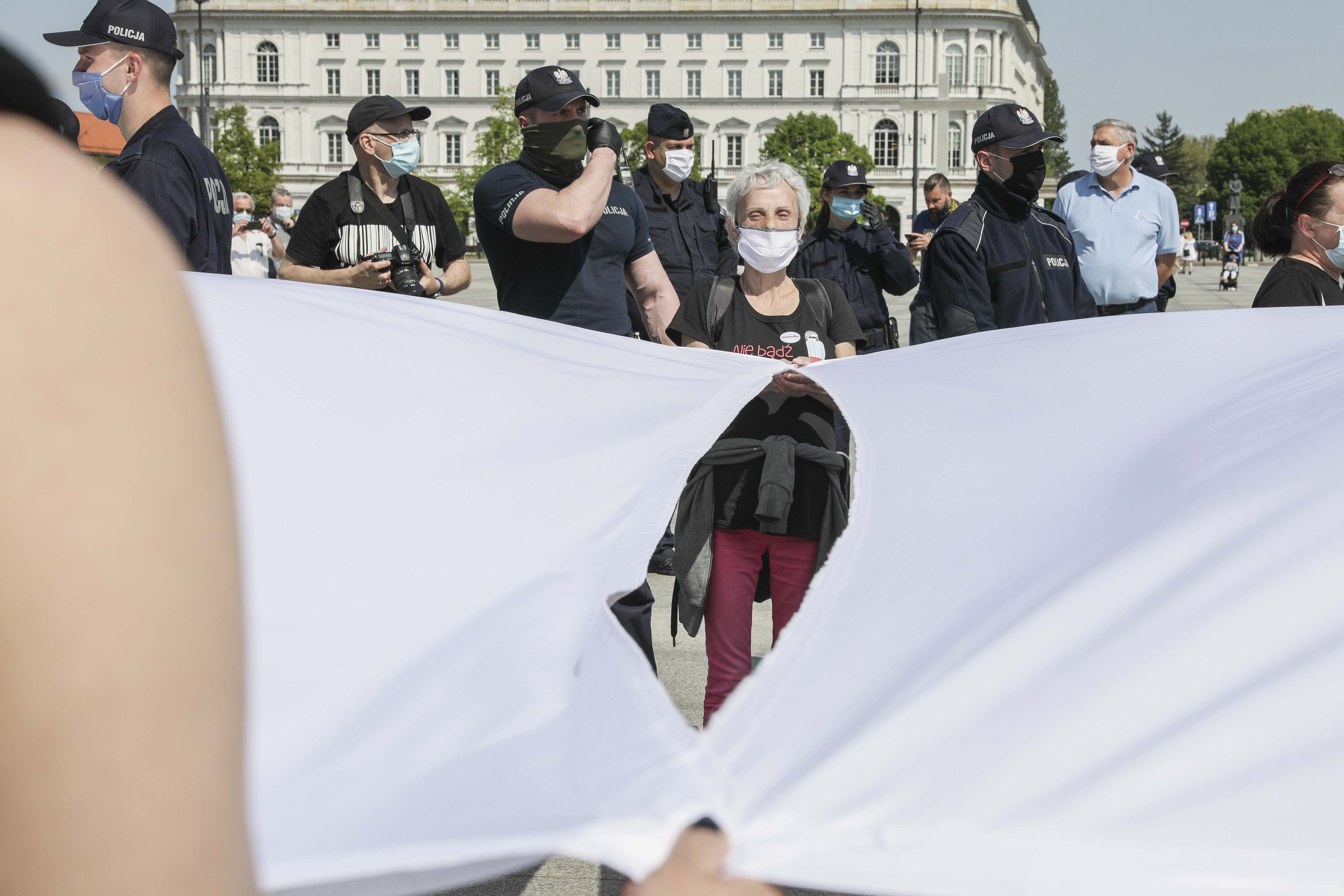
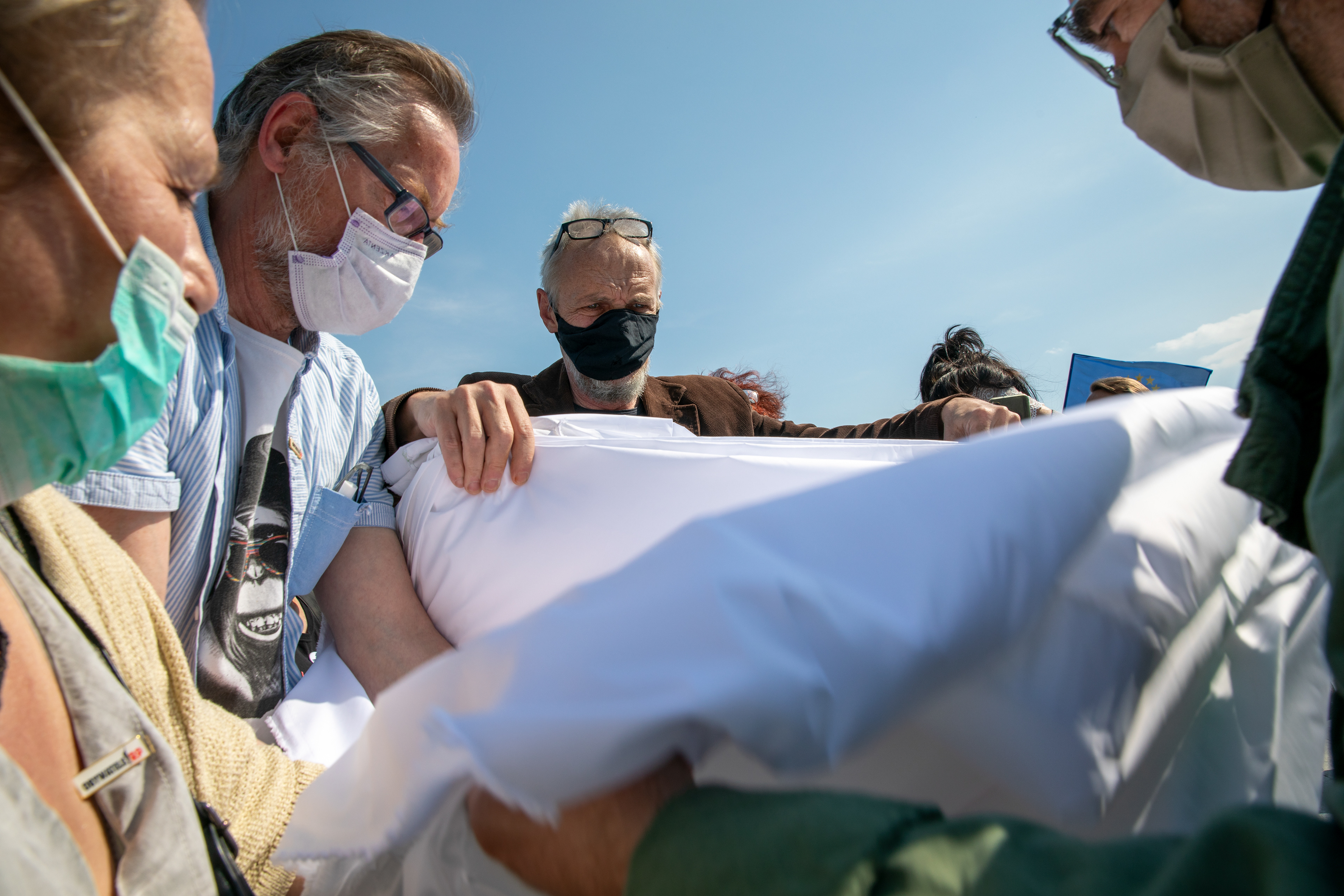
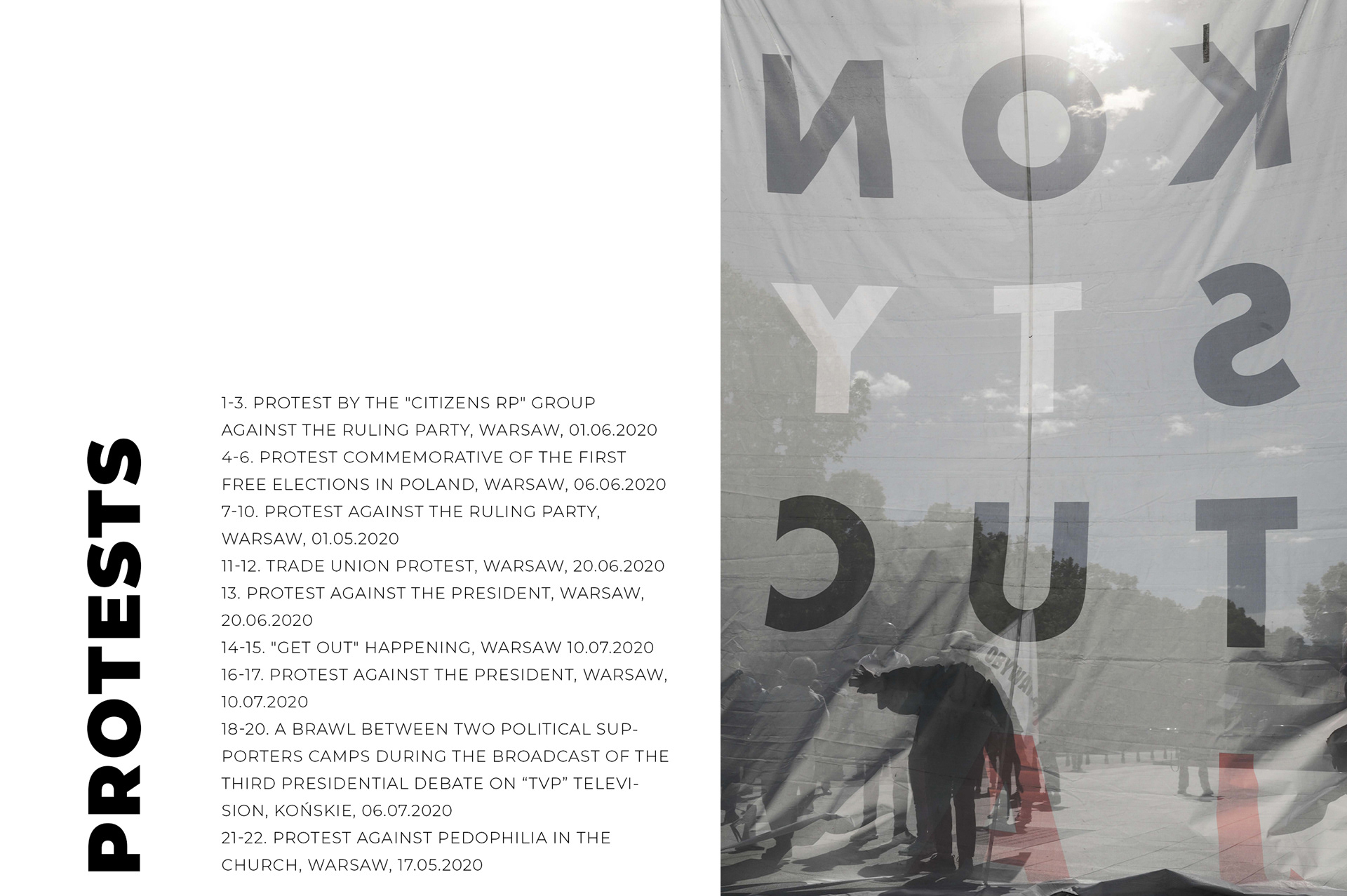
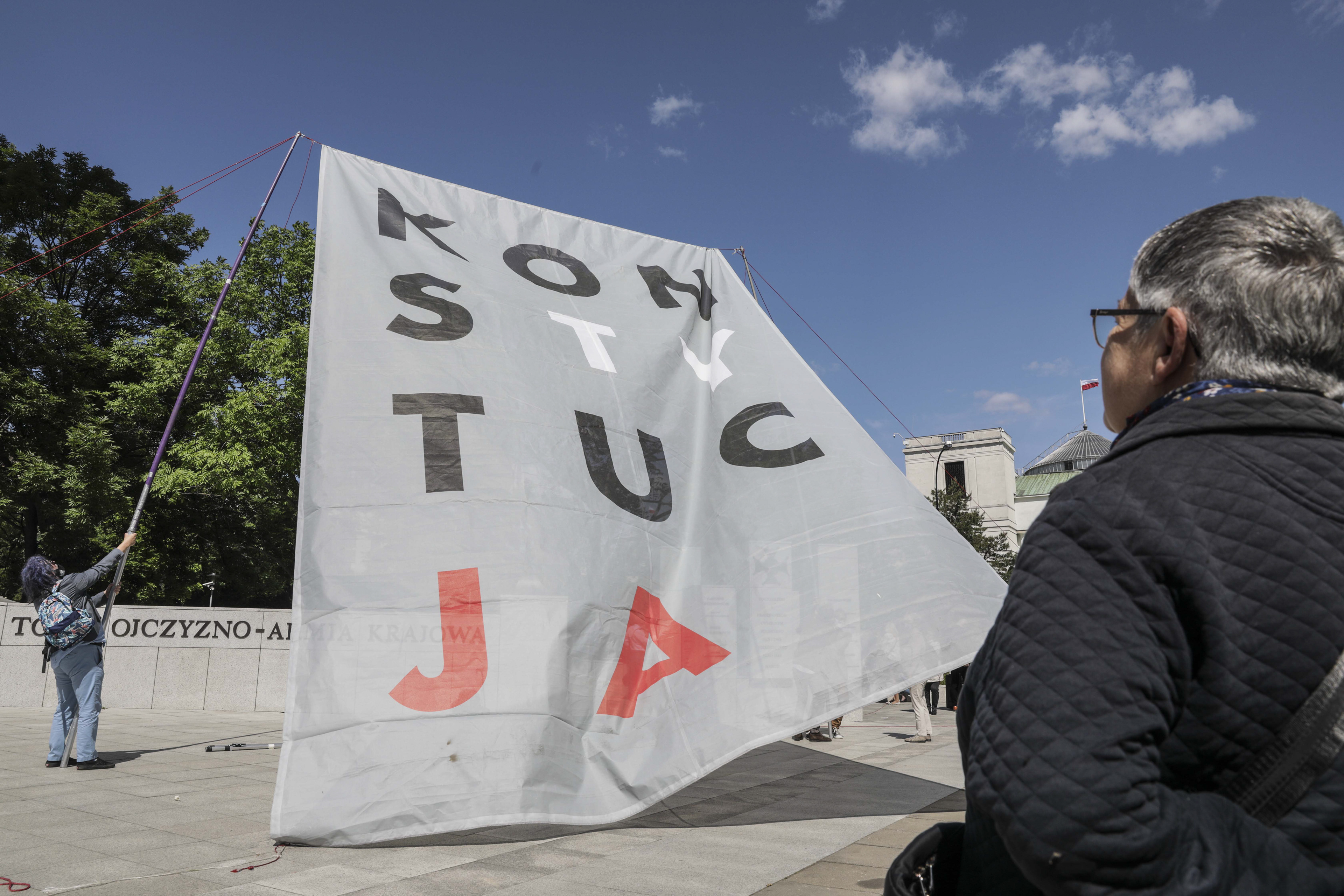
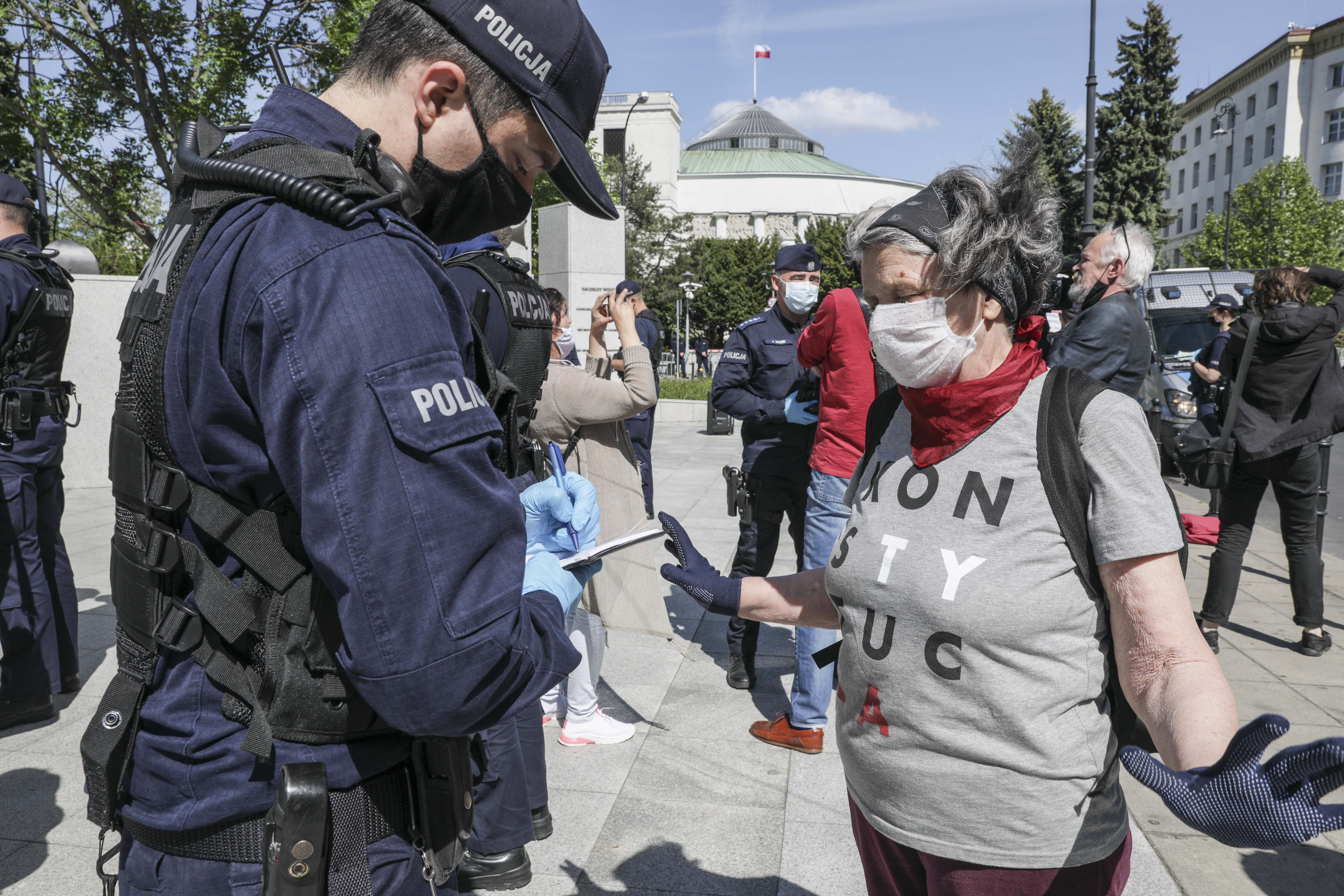
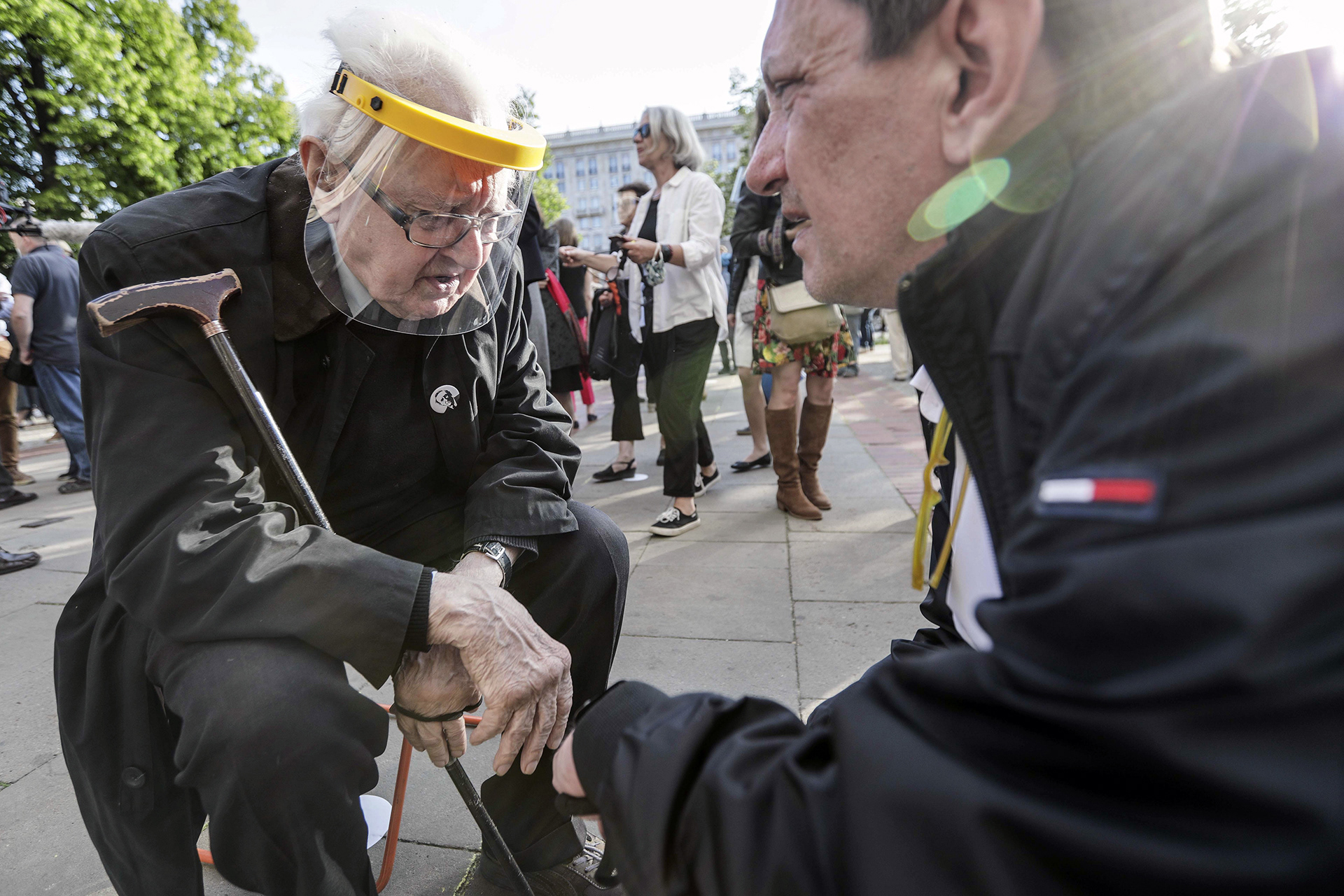
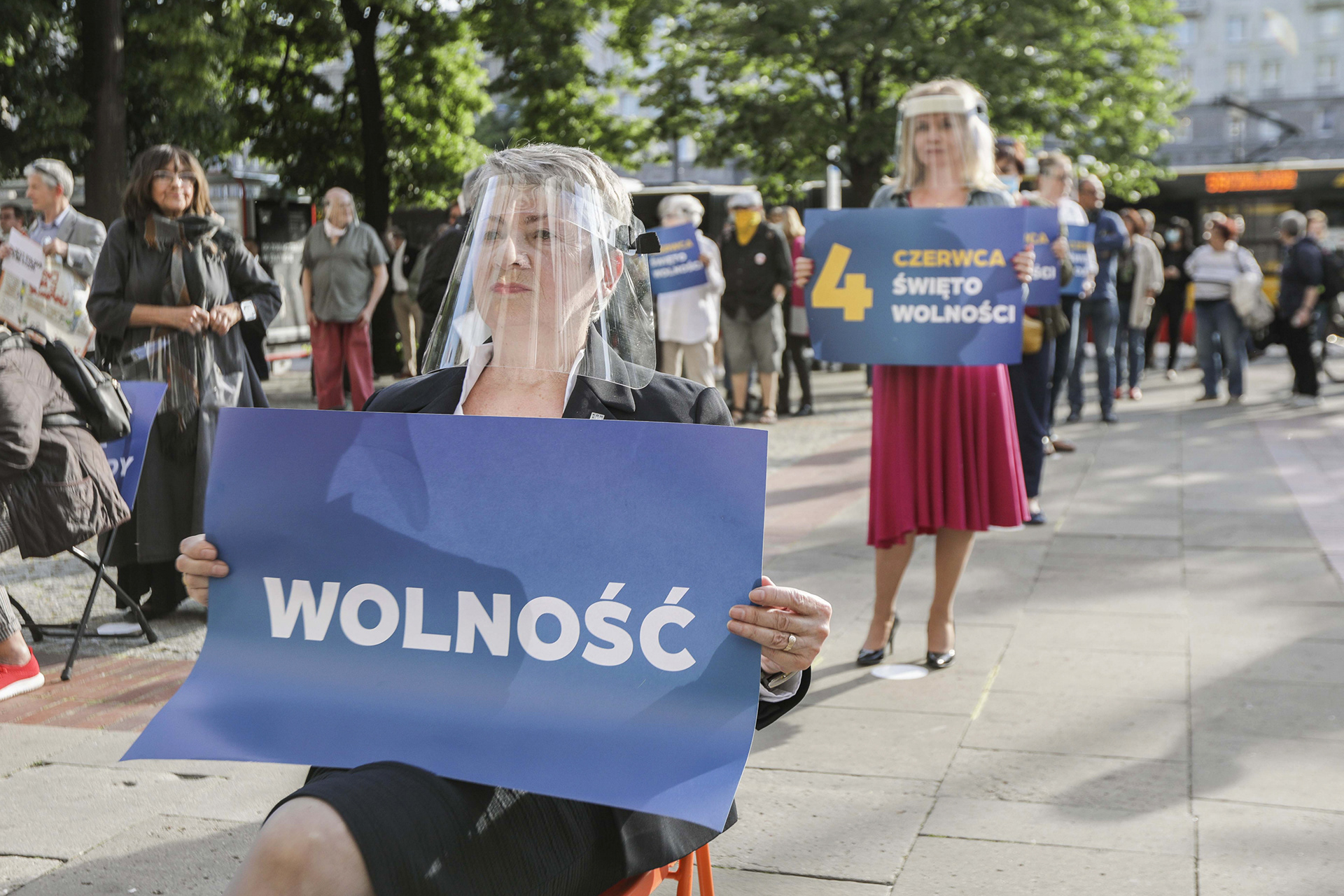
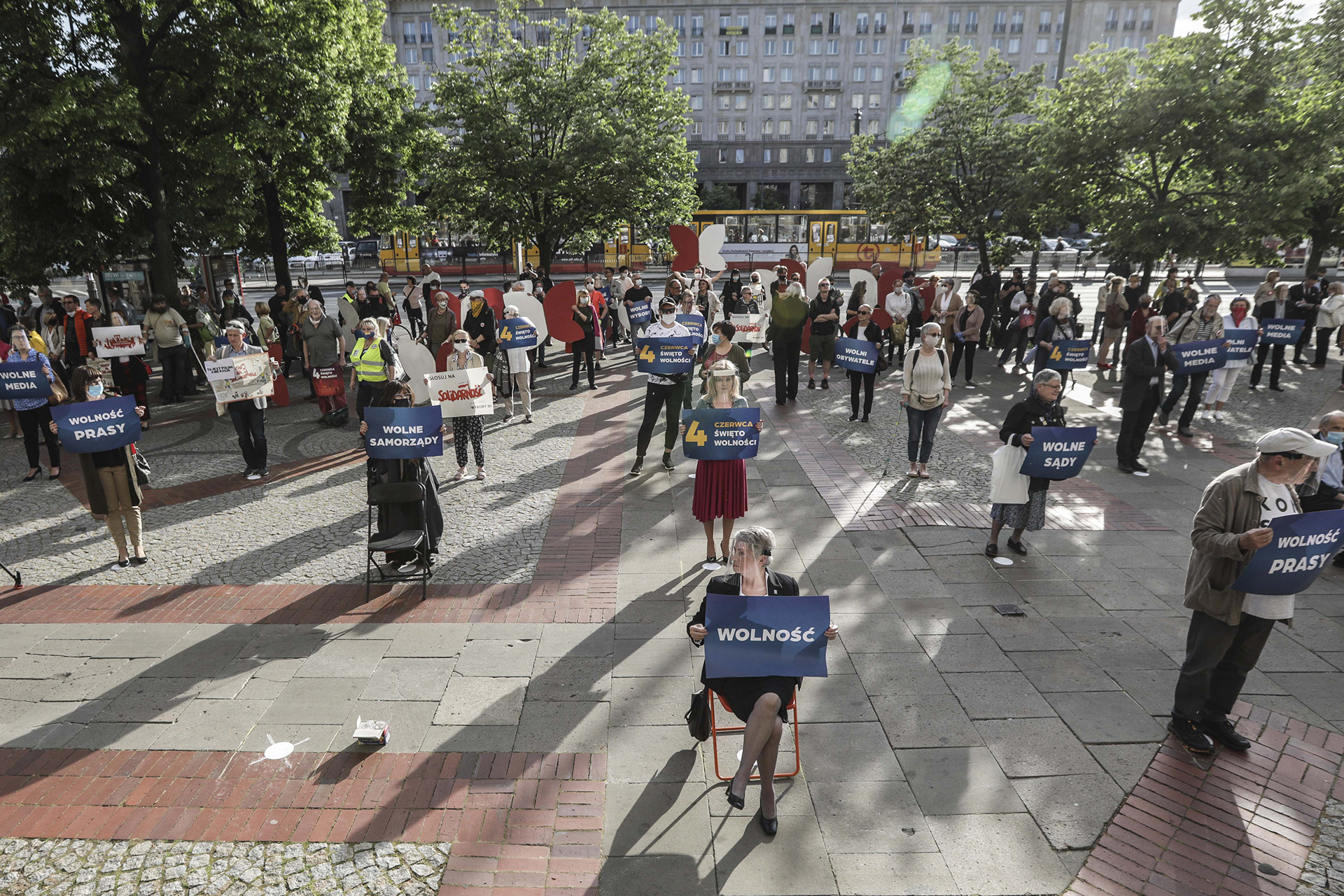
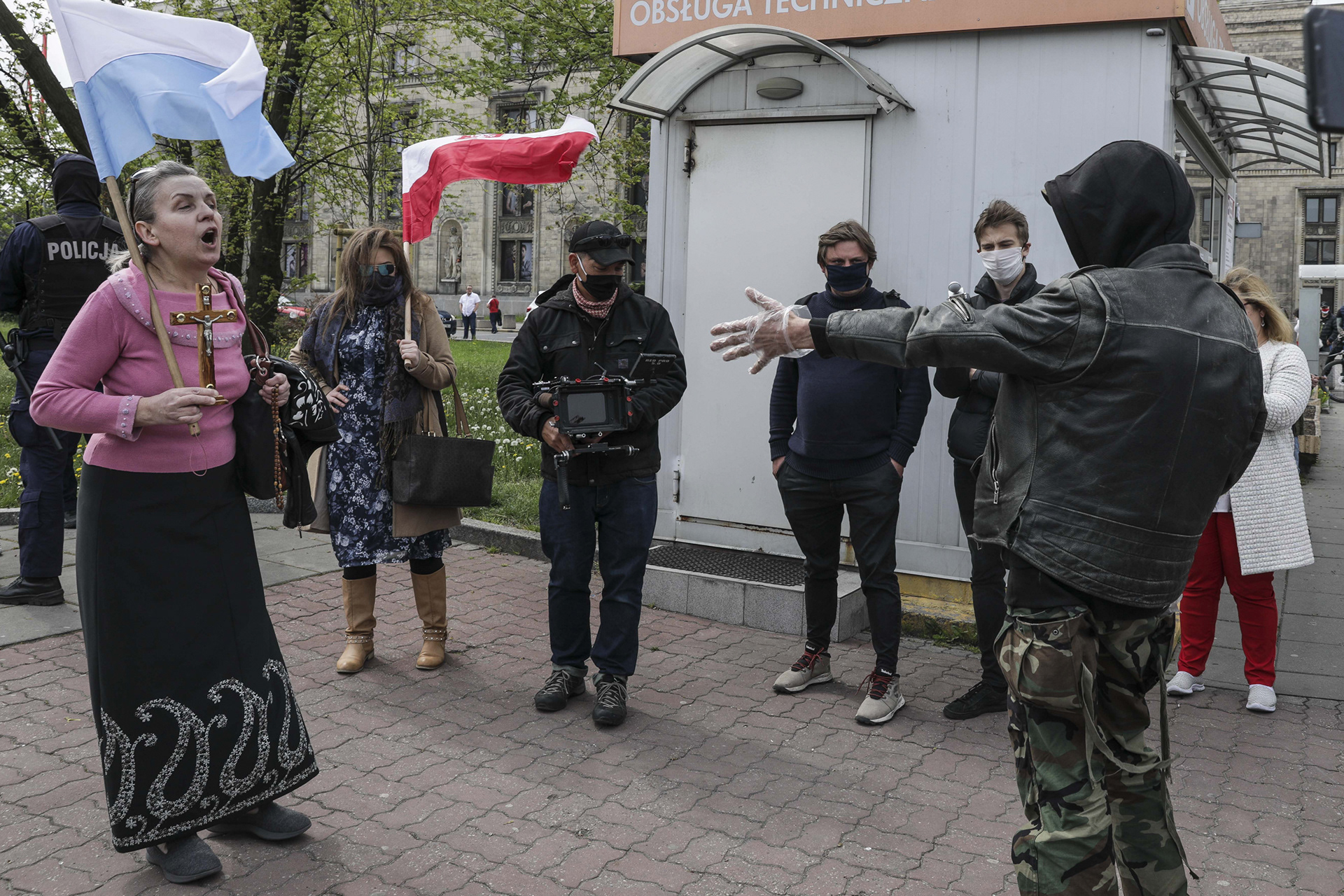
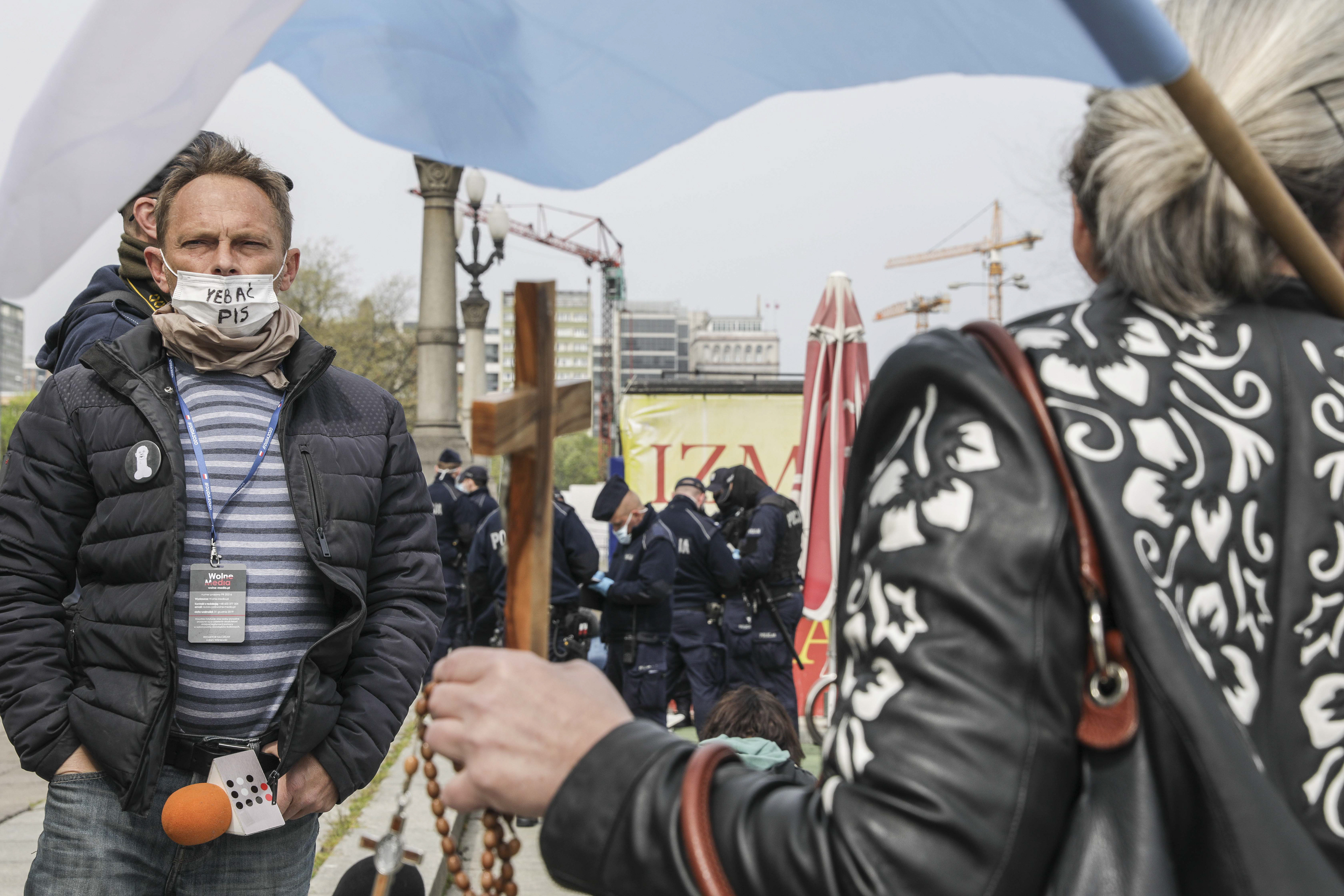
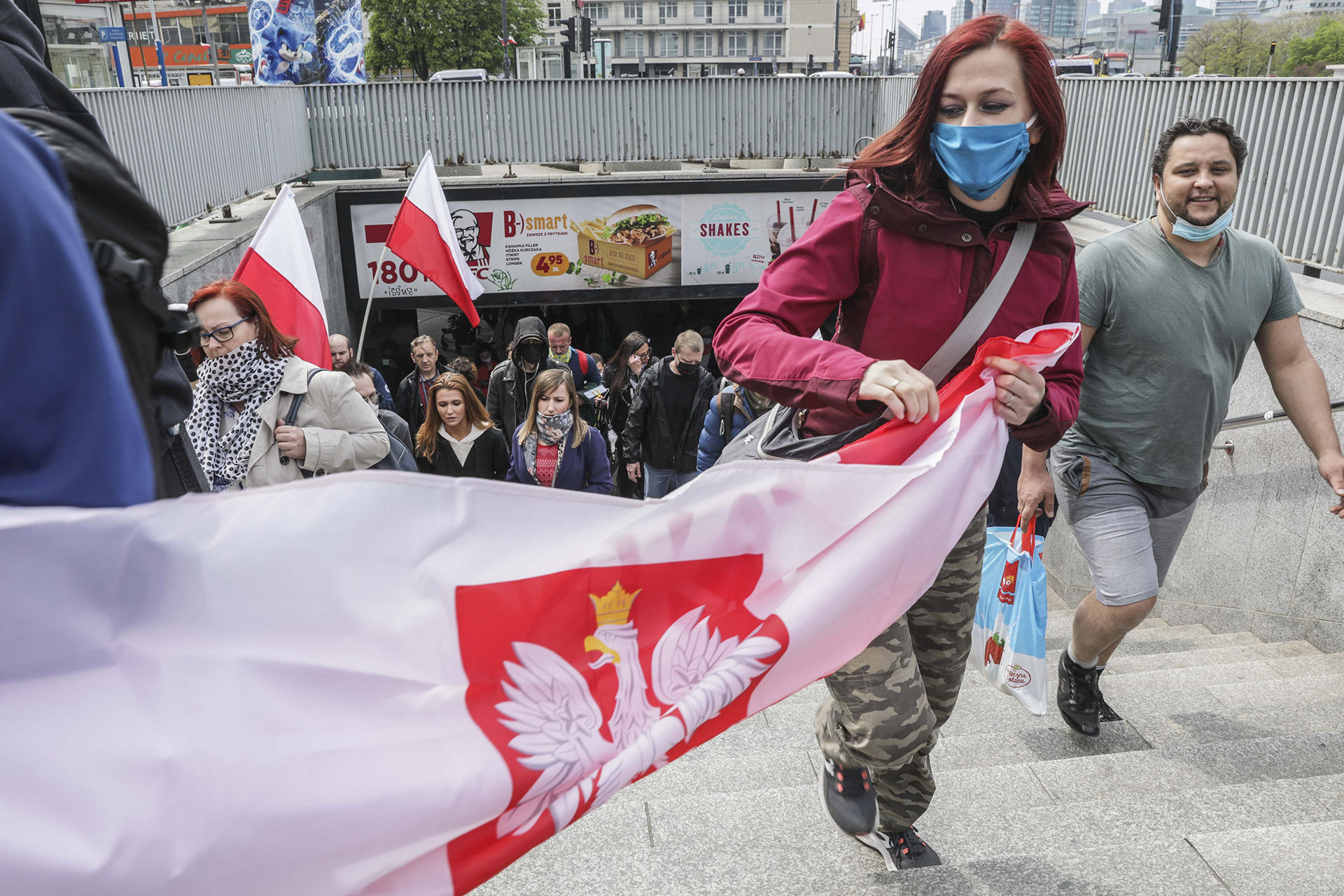
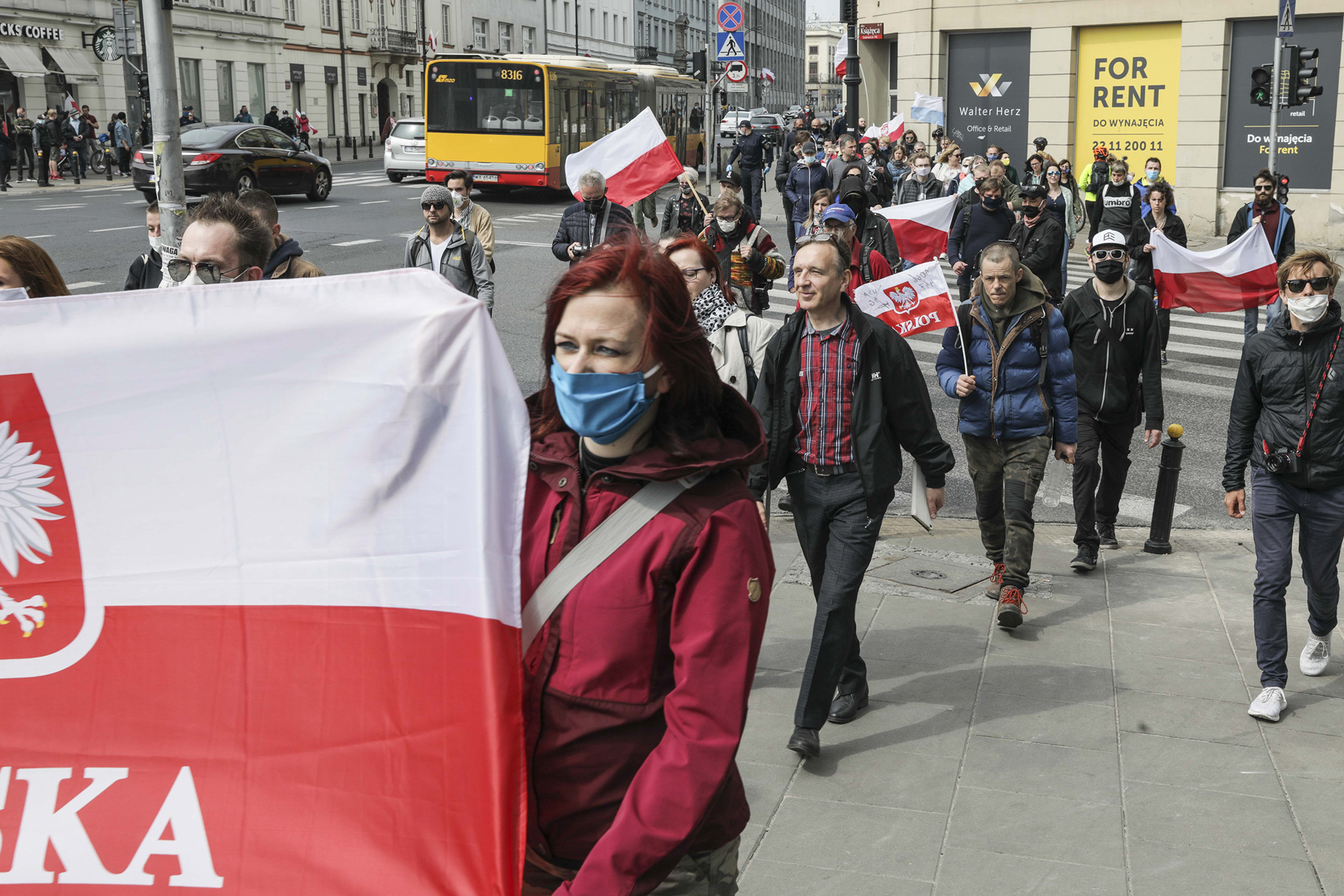
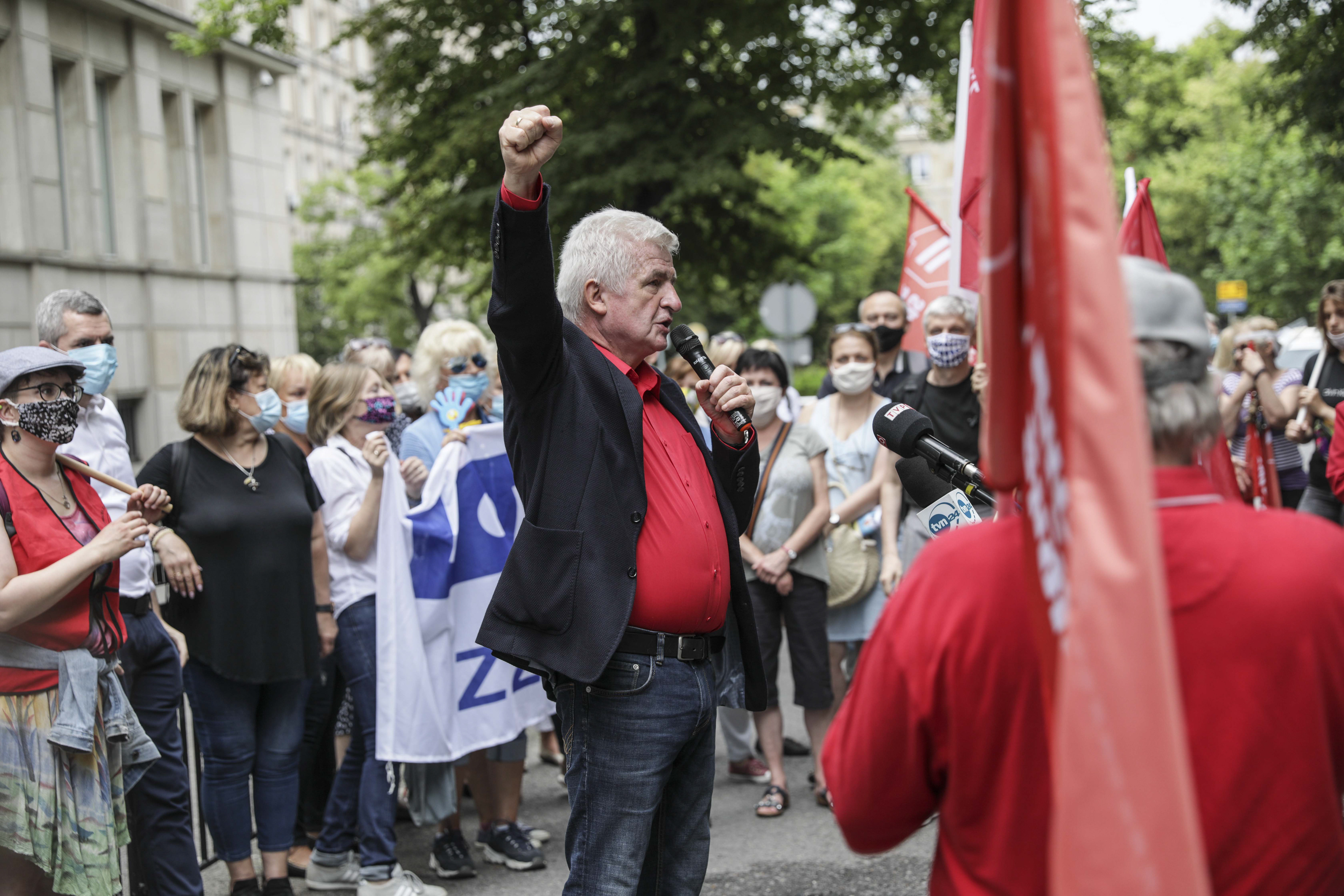
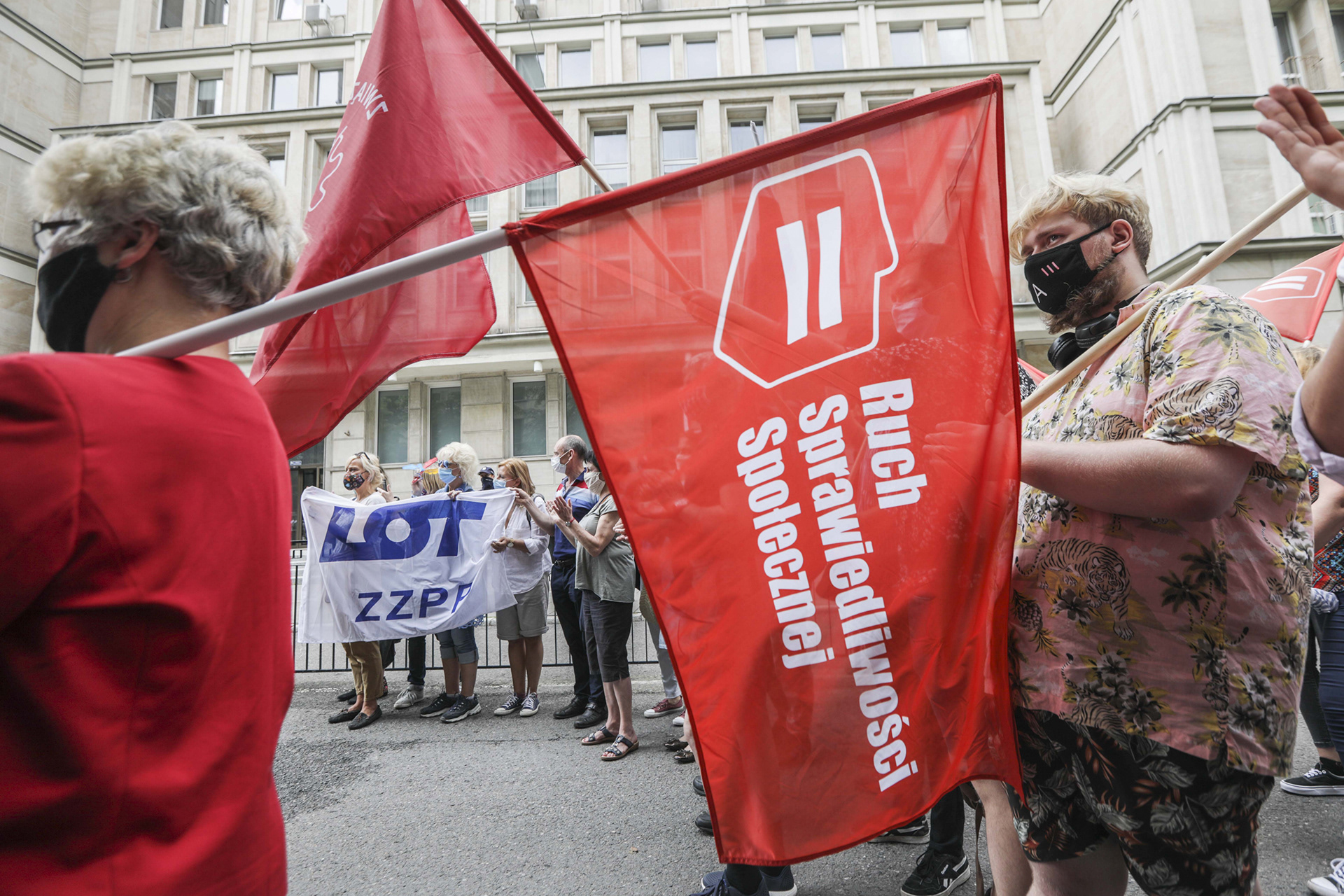
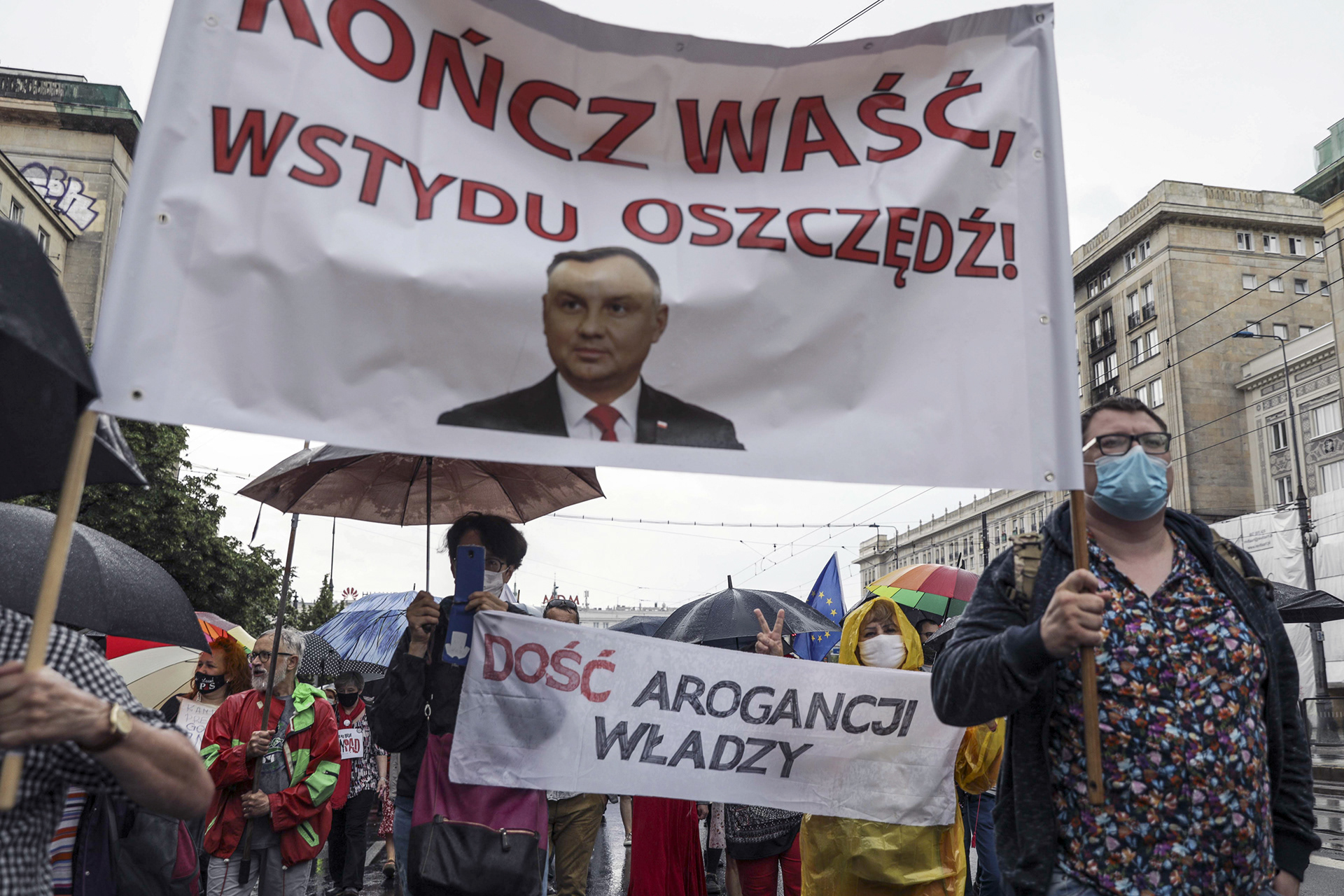
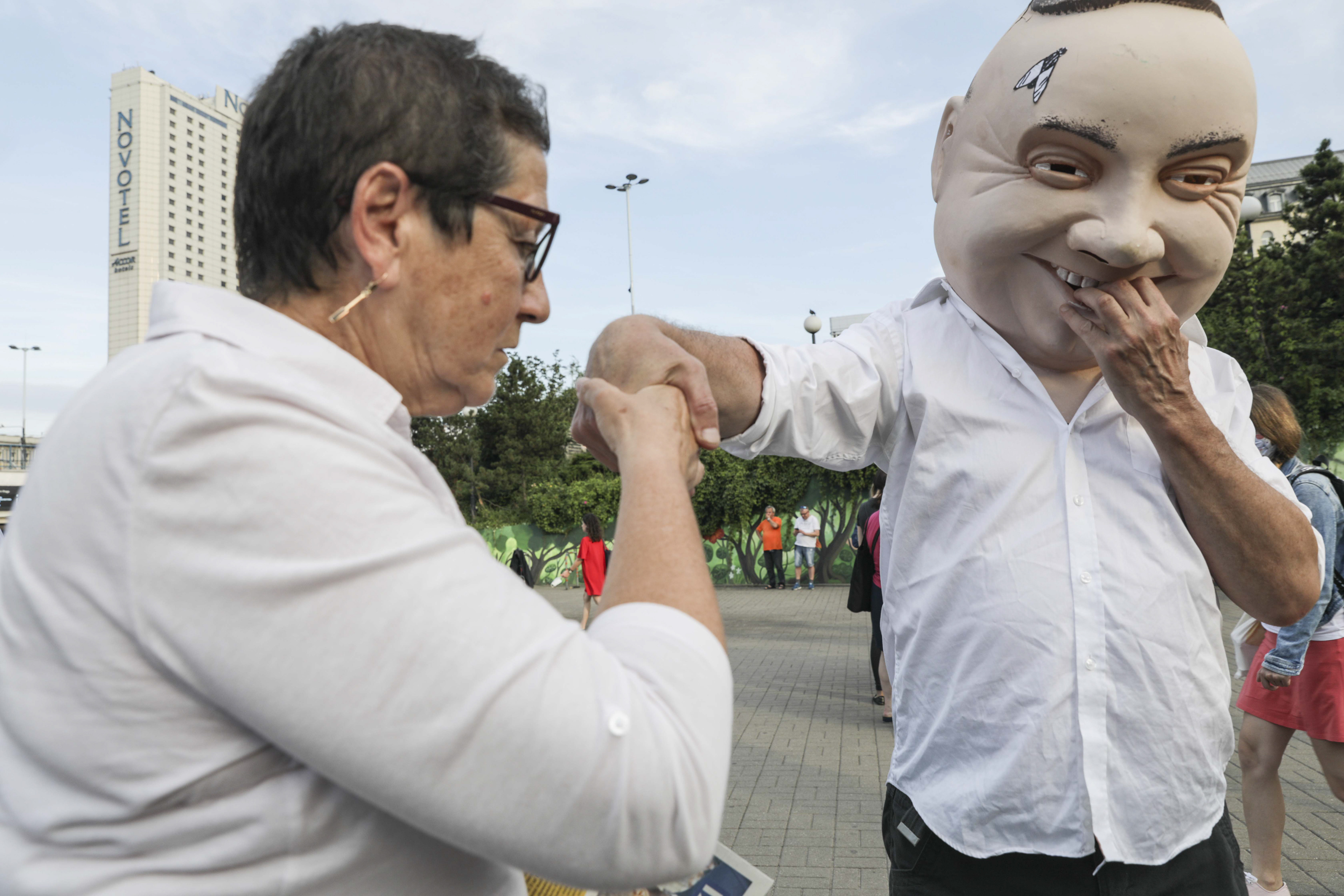
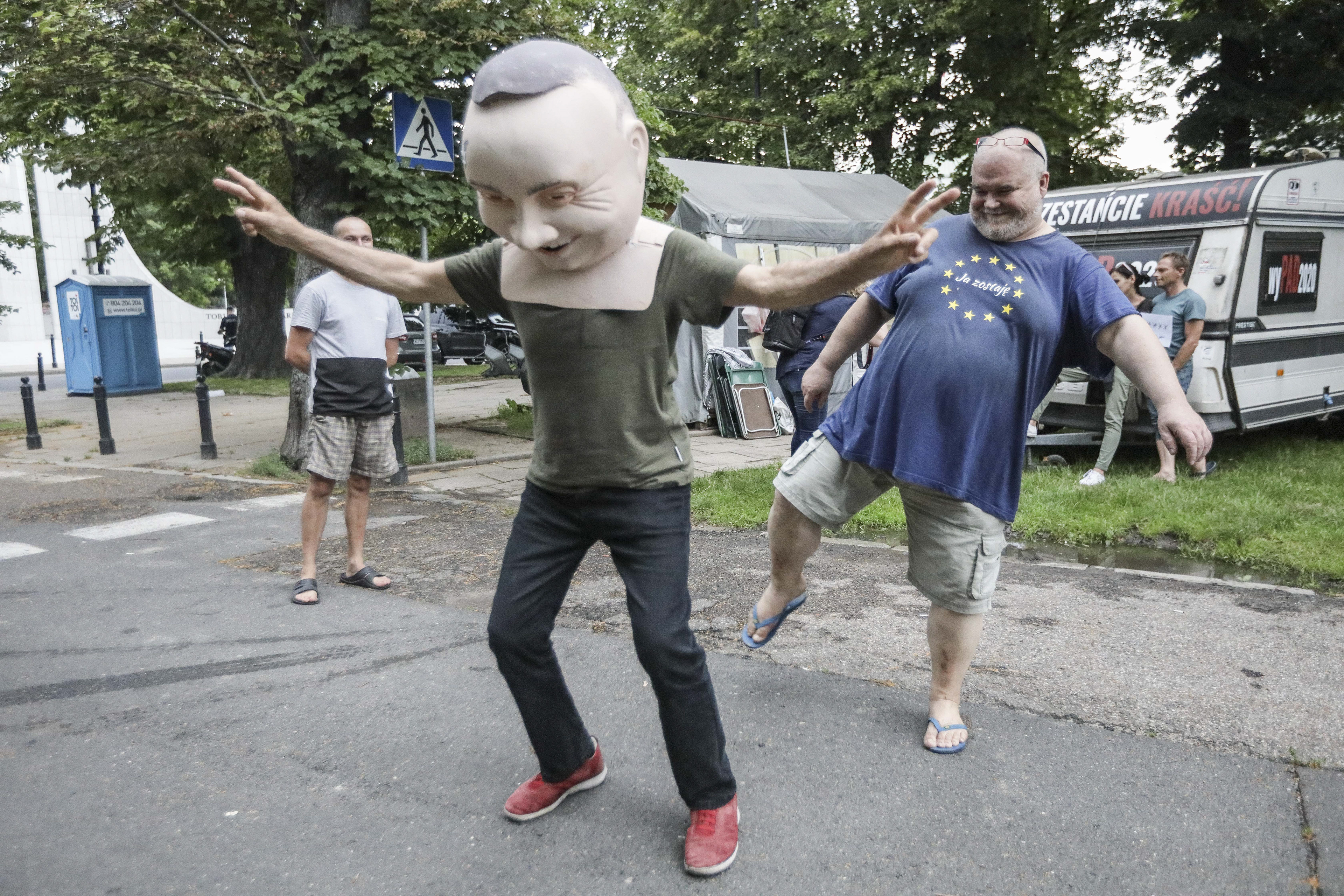
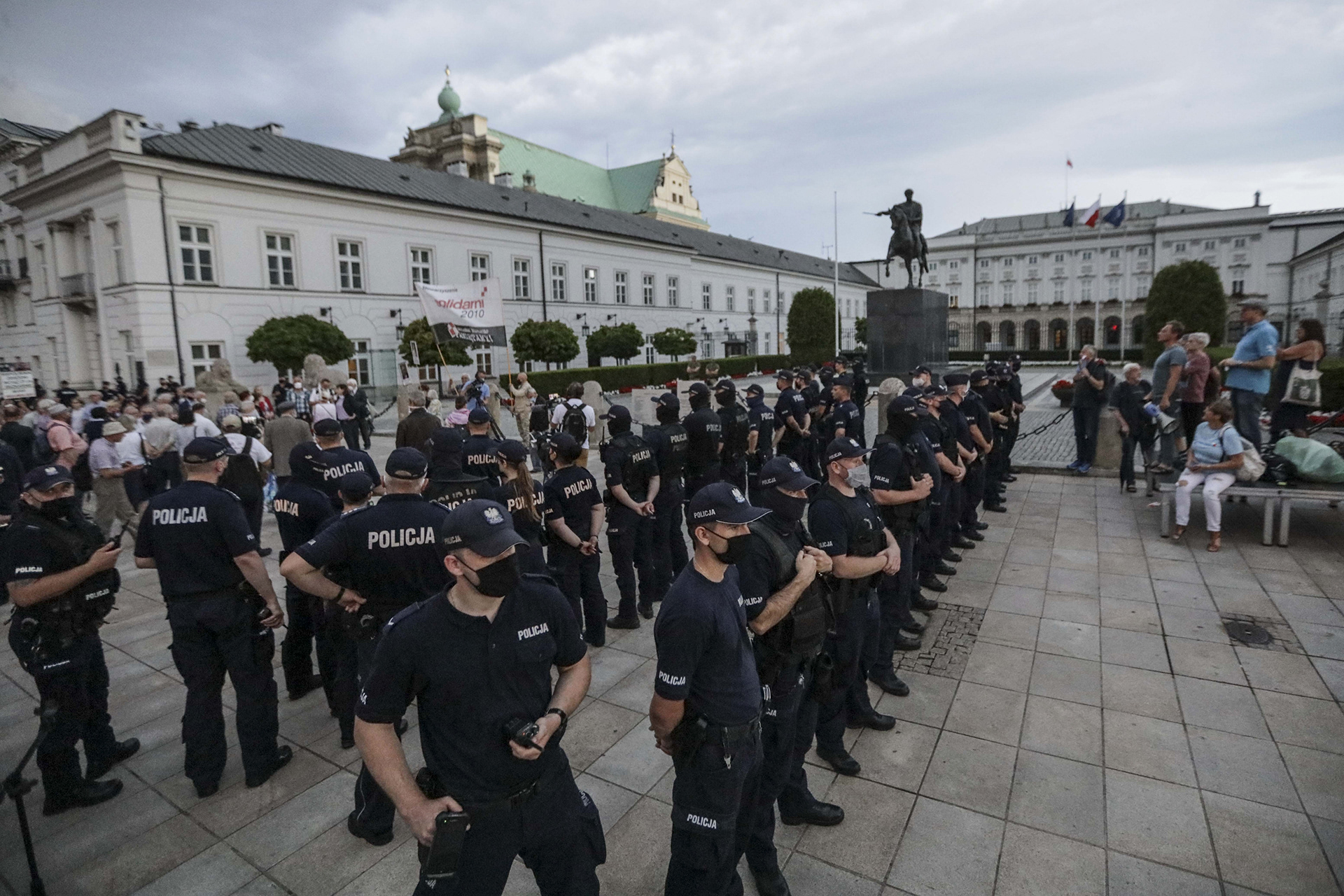
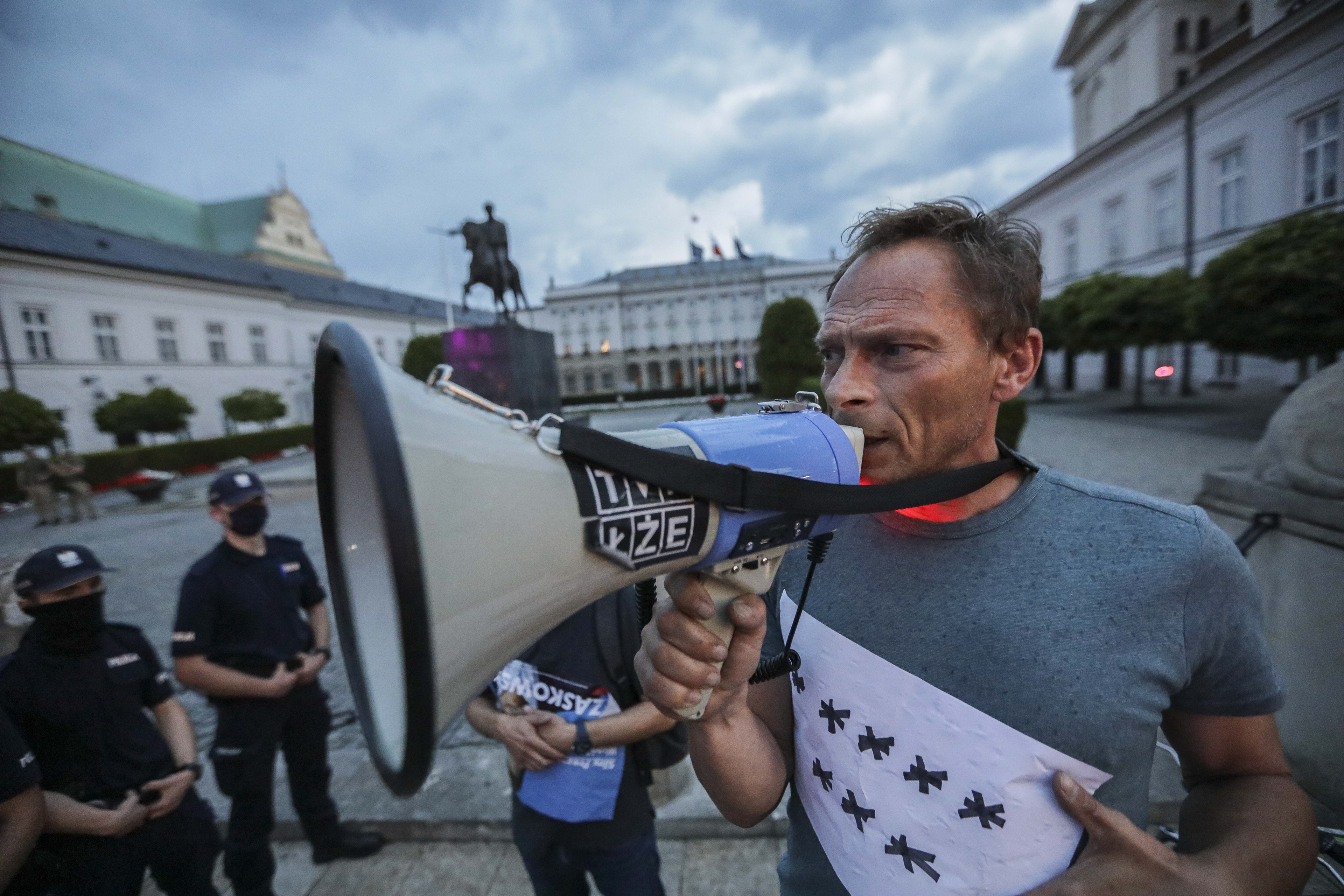
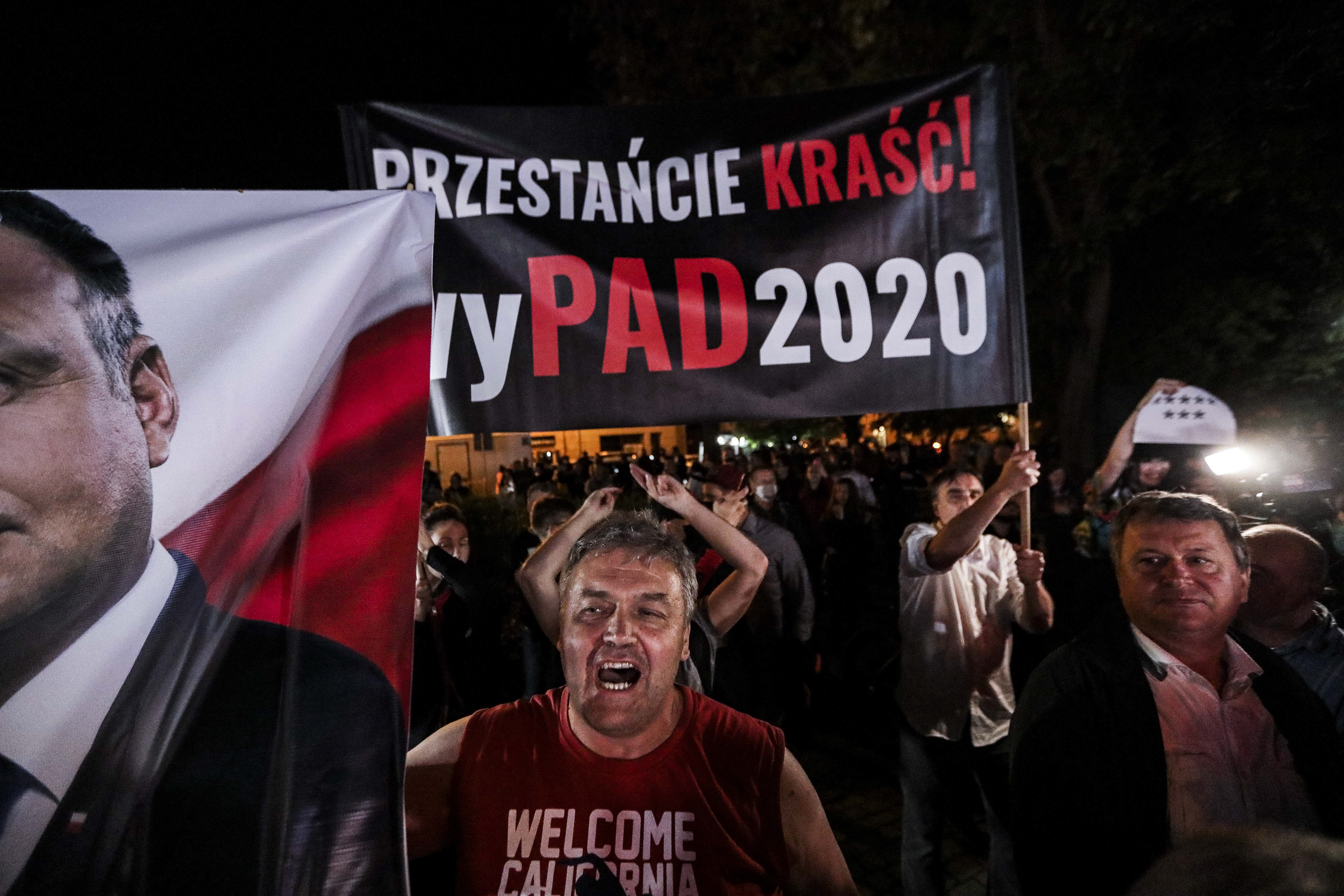
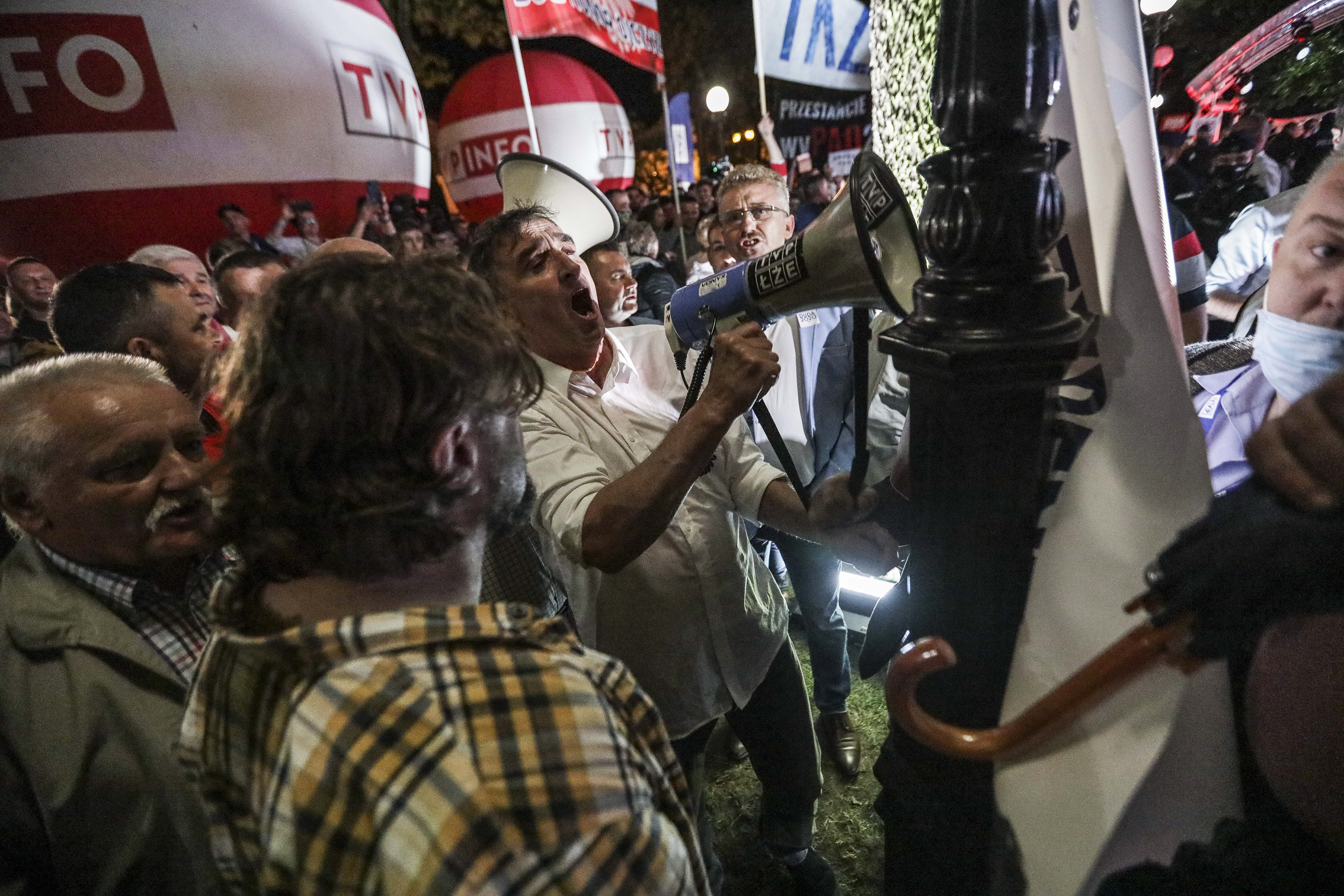
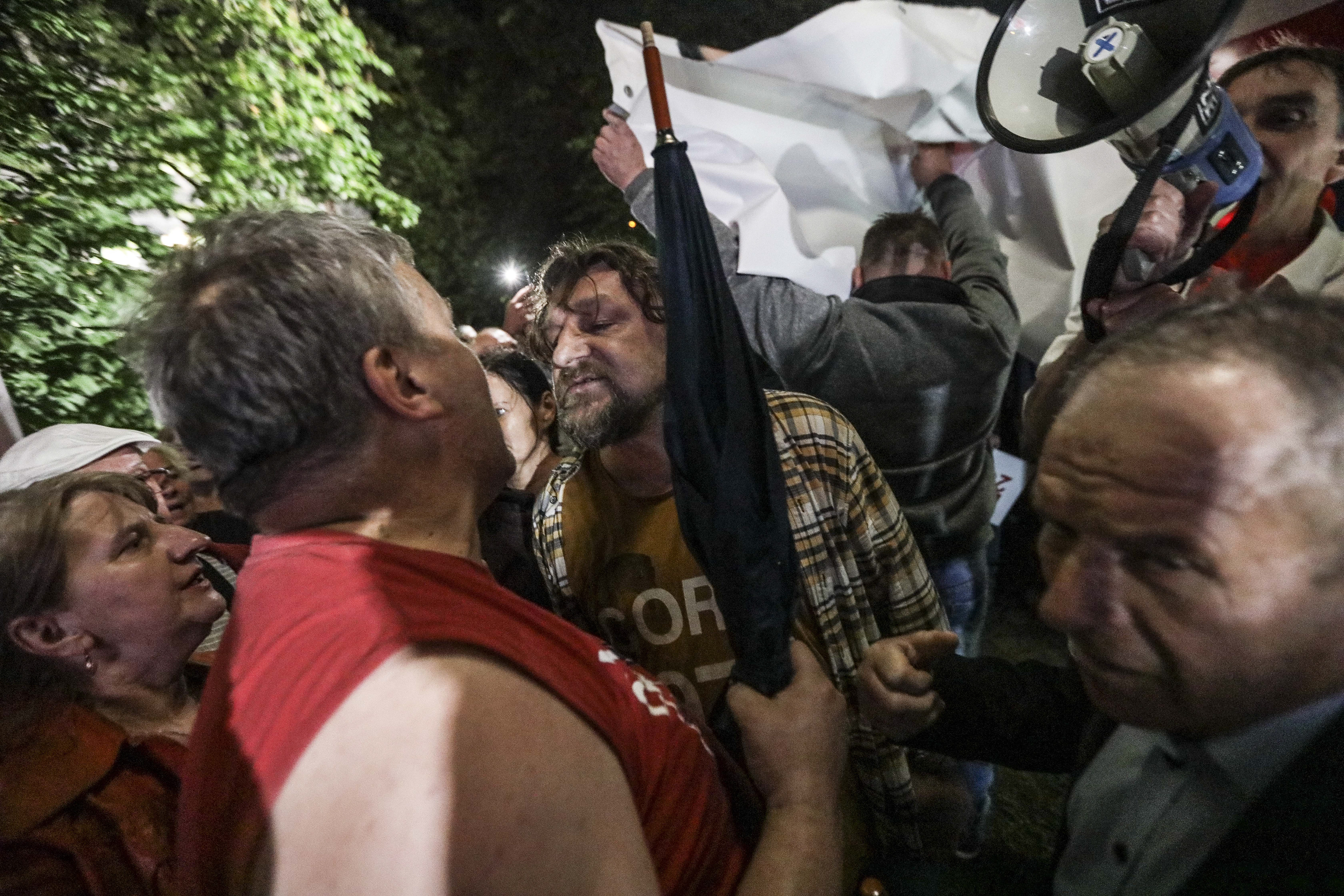
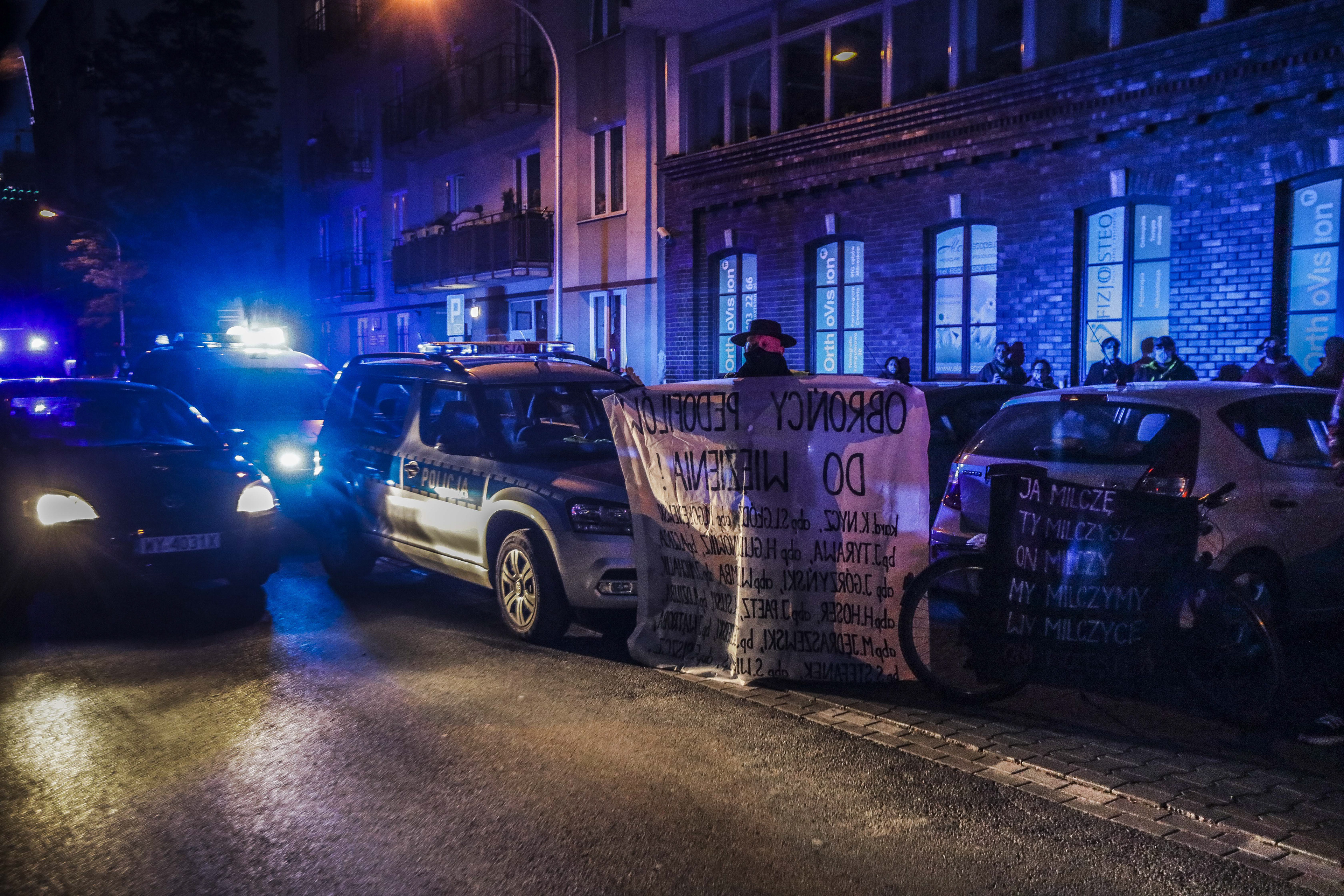
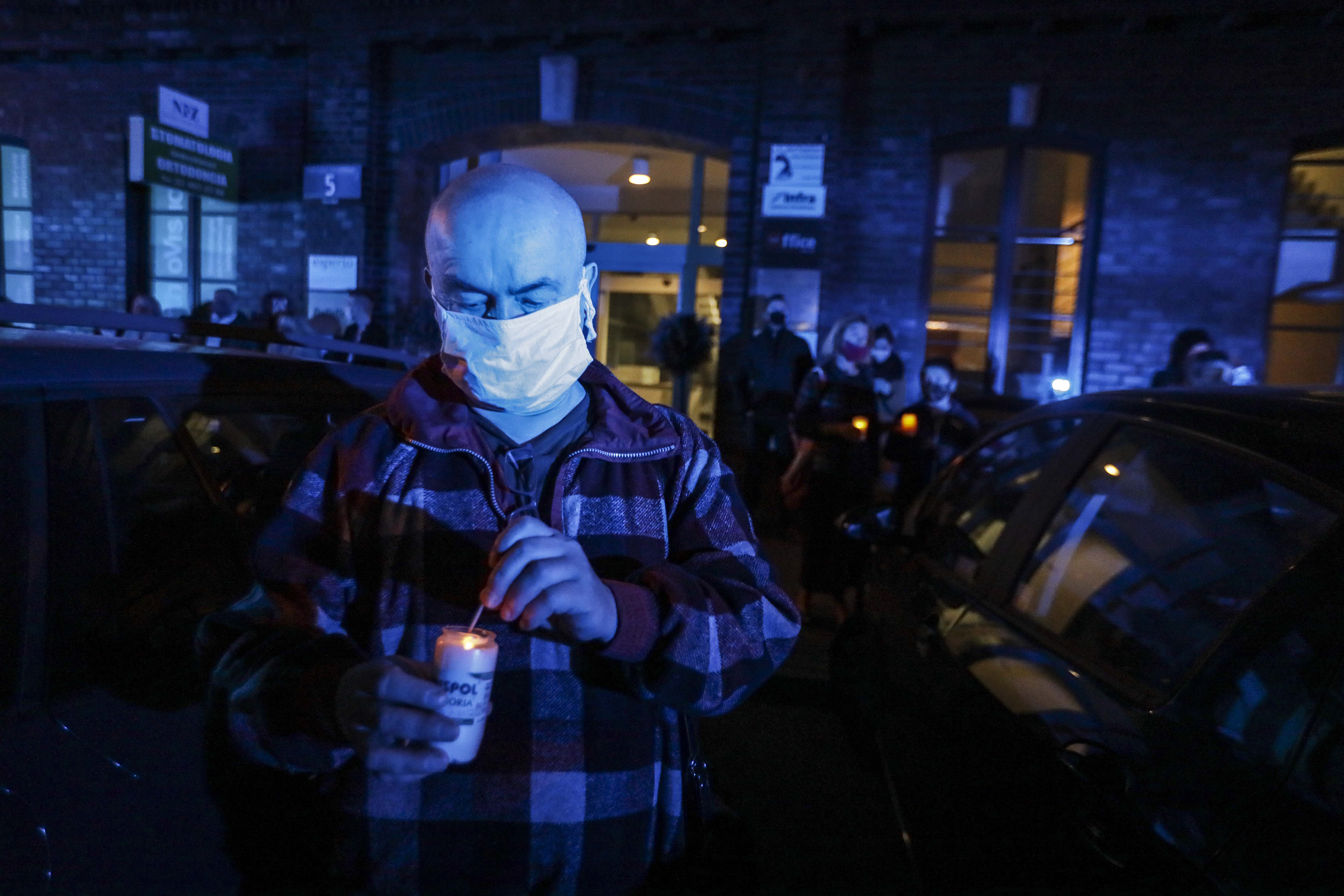
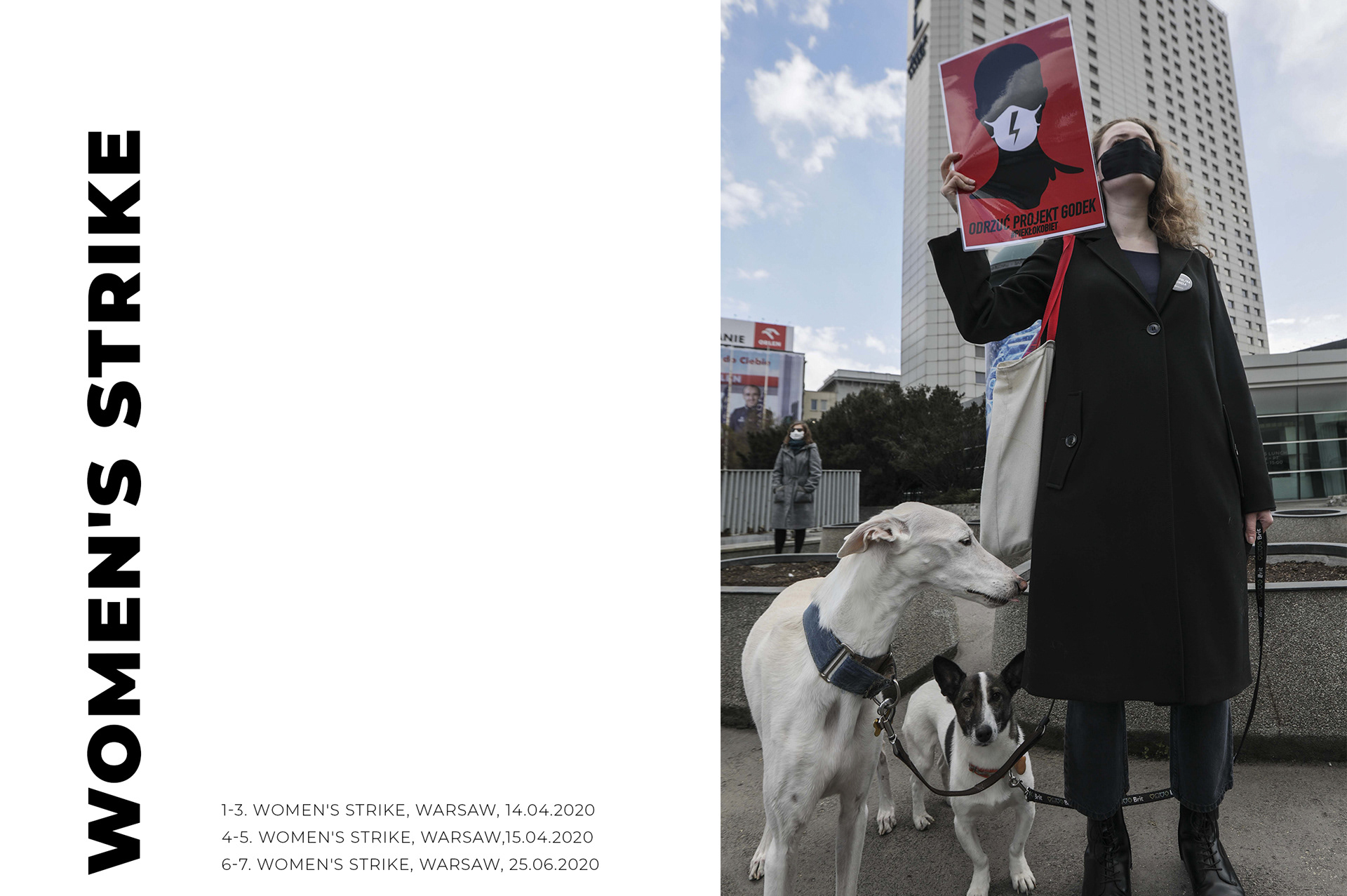
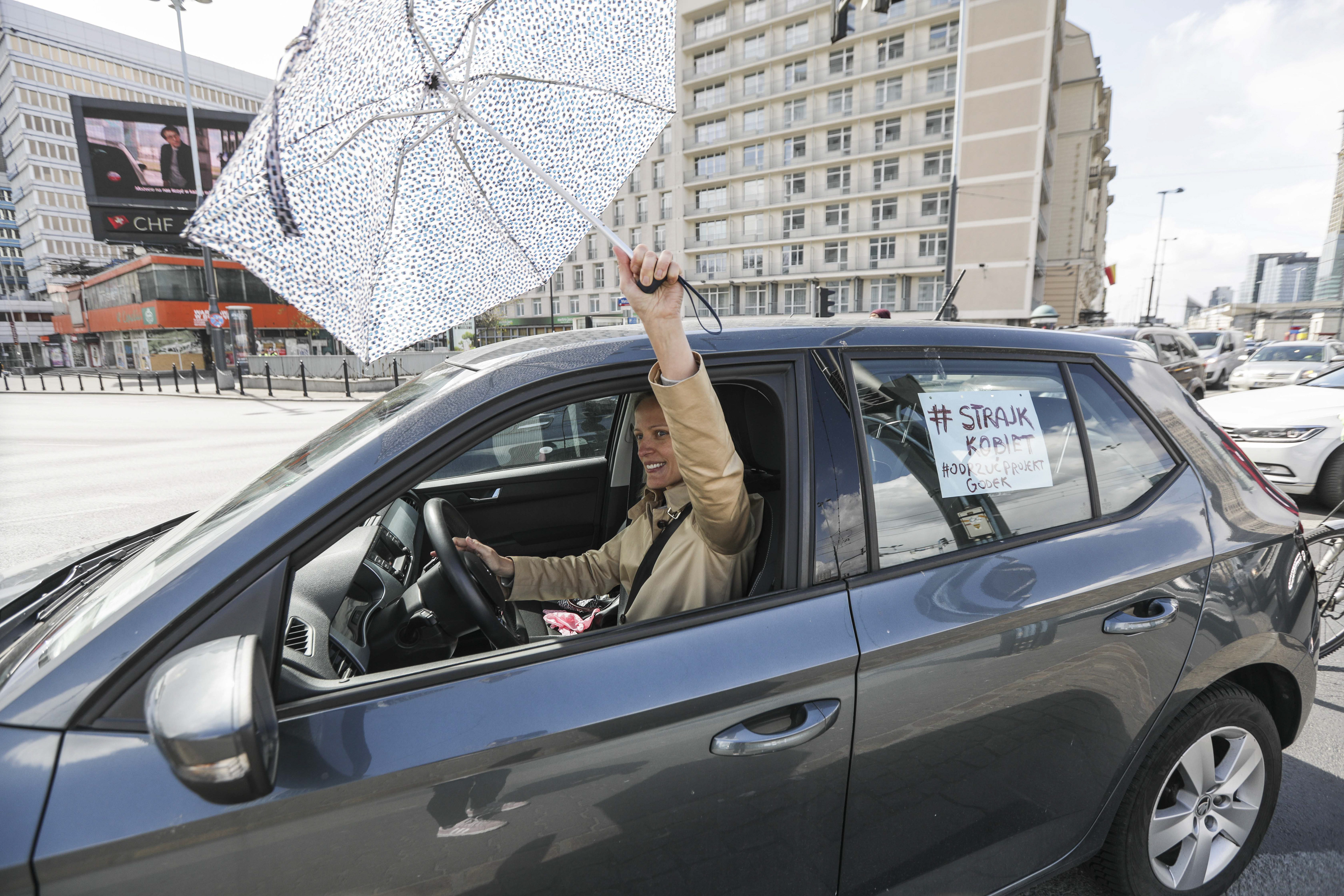
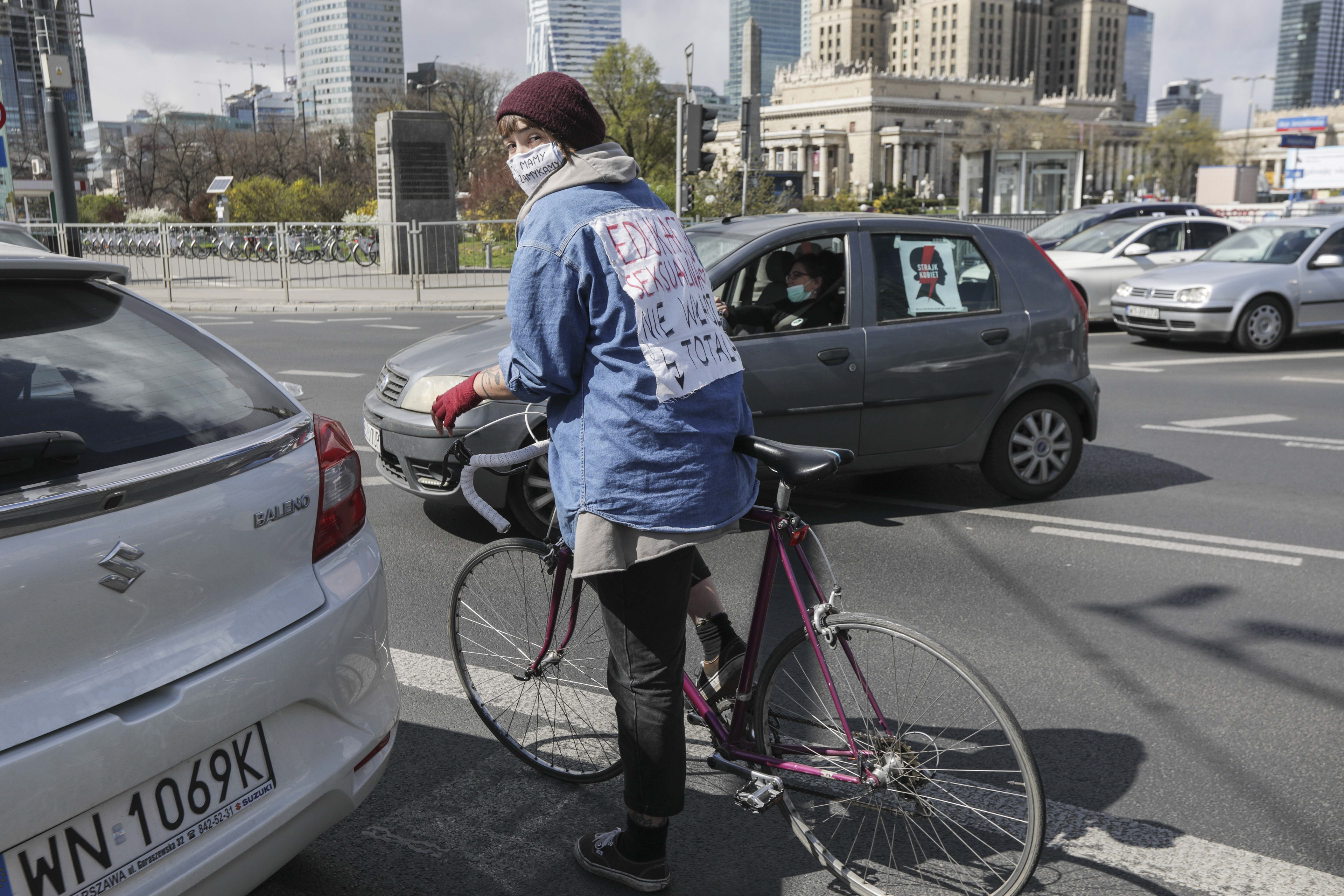
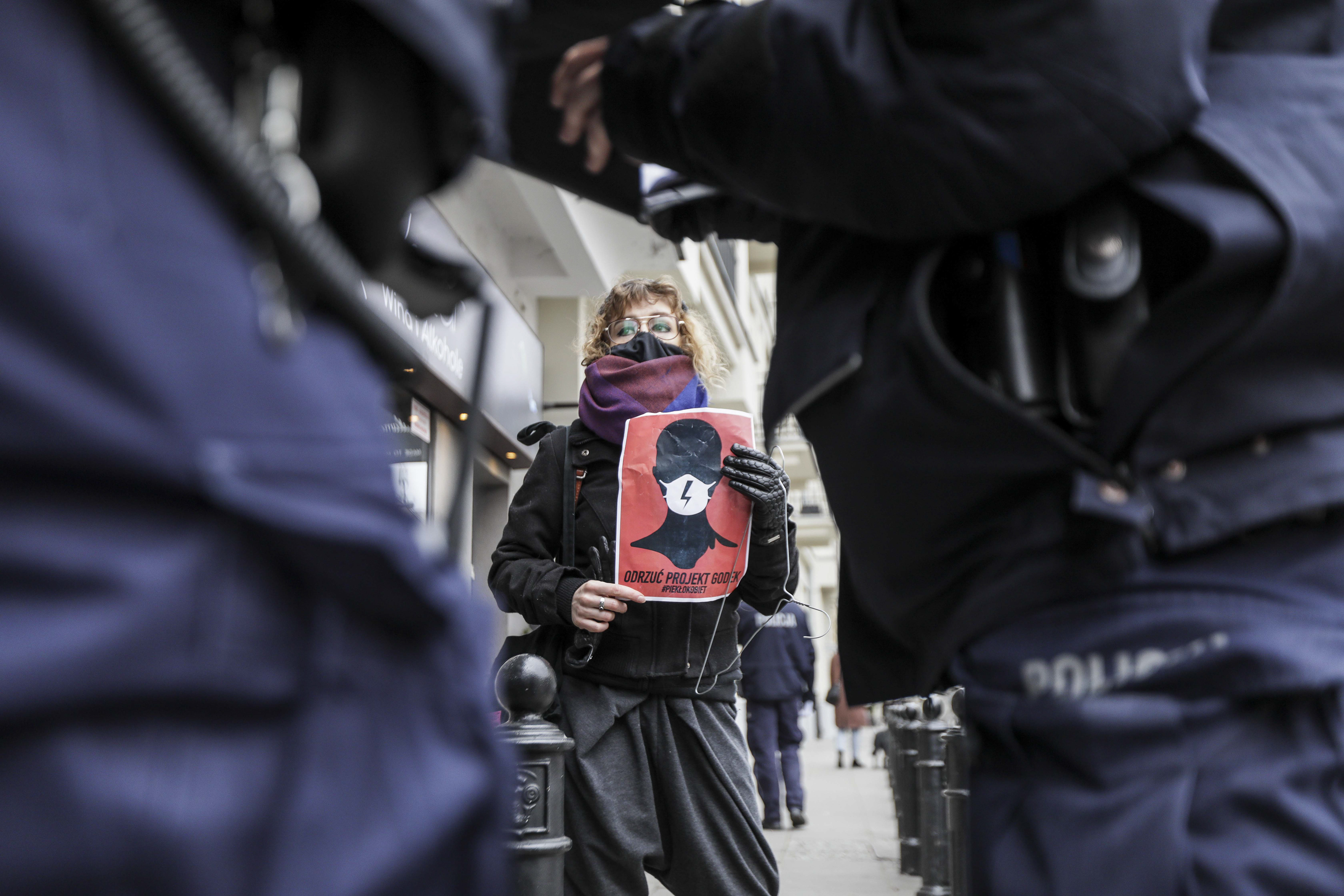
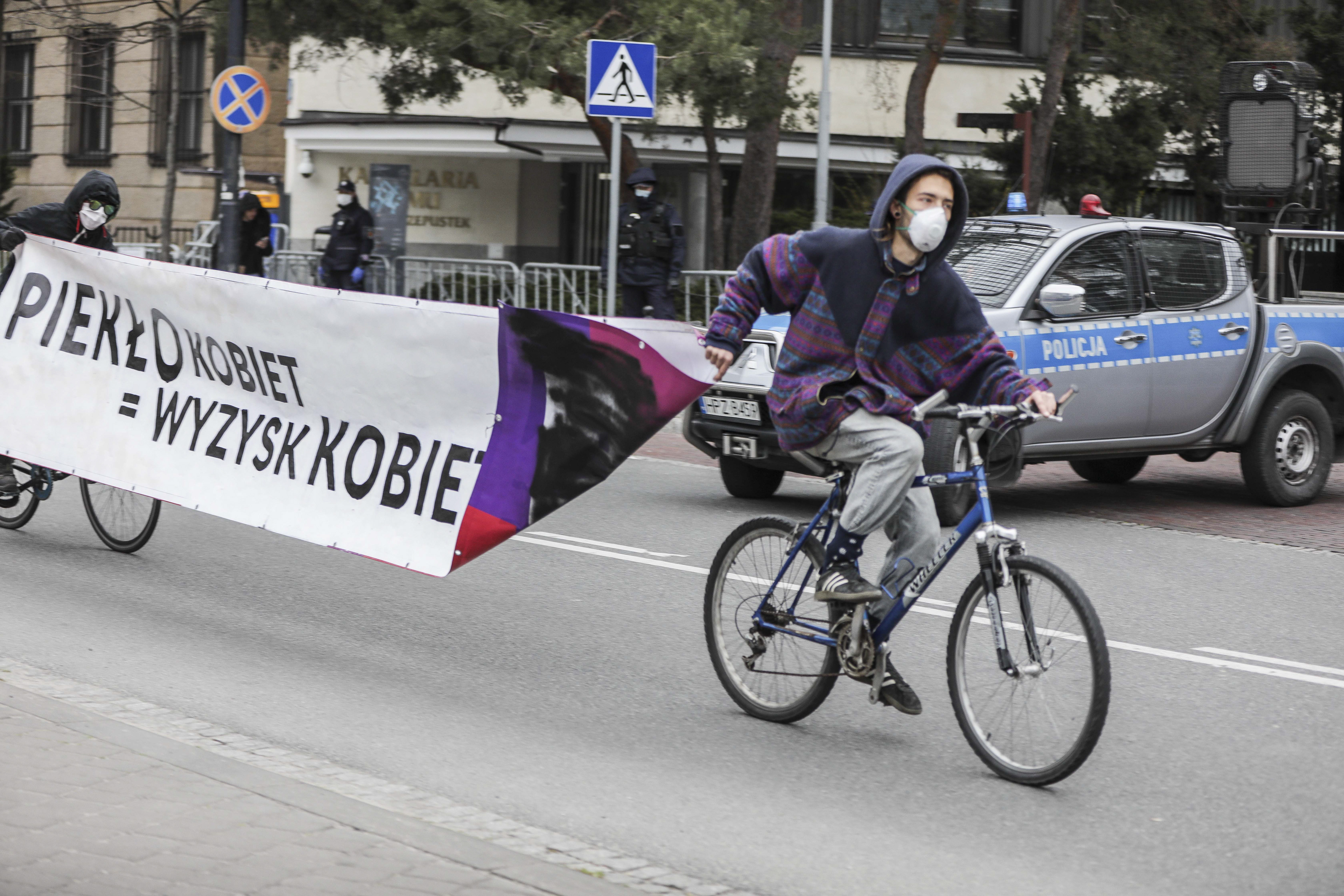
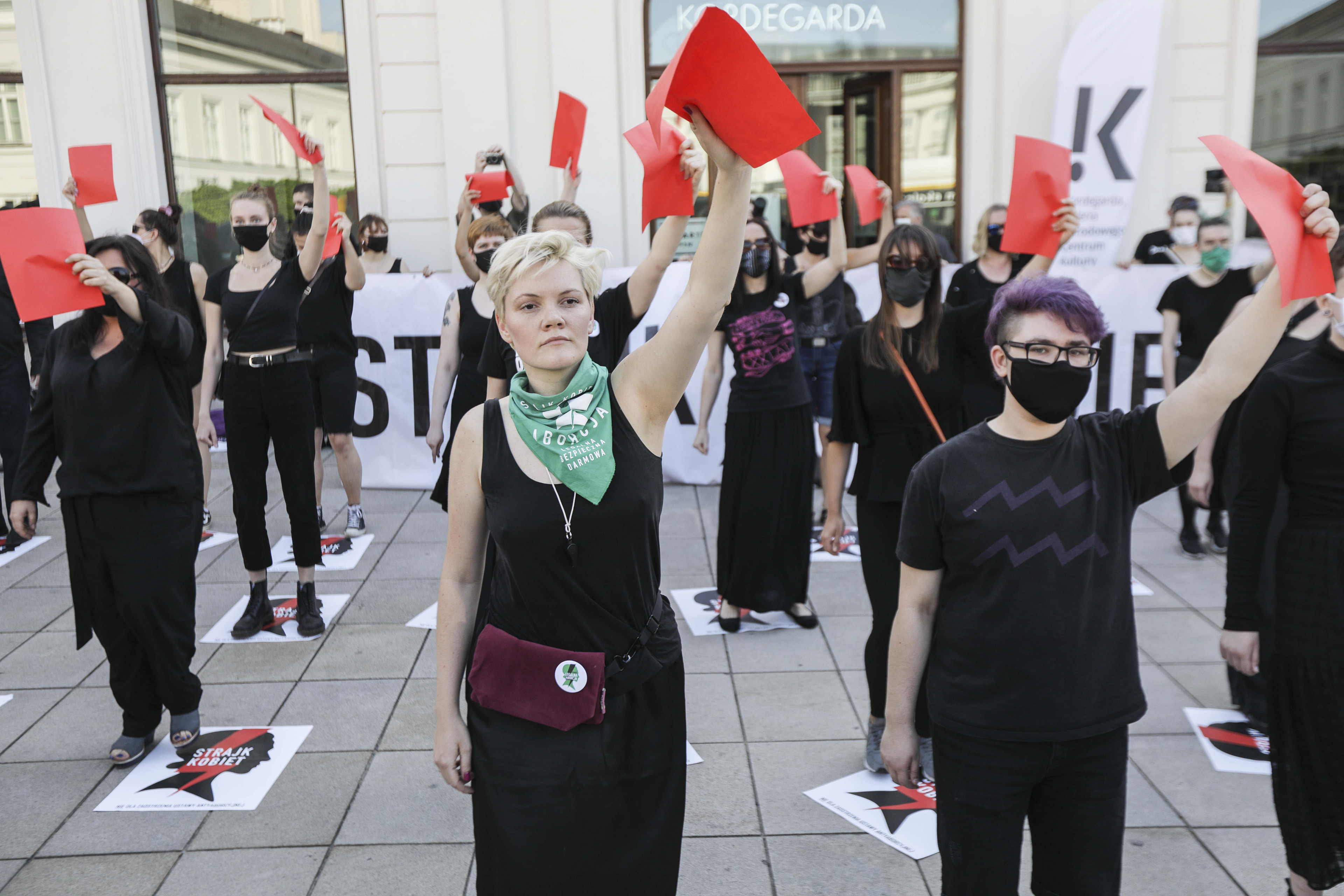
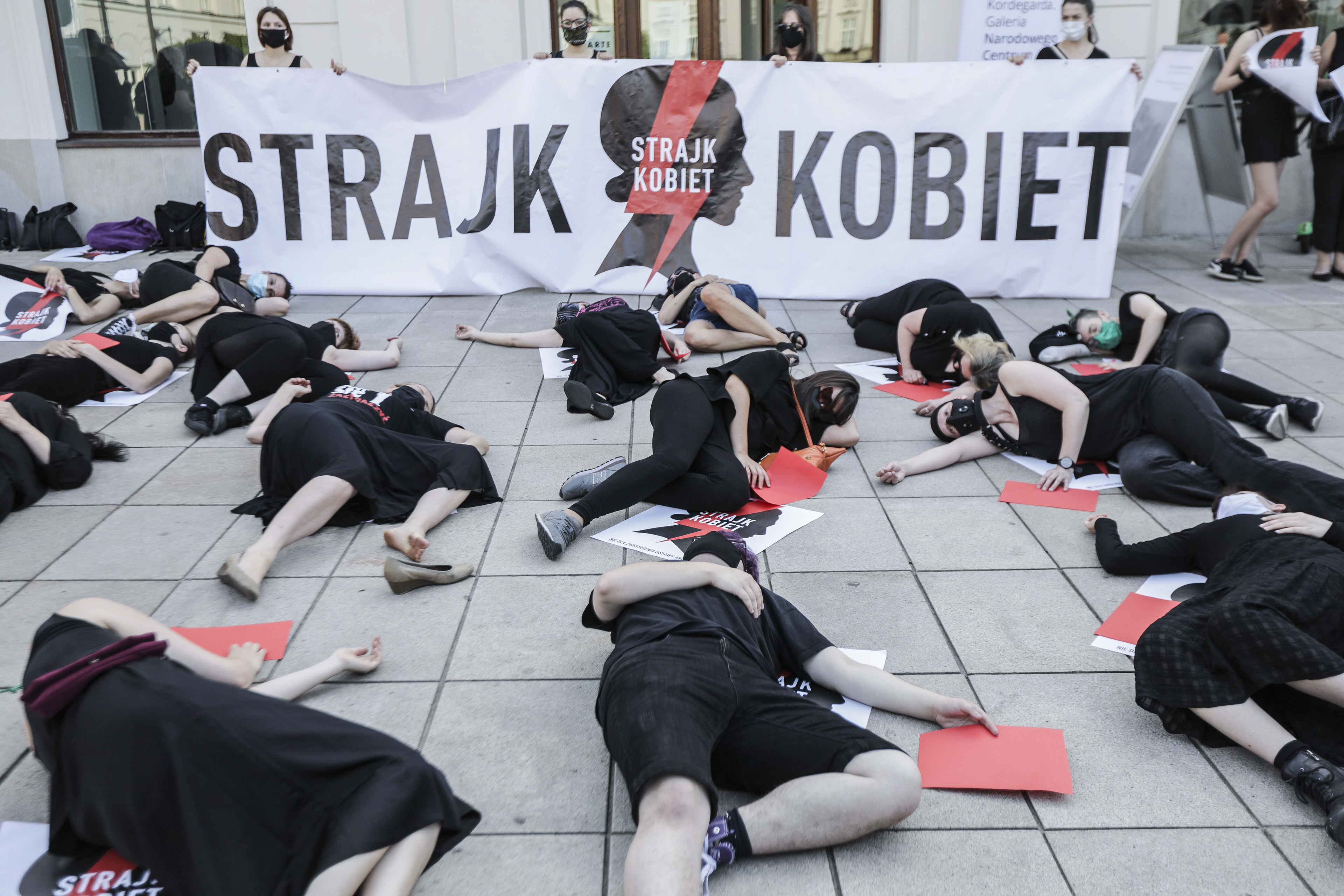
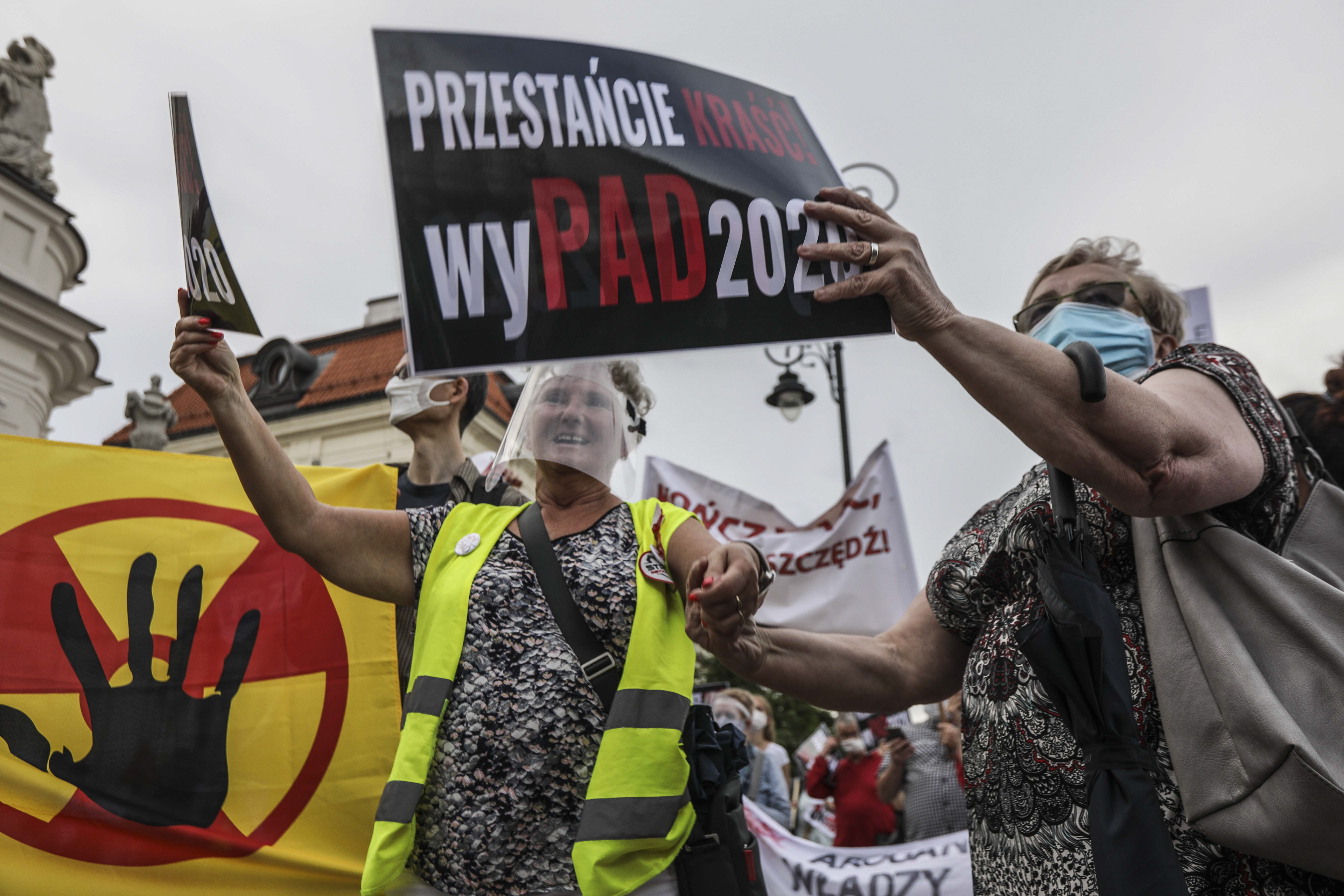
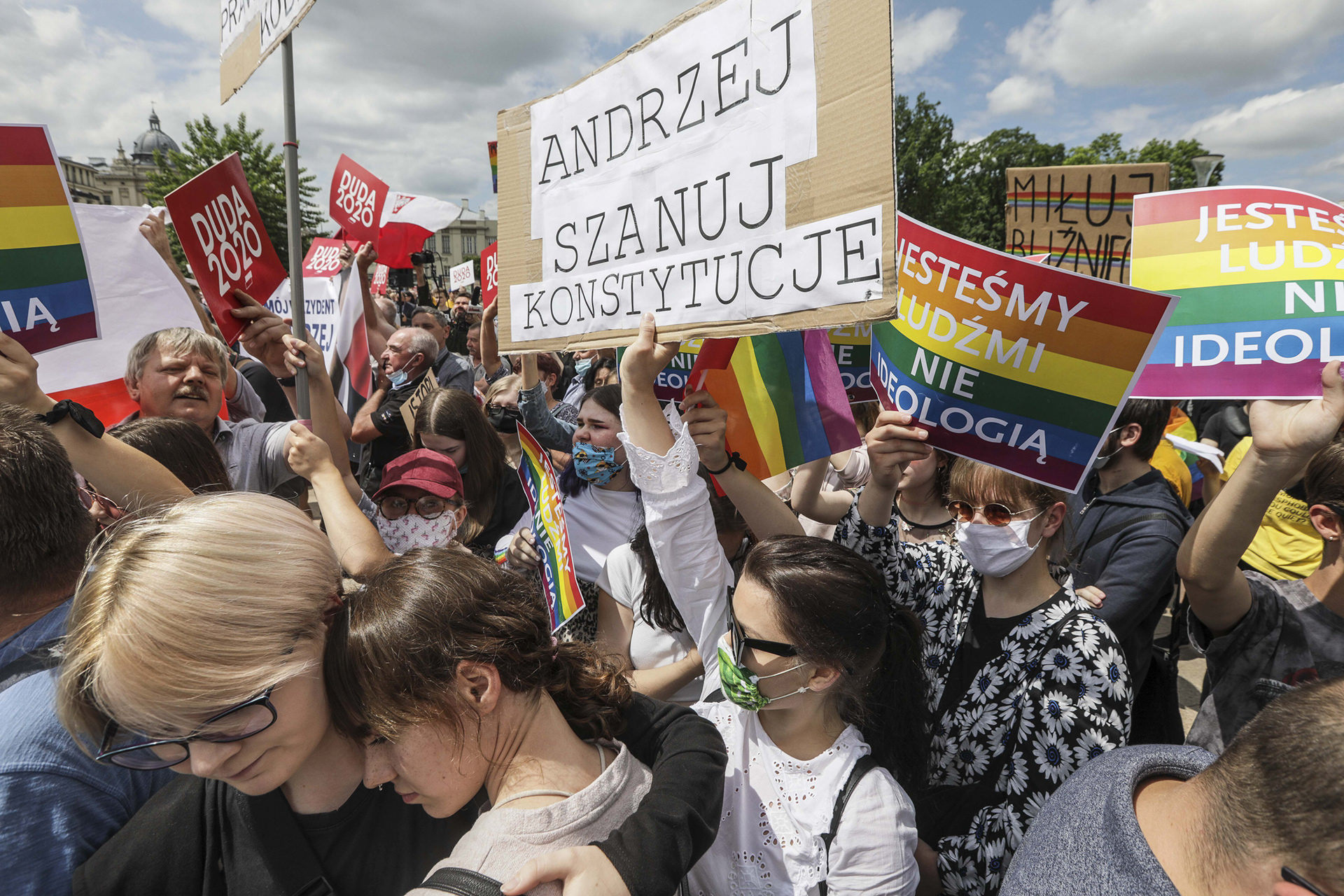
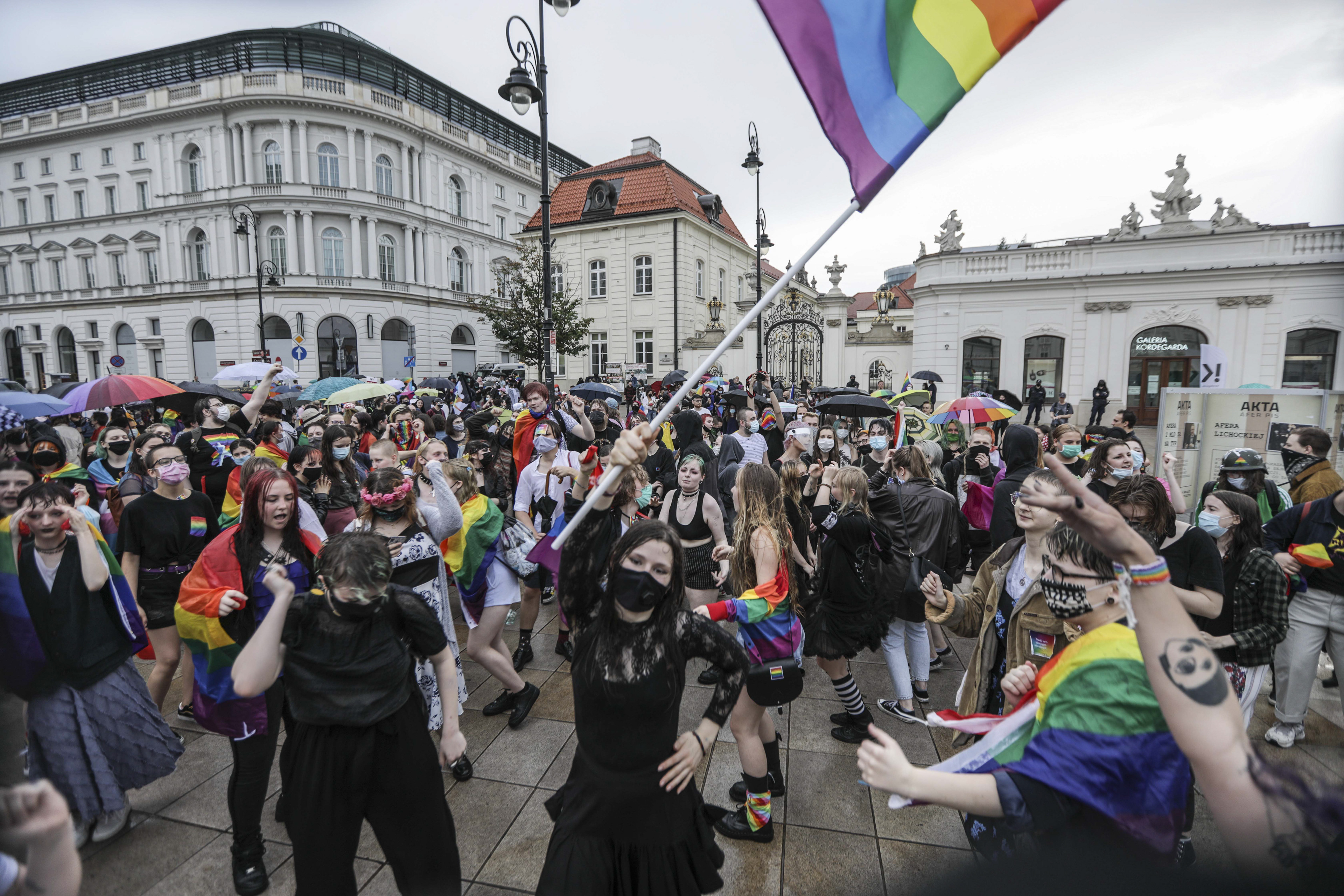
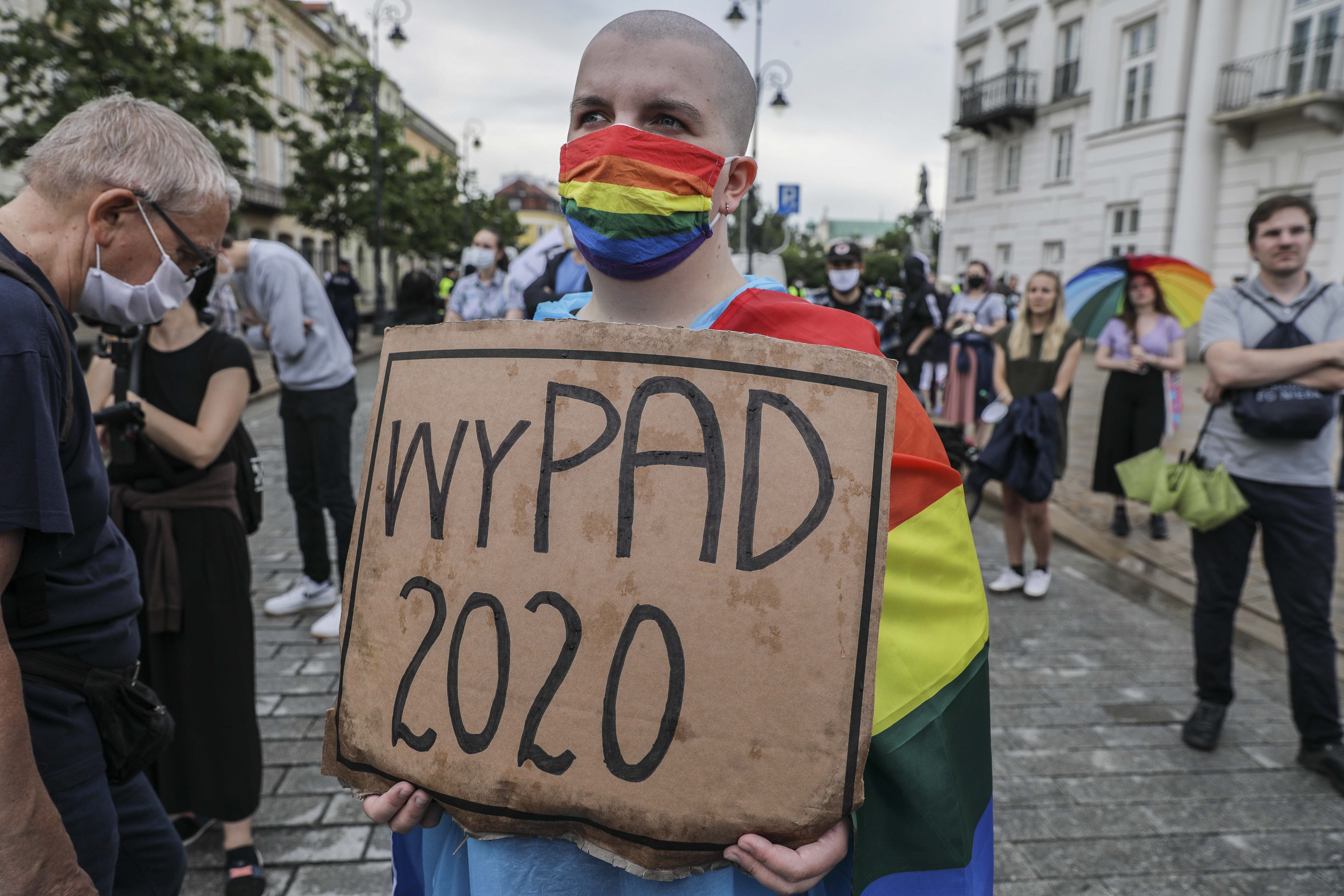
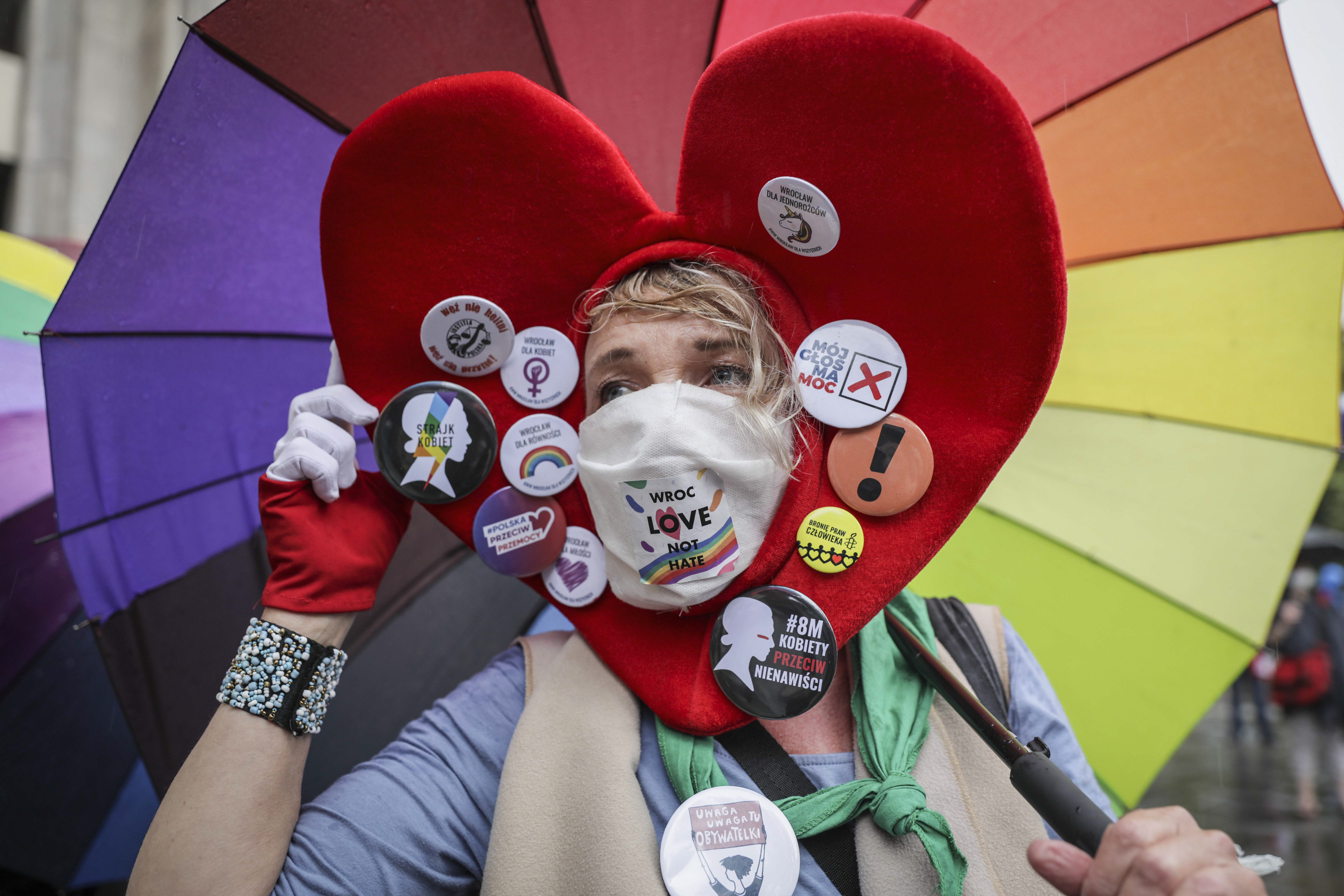
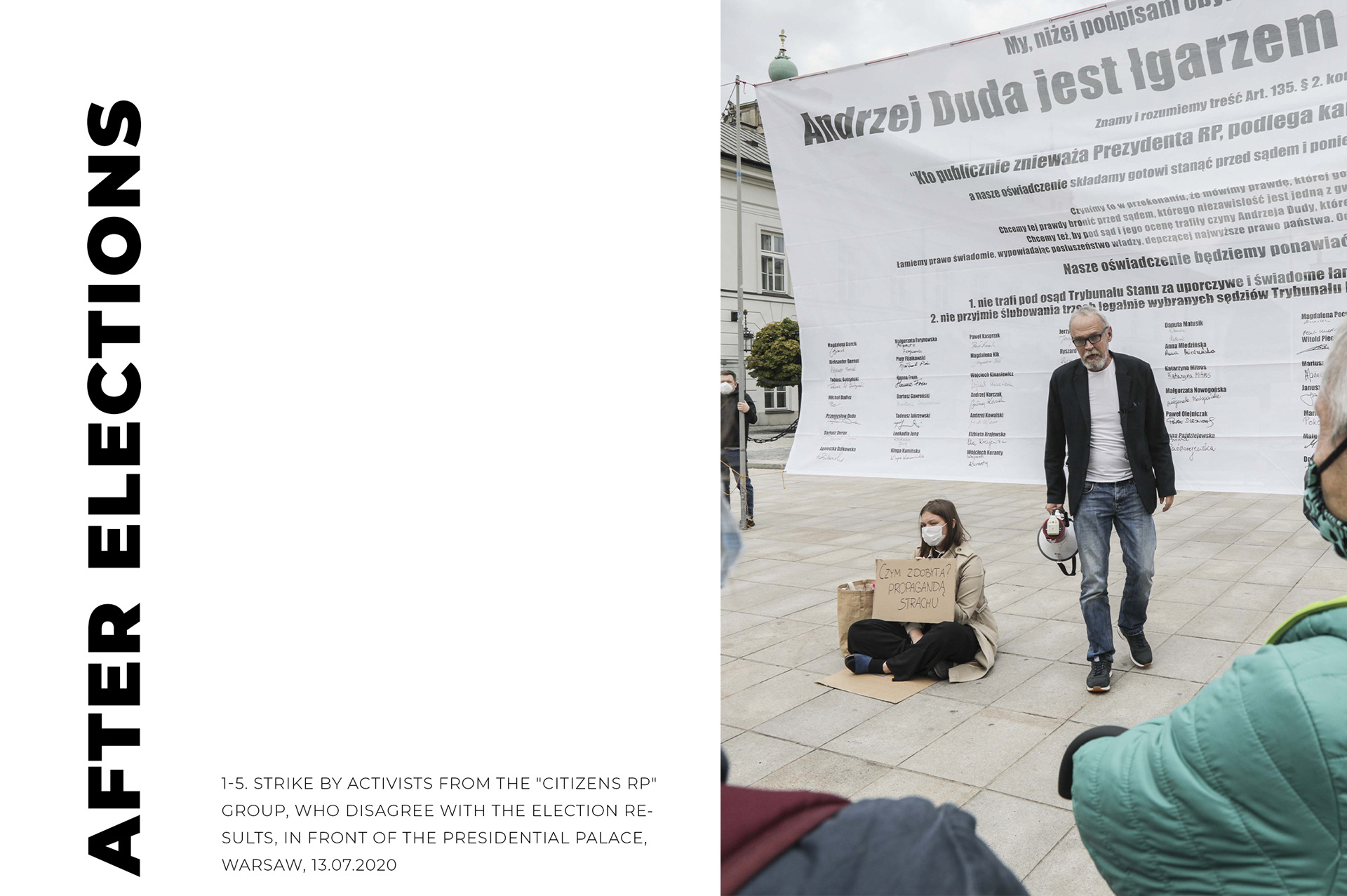
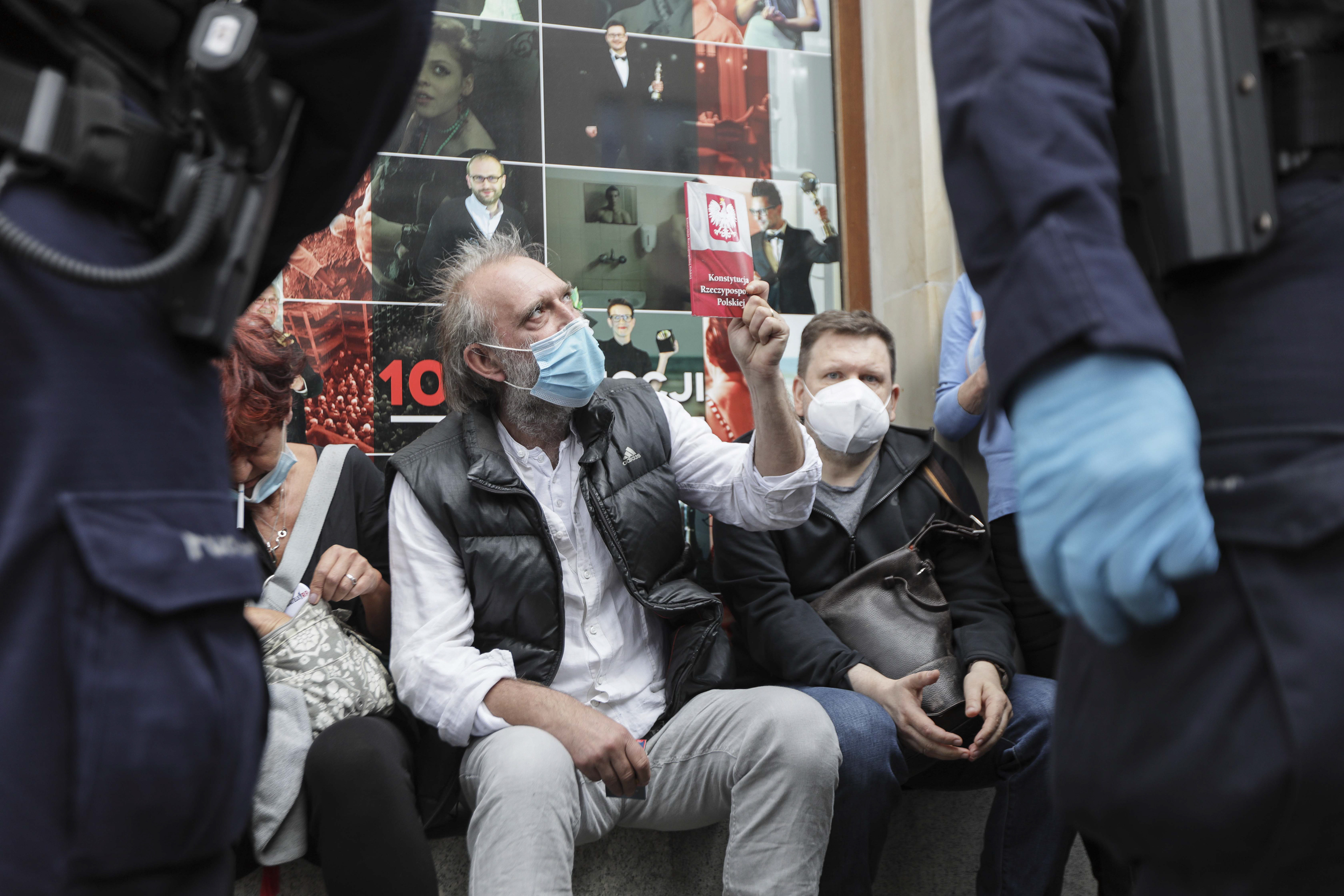
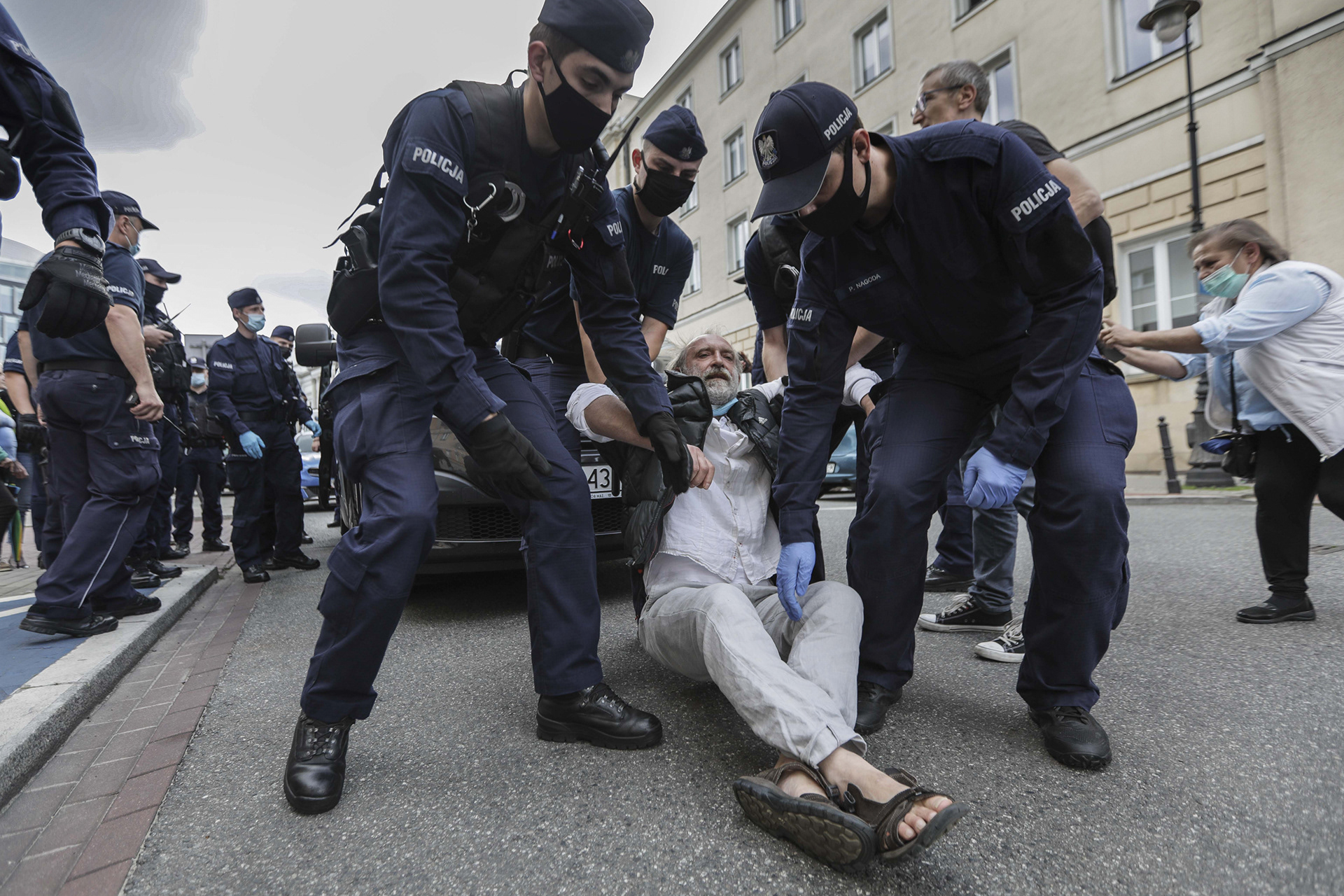
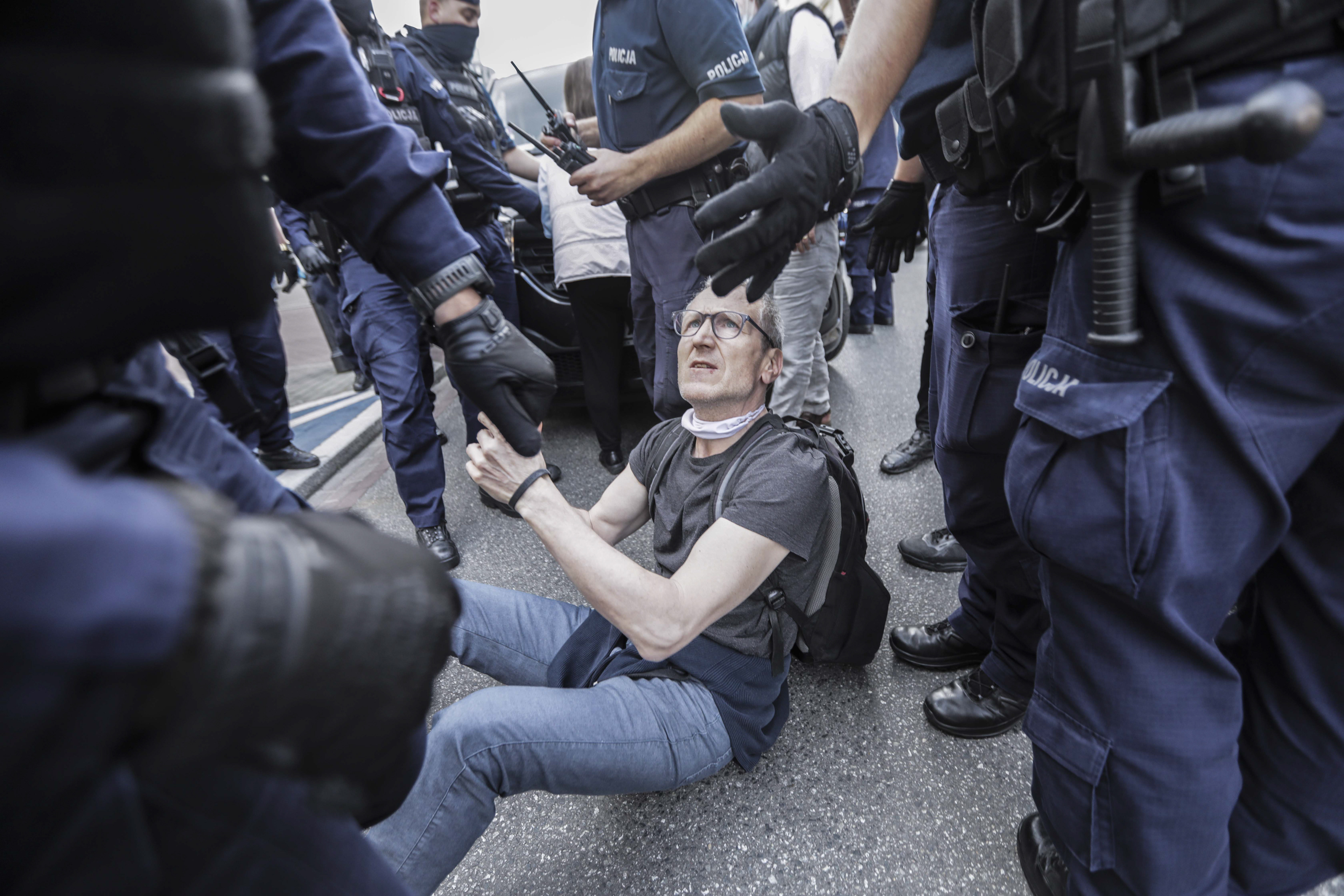
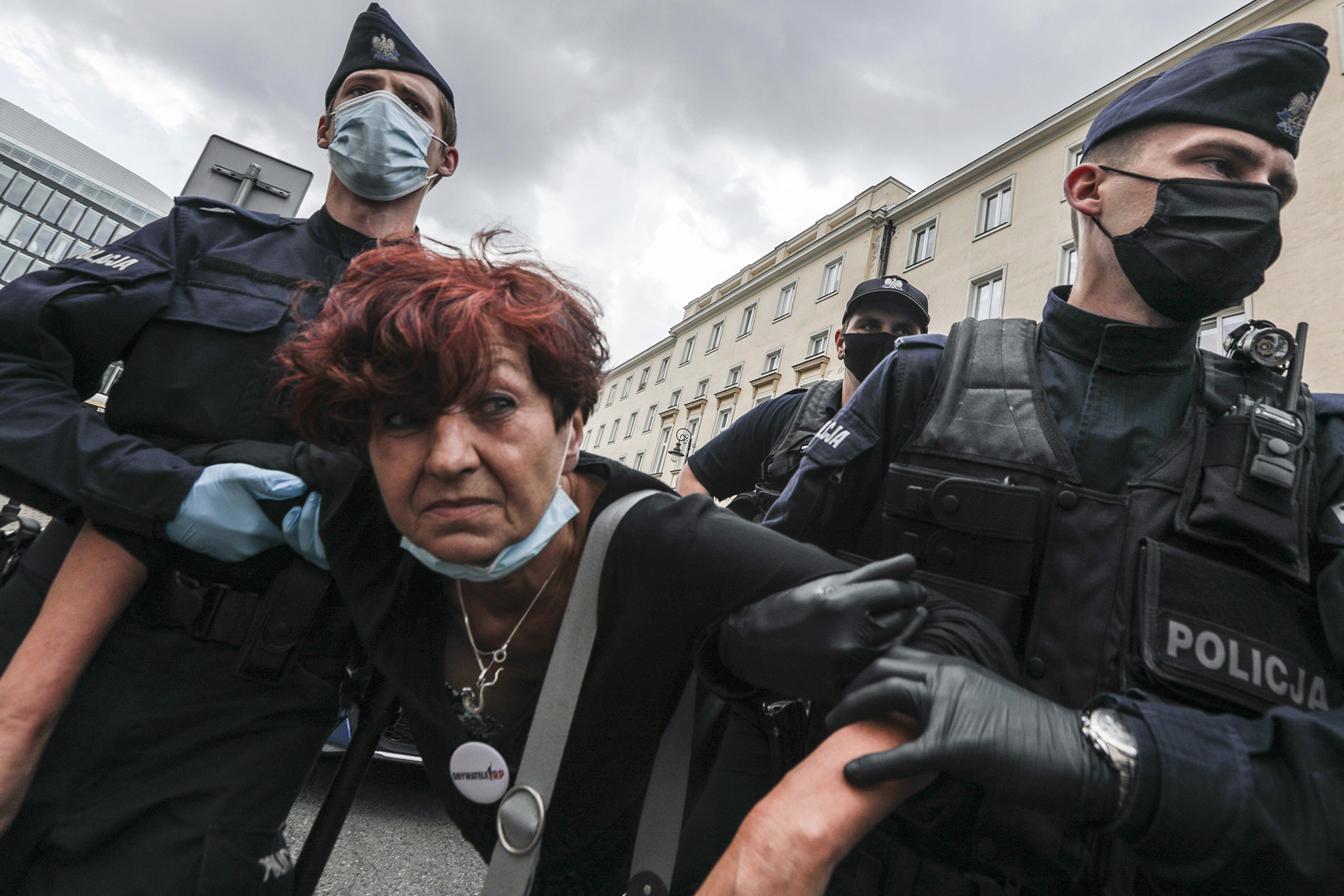
On the 5th of February 2020, the Marshal of the Sejm announced the election date, and election campaigns have started, although many candidates had conducted them unofficially much earlier. Meetings with the electorate had barely started when the Sars-Cov2 coronavirus epidemic suddenly broke out. It had paralyzed both social and political life for several months. As a result, election campaigns had to move to the virtual world for a while. The health service entered a crisis, there was a shortage of PPE (Personal Protective Equipment), financial resources and staff. The virus has also initiated a wave of protests due to political disinformation and economic problems. Fearing the continued increase in infection rates during traditional elections, they wanted to vote by correspondence across the country, which resulted in further divisions among citizens. In this situation, Andrzej Duda saw his chance, as he wanted the fastest elections when the polls were falling. However, most candidates were against this form of election. After numerous protests, the elections on May 10 did not take place, and therefore Elżbieta Witek had to set a new date. At that time, the Civil Platform changed its candidate Małgorzata Kidawa-Błońska for Rafał Trzaskowski. Despite the constant risk of contracting the virus, on June 28th, citizens rushed to the polls en masse. This election saw one of the highest turnouts since 1989. In the second round, Poles could choose between Andrzej Duda and Rafał Trzaskowski. With a slight majority of votes, they re-nominated Andrzej Duda as the President of the Republic of Poland. *The project consists of about 170 photos.